

[Heisei Retro] Hit Japanese songs that defined the 1990s. Recommended J-POP classics.

When you think of the Japanese music scene of the ’90s, what kind of sounds come to mind? It was an era when million-selling hits kept emerging and CD sales marked a golden age for the music industry.
Hit songs poured from TV and radio into the streets, and everyone was humming the same tunes.
From guitar rock to dance music, from the Shibuya-kei movement to the Being-kei style, a wide variety of genres coexisted, each shining with its own unique brilliance in the ’90s.
In this article, we’ll introduce a selection of hit songs that colored that rich musical scene.
For those who lived through the era, they’ll feel nostalgic; for first-time listeners, they’ll sound fresh.
Please take your time and enjoy.
- Classic and hit songs by nostalgic Japanese bands from the 1990s
- Iconic ballads of 90s J-pop: nostalgic mega-hits and fan favorites
- Hits that resonate across generations! Popular 1990s songs on TikTok
- Classic and hit J-pop songs from the nostalgic ’90s
- Ranking of Popular Songs by Japanese Male Singers from the 1990s [2026]
- [Hit Songs of 1999] A roundup of timeless tracks that dominated the charts!
- A collection of nostalgic hits from the Heisei era: Let’s look back at iconic songs from the 1990s and 2000s.
- 1990s J-Pop to listen to in summer: classic and hit summer songs
- Anime songs that were hits in the 1990s. Recommended masterpieces and popular tracks.
- Tear-jerking J-pop from the ’90s. Hit songs and real tearjerkers.
- [Hit Songs of 1996] Spotlight on the iconic tracks and popular tunes that colored the Heisei era!
- Hit Japanese songs that represent 1997. Recommended masterpieces.
- [90s Music] Shibuya-kei Classics: Recommended Popular Songs
[Heisei Retro] Hit Japanese songs that defined the 1990s. Recommended J-POP classics (161–170)
FACEglobe

A gem of a dance-pop tune that fuses Tetsuya Komuro’s exceptional production with KEIKO’s richly expressive vocals.
Released as a single from avex globe in January 1997, its sophisticated sound—woven from electronic rhythms and memorable melodies—captures the heart.
Chosen as the theme song for the Fuji TV drama “Kanojo-tachi no Kekkon” and as the CM song for NTT’s “Multi-Net Fair,” it debuted at No.
1 on the Oricon charts.
Long cherished as one of globe’s signature tracks, it was also included on the album “FACES PLACES,” selling over 3 million copies.
Its dramatic progression and groovy sound make it perfect for heart-lifting moments or reminiscing about times with someone special.
Singin’ in the Rainthe pillows

In May 1991, the Pillows included an ambitious track—marking their major-label debut—on the album Moon Gold.
The story begins as the protagonist arrives in a rain-soaked city in search of a new life, vividly capturing a youthful moment of setting out on a journey of self-discovery, despite loneliness and uncertainty.
Inspired by the American film Singin’ in the Rain, the song blends a bright, sprightly melody with energetic performance to create a hopeful piece.
Sawao Yamanaka’s passionately charged vocals, together with the layered sound crafted by the entire band, are sure to resonate deeply with listeners.
It’s a song that gently nudges you forward when you’re trying to face ahead or take a new first step.
Like tonight’s moonElefanto Kashimashi
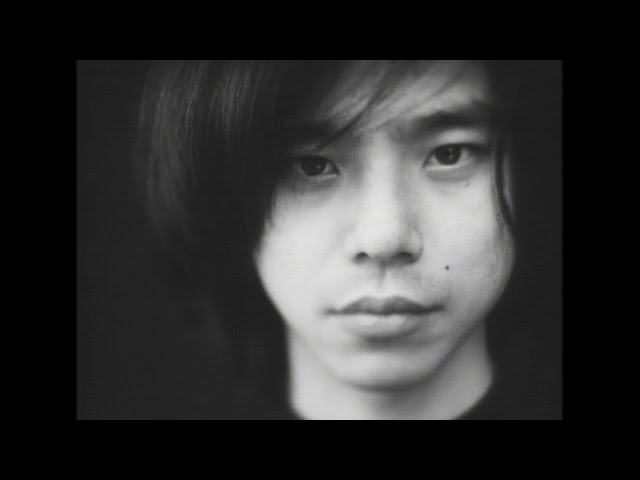
A signature song by Elephant Kashimashi, it sublimates the feeling of a heart wavering between everyday nihilism and hope into something beautiful.
The dramatic melody and Hiroji Miyamoto’s impassioned vocals resonate deeply with listeners.
Released by Pony Canyon in July 1997, it was used as the theme song for the drama “Because the Moon Shines at Night.” It became the band’s first entry into the Oricon Weekly Top 10 and a major hit with total sales of about 800,000 copies.
When you’re worn out by relationships or work and listen to this song, you can sense someone who struggles just like you yet still tries to face forward and live.
Like gentle moonlight softly illuminating the night, this is a song that stays close to your heart.
Young PeopleSanīdēi Sābisu

This is a song whose vocals seep into the heart like gentle sunlight, paired with a strikingly beautiful melody.
Through small everyday moments and scenery, it portrays the delicate emotions of adolescence—anxieties and conflicts about growing up, and the uncertainty of staying true to oneself.
The vocals are understated yet leave a deep afterglow, and the simple but richly expressive performance draws you into its world.
Released in April 1995 on Sunny Day Service’s major-label debut album “Wakamonotachi,” it has long been cherished as one of the band’s signature works.
It’s best enjoyed on a quiet night, alone with your thoughts.
You may find that the unspoken feelings in your heart are gently embraced.
Soulmatesupittsu

A gem of a song whose delicate lyricism finds meaning in the small moments of everyday life, paired with a universal message that questions the nature of love in modern society.
Released as a single in November 1997, it is known as a work that symbolizes Spitz’s musical evolution.
The striking sound—where the warmth of acoustic guitar harmonizes with new approaches like breakbeats—reached No.
3 on the Oricon Weekly Singles Chart.
It also drew attention as the theme song for the 1999 film “Whisper of the Moonlight.” Highly recommended for those who want to listen alone on a calm night, or for anyone seeking emotional support at a crossroads in life.
Crazy Babyfisshumanzu

A gem of a love song whose gentle, dreamlike melody and wistful vocals seep into the heart.
It beautifully conveys the feelings of a protagonist who pictures their lover’s face in times of sorrow, set to rhythms of reggae and hip-hop.
The poetic lyrics liken the presence of a precious person—someone who remains a source of strength even from afar—to a magical power.
Released by Fishmans in June 1993 and included on the album “Neo Yankees’ Holiday,” this track has become a classic, covered by many artists.
It’s a perfect song for quiet nights when you’re thinking of someone, or when you want to sink into memories of a loved one.
The Other Side of LoveSakamoto Ryuichi featuring Sister M

This song is striking for its beautiful harmony woven from a translucent singing voice and a refined melody.
Crafted entirely in English lyrics by Ryuichi Sakamoto, it gracefully expresses universal themes that pursue the essence and truth of love.
This miraculous father–daughter collaboration was released as a single in January 1997 and drew attention as the theme song for the Nippon TV drama “Stalker: A Love Untouchable.” It reached No.
6 on the Oricon weekly chart and achieved an astounding sales figure of approximately 720,000 copies.
This work is a quiet, moving masterpiece in which a tender, heart-piercing vocal blends perfectly with a sound that is both delicate and powerful.
Highly recommended as a gemlike, healing ballad you’ll want to listen to alone on a calm night.