

Legendary Japanese rock masterpieces and hit songs of the 1960s

The Spiders, The Wild Ones, The Tigers, The Folk Crusaders, Swing West…
Here are studio staff–recommended classics and hit songs from standout rock artists of the 1960s.
A truly legendary playlist that supported the dawn of Japanese rock.
- Classic and hit Japanese pop songs from the nostalgic 1960s
- Great Western rock classics and hit songs of the '60s
- A classic Group Sounds song. A nostalgic GS hit.
- [Japanese Rockabilly] A Spotlight on Japanese Rockabilly Songs and Musicians
- Rock 'n' Roll Japanese Band Special [Japanese Rock]
- [1970s] Classic and hit songs of Japanese rock that blazed through the dawn era
- Nostalgic yet fresh!? Classic masterpieces of Japanese rock from the 1970s and 1980s
- Classic and hit kayōkyoku songs from the nostalgic 1960s
- The 1970s were the golden age of Western rock! Recommended classics and hit songs
- Hit songs in Japan in the late 1960s
- Nostalgic Japanese hit songs from the 1960s. A collection of popular Showa-era classic melodies.
- Timeless classics only! Showa-era hit songs perfect for acoustic sing-alongs
- Back to those nostalgic days… Classic and hit Western songs of the 1960s
Legendary Japanese rock masterpieces and hit songs of the 60s (21–30)
Ob-La-Di, Ob-La-DaZa Kānabītsu

A legendary song that revolutionized Japan’s rock scene in the 1960s continues to move countless hearts today.
This cover of a Beatles track, with Japanese lyrics and a skillful arrangement, radiates a charm distinct from the original.
Its warm lyrics depicting the everyday lives of Desmond and Molly evoke a feeling of happiness in listeners.
Released in November 1999, the song blends nostalgia with freshness and is loved across generations.
Whether you’re enjoying time with friends or facing a gloomy day, listening to it is sure to brighten your mood.
The lights of Sakhalin do not go outZa Jenoba

A crowning achievement of 1960s Group Sounds from Crown Records.
With a bittersweet melody and lyrics in the style of a Russian folk song that weave in images of the northern provinces, this soul-stirring track moves every listener.
It builds a one-of-a-kind world that feels both nostalgic and fresh.
The Genova’s debut single from February 1968 is known as a unique outlier within the 1960s Group Sounds scene, and it recorded an astonishing sales figure of over 100,000 copies.
Seamlessly blending electric guitar and band-driven sound with elements of kayōkyoku, this work lingers as a gem of a ballad that stands beside the aching hearts of those who’ve lost their hometown or their love.
It’s a classic to be heard on a quiet night by anyone who has known heartbreak or parting, or who carries deep feelings within.
Legendary Japanese rock masterpieces and hit songs of the 1960s (31–40)
perpetual motionThe Mops
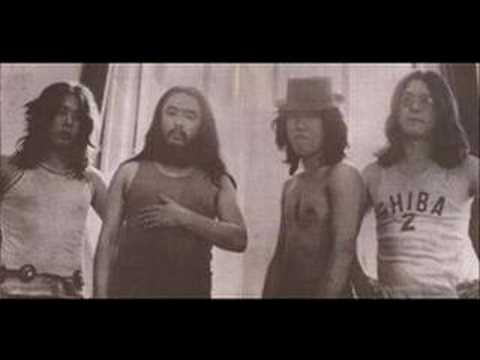
Released in 1973, The Mops’ song shocked Japan’s rock scene at the time.
Its psychedelic torrent of sound feels like a great river transcending eras, resonating deeply with listeners.
The lyrics—depicting the arrival of a marching beat, stones shattering, fire turning to ash, and people trembling with hunger and fear—suggest the cycle of life and the need for ceaseless action.
The expressive vocals and standout guitar playing deliver a tough, cool sound.
The track was also included on the 1989 compilation album “Big Artist Best Collection: The Mops.” Highly recommended for those who want to experience the dawn of Japanese rock.
You were young back then.Za Supaidāsu

A popular song by The Spiders, released in March 1968.
With lyrics written by a high school student and music composed by Hiroshi Kamayatsu, this piece beautifully captures the sweet and bittersweet feelings of youth.
It’s a classic that conveys the mistakes of adolescence and the lingering emotions that refuse to fade.
The song reached No.
6 on the Oricon charts and was also used as the theme song for the film “The Spiders’ Great Commotion,” released in May of the same year.
The duet by Masakazu Sakai and Jun Inoue is particularly memorable, with vocals that resonate deeply.
It’s a track that speaks to anyone who has experienced heartbreak or hopes to mend a cherished relationship.
Let’s be friends.Za Autokyasuto

This is a signature song by The Outcast that colored Japan’s rock scene in the 1960s.
Its upbeat rhythm and lyrics themed around friendship are especially appealing.
Released in 1967, it strongly reflects the pop culture and rock ’n’ roll influences of the time.
With a simple yet moving melody and lyrics, it conveys the importance of human connection.
It’s a track that lets you fully savor the peak era of the Group Sounds movement—perfect for those nostalgic for their youth.
It’s also a great choice when you want to liven things up at karaoke.
A world without youZa Bībāzu

A masterpiece woven from a psychedelic rock sound and a wistful melody, this is The Beavers’ second single, released in November 1967.
Its heartrending tune vividly portrays the pain of a broken heart.
Showcasing beautifully balanced twin vocals and the twin-guitar virtuosity of Hideki Ishima and Masayuki Hirai, the track reached No.
57 on the Oricon chart.
The band also appeared on the TV program “Young 720” that same year.
It’s a song to play on nights when you want to soothe a love-broken heart, or on a quiet afternoon when you’re nostalgic for your youth.
I don’t want to let go.Za Yangāzu

This youthful love song, which passionately sings of sweet, bittersweet feelings, was released in 1968 on the PHILIPS label as a signature work by The Youngers.
Its melancholic melody line, energetic beat, and electric guitar riffs blend beautifully to vividly capture the passion of young love.
Included as the B-side to the single “My Love, My Love,” it captivated many fans alongside the A-side track, notable for its fuzz guitar.
It was later covered by groups such as The No-No Boys and P.D.Q.
Trump, and has continued to be loved across generations.
A gem of a number that stands by shy young hearts in love, it carries a universal message to which anyone can relate.