

Legendary Japanese rock masterpieces and hit songs of the 1960s

The Spiders, The Wild Ones, The Tigers, The Folk Crusaders, Swing West…
Here are studio staff–recommended classics and hit songs from standout rock artists of the 1960s.
A truly legendary playlist that supported the dawn of Japanese rock.
- Classic and hit Japanese pop songs from the nostalgic 1960s
- Great Western rock classics and hit songs of the '60s
- A classic Group Sounds song. A nostalgic GS hit.
- [Japanese Rockabilly] A Spotlight on Japanese Rockabilly Songs and Musicians
- Rock 'n' Roll Japanese Band Special [Japanese Rock]
- [1970s] Classic and hit songs of Japanese rock that blazed through the dawn era
- Nostalgic yet fresh!? Classic masterpieces of Japanese rock from the 1970s and 1980s
- Classic and hit kayōkyoku songs from the nostalgic 1960s
- The 1970s were the golden age of Western rock! Recommended classics and hit songs
- Hit songs in Japan in the late 1960s
- Nostalgic Japanese hit songs from the 1960s. A collection of popular Showa-era classic melodies.
- Timeless classics only! Showa-era hit songs perfect for acoustic sing-alongs
- Back to those nostalgic days… Classic and hit Western songs of the 1960s
Legendary Japanese rock masterpieces and hit songs of the 60s (41–50)
Distant ShoreShaapu Hōkusu

Marked by its passionate guitar tone, this work is a signature song by the Sharp Hawks, released in December 1966.
With lyrics by Jun Hashimoto and music composed by Koichi Sugiyama, the track became an emblem of the Group Sounds heyday, capturing the hearts of young listeners at the time.
Its bittersweet love-themed lyrics and refreshing melody blend perfectly, making it a timeless classic that still colors a page of youth.
Its breezy vibe makes you want to listen by the seaside in summer—perfect for a drive.
Black Sand BeachKayama Yūzō & Za Ranchāzu
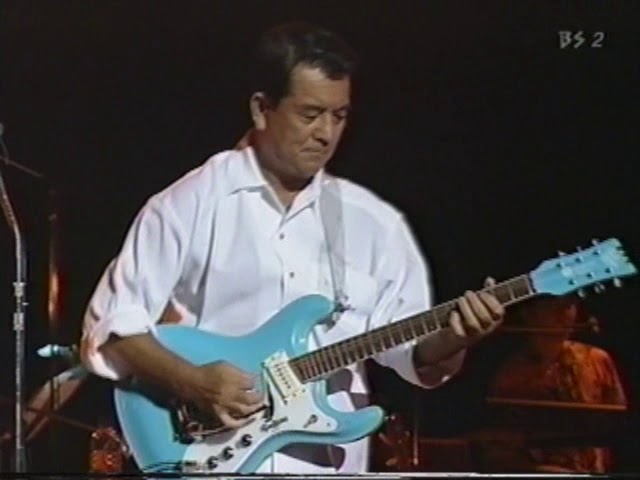
A gem of an instrumental that colored Japan’s 1960s rock scene.
Released in December 1965, this piece was a collaboration between Yuzo Kayama and The Launchers.
Its melodious, guitar-forward sound beautifully captures the allure of black sandy beaches.
While incorporating elements of surf rock, it shines with a uniquely Japanese sensibility.
The exhilarating performance evokes a pleasant sea breeze every time you listen.
Perfect for a drive—and equally recommended for those moments when you want to relax by the seaside.
I want to hug you.Tōkyō Bītoruzu

As a classic that colored the dawn of Japanese rock, the Tokyo Beatles’ song resonates deeply.
This work, a Japanese-language cover of a Beatles tune, was released as a single in late April 1964.
Kenji Sazanami’s Japanese lyrics beautifully capture the pure feeling of wanting to hold a loved one close.
It’s hard to believe the track was produced just two weeks after the group formed—the performance is remarkably polished.
Steeped in the youthful atmosphere of the 1960s, this piece is recommended for anyone seeking a romantic mood.
White Swingbiriibanban

A warm, tender melody that gently embraces nostalgic memories resonates in the heart.
Released in 1969 as Billy BanBan’s debut single, it became a major hit, selling over 150,000 copies.
It’s a landmark track that established their status as a brother folk duo.
The lyrics by Nahomi Kodaira beautifully depict the happy moments spent on a swing.
The anecdote that Susumu Sugawara composed the song on a swing in a Daikanyama garden further enhances its charm.
This piece is perfect for when you want to look back on memories with someone special.
It’s sure to leave you feeling calm and at peace.
In conclusion
We introduced a number of iconic songs that represent the Japanese rock scene of the 1960s. From the vibrant music of the Group Sounds boom to psychedelic experimental sounds, we hope you were able to feel the diversity of the era’s music scene. Influenced by the Beatles yet evolving in its own unique way, Japanese rock has a timeless appeal that continues to shine brightly today.