

Let’s have fun making them! Kid-friendly palindromes. Great as a reference for creating your own.

A palindrome is a sentence that reads the same from top to bottom and bottom to top.
It feels kind of mysterious, but when you see one, you can’t help wanting to say it out loud!
Palindromes aren’t just fun to read—they’re also perfect for kids’ play, because creating your own builds vocabulary and thinking skills.
In this article, we’ll introduce recommended palindromes that we’d love kids to try, and that you can use as references when making your own.
The key to making palindromes is ensuring that the meaning still makes sense whether you read them forward or backward.
Try reading the palindromes we introduce out loud, and use them as inspiration for creating your own!
- [Rec] Interesting! A roundup of wordplay games
- Let's play with a big group! A collection of fun children's recreational activities
- Handmade games: DIY craft ideas you can make and play
- Funny palindromes. A masterpiece collection that makes you burst out laughing when you imagine them.
- [Recreation] Challenge! A roundup of tongue twisters recommended for elementary school students
- Tongue Twisters So Fun and Cute You’ll Want to Say Them Out Loud!
- Get hyped! Tongue twisters that sound cool if you can say them—wordplay that makes you want to take on the challenge
- Interesting four-character idioms for elementary schoolers! Words you'll want to use once you understand their meanings
- Funny senryu poems composed by junior high school students: introducing outstanding works that will make you burst out laughing
- Tongue twisters that will make you laugh out loud! Super funny
- Popular even among elementary school students! Stylish and easy-to-remember four-character idioms
- Recommended riddles for elementary school students. A collection of kid-friendly riddles.
- Challenging tongue twisters: Introducing high-difficulty phrases and sentences!
Let's Play and Create! Fun Palindromes for Kids. Great as a Reference for Making Your Own (11–20)
I blossomed as a human being during the opening declaration.

By turning a slightly boastful, proud moment—declaring at an opening ceremony that one’s humanity has blossomed—into a palindrome, it expresses the scene in a surreal way.
For example, picture someone delivering a confident speech at a meeting or event, inwardly smirking, “Ah, I’m amazing.” It’s a little funny and at the same time relatable.
The rhythmic feel of the palindrome overlaps with the amusing, out-of-the-ordinary self-aggrandizement in everyday life, making it a charming piece that makes you chuckle just by reading it and want to share it with someone.

I handed over the tawashi.
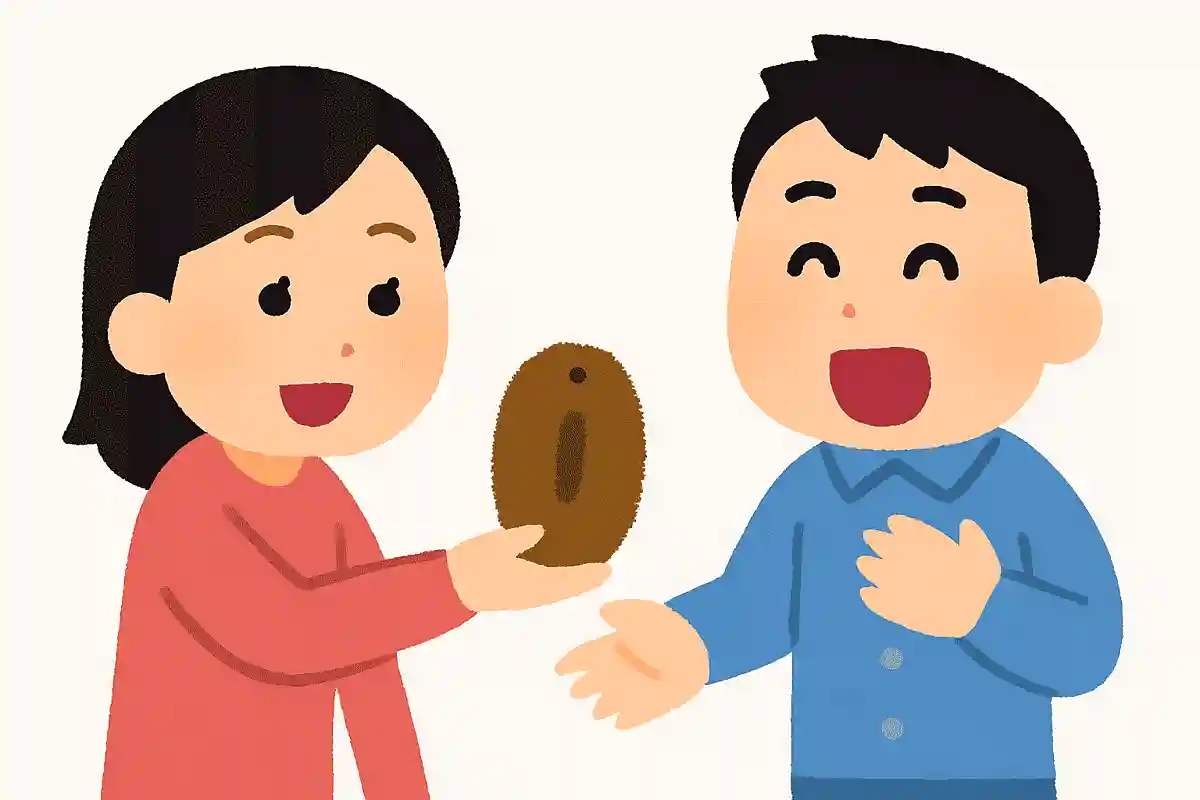
A short yet laugh-inducing, surreal piece.
It merely states the mundane action of “I handed over a tawashi (scrubbing brush)” in a matter-of-fact way, but turning it into a palindrome instantly gives it a humorous ring.
For example, if you picture the moment you hand a tawashi to a friend as a gift, you can almost see their subtly puzzled reaction—“Huh, a tawashi?”—which makes you chuckle.
Despite its brevity, it combines the fun of wordplay with the small oddities of everyday life, making it irresistibly shareable.
I’m popular because of my muscular body.
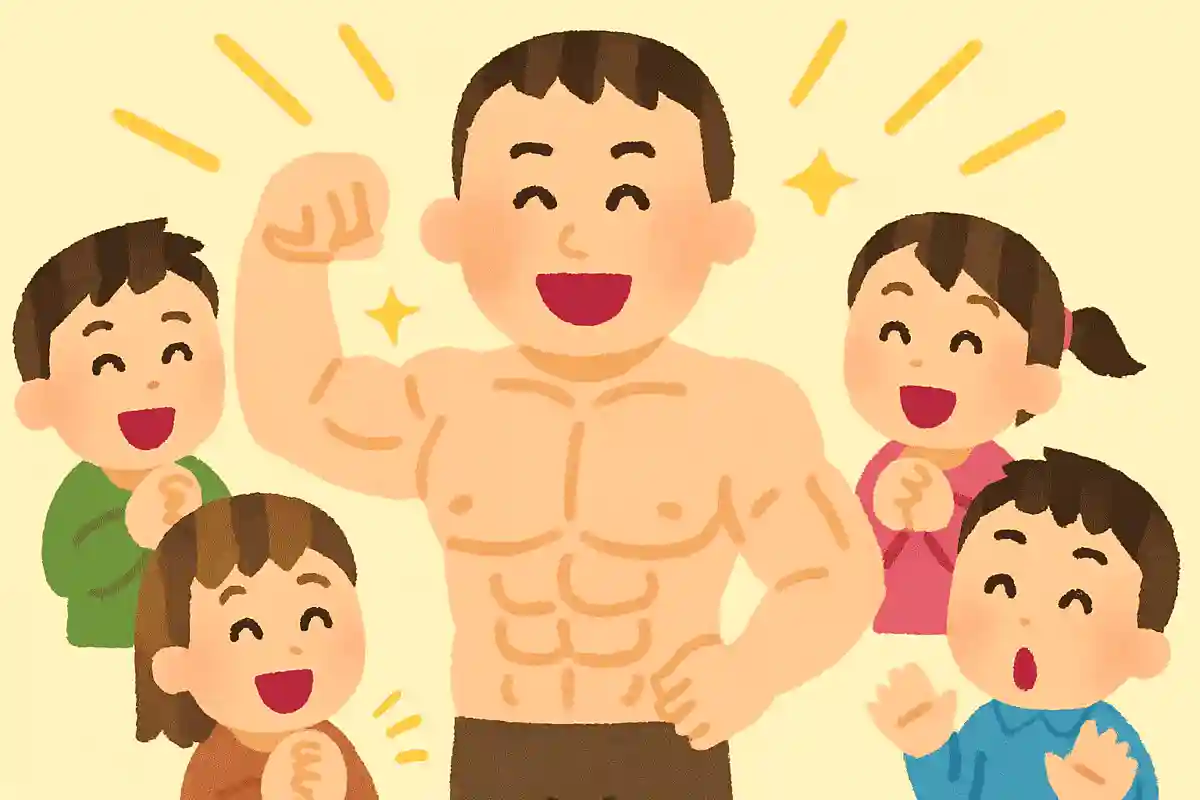
It’s a masterpiece that lets you enjoy both the fun of the characters themselves and content that makes you laugh when you imagine it.
The boastful phrase “With a muscular body, I’m popular” gains extra surreality and humor by being expressed as a palindrome, a kind of mirror writing.
For example, if you imagine yourself striking poses in front of a mirror while sweating at the gym, you get a slightly narcissistic yet somehow endearing scene.
The rhythm of the sounds as text is also pleasing, making you chuckle just by reading it.
It’s a delightful palindrome that combines playful wordplay with the absurd humor of everyday life.
It works well.

3.bp.blogspot.com
It’s a palindrome with a strangely calming tone that makes you feel as if you’re being gently advised.
When you reverse the word “yoku” (meaning “often” or “well”), you get “kuyo,” which isn’t a proper word, but if you add one character, it becomes “kiku yo” (“I’ll listen”), which is a palindrome technique.

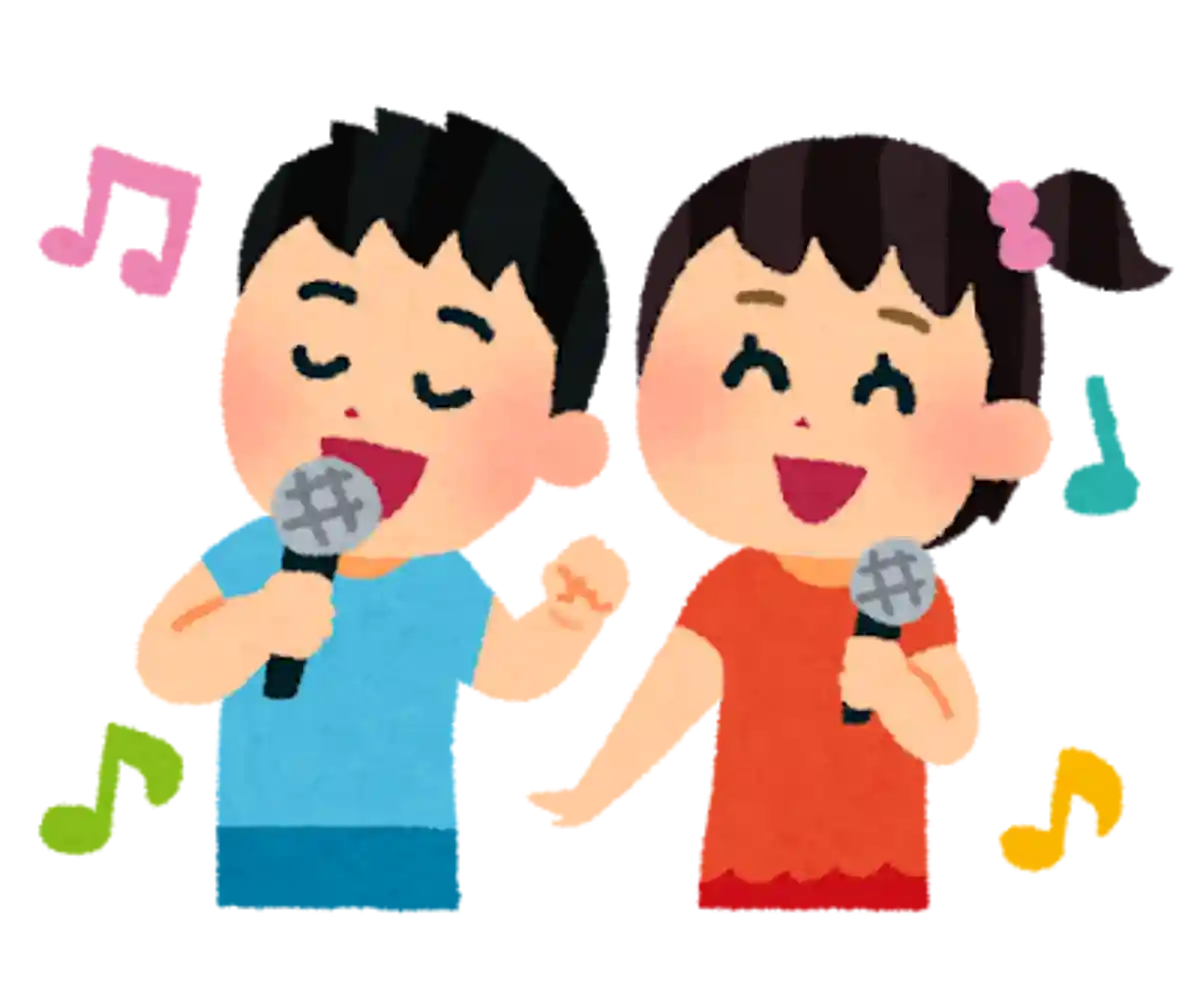
sing-song (utautau)
4.bp.blogspot.com
This is a short five-letter palindrome, so it’s great for kids.
“Uta utau” is fun because it’s made only with the sounds “u” and “ta.” It also seems like a good prompt to think further: Are there other palindromes that can be made using only two sounds?
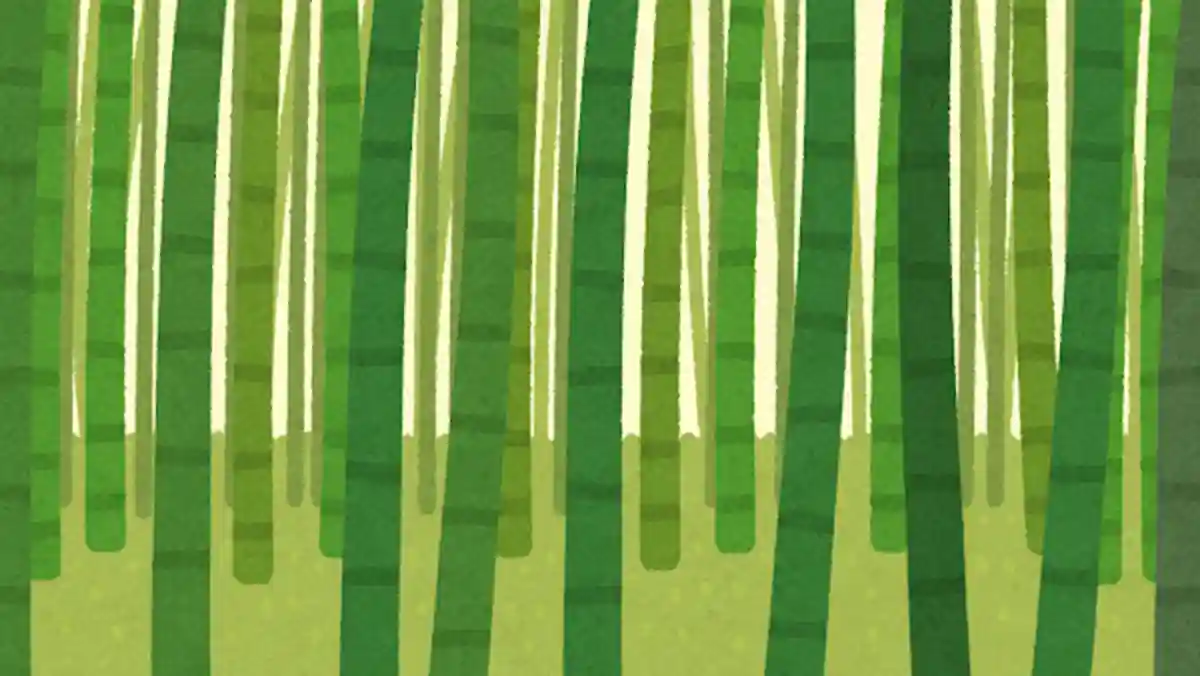
The bamboo grove burned.
2.bp.blogspot.com
This is a famous palindrome you may have heard before.
“Takeyabu” (bamboo grove) isn’t a word that usually comes to mind, but it feels great when you can use it.
Using voiced sounds with the dakuten mark (゛) or semi-voiced sounds with the handakuten mark (゜) is advanced, so the trick is to place them in the middle of the palindrome.
distant sound

3.bp.blogspot.com
A piece that evokes a slightly poetic scene in the mind.
The adjective “distant” and the noun “sound” come together to create a somewhat beautiful atmosphere, don’t they? To level up a bit, it might be interesting to try creating palindromes that combine an adjective and a noun like this.
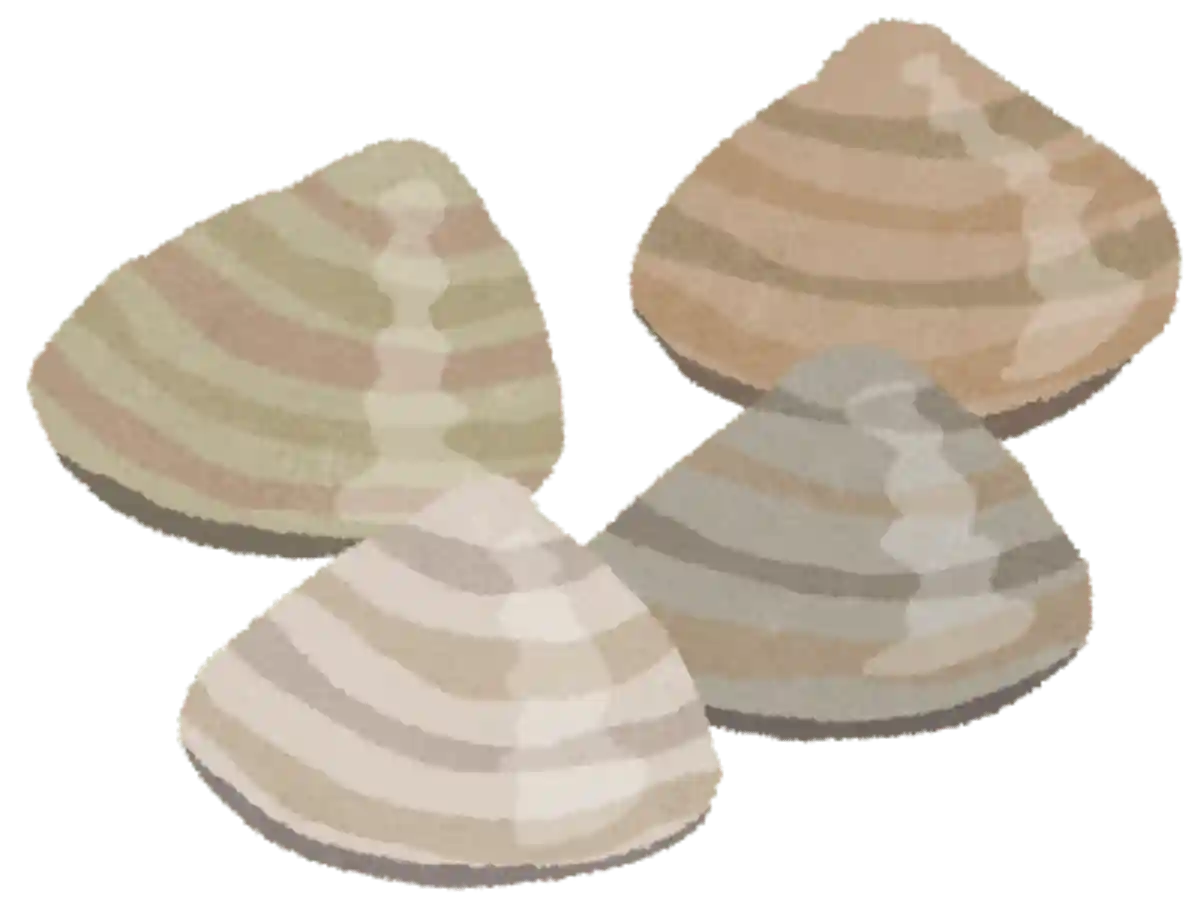
Squid and Shellfish (Ika to Kai)
3.bp.blogspot.com
When small children try their hand at palindromes, the key is to first choose clear, familiar nouns.
Short words are easier to use, so two-character words that form nouns even when reversed—like “ika” and “kai” in this palindrome—are ideal!
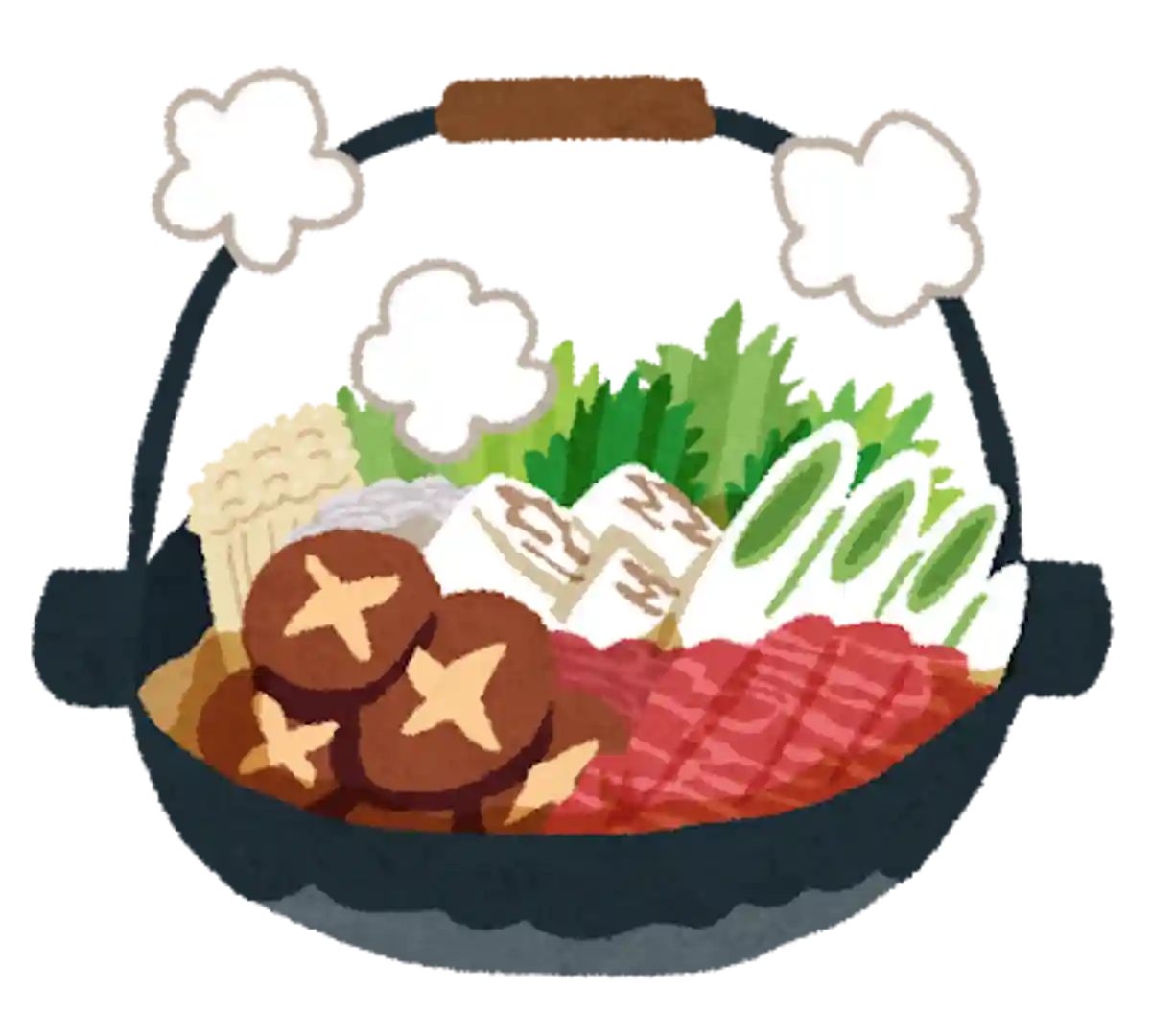
We’re having sukiyaki tonight.
1.bp.blogspot.com
When it comes to making a 9-letter palindrome, you really have to think flexibly, don’t you? The choice of words—“night” and “sukiyaki”—is exquisite.
In palindromes, the use of particles is usually key, but in this sentence they’re deliberately left out, giving it a playful, free wordplay vibe.
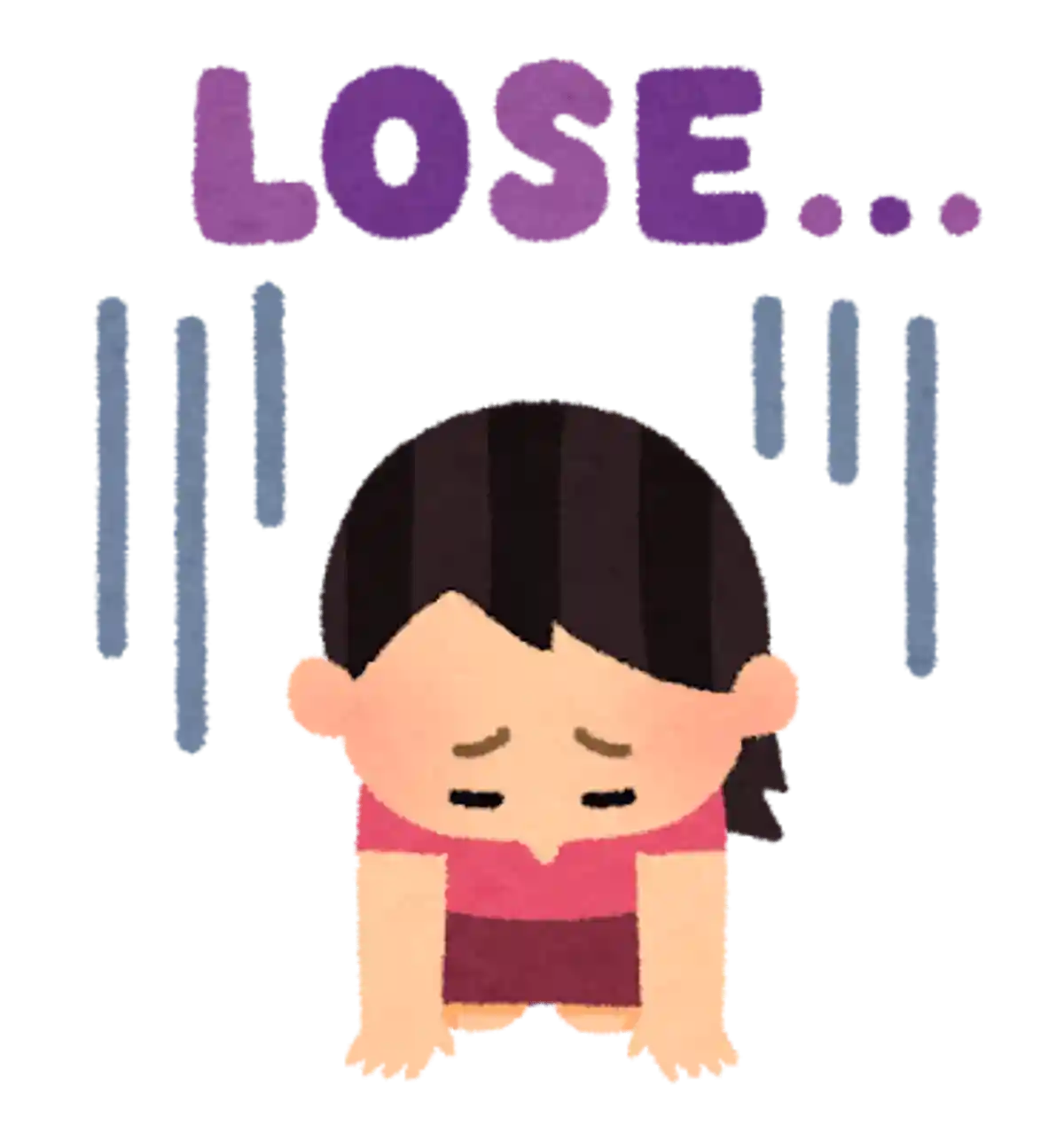
I’ve lost.
1.bp.blogspot.com
This is one of the famous palindromes.
The final “wa” gives it a conversational feel that makes it more relatable, doesn’t it? In this way, freely adding characters before or after words to form sentences is also a fun tip for enjoying palindromes, so feel free to play around with them flexibly!