

Let’s have fun making them! Kid-friendly palindromes. Great as a reference for creating your own.

A palindrome is a sentence that reads the same from top to bottom and bottom to top.
It feels kind of mysterious, but when you see one, you can’t help wanting to say it out loud!
Palindromes aren’t just fun to read—they’re also perfect for kids’ play, because creating your own builds vocabulary and thinking skills.
In this article, we’ll introduce recommended palindromes that we’d love kids to try, and that you can use as references when making your own.
The key to making palindromes is ensuring that the meaning still makes sense whether you read them forward or backward.
Try reading the palindromes we introduce out loud, and use them as inspiration for creating your own!
- [Rec] Interesting! A roundup of wordplay games
- Let's play with a big group! A collection of fun children's recreational activities
- Handmade games: DIY craft ideas you can make and play
- Funny palindromes. A masterpiece collection that makes you burst out laughing when you imagine them.
- [Recreation] Challenge! A roundup of tongue twisters recommended for elementary school students
- Tongue Twisters So Fun and Cute You’ll Want to Say Them Out Loud!
- Get hyped! Tongue twisters that sound cool if you can say them—wordplay that makes you want to take on the challenge
- Interesting four-character idioms for elementary schoolers! Words you'll want to use once you understand their meanings
- Funny senryu poems composed by junior high school students: introducing outstanding works that will make you burst out laughing
- Tongue twisters that will make you laugh out loud! Super funny
- Popular even among elementary school students! Stylish and easy-to-remember four-character idioms
- Recommended riddles for elementary school students. A collection of kid-friendly riddles.
- Challenging tongue twisters: Introducing high-difficulty phrases and sentences!
Let's play and create! Fun palindromes for kids. Also useful as a reference for making your own (21–30)
added

4.bp.blogspot.com
This is a palindrome so natural that at first glance it doesn’t even seem like one.
“Tashimashita” (“I added it”) is an everyday, natural expression, right? There may not be many examples, but it might be fun to look for words like this—everyday words you always use—that happen to form palindromes.

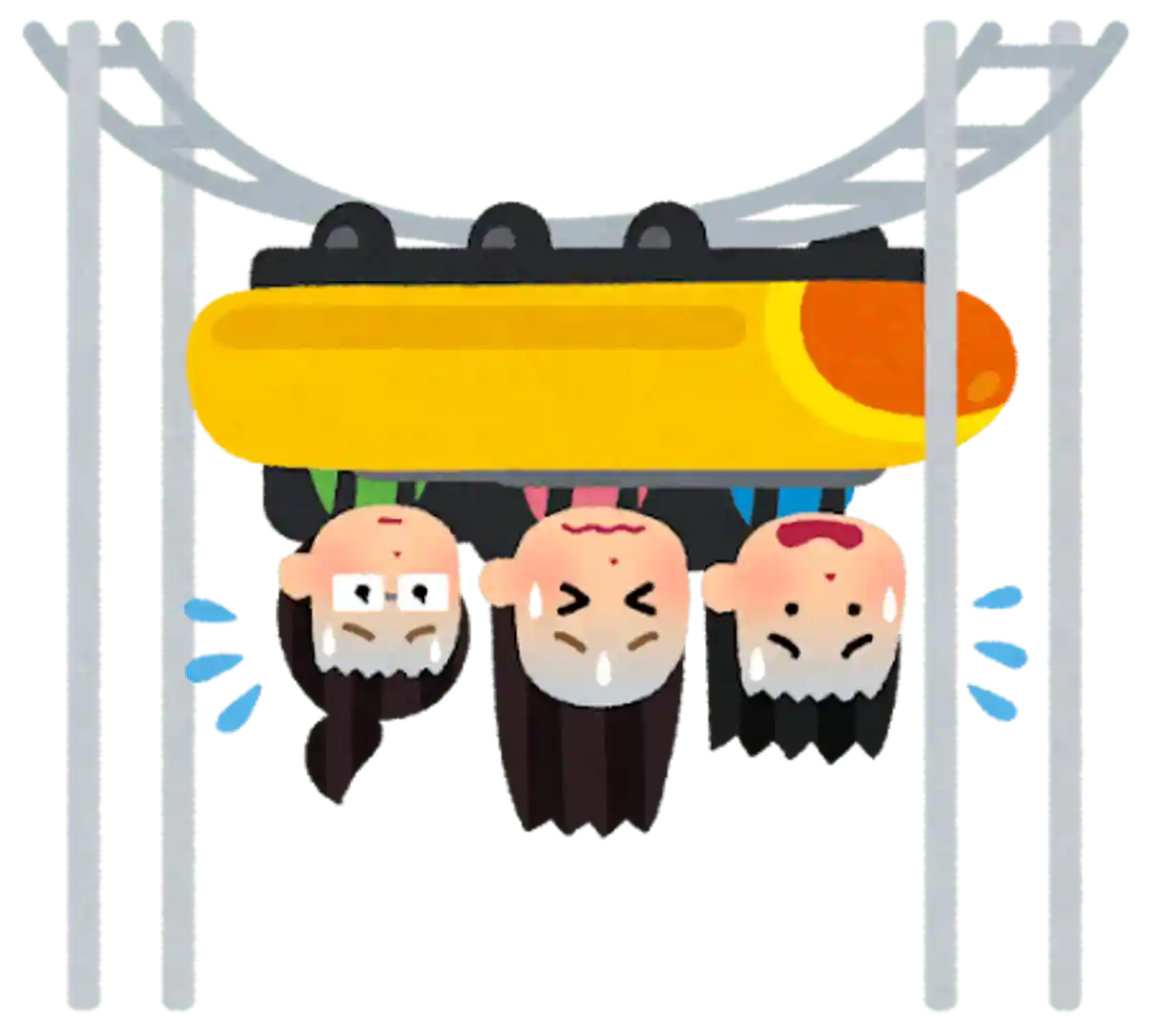
No way—upside down? (Masaka sakasama)
4.bp.blogspot.com
A classic that combines two impactful words: “masaka” (no way) and “sakasama” (upside down).
If you can find a word that becomes another word by reversing it and adding a letter or two, you’ve almost got a palindrome right there.
Don’t limit yourself to nouns—look for candidates across different parts of speech.
The dance is over.

4.bp.blogspot.com
A clever palindromic discovery that combines the word “dance” with “sunda.” You might think that reading “dance” backwards wouldn’t make a different word, but surprise—it turns into “sunda,” which means “finished”! Unexpected words can make great building blocks for palindromes, so try looking for them yourself.
I definitely lent it.

3.bp.blogspot.com
It’s a neat palindrome made by adding the particle “ni” to the words “tashika” (surely) and “kashita” (lent), both of which still make sense when reversed.
They sound like ordinary words you might hear in natural conversation, don’t they? If you pay attention as you go about your day, you might find quite a few palindromes like this hidden in everyday speech!
What do you do when you’re home alone?

2.bp.blogspot.com
It’s a palindrome that uses “rusu” (being away from home) and “suru” (to do) as keys, skillfully employing particles that link words together.
If you start by looking for words that are easy to flip like this, you can freely arrange the characters added in the middle, which makes creating palindromes easier.
In conclusion
We introduced palindromes recommended for children—did they help as a reference for creating your own? When making a palindrome, start by finding a word you want to use, attach that word to its reversed form, and then think about what words to insert in between so the whole thing makes sense. Once you’ve created a fun palindrome, be sure to share it with the people around you!