


A palindrome is a sentence that reads the same from top to bottom and bottom to top.
It feels kind of mysterious, but when you see one, you can’t help wanting to say it out loud!
Palindromes aren’t just fun to read—they’re also perfect for kids’ play, because creating your own builds vocabulary and thinking skills.
In this article, we’ll introduce recommended palindromes that we’d love kids to try, and that you can use as references when making your own.
The key to making palindromes is ensuring that the meaning still makes sense whether you read them forward or backward.
Try reading the palindromes we introduce out loud, and use them as inspiration for creating your own!
- [Rec] Interesting! A roundup of wordplay games
- Let's play with a big group! A collection of fun children's recreational activities
- Handmade games: DIY craft ideas you can make and play
- Funny palindromes. A masterpiece collection that makes you burst out laughing when you imagine them.
- [Recreation] Challenge! A roundup of tongue twisters recommended for elementary school students
- Tongue Twisters So Fun and Cute You’ll Want to Say Them Out Loud!
- Get hyped! Tongue twisters that sound cool if you can say them—wordplay that makes you want to take on the challenge
- Interesting four-character idioms for elementary schoolers! Words you'll want to use once you understand their meanings
- Funny senryu poems composed by junior high school students: introducing outstanding works that will make you burst out laughing
- Tongue twisters that will make you laugh out loud! Super funny
- Popular even among elementary school students! Stylish and easy-to-remember four-character idioms
- Recommended riddles for elementary school students. A collection of kid-friendly riddles.
- Challenging tongue twisters: Introducing high-difficulty phrases and sentences!
Let's Play and Create! Fun Palindromes for Kids. Great as inspiration for making your own (1–10)
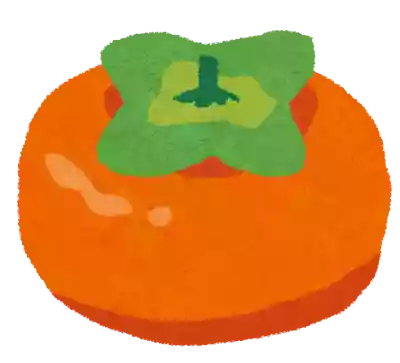
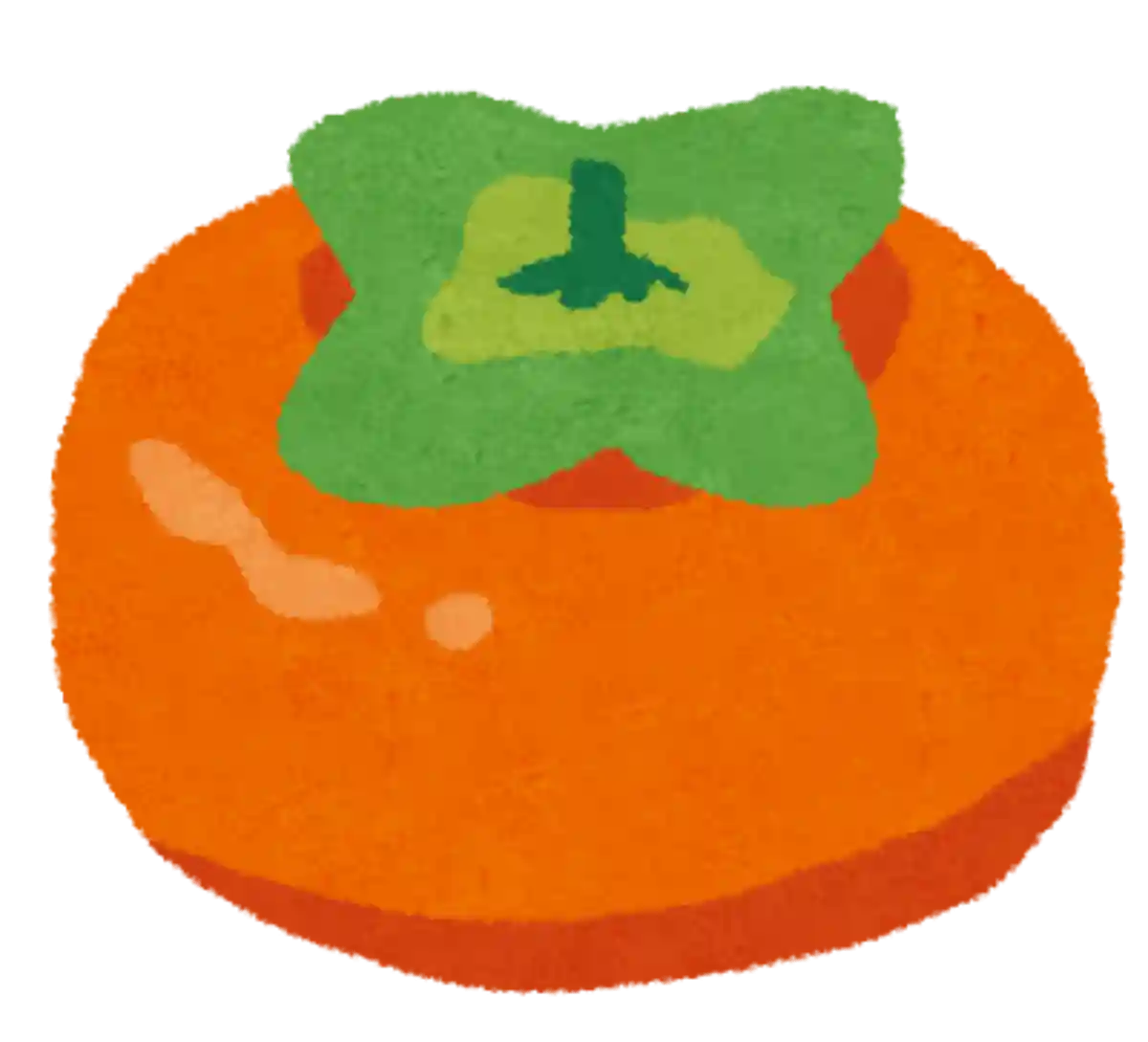
A persimmon tree?
2.bp.blogspot.com
A five-letter palindrome is very short, so it’s easy to make, right? First, choose a word you like.
“Kaki no ki ka?” uses the word “kaki” as the key to the palindrome.
If you reverse “kaki,” you get “kika.” Start by inserting one character between them to create a sentence that makes sense!

Grandpa Prodigy

4.bp.blogspot.com
A uniquely charming piece that makes you chuckle.
It’s amusing how it uses the seemingly opposite words “old man” and “child.” It might take a fair bit of technique to be able to use words with opposite meanings, but why not dare to give it a try?
Did you eat squid?

3.bp.blogspot.com
Let’s level up a bit and try tackling 7-letter palindromes, too.
Just like 5-letter ones such as “Kaki no ki ka?” (“Is it a persimmon tree?”), when they’re phrased as questions, they carry a somewhat humorous vibe, don’t they? There are quite a few two-letter words that even kids can easily use in palindromes, like “ika” and “kai,” so try hunting for them!
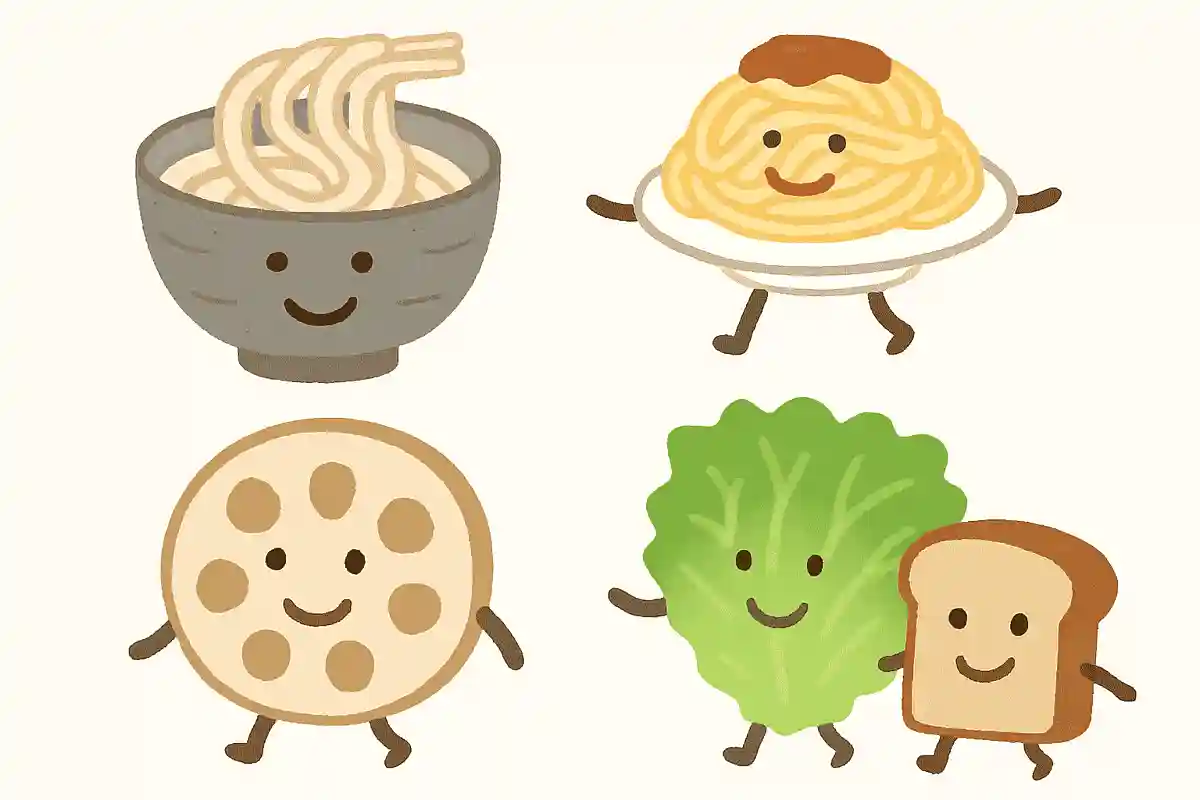
Udon, pasta, lotus root, lettuce, how about bread?
It’s a masterpiece where the fun of wordplay and a surreal image blend perfectly.
Beyond just the humor of the letters, it also carries a meaning that sounds like someone planning a menu—“Udon or pasta? Lotus root or lettuce? How about bread?”—comically depicting an everyday dinner table.
Imagining actually making this menu and setting it out—the simultaneous eating of udon and pasta, the crunch of lotus root and the crispness of lettuce, and even bread on top—brings to mind such a bizarre, chaotic scene that you can’t help but laugh.
The amusing nature of the palindrome as text overlaps with an irresistibly laugh-inducing sense of the extraordinary.

I gradually flew.
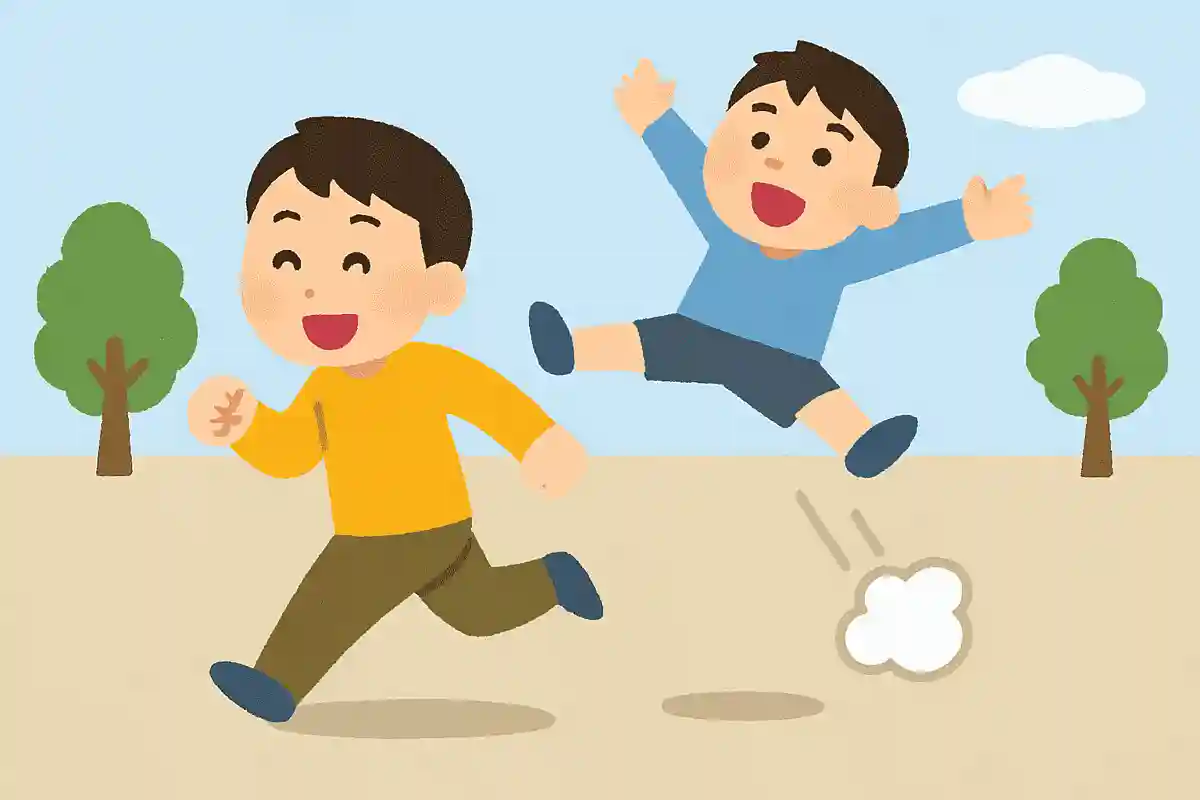
Is it a situation where someone is saying, “It’s not like I got rich all at once!” or what? When you picture something slowly gaining altitude and flying away, it gradually becomes funnier.
The things flying off could be a kettle, a violin, a piglet, the Skytree… What did you imagine? I think the appeal of palindromes roughly falls into two types: the “hmm, how clever” kind and the surprising kind that makes you go “ah!” without thinking—but this palindrome might be impossible to classify!
An advanced city where a boar dances with a squid
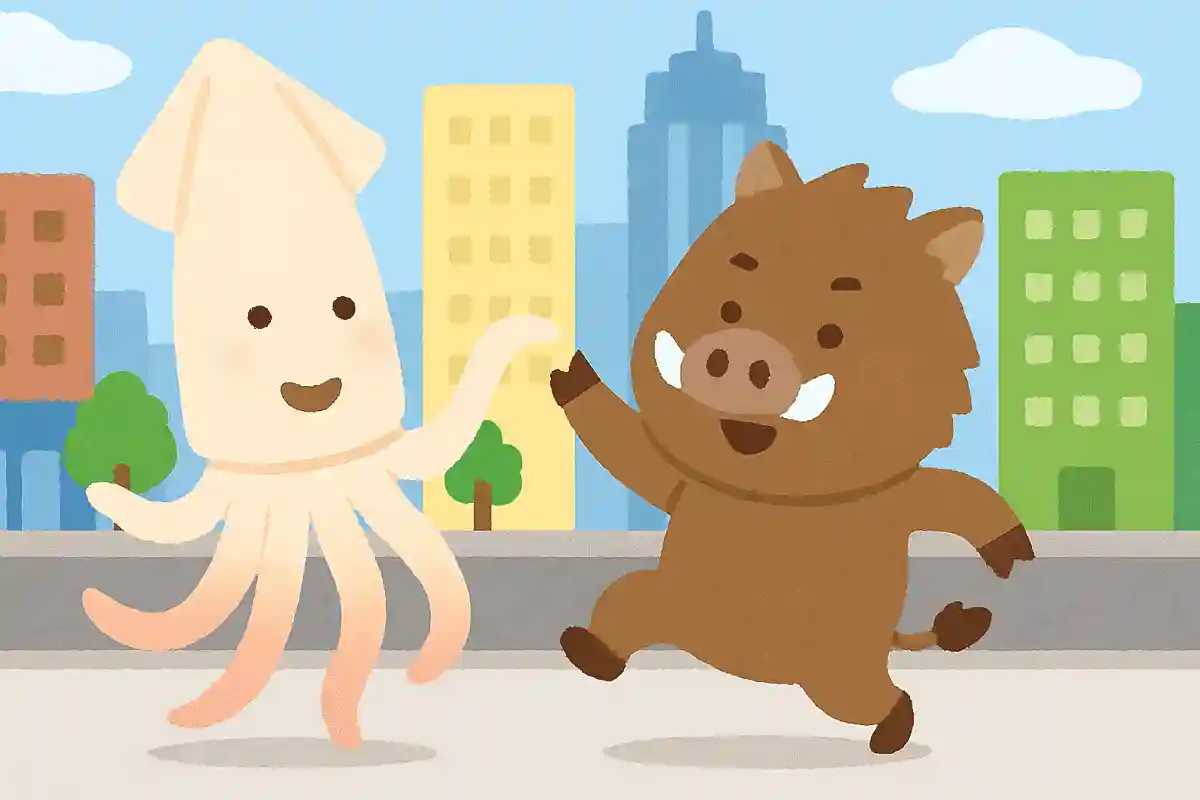
A masterpiece brimming with a surreal worldview that makes you laugh just by imagining it.
It reads the same forwards and backwards, and its content is truly outlandish.
Just picturing “a boar dancing with a squid—and in an advanced big city, no less?” conjures an impossible scene that makes you chuckle.
You can see it: at a city intersection, while suited businessmen look on in shock, a boar is stepping in time with a squid—such a surreal, chaotic image springs to mind.
The playful joy of a palindrome, infused with out-of-the-ordinary humor, makes this an addictive piece you’ll want to tell someone about.
Are you done with the squid dance?
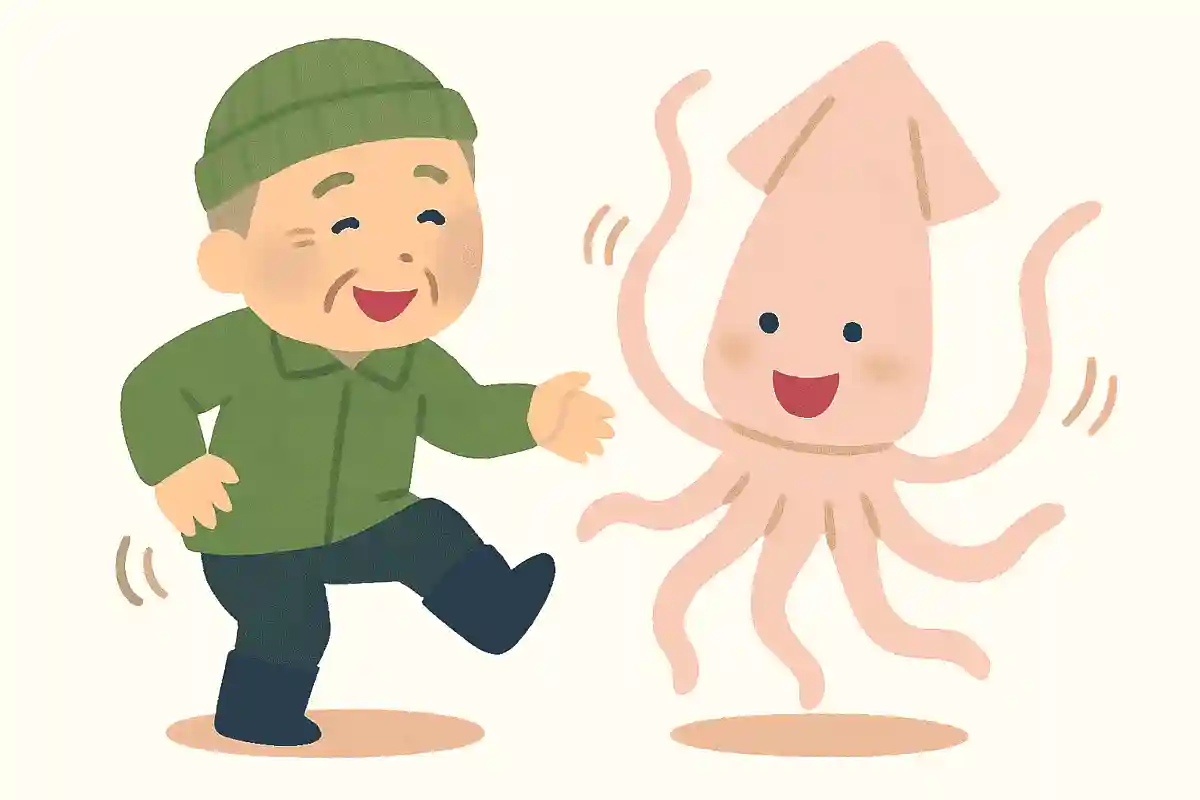
It’s a string that reads the same forwards and backwards, and on top of that, its content is surreal and funny.
The impossible question “Has the squid finished its dance?” makes you spontaneously picture the scene.
For example, you might imagine a squid gracefully stepping under a spotlight in a nighttime aquarium—such an extraordinary, absurd sight naturally brings a smile.
As a palindrome, it’s also amusing on a purely textual level, so you can enjoy both the wordplay and the surreal imagery.
It’s the kind of piece you can’t help but want to share with someone.
In Italy, I want to be on Team Tomato.
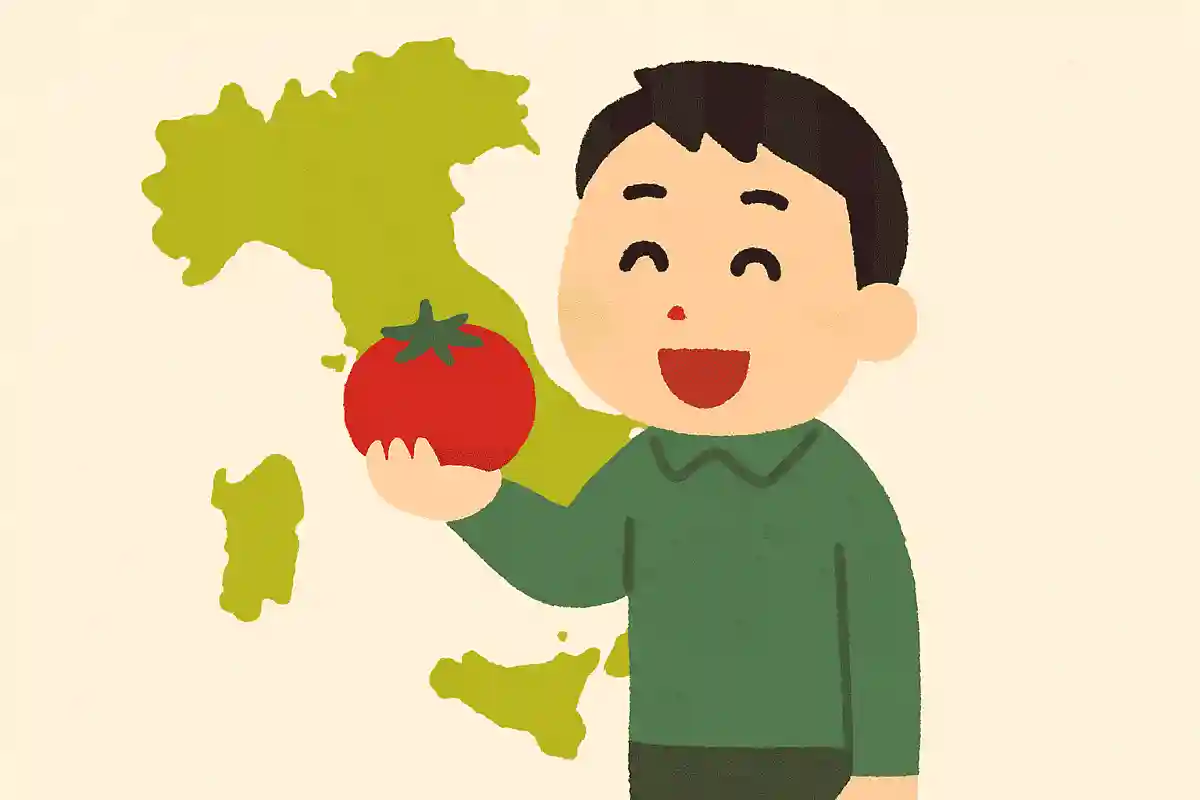
One of the popular palindromes that has been circulating for ages on X and TikTok.
In the world of palindromes, it could practically be considered a classic—a true masterpiece.
Rather than feeling like something a palindrome writer hunted down with bloodshot eyes, it has the vibe of a phrase that was hiding in everyday conversation until someone stumbled upon it by chance.
If you go on a date with someone special and have a meal at an Italian restaurant, this is definitely a palindrome you’ll want to use! It’s sure to bring the two of you closer.
Of course, use palindromes at your own risk!
From chimpanzee to kaijin Punch
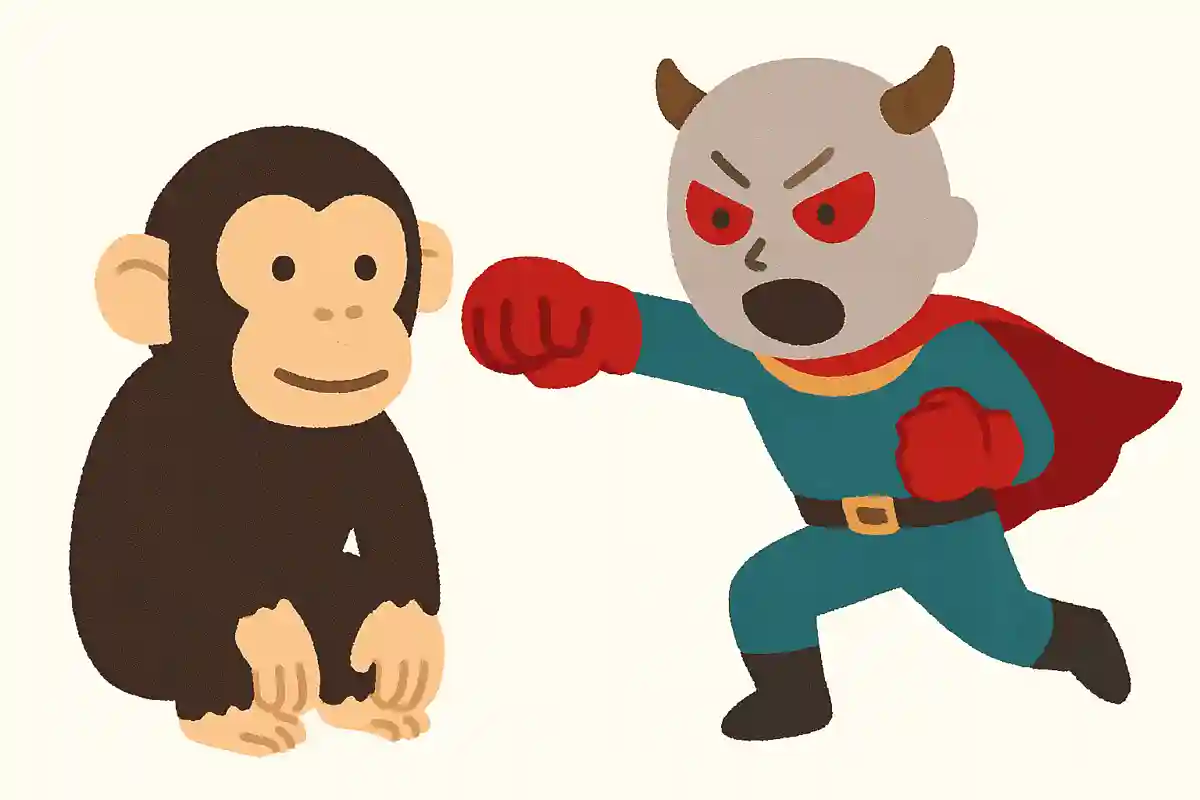
It’s a masterpiece whose charm lies in its wildly imaginative, laugh-out-loud content.
Just picturing “a chimpanzee transforming into the monster Punch?” makes you burst out laughing at the sheer impossibility of it.
For example, imagining a chimp in the jungle raising its fists and rampaging like a superhero or a bizarre villain conjures a surreal, chaotic scene, doesn’t it? The playful fun of palindromes as wordplay, combined with an absurd storyline, makes it irresistibly funny to read and something you’ll want to share with others.
A heap of remote controls
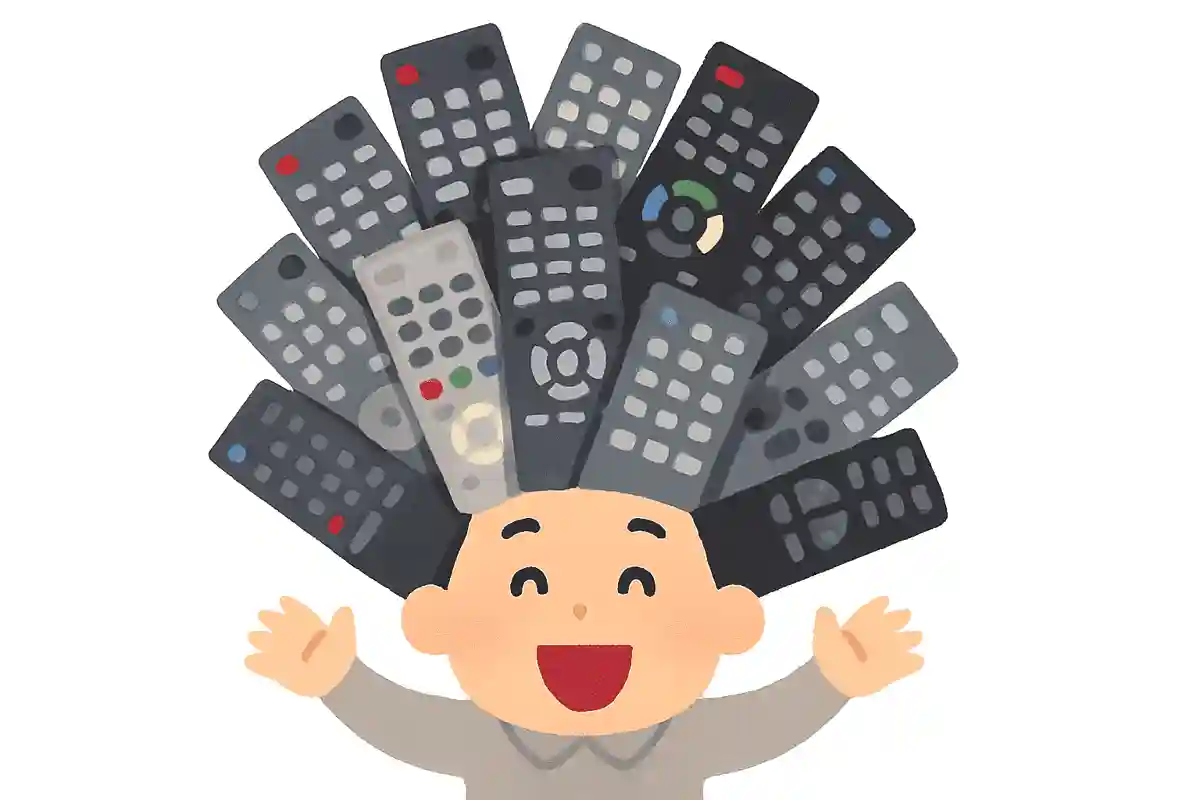
This is a famous palindrome that’s been on heavy rotation across social media and the internet.
It’s often paired with an image of a heap of remote controls placed on a desk.
While eye-catching images these days are often AI-generated, the one I saw was a hand-drawn illustration.
What’s surprising is that it isn’t just a funny picture—it’s composed in a way that feels like something a Surrealist painter might create.
Who on earth is making that image, for what purpose, and with what motivation, I wonder…