

Karaoke songs recommended for men with low voices or who are good at singing in a low register


In recent years, Japan’s music scene has seen an increase in songs with lots of high notes, influenced by K-pop.
As a result, it’s become harder for men with lower voices to find songs that suit them.
So! We’ve selected recommended tracks specifically for men with deep voices.
We also considered how well these songs go over at karaoke, so if you’re planning to go with a group soon, be sure to check them out.
- Even karaoke beginners can relax! Easy-to-sing songs for men
- Karaoke songs where even men with low voices can aim for high scores
- Songs by male artists known for their captivating deep voices. Classic Japanese hits and recommended popular tracks.
- Must-see for men: Songs that look cool if you can sing them at karaoke—numbers that women can’t help but be captivated by.
- [For Men] What Karaoke Songs Make It Easy to Score 100? A Curated List of Easy-to-Sing Tracks
- [Karaoke] A compilation of Vocaloid songs that are easy to sing even for people with low voices
- Karaoke songs that are easy for teenage boys to sing: selections from popular artists
- Easy-to-sing songs recommended for teenage boys with low voices | Songs you can sing even during voice change!
- [2026] Recommended for those who find high notes difficult! Enka by male singers that you can sing in a low register
- A must-see for Gen Z men! Easy-to-sing songs by male artists for karaoke
- Songs Women Want Men to Sing: Popular Karaoke Picks Chosen by Girls
- [For Men] This song is perfect for hyping up the crowd at karaoke!
- No worries if you're tone-deaf! Easy-to-sing J-pop songs for karaoke
Recommended karaoke songs for men with low voices and those good at singing in lower registers (111–120)
No, that’s not it.Suzuki Masayuki

This was Masayuki Suzuki’s 17th single overall, released in January 1994.
When it comes to deep, ruggedly masculine vocals, Suzuki is the quintessential example.
If you’re a low-voiced ‘ikebo’ (handsome voice) singer, this song will let you fully showcase the charm of your tone.
However, the key point of the song is probably the chorus, which sits relatively high.
The challenge is whether you can sing the higher notes without losing that “sweetness” in your voice; that’s crucial to performing it well.
In that sense, it’s a high-difficulty song that demands advanced vocal technique and sensibility.

Hold me tight, all of meKinKi Kids

It’s a song Yoshida wrote specifically as the theme for the Fuji TV music variety show “LOVE LOVE Aishiteru,” which was hosted by KinKi Kids and Takuro Yoshida in 1996.
Since KinKi Kids later released it in 1998 as “Zenbu Dakishimete/Ao no Jidai,” it’s officially classified as a cover.
Be kind to othersTHE BLUE HEARTS

Hito ni Yasashiku, released during THE BLUE HEARTS’ indie era, is a popular rock, up-tempo song.
With its soulful vocals, it’s a great karaoke pick for men with lower voices.
Its uplifting lyrics are also a highlight.

JAMTHE YELLOW MONKEY

A poignant ballad by THE YELLOW MONKEY, who reunited in 2016, featuring memorable lyrics.
It’s a song where you can feel the rock-solid power and soul of Kazuya Yoshii, and it’s a showcase ballad especially recommended for men with lower voices.
A classic you’ll want to sing gently toward the end of a karaoke session.
I’ve always liked you.Saitō Kazuyoshi

Saito Kazuyoshi’s 38th single, released in April 2010.
Since it’s a song by Saito, whose slightly husky voice is part of his charm, you might think it’s fine even with a low voice—but watch out, it can be trickier than it seems.
For some low-voiced singers, the high notes in the chorus could be a stumbling block.
It’s best to check whether you can handle the original key before singing.
Musically, it’s a classic medium-tempo rock ’n’ roll number, so it’s an easy track for anyone to try.
To make it sound cool, try singing slightly behind the beat relative to the backing track.
loveHoshino Gen
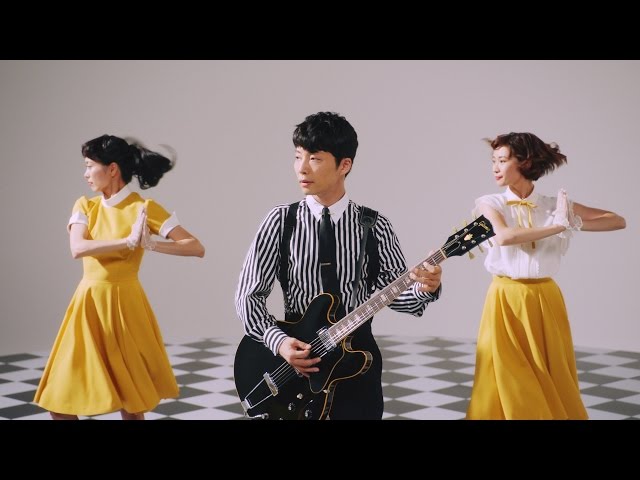
It’s Gen Hoshino’s ninth single overall, released on October 5, 2016.
It also served as the theme song for the TV drama “We Married as a Job!” in which Hoshino himself appeared.
The melody doesn’t focus solely on the lower register, and there’s even a brief moment in the chorus where the highest note is sung in falsetto.
But at this level, I think it’s still plenty singable for low-voiced men.
In fact, the A-melody and similar sections will likely sound even more appealing with a rich low tone, so please give it a try! When you sing it, be sure to keep that light, bouncy groove in mind.
TRUE LOVEFujii Fumiya

A well-known classic by Fumiya Fujii, formerly of The Checkers.
Many of you have probably heard it.
Since it’s a ballad, the tempo is slow, and while there are parts in the chorus that require falsetto, the overall key is relatively low, so it should be easy to sing.