

Fun facts about the Moon. A rapid-fire quiz!

How much do you know about the Moon? In this article, we’ll present fun facts about the Moon in a quiz format—from basic information to celestial events, as well as history and culture related to the Moon.
In the article, you can tap “Show Answer” to reveal the answers, so you can also enjoy it as a trivia quiz.
If you come across a question you don’t know the answer to, take this opportunity to look it up and use it as a chance to deepen your knowledge about the Moon!
- Collection of trivia and fun facts about stars shining in the night sky
- Fun facts about the Moon. A rapid-fire quiz!
- Think you know it, but maybe you don’t? Fun trivia quiz about the Sun!
- September Trivia Quiz & Fun Facts! A Fun Autumn Quiz for Kids
- A collection of trivia and fun facts about space, brimming with dreams and romance
- [Trick Quiz] Quiz Questions That Excite Everyone from Kids to Adults
- Surprisingly unknown? A fun health trivia quiz that will make you want to try it
- Trivia you think you know but surprisingly don’t? August trivia and fun facts quiz!
- Fun October Trivia Quiz & Facts! Exciting Questions for Kids
- [For Seniors] Trivia Multiple-Choice Quiz
- A quiz of fun trivia: bite-sized knowledge that leads to new insights.
- A collection of trivia and fun facts about September as we await autumn
- [For Kids] January Trivia Quiz & Fun Facts: Learn About the New Year in a Fun Way
Trivia about the Moon. A quick-fire quiz! (1–10)
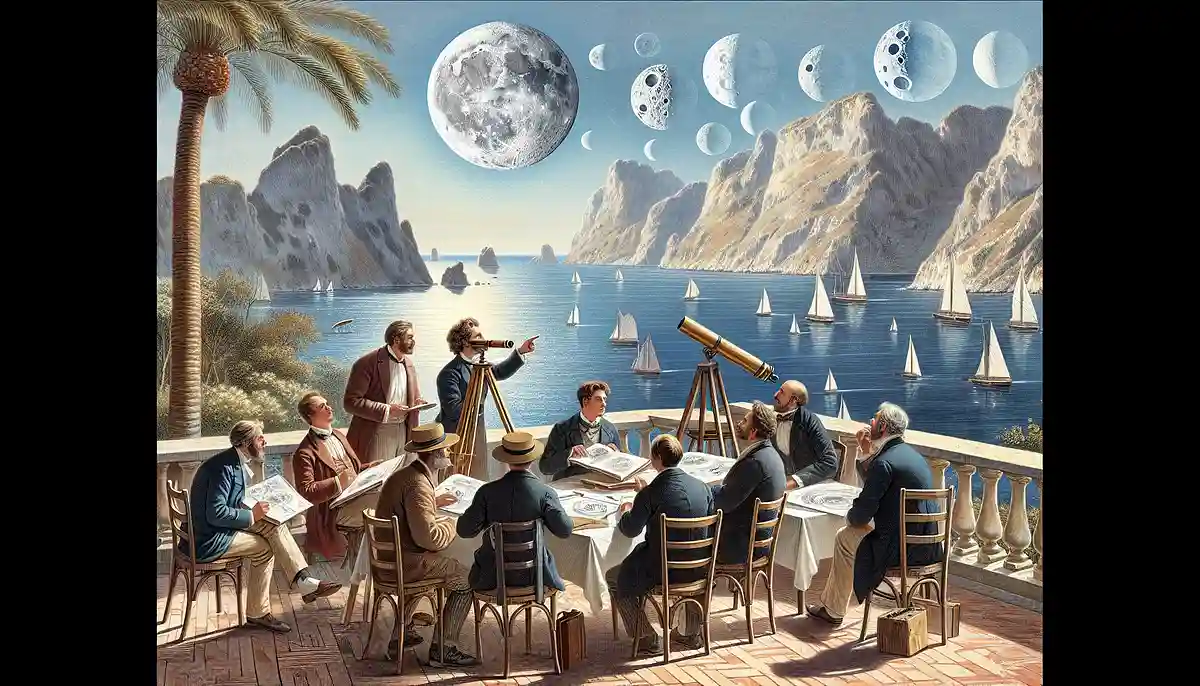
What is the pattern of the Moon’s craters said to resemble in Southern Europe?
- cheesemaker
- Big face
- crab
See the answer
crab
In Japan, it’s said that a rabbit is pounding mochi, but in Southern Europe there’s a tradition of describing the moon’s craters as a crab. People have imagined various shapes in the moon’s patterns throughout history.

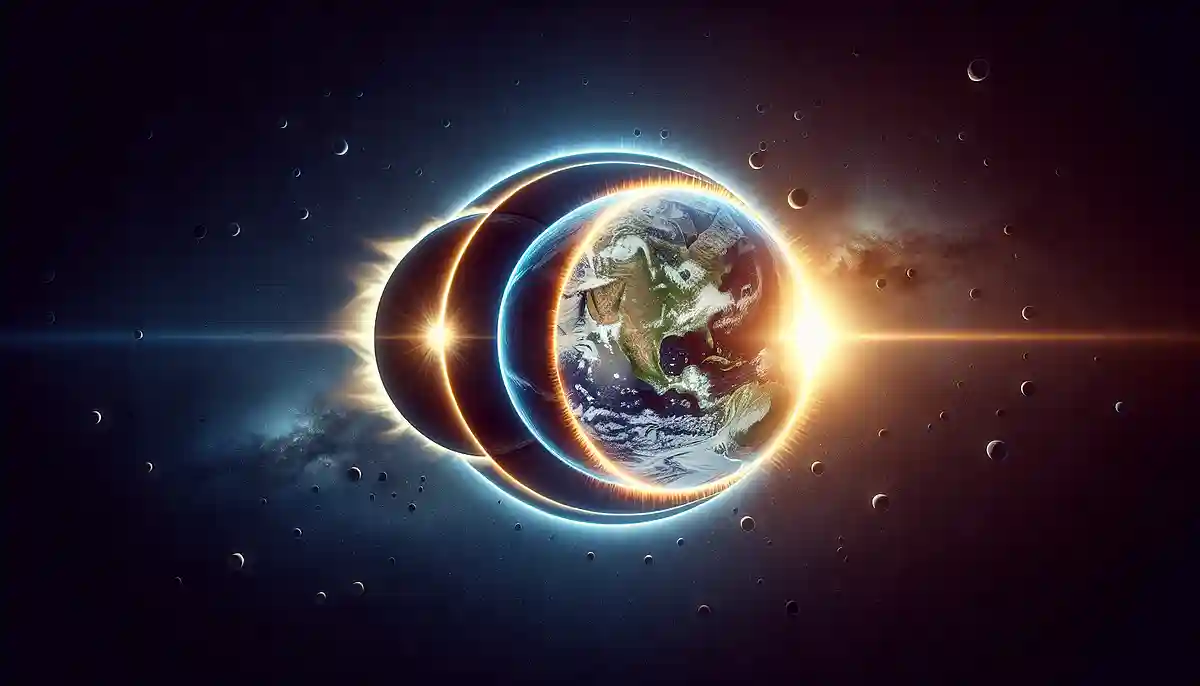
Under what circumstances does a total solar eclipse occur?
- When the moon is completely within Earth’s shadow
- When the Earth is completely within the Moon’s shadow
- When the Earth is completely within the Sun's shadow
See the answer
When the Earth is completely within the Moon’s shadow
A total solar eclipse is an astronomical phenomenon that occurs when, at new moon, the Moon is positioned between the Earth and the Sun and the Earth falls entirely within the Moon’s shadow. At that time, the Moon completely covers the Sun, creating a region called the path of totality where sunlight does not reach the Earth.
What fraction of Earth’s gravity is the Moon’s?
- 1/2
- 1/6
- 1/4
See the answer
1/6
The Moon’s gravity is about one-sixth that of Earth. This means your weight on the lunar surface is roughly one-sixth of your weight on Earth.
Moon trivia. A rapid-fire quiz! (11–20)
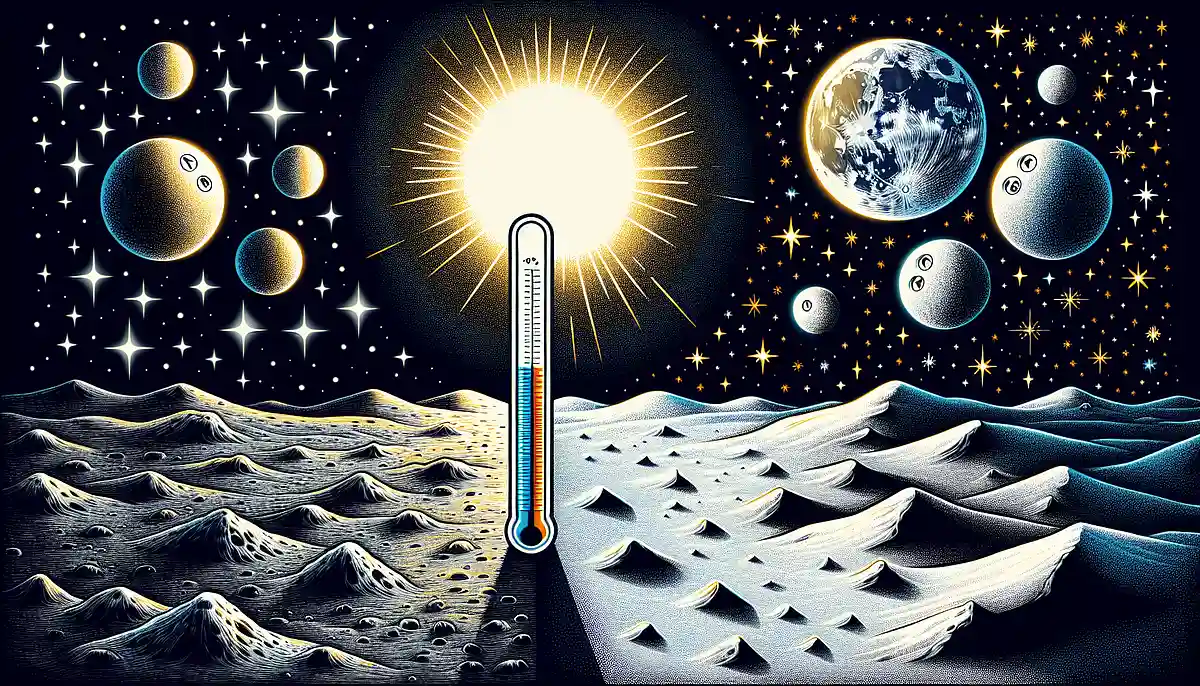
What is the temperature difference between lunar day and night?
- about 150 degrees
- about 300 degrees
- about 450 degrees
See the answer
about 300 degrees
The Moon’s surface temperature reaches about 120°C during the day and drops to around -180°C at night, resulting in a temperature difference of roughly 300°C. Because the Moon has almost no atmosphere to retain heat, such extreme temperature variations occur.
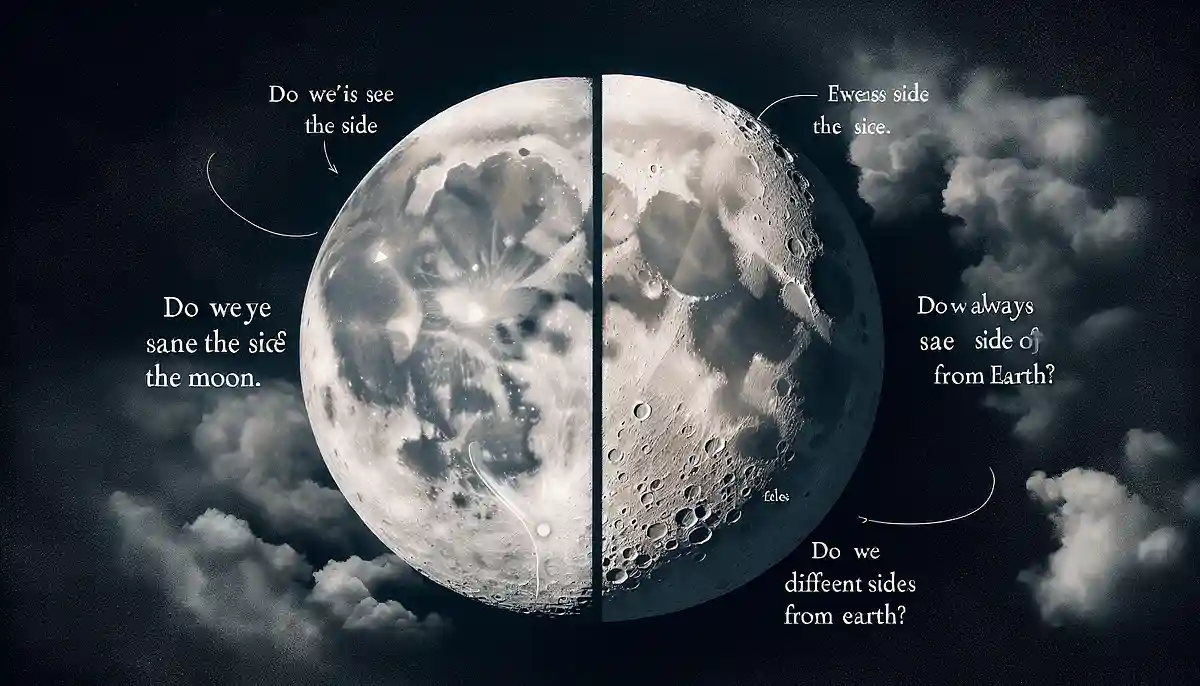
True or false: From Earth, we always see the same side of the Moon.
See the answer
○
The Moon is tidally locked to Earth, and as a result, we can always see the same side of it from Earth. The far side of the Moon can only be seen from spacecraft that travel away from Earth.
What fraction of Earth’s mass is the Moon’s?
- 1/81
- 1/50
- 1/6
See the answer
1/81
The Moon’s mass is about 7.35 × 10^22 kg, and Earth’s mass is about 5.97 × 10^24 kg. From these figures, the Moon’s mass is about 1/81 that of Earth.
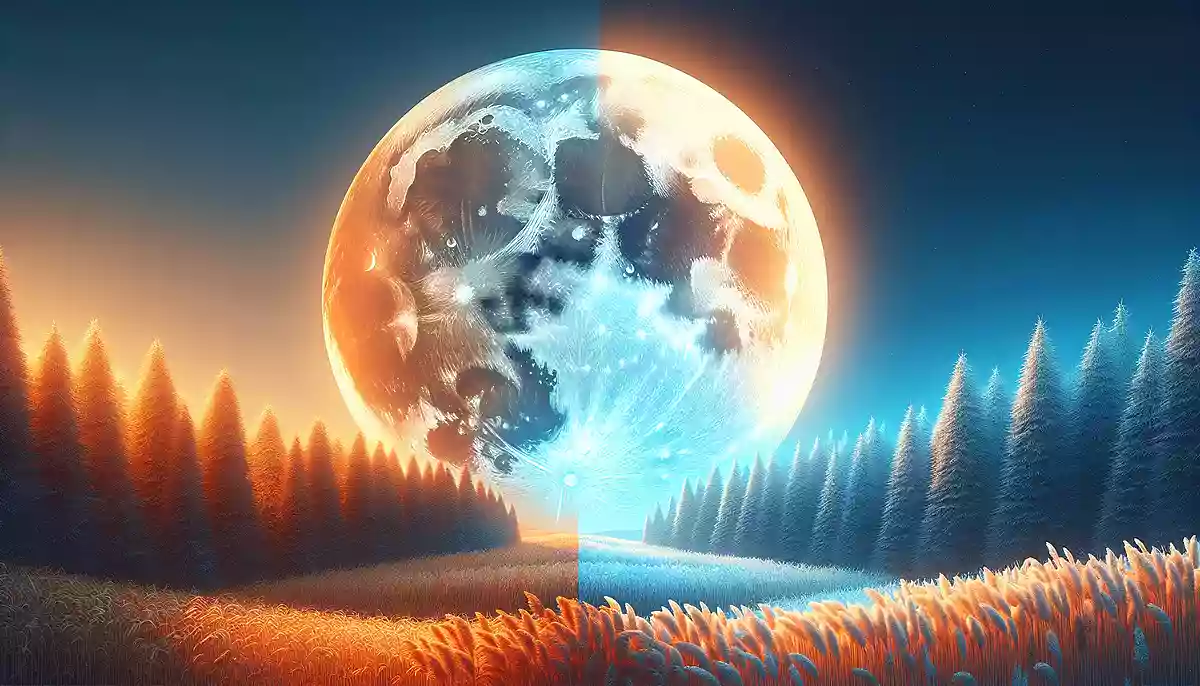
How does the Harvest Moon of the Mid-Autumn Festival differ from full moons in summer or winter?
- Different sizes
- The visible height is different.
- The color is different.
See the answer
The visible height is different.
In summer the full moon rises lower in the sky, while in winter it rises higher. For that reason, the autumn full moon is said to be beautiful because it rises to a height that’s just right—between the two. The spring full moon rises to the same height as in autumn, but because of associations such as harvest festivals, the Mid-Autumn Moon is treated as particularly special among the full moons of the year.