

Fun facts about the Moon. A rapid-fire quiz!

How much do you know about the Moon? In this article, we’ll present fun facts about the Moon in a quiz format—from basic information to celestial events, as well as history and culture related to the Moon.
In the article, you can tap “Show Answer” to reveal the answers, so you can also enjoy it as a trivia quiz.
If you come across a question you don’t know the answer to, take this opportunity to look it up and use it as a chance to deepen your knowledge about the Moon!
- Collection of trivia and fun facts about stars shining in the night sky
- Fun facts about the Moon. A rapid-fire quiz!
- Think you know it, but maybe you don’t? Fun trivia quiz about the Sun!
- September Trivia Quiz & Fun Facts! A Fun Autumn Quiz for Kids
- A collection of trivia and fun facts about space, brimming with dreams and romance
- [Trick Quiz] Quiz Questions That Excite Everyone from Kids to Adults
- Surprisingly unknown? A fun health trivia quiz that will make you want to try it
- Trivia you think you know but surprisingly don’t? August trivia and fun facts quiz!
- Fun October Trivia Quiz & Facts! Exciting Questions for Kids
- [For Seniors] Trivia Multiple-Choice Quiz
- A quiz of fun trivia: bite-sized knowledge that leads to new insights.
- A collection of trivia and fun facts about September as we await autumn
- [For Kids] January Trivia Quiz & Fun Facts: Learn About the New Year in a Fun Way
Moon trivia. A rapid-fire quiz! (11–20)
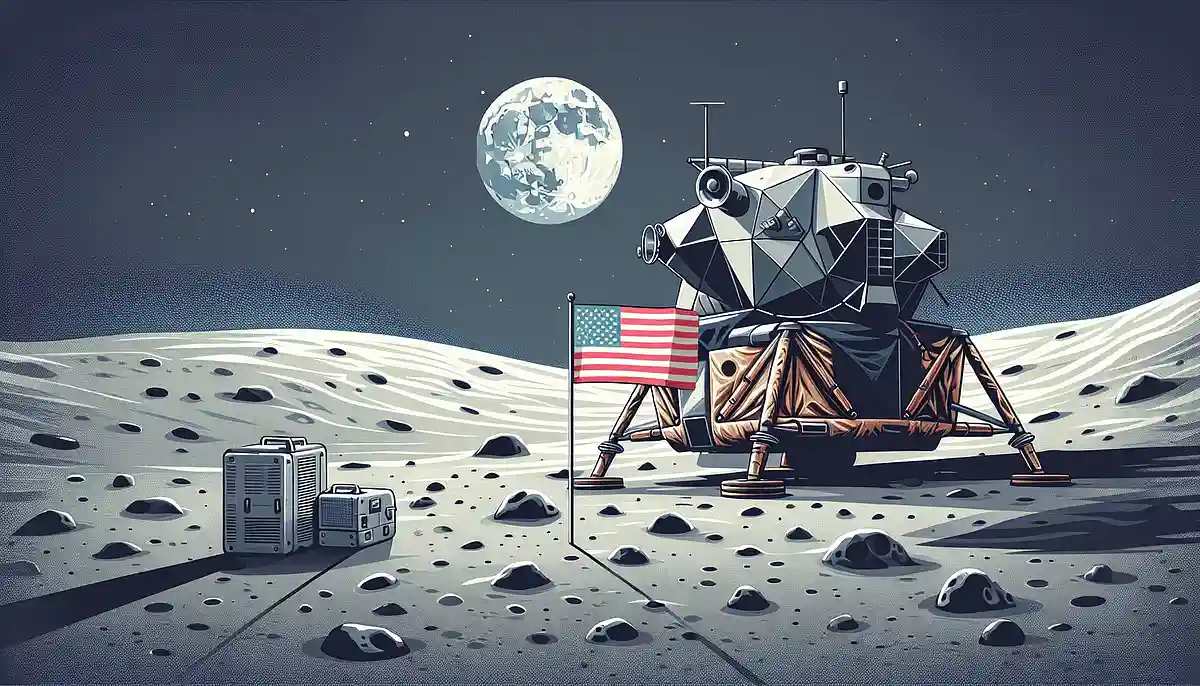
Which Apollo mission was the first to land on the Moon?
- Apollo 10
- Apollo 11
- Apollo 12
See the answer
Apollo 11
Apollo 11 was the mission in which Commander Neil Armstrong and Lunar Module Pilot Edwin “Buzz” Aldrin landed on the Moon on July 20, 1969. The phrase “That’s one small step for man, one giant leap for mankind” is famous as Neil Armstrong’s words at that moment. Apollo 10 once entered lunar orbit but did not land, and Apollo 12 was the subsequent Moon-landing mission.

In conclusion
I presented trivia about the Moon in the form of a quiz. The questions ranged from basic information about the Moon to those related to celestial events, as well as topics involving history and culture. If there were any questions you couldn’t answer, please take the opportunity to look them up!