


How much do you know about the Moon? In this article, we’ll present fun facts about the Moon in a quiz format—from basic information to celestial events, as well as history and culture related to the Moon.
In the article, you can tap “Show Answer” to reveal the answers, so you can also enjoy it as a trivia quiz.
If you come across a question you don’t know the answer to, take this opportunity to look it up and use it as a chance to deepen your knowledge about the Moon!
- Collection of trivia and fun facts about stars shining in the night sky
- Fun facts about the Moon. A rapid-fire quiz!
- Think you know it, but maybe you don’t? Fun trivia quiz about the Sun!
- September Trivia Quiz & Fun Facts! A Fun Autumn Quiz for Kids
- A collection of trivia and fun facts about space, brimming with dreams and romance
- [Trick Quiz] Quiz Questions That Excite Everyone from Kids to Adults
- Surprisingly unknown? A fun health trivia quiz that will make you want to try it
- Trivia you think you know but surprisingly don’t? August trivia and fun facts quiz!
- Fun October Trivia Quiz & Facts! Exciting Questions for Kids
- [For Seniors] Trivia Multiple-Choice Quiz
- A quiz of fun trivia: bite-sized knowledge that leads to new insights.
- A collection of trivia and fun facts about September as we await autumn
- [For Kids] January Trivia Quiz & Fun Facts: Learn About the New Year in a Fun Way
Trivia about the Moon. A quick-fire quiz! (1–10)
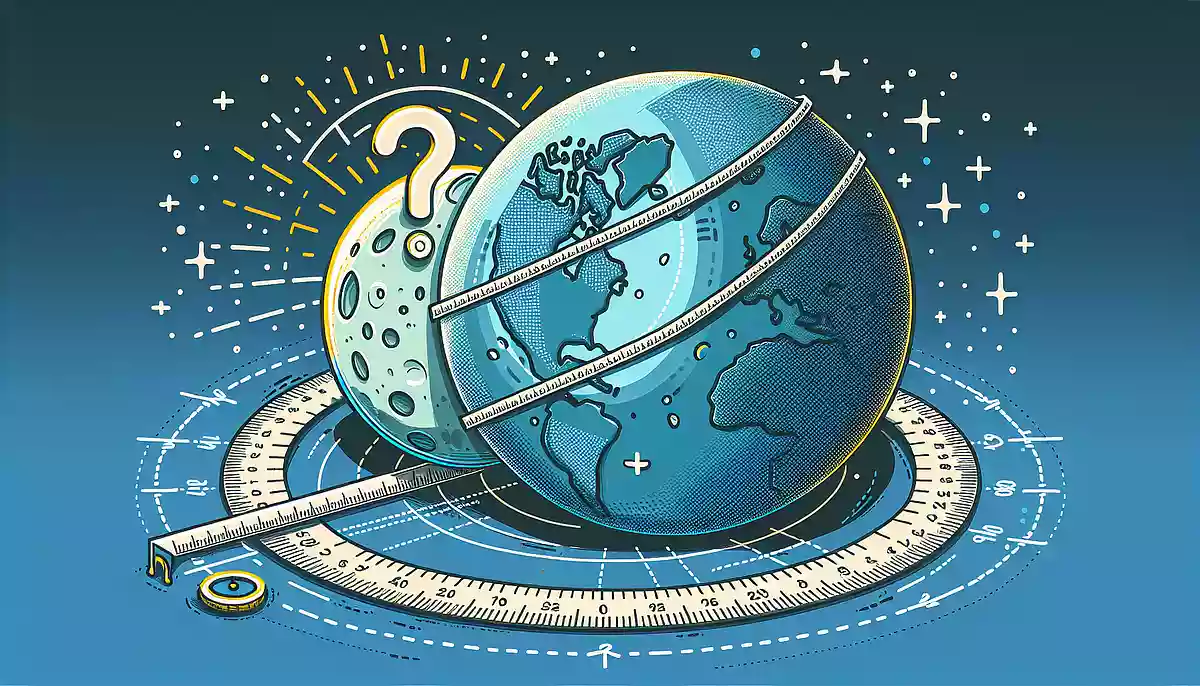
In fact, the Moon is gradually moving away from the Earth, but by how many centimeters per year is it receding?
- 2.5 cm
- 3.8 cm
- 4.5 cm
See the answer
3.8 cm
It has been confirmed that the Moon is moving away from the Earth at a rate of about 3.8 cm per year. This is due to changes arising over long periods from the tidal interactions between the Moon and the Earth, and over billions of years the Moon will retreat a considerable distance from the Earth.

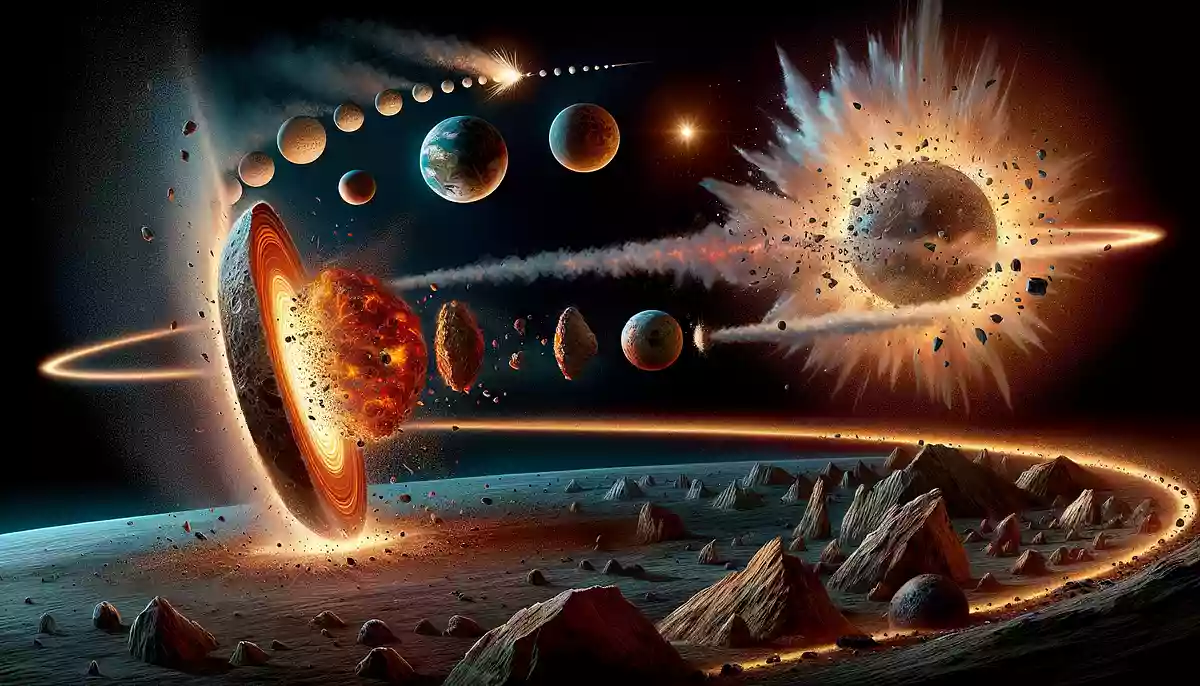
Which hypothesis has been proposed to explain the Moon’s origin?
- Capture theory
- expansion theory
- Giant Impact hypothesis
See the answer
Giant Impact hypothesis
Regarding the Moon’s origin, the most widely supported idea today is the Giant Impact hypothesis. According to this hypothesis, the Moon formed as a result of a Mars-sized body colliding with the young Earth. Other proposed ideas include the fission hypothesis, the co-formation (sibling) hypothesis, and the capture hypothesis.
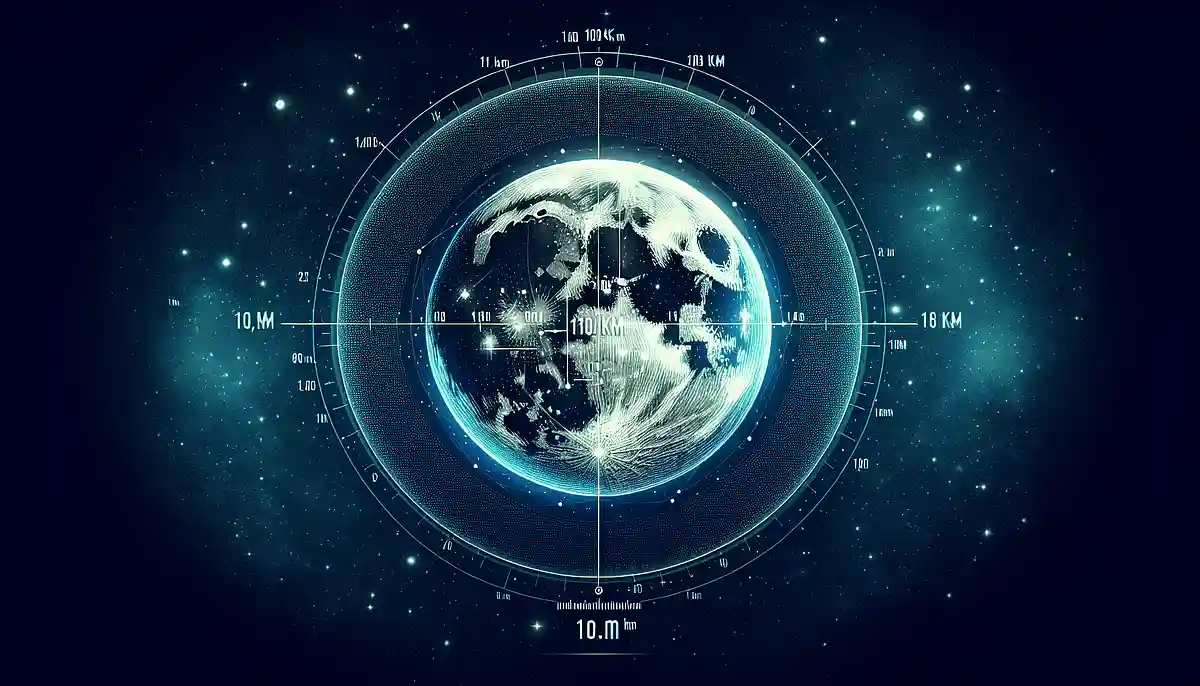
How many kilometers is the Moon’s diameter?
- 1,738 km
- 3,474 km
- 12,742 km
See the answer
3,474 km
The Moon’s diameter is about 3,474 km. This is roughly one quarter of Earth’s diameter, and considering that Earth’s diameter is about 12,742 km, we can see that it’s quite small.
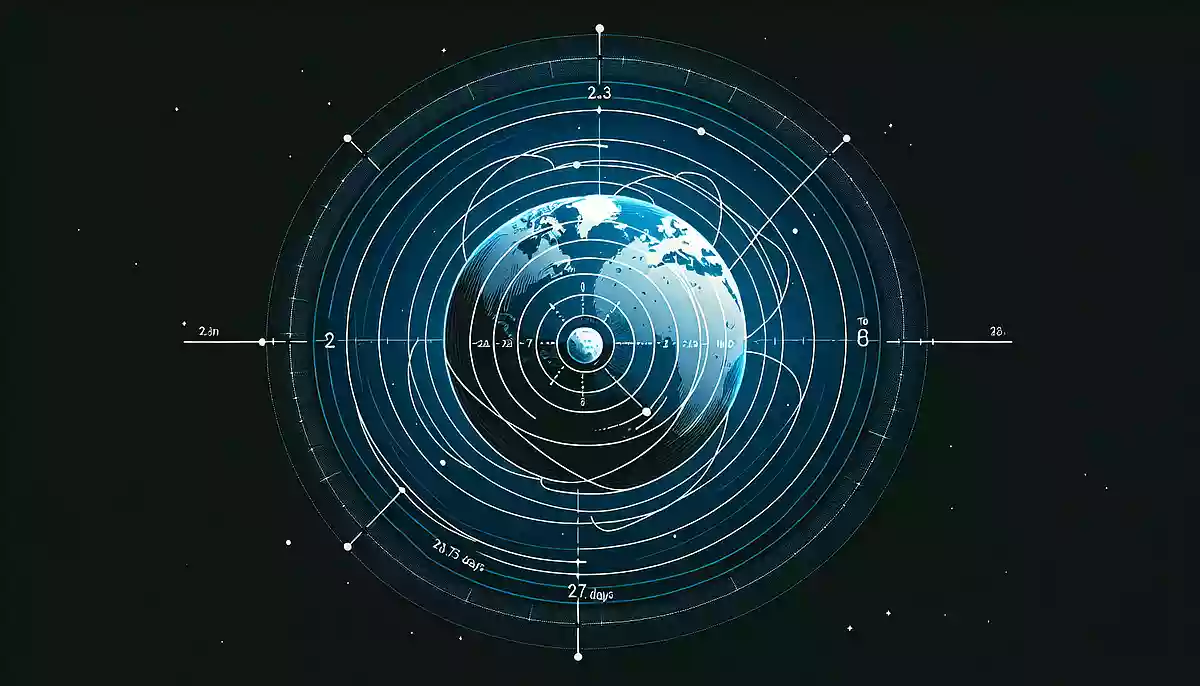
How long does it take the Moon to make one full orbit around the Earth?
- about 7 days
- about 14 days
- about 28 days
See the answer
about 28 days
The period it takes for the Moon to make one orbit around the Earth is about 27.3 days. However, because the Earth is also orbiting the Sun, the synodic period, which represents the phases of the Moon, is about 29.5 days.
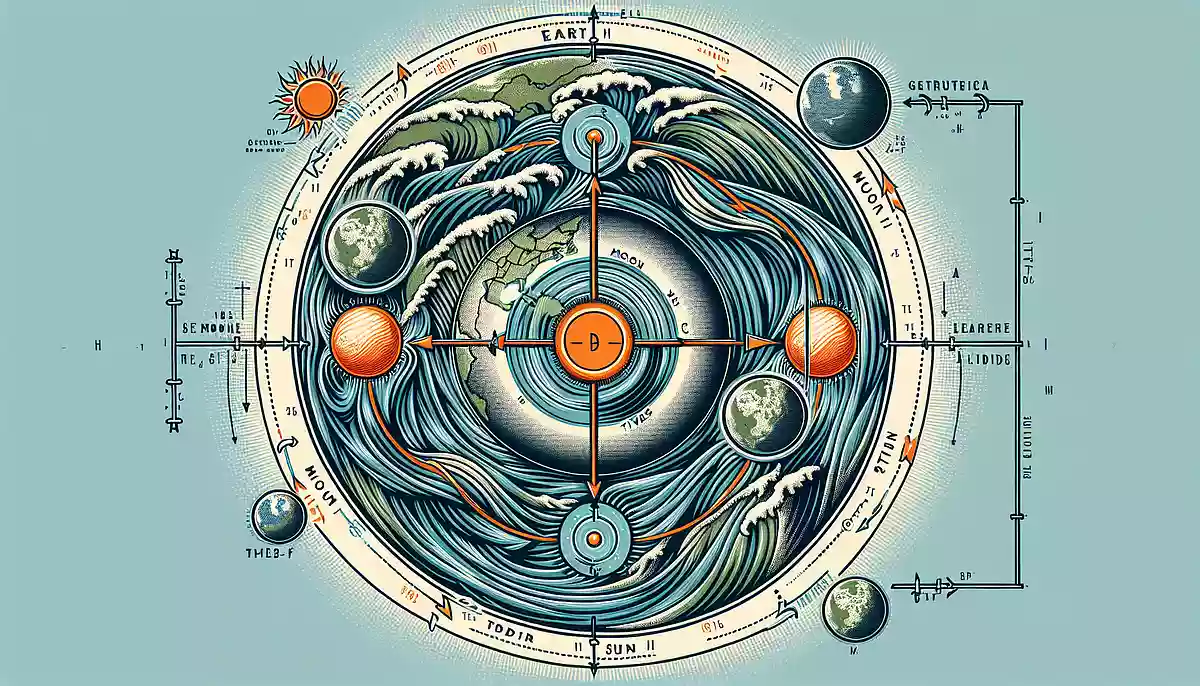
What about the Moon causes the tides on Earth?
- gravity
- Electromagnetic force
- Moonlight
See the answer
gravity
The tides on Earth are caused by the Moon’s gravity. The Moon and Earth attract each other gravitationally, and this pull on seawater produces the tides on Earth. In particular, when the Moon is at its closest point to Earth, the gravitational effect increases, causing larger high (and low) tides. This is called tidal force.
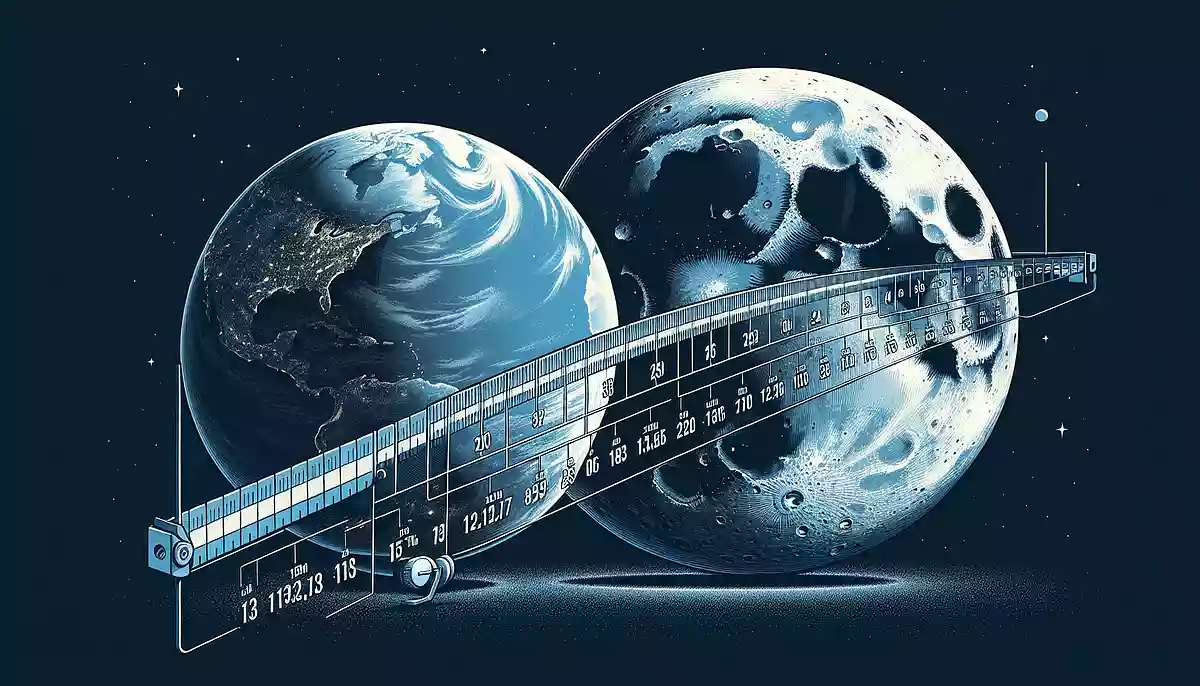
How far apart are the Moon and the Earth?
- About 380,000 kilometers
- about 1.5 million kilometers
- about 580,000 kilometers
See the answer
About 380,000 kilometers
The distance between the Moon and the Earth is about 380,000 kilometers. However, since the Moon orbits the Earth in an elliptical path, it is about 406,000 kilometers at its farthest and about 364,000 kilometers at its closest, with an average distance of approximately 380,000 kilometers.
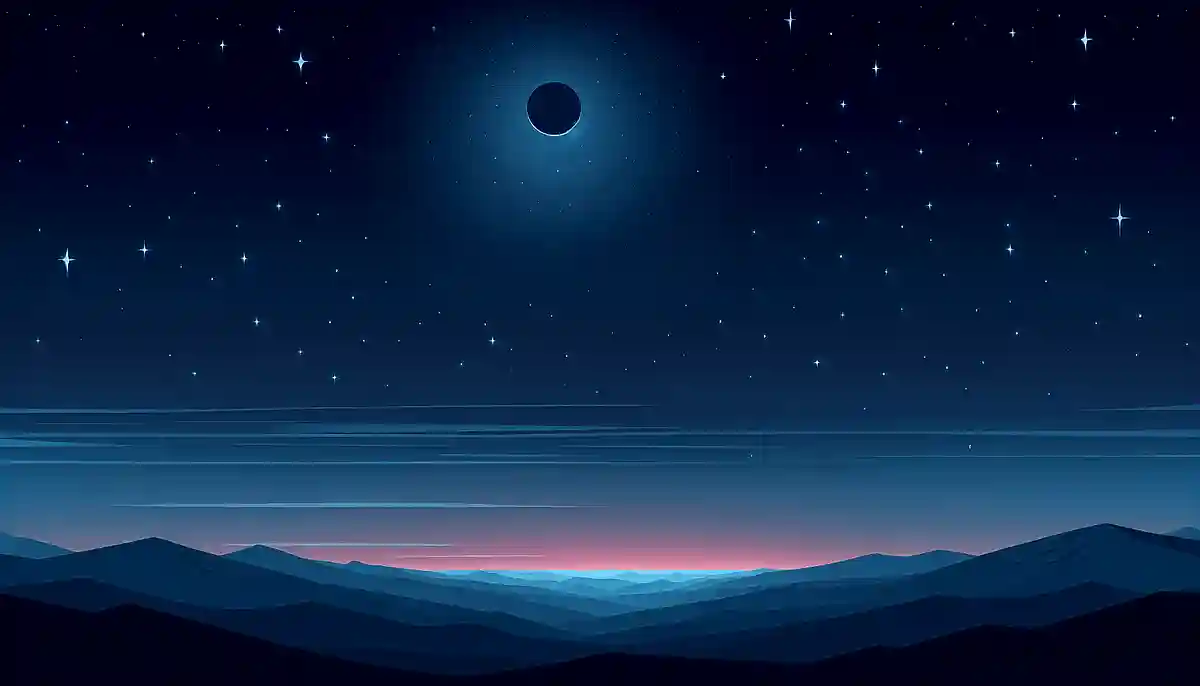
Where is the Moon located during the new moon?
- the opposite side of the Sun as seen from Earth
- Directly opposite the Sun as seen from Earth
- 90 degrees to the left from Earth toward the Sun
See the answer
Directly opposite the Sun as seen from Earth
At new moon, the Moon is positioned directly between the Earth and the Sun from our point of view. In other words, the Moon lies in the same direction as the Sun as seen from Earth, and the side of the Moon facing Earth receives no sunlight, making it invisible to us. For reference, the configuration opposite the Sun as seen from Earth occurs at full moon.