

Famous opera masterpieces | Featuring many great opera singers

Opera is fairly familiar in Japan, even being included in school textbooks.
Still, many people may recognize the melodies without knowing much about the famous opera pieces themselves.
For those readers, we’ve selected a number of renowned opera masterpieces.
In addition to introducing the works, we explain them from various angles—the background of their creation, the appeal of the opera singers performing them, and more—so both regular opera listeners and those less familiar with opera can enjoy the content.
Please take your time and enjoy it to the very end.
- Famous pieces recommended for opera beginners. Recommended opera songs.
- [Masterpiece Classics] A special showcase of gem-like masterpieces so beautiful they’ll move you to tears
- [Baroque Music] A Curated Selection of Timeless Masterpieces and Famous Works
- [Orchestra] Introducing famous and popular pieces
- Cello Masterpieces: A comprehensive introduction to exquisite classical works that let you savor its profound timbre
- Masterpieces of the bolero. Recommended popular pieces in bolero form and outstanding performances.
- Mozart: An Introduction to His Signature and Popular Works
- Oskar Merikanto Popular Song Rankings [2026]
- [Unrequited Love] Heart-wrenching Love Songs | A Roundup of Tear-Inducing Crush and Breakup Tracks
- Debussy’s masterpiece. Popular classical music.
- Vivaldi’s masterpiece. Popular classical music.
- [Christmas] Classical music to listen to at Christmas: recommended sacred Christmas songs
- Masterpieces of the Romantic Era: A sweeping introduction to soul-stirring, celebrated gems!
Famous Opera Masterpieces | Featuring Many Great Opera Singers (101–110)
I Gioielli della Madonna Intermezzo ~’The Jewels of the Madonna’ – Intermezzo~Ermanno Wolf-Ferrari

Born in 1876, this is the Intermezzo from the tragedy I gioielli della Madonna by the Italian composer Ermanno Wolf-Ferrari.
This piece is the first intermezzo, performed before Act II, and it is the most renowned work among Ermanno Wolf-Ferrari’s compositions.
Dialogues des Carmélites de Poulenc – Les grands moments – Atelier d’opéra UdeMFrancis Poulenc

Born in 1899, the French composer Francis Poulenc wrote the opera Dialogues of the Carmelites.
The opera is based on a true story about sixteen Carmelite nuns who were executed in 1794.
When it was staged in Paris and elsewhere, it quickly met with great acclaim.
Anja Silja – Janacek – Vec Makropoulos – Final part 1.wmvLeoš Janaček

This is Makropulos, the eighth opera by composer Janáček, based on the play The Makropulos Affair.
After seeing the stage play Makropulos, Janáček was determined to adapt it into an opera.
Although considered challenging due to its extensive dialogue, it became an excellent opera that combines passion with serenity.
O god of love, grant us peace.Maria Callas

From Mozart’s The Marriage of Figaro, the Countess’s aria in Act II.
Sung by a lyric soprano, this aria is above all remarkable for its beautiful melody.
Particularly noteworthy is the introduction; Mozart’s rich harmonic writing is astonishing.
It’s also interesting that the story continues from The Barber of Seville.
Overture to the opera “The Merry Wives of Windsor”Otto Nicolai
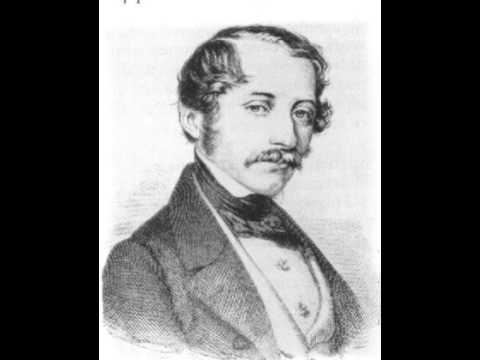
This is the Overture from the opera The Merry Wives of Windsor by Otto Nicolai, a German composer and conductor born in 1810.
The three-act opera was composed by Otto Nicolai, the founder and first conductor of the Vienna Philharmonic.
The overture, which skillfully weaves together melodies from the opera, is very popular and is often performed as a standalone piece.
Famous Opera Masterpieces | Featuring Many Great Opera Singers (111–120)
Tchaikovsky: Polonaise from the opera Eugene Onegin, Op. 24Pyotr Tchaikovsky

Polonaise, Op.
24 from the opera Eugene Onegin by Russian composer Pyotr Tchaikovsky, born in 1840.
Tchaikovsky wrote a total of ten operas, and this is the one performed most frequently among them.
my fatherRenée Fleming

From Puccini’s Gianni Schicchi, Lauretta’s aria.
It’s often titled in Japanese as “My Father,” but a more literal translation is “Oh, my dear daddy,” which has a subtly different meaning.
That’s because she’s sweetly pleading with him to allow her to marry her beloved.