

Rachmaninoff’s masterpieces. Recommended pieces by Rachmaninoff.

Sergei Rachmaninoff is one of the composers who represent Russia.
Although his talent was recognized by fellow Russian composer Tchaikovsky, Rachmaninoff once experienced a setback in his musical career.
Perhaps because his works were born from that state of mind and environment, they resonate with people today as well—their wistful, fleeting, and at times passionate style captivates everyone who listens.
This time, I’ve selected pieces ranging from symphonies performed by orchestra to vocal works and piano pieces.
Even when you hear a piece you don’t know, you might find yourself thinking, “Ah, this is Rachmaninoff.”
Please give them a listen.
- [Ultra-Advanced] Even challenging for advanced players! A curated selection of highly difficult piano pieces
- [Beginner-Friendly] Rachmaninoff’s Piano Pieces | A Curated Selection of Accessible Works!
- Sibelius’s famous piece. Popular classical music.
- [Advanced] Super cool if you can play it! Selection of famous piano pieces
- For Advanced Players: Showstopping Classics to Play at a Piano Recital
- [Masterpiece Classics] A special showcase of gem-like masterpieces so beautiful they’ll move you to tears
- Robert Schumann | Introduction to his famous and representative works
- Masterpieces of the bolero. Recommended popular pieces in bolero form and outstanding performances.
- [Violin] A curated selection of beloved classic masterpieces and popular pieces that continue to be cherished across eras
- Piano Masterpieces: Surprisingly Easy Despite Sounding Difficult!? A Curated Selection Perfect for Recitals
- [Orchestra] Introducing famous and popular pieces
- Recommended for advanced players: Classical masterpieces to challenge at a piano recital
- A masterpiece by Alexander Borodin. Popular classical music.
Rachmaninoff’s masterpieces. Recommended Rachmaninoff pieces (71–80)
Salon Pieces Op. 10 No. 2: WaltzSergei Rachmaninov

Composed between 1893 and 1894, the Salon Pieces, Op.
10 is a collection of piano miniatures imbued with an elegant and refined atmosphere.
While many may associate Sergei Rachmaninoff’s works with a certain complexity, No.
2, “Waltz,” captivates with its clear, accessible character steeped in Romantic charm.
You can also enjoy the occasional Rachmaninoff-like harmonies that peek through, making it an excellent choice for those tackling his music for the first time.

Salon Pieces, Op. 10: No. 3, BarcarolleSergei Rachmaninov

The third piece from the collection Salon Pieces, Op.
10, which comprises seven short works of differing character.
While there are many famous Barcarolles by various composers—such as Frédéric Chopin and Pyotr Ilyich Tchaikovsky—Sergei Rachmaninoff’s Barcarolle stands apart: it is weighty, as though navigating through a storm.
The passages that seem to depict the swell of waves both large and small leave a strong impression.
It could be interesting to compare listening or performance experiences with other barcarolles.
Cello Sonata in G minor, Op. 19Sergei Rachmaninov

Sergei Rachmaninoff’s Cello Sonata in G minor, Op.
19.
Composed in 1901, this four-movement sonata for cello and piano assigns a major role to the piano.
The premiere took place in Moscow, Russia, in November 1901, with cellist Anatoliy Brandukov performing on cello and the composer himself at the piano.
Rhapsody on a Theme of PaganiniSergei Rachmaninov
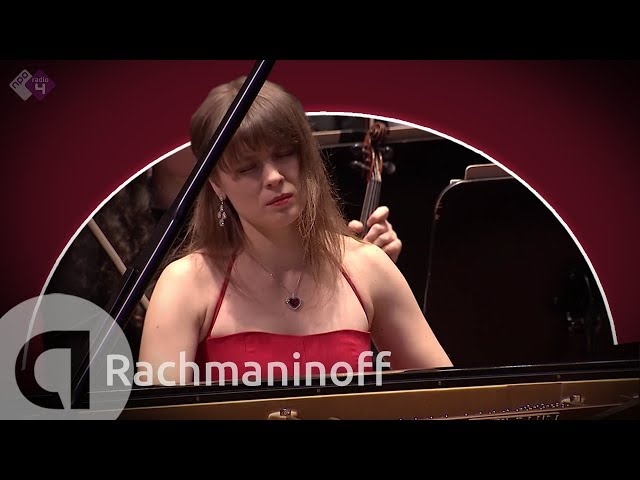
A masterpiece by Sergei Rachmaninoff, a leading composer of the Russian Romantic era.
Based on a famous work by Niccolò Paganini, it was written for piano and orchestra.
Premiered in November 1934, it consists of 24 variations.
Especially striking is the 18th variation, where Rachmaninoff presents a beautifully melancholic melody by inverting Paganini’s theme—a quintessential touch of his style.
In Japan, it’s often used as background music, so many people may recognize the melody even if they don’t know the piece by name.
Rachmaninoff himself reportedly said, “This is for the agent,” reflecting its popularity.
The medieval chant Dies Irae is also woven into the work, lending it a mystical atmosphere throughout.
With its dramatic development and brilliant virtuosity, this piece is a superb fusion—be sure to give it a listen!
Rhapsody on a Theme of Paganini, Variation 18: Andante cantabileSergei Rachmaninov

Composed by Sergei Rachmaninoff, this piece is one of his most beloved for its soothing melody.
The beautiful interplay between piano and orchestra has captivated countless listeners.
Premiered in November 1934, it has since been featured in films and commercials, gaining popularity across a wide audience.
It’s also a favorite choice for wedding ceremonies and receptions, perfectly suited to creating an elegant and moving atmosphere.
The calm, graceful melody seems to bless the happy couple as they embark on their new life together.
Please enjoy this heartwarming piece that accompanies cherished memories with your loved one.
Piano Concerto No. 2 in C minor, Op. 18Sergei Rachmaninov

If you’re looking to tackle a duet not only with a brilliant atmosphere but also with a heavy, cool character, Rachmaninoff’s Piano Concerto No.
2 in C minor, Op.
18 is highly recommended.
This masterpiece by Sergei Rachmaninoff is frequently used in figure skating, so many of you may find it familiar.
It features many chords spanning an octave or more and includes rapid passages, making it challenging for beginners.
However, it’s also an exceptionally dazzling and stylish work, so be sure to check it out.

Piano Concerto No. 2 in C minor, Op. 18, Movement ISergei Rachmaninov
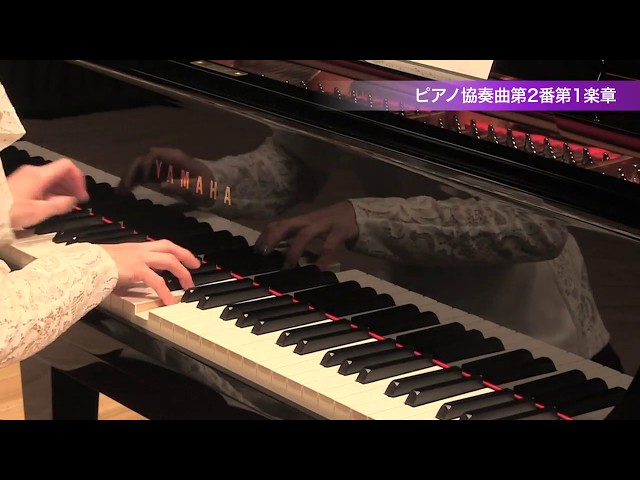
Sergei Rachmaninoff’s Piano Concerto No.
2 in C minor, Op.
18 is a signature piano work frequently heard in a variety of contexts, such as figure skating programs and as insert music in television and film.
Although it is known as an extremely difficult piece, its popularity has led to many published arrangements, so beginners and intermediate pianists can readily try it by choosing a score that suits their level.
In the first movement, the opening section can be performed as written in the original—so give it a try and enjoy playing as if you were performing with an orchestra.