

Rachmaninoff’s masterpieces. Recommended pieces by Rachmaninoff.

Sergei Rachmaninoff is one of the composers who represent Russia.
Although his talent was recognized by fellow Russian composer Tchaikovsky, Rachmaninoff once experienced a setback in his musical career.
Perhaps because his works were born from that state of mind and environment, they resonate with people today as well—their wistful, fleeting, and at times passionate style captivates everyone who listens.
This time, I’ve selected pieces ranging from symphonies performed by orchestra to vocal works and piano pieces.
Even when you hear a piece you don’t know, you might find yourself thinking, “Ah, this is Rachmaninoff.”
Please give them a listen.
- [Ultra-Advanced] Even challenging for advanced players! A curated selection of highly difficult piano pieces
- [Beginner-Friendly] Rachmaninoff’s Piano Pieces | A Curated Selection of Accessible Works!
- Sibelius’s famous piece. Popular classical music.
- [Advanced] Super cool if you can play it! Selection of famous piano pieces
- For Advanced Players: Showstopping Classics to Play at a Piano Recital
- [Masterpiece Classics] A special showcase of gem-like masterpieces so beautiful they’ll move you to tears
- Robert Schumann | Introduction to his famous and representative works
- Masterpieces of the bolero. Recommended popular pieces in bolero form and outstanding performances.
- [Violin] A curated selection of beloved classic masterpieces and popular pieces that continue to be cherished across eras
- Piano Masterpieces: Surprisingly Easy Despite Sounding Difficult!? A Curated Selection Perfect for Recitals
- [Orchestra] Introducing famous and popular pieces
- [For Advanced Players] A Curated Selection of Classical Masterpieces to Tackle at Piano Recitals
- A masterpiece by Alexander Borodin. Popular classical music.
Rachmaninoff masterpieces. Recommended Rachmaninoff pieces (31–40)
Symphony No. 2 in E minor, Op. 27 – Movement IIISergei Rachmaninov

Premiered in 1908 under Rachmaninoff’s own baton, this work inherits the traditions of the Russian Romantic school while weaving uniquely beautiful melodies that leave a strong impression.
Though best known for his piano concertos, the composer also displayed exceptional talent in the symphonic realm.
The melody of the third movement is especially popular—so much so that solo piano arrangements have been published.
Part of the appeal is the enjoyment of expressing the orchestra’s grand sonorities on a single piano.
It is a highly recommended piece for anyone wishing to experience the profound depth of classical music.
Fantasiestücke, Op. 3 No. 1: ElegySergei Rachmaninov

A piece included as the first number in Sergei Rachmaninoff’s Fantaisie-Impromptus, Op.
3, completed in 1892.
Rachmaninoff composed it right after graduating from the Moscow Conservatory, and you can sense a glimpse of his emerging genius.
It is often performed at a gentle tempo and is not technically difficult, but it demands expressive nuance.
By being mindful of the balance between the bass and the melody and infusing each note with care, you can bring out the work’s appeal.
It is a recommended piece for those who wish to savor a quiet, introspective atmosphere.
From “Fantasy Miniatures,” No. 1: ElegySergei Rachmaninov
Sergei Rachmaninoff, the world-renowned composer and pianist born in Russia, wrote many works whose melodies are not only beautiful but steeped in sorrow.
There are countless Rachmaninoff pieces suitable for introduction in this article, but the one featured here is the first piece, “Élégie,” from his 1892 solo piano set Morceaux de fantaisie.
While the second piece, “Prelude,” may be more famous, the beauty and poignancy of the melody in “Élégie” are equally remarkable.
Centered on left-hand arpeggiated figures, the music unfolds with a flowing, melancholic grace that is truly gorgeous.
To think that Rachmaninoff completed such a work at the young age of 19—his talent can only be described as astonishing.

13 Preludes, Op. 32 No. 5 in G majorSergei Rachmaninov

Sergei Rachmaninoff’s 13 Preludes, Op.
32, completed in 1910.
Despite his extremely busy performance schedule, it is said that he composed this set over a short period during a calm interval.
No.
5 in G major is a delicate piece in which a gentle melody overlays a left-hand accompaniment that, though in a major key, imparts a certain sense of instability.
When practicing, focus on sound quality: align the evenness of long trills and rapidly moving passages, and aim for clarity without muddiness.

Suite No. 2 for Two Pianos “Tarantella”Sergei Rachmaninov

It’s a cool yet passionate piece that combines strength and richness while constantly shimmering with Rachmaninoff’s signature sparkle.
You’ll be captivated from the very beginning.
After the failed premiere of his Symphony No.
1, Rachmaninoff fell into a slump and went through a period where he couldn’t compose.
This piece dates from the time when he was beginning to recover.
Rachmaninoff’s masterpieces. Recommended Rachmaninoff pieces (41–50)
Song Collection of 14, No. 14: VocaliseSergei Rachmaninov
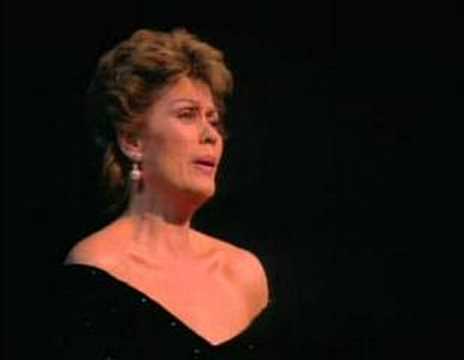
Vocalise is a singing technique used mainly for vocal exercises, in which one sings only vowels such as “ah,” and this Rachmaninoff piece also has no lyrics.
It was originally written for solo voice and piano accompaniment, but the composer later created an orchestral version himself.
There are many arrangements, including a solo piano version and duet versions for a solo instrument such as cello or violin with piano accompaniment.
In arranged versions, the piece is often transposed to E minor.
Variation 18 from Rhapsody on a Theme of Paganini for Piano and OrchestraSergei Rachmaninov

It’s a masterpiece composed for piano and orchestra.
Based on Niccolò Paganini’s 24 Caprices, it unfolds in 24 variations.
In particular, the 18th variation is a highly popular piece that captivates many listeners with its graceful, enchanting melody and harmony.
Rachmaninoff completed the work in just seven weeks during the summer of 1934 at his home in Switzerland.
It premiered in November 1934 with the Philadelphia Orchestra, and it’s said he drank crème de menthe before the performance to calm his nerves.
This piece is recommended for those who want to play gently yet romantically, while consciously bringing out the melodic line within the chords.