

Ranking of popular classical pieces

Timeless classical masterpieces composed hundreds of years ago are still loved today.
We encounter them in many moments of our everyday lives, don’t we?
If you’re a classical music fan, you might go to hear orchestral performances; and if you play the piano or violin, there’s a good chance you’ve performed some of these pieces yourself.
We’ll introduce these classical masterpieces—arguably a genre listened to and cherished around the world like no other—in a ranking format!
It’s a ranking packed with masterpieces that we hope not only beginners to classical music but also dedicated fans will enjoy.
- [Masterpiece Classics] A special showcase of gem-like masterpieces so beautiful they’ll move you to tears
- [Orchestra] Introducing famous and popular pieces
- Cool classical masterpieces. Recommended classical music.
- Classical masterpieces. Recommended classical music.
- [Classical] Introducing Recommended Moving/Touching Pieces
- Timelessly beautiful classical masterpieces. Recommended classical music.
- Classical piano masterpieces: legendary performances from around the world you should hear at least once
- Taro Hakase’s famous and popular songs
- Ludwig van Beethoven Popular Songs Ranking [2026]
- Franz Liszt Popular Song Ranking [2026]
- Pick up Beethoven’s famous and representative works!
- Pyotr Tchaikovsky Popular Song Rankings [2026]
- [Classical] A comprehensive introduction to famous love pieces: recommended popular works
Ranking of Popular Classical Pieces (71–80)
Introduction from the symphonic poem “Also sprach Zarathustra”Richard Strauss71rank/position
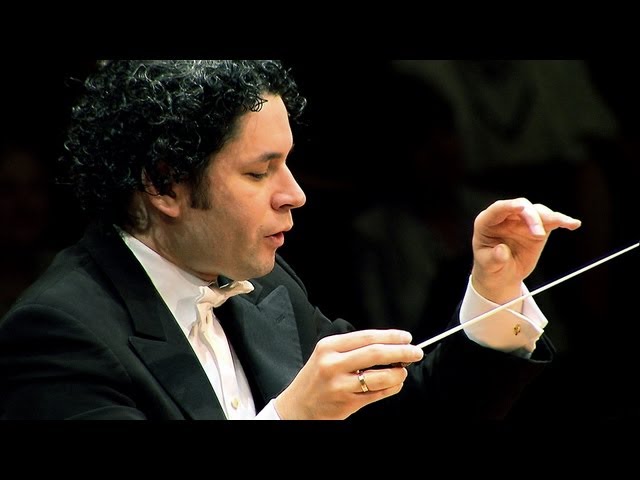
You often hear the phrase on TV shows and commercials, but there may not be many people who know the title of the piece: Also sprach Zarathustra.
It was written by Richard Strauss, one of the most famous German composers around 1900.
The piece is a musical expression of the renowned prose poem by the philosopher and poet Nietzsche.
In the introduction, the scene where one morning Zarathustra awakens with the dawn and addresses the sun with gratitude is vividly recreated through masterful orchestration.

A Little Night MusicWolfgang Amadeus Mozart72rank/position

The creator of this masterpiece, whose gentle and graceful melody sinks into the heart, is the genius composer Mozart.
Evoking a nocturnal scene with a serene atmosphere, this work harmoniously blends light, approachable themes and was completed in Vienna in August 1787.
Consisting of four movements—from the bright and festive first movement, to the second that exudes the quiet of night, the dance-like third, and the lively fourth—it gently envelops the listener.
It is also used as the departure melody at Tobu Tojo Line Ikebukuro Station, making it a familiar tune in everyday life.
It’s a perfect piece when you want to enhance concentration or calm the mind.
Passion ContinentHakasé Tarō73rank/position

Composed by violinist Taro Hakase for MBS’s human-interest documentary program “Jounetsu Tairiku,” this theme is a popular piece that often comes up when people mention violin music.
Many have likely dreamed of performing it at least once.
Although it features an uptempo feel with fast, intricate runs, it can be played almost entirely in first position.
The piece essentially has two main sections: the opening melody and the chorus with sustained, powerful notes.
Practice the opening with precise rhythms and runs, and work on producing a rich tone in the chorus.
Start slowly, then gradually raise the tempo to match the original track—careful practice will quickly bring it into shape!

Transcendental Étude No. 5 “Will-o’-the-Wisp”Franz Liszt74rank/position

Franz Liszt’s works are highly regarded as masterpieces that combine transcendental virtuosity with poetic expression.
This piece symbolizes a fantastical image of flickering, bluish-white lights floating in the night.
Rapid chromatic figures flow continuously, and the shimmering sound evokes the ghostly motion of “will-o’-the-wisps.” While centered in B-flat major, occasional dissonant sonorities and irregular rhythms create a mysterious atmosphere.
Completed in 1851, the piece made a significant contribution to the development of piano music.
It is recommended for those interested in classical music and for pianists seeking a technical challenge.
Polonaise No. 6 in A-flat major, Op. 53 “Heroic”Frederic Chopin75rank/position

Samson François’s performance of Polonaise No.
6 in A-flat major, Op.
53, cannot help but move the listener.
Throughout the work, one feels Frédéric Chopin’s patriotism and his longing for an oppressed Poland.
The powerful rhythms, brilliant melodies, and the striking sequence of octaves in the middle section vividly evoke the image of a hero.
The arpeggios that cascade from both hands steadily heighten the listener’s sense of anticipation.
François’s playing—both delicate and bold—conveys the work’s dramatic allure in its entirety.
It is a superb performance I would recommend not only to classical music enthusiasts but to all music lovers.
Pachelbel’s CanonJohann Pachelbel76rank/position

This is a work by Johann Pachelbel in which three violins play as if chasing a beautiful melody.
Its hallmark is the way the lines are layered upon one another.
Although there are no lyrics, the gentle, harmonious sonorities feel like a tender conversation, softly enveloping the listener’s heart.
Composed in the late 17th century, it became internationally famous after a June 1968 recording conducted by Jean-François Paillard.
It also gained wider recognition through its use in the 1980 film Ordinary People, and it’s now well known as wedding background music.
Its soothing, steady rhythm and seemingly endless, beautiful melody make it perfect for focusing on work or study.
It may be just the piece for those who want to clear their minds and approach things with calmness.
Brave Rider from ‘Album for Children’Robert Schumann77rank/position

This celebrated piece, distinguished by its exhilarating cascade of sounds and powerful rhythm, is included in the album “Album for the Young.” Composed in 1848 as a birthday present for his eldest daughter Marie, it lasts barely a minute yet displays remarkable musical richness and artistic sophistication.
Its energetic, staccato-driven phrases blend perfectly with the tension created by the key of A minor, vividly conjuring the image of a knight galloping on horseback.
Despite its simple structure, the work is highly expressive, making it ideal for those who want to captivate listeners in a short performance or who enjoy a robust, vigorous character.
It has also been selected as a set piece for international piano examinations and is beloved around the world.