



Timeless classical masterpieces composed hundreds of years ago are still loved today.
We encounter them in many moments of our everyday lives, don’t we?
If you’re a classical music fan, you might go to hear orchestral performances; and if you play the piano or violin, there’s a good chance you’ve performed some of these pieces yourself.
We’ll introduce these classical masterpieces—arguably a genre listened to and cherished around the world like no other—in a ranking format!
It’s a ranking packed with masterpieces that we hope not only beginners to classical music but also dedicated fans will enjoy.
- [Masterpiece Classics] A special showcase of gem-like masterpieces so beautiful they’ll move you to tears
- [Orchestra] Introducing famous and popular pieces
- Cool classical masterpieces. Recommended classical music.
- Classical masterpieces. Recommended classical music.
- [Classical] Introducing Recommended Moving/Touching Pieces
- Timelessly beautiful classical masterpieces. Recommended classical music.
- Classical piano masterpieces: legendary performances from around the world you should hear at least once
- Taro Hakase’s famous and popular songs
- Ludwig van Beethoven Popular Songs Ranking [2026]
- Franz Liszt Popular Song Ranking [2026]
- Pick up Beethoven’s famous and representative works!
- Pyotr Tchaikovsky Popular Song Rankings [2026]
- [Classical] A comprehensive introduction to famous love pieces: recommended popular works
Ranking of popular classical songs (1–10)
Adagio for StringsSamuel Barber1rank/position

Composed by Samuel Barber in 1936 and premiered in 1938, Adagio for Strings captivates listeners with its moving melody and heartfelt performance.
Frequently used during periods of mourning and at significant moments, it is known as one of the most famous works in American music history.
Even if the composer’s name or the title doesn’t ring a bell, many people recognize it the moment they hear the opening—“Ah, that piece!” Its beautiful, gentle melody is perfect for special occasions like graduation ceremonies.
CanonJohann Pachelbel2rank/position
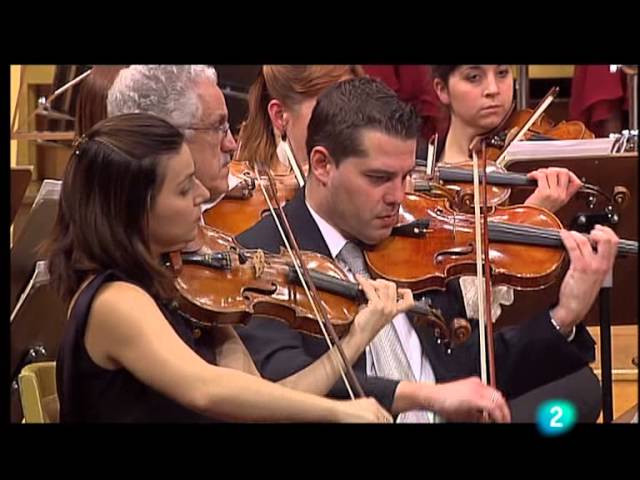
An elegant masterpiece whose eternally unfading, beautiful melody resonates in the heart—one that everyone has heard at least once.
Composed in the late 17th century by Johann Pachelbel, this work showcases a splendid harmony of three violins and basso continuo.
It became beloved worldwide following the 1970s recording by the orchestra conducted by Jean-François Paillard, and has since been widely used as background music in films and television dramas.
Its beautiful, canon-like lines that overlap one after another have made it a staple for wedding and reception entrances, adding a touch of splendor to the occasion.
Accompanying life’s most important moments and heightening feelings of happiness, this piece will be etched into memory along with heartwarming recollections.
Love’s GreetingEdward Elgar3rank/position

Brimming with a romantic atmosphere, this piece was composed in 1888 by Edward Elgar as an engagement gift to his beloved wife, Caroline Alice Roberts.
It is characterized by a graceful, sweet melody and is cherished as music for weddings and anniversaries.
Although written for violin and piano, it can be enjoyed in various arrangements, including solo piano and orchestral versions.
Its syncopated rhythm is striking: it begins gently, modulates in the middle section, then returns to the main theme and ends in a soaring climax.
Overflowing with love, this masterpiece perfectly suits the spring season, a time of new encounters.
The EntertainerScott Joplin4rank/position

This piano piece is characterized by syncopated rhythms and a light, buoyant melody, combining a bright, pop-like atmosphere.
Its lively, energetic phrases make it a perfect match for entrance marches at sports days or as background music for calisthenics.
Originally composed by Scott Joplin in 1902, it gained renewed fame through Marvin Hamlisch’s arrangement for the 1973 film The Sting, which won seven Academy Awards including Best Picture.
Its distinctive rhythm and melodic lines make it easy to use as a march, and its familiar, singable tune appeals to everyone.
Ideal for bringing sparkle to entrance and exit scenes at school sports events, it’s recommended for those who want to create a vibrant, energetic mood.
Oriental Fantasy: IslameyMily Balakirev5rank/position

Mily Balakirev, known as the coordinator of the Russian Five, advanced the music of the Russian nationalist school and left many approachable works that incorporate elements of Russian folk songs.
Inspired by the folk music he encountered during his travels in the Caucasus, his Oriental Fantasy “Islamey” is a notoriously difficult piece characterized by a 6/8 meter and a fast tempo.
Its intricate rhythms and brilliant ornamentation weave an exotic atmosphere that captivates listeners.
Owing to its extreme technical demands, it poses a major challenge for performers, but why not take it on in pursuit of a moving performance?
Pavane for a Dead PrincessMaurice Ravel6rank/position

A signature work by Maurice Ravel in which quiet elegance melds with distant nostalgia.
Composed in 1899 as a solo piano piece and premiered in Paris in April 1902, it is said to have been inspired by the image of a young princess dancing at the Spanish court.
Though suffused with sadness, it never becomes heavy; its restrained beauty is part of its appeal.
Ravel later arranged the piece for orchestra himself, adding the horn’s gentle melody and the harp’s delicate hues, which gave the work a more expansive sonority.
Featured in numerous films, including Porco Rosso and Birdman, it has long provided a quiet backdrop for scenes of parting and remembrance.
It is an ideal choice for solemn yet warm occasions, such as processions of graduates or diploma presentations.
The Maiden with Flaxen HairClaude Debussy7rank/position

This is a representative work of Impressionist music by the French composer Claude Debussy.
Born in 1862, Debussy showed talent from an early age, entering the Paris Conservatory at the age of ten.
This piece is the eighth work in Book I of the Préludes, published in 1910, and is characterized by its poetic atmosphere.
Written in G-flat major with a gentle 3/4 meter, it evokes the image of a beautiful maiden singing in the fresh hours of morning.
The quiet, elegant melody conjures a scene of a maiden seated in a field of purple alfalfa, soothing the hearts of listeners.
It is a recommended piece for those interested in classical music or seeking a sense of calm.