

Ranking of popular classical pieces

Timeless classical masterpieces composed hundreds of years ago are still loved today.
We encounter them in many moments of our everyday lives, don’t we?
If you’re a classical music fan, you might go to hear orchestral performances; and if you play the piano or violin, there’s a good chance you’ve performed some of these pieces yourself.
We’ll introduce these classical masterpieces—arguably a genre listened to and cherished around the world like no other—in a ranking format!
It’s a ranking packed with masterpieces that we hope not only beginners to classical music but also dedicated fans will enjoy.
- [Masterpiece Classics] A special showcase of gem-like masterpieces so beautiful they’ll move you to tears
- [Orchestra] Introducing famous and popular pieces
- Cool classical masterpieces. Recommended classical music.
- Classical masterpieces. Recommended classical music.
- [Classical] Introducing Recommended Moving/Touching Pieces
- Timelessly beautiful classical masterpieces. Recommended classical music.
- Classical piano masterpieces: legendary performances from around the world you should hear at least once
- Taro Hakase’s famous and popular songs
- Ludwig van Beethoven Popular Songs Ranking [2026]
- Franz Liszt Popular Song Ranking [2026]
- Pick up Beethoven’s famous and representative works!
- Pyotr Tchaikovsky Popular Song Rankings [2026]
- [Classical] A comprehensive introduction to famous love pieces: recommended popular works
Ranking of popular classical songs (1–10)
Air on the G StringJ.S.Bach8rank/position

A Baroque masterpiece woven from gentle melodies and graceful harmonies.
Composed by J.S.
Bach in the 1720s, this piece grew out of secular music that was performed in churches and palaces.
The delicate resonance of the strings and the deeply reverberant bass blend beautifully, guiding listeners into a state of calm.
In the 19th century, it was arranged by the German violinist August Wilhelmj, which helped it spread in a more accessible form.
The work has also gained renewed attention after being featured in the TBS drama “G-senjou no Anata to Watashi” (You and I on the G String).
It’s a recommended track when you want to focus in a tranquil setting or soothe the mind.
Liebesträume No. 3Franz Liszt9rank/position
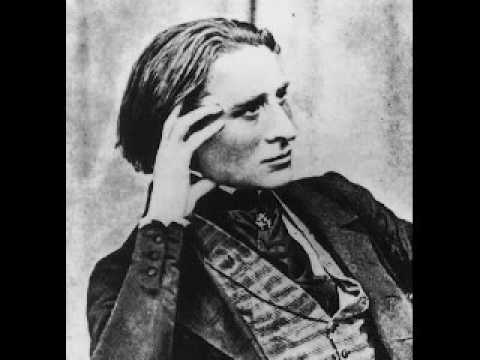
A signature work by Franz Liszt, a leading figure of the Romantic era.
Born as a song in 1845 and arranged for solo piano in 1850, it is based on a poem that sings of love for family and friends, reflecting Liszt’s own romantic experiences.
Characterized by a beautiful melody and rich harmonies, it superbly expresses the depth and complexity of love.
While fully showcasing pianistic virtuosity, it also conveys tenderness and poignancy.
When you want to cherish time with a loved one, be sure to listen to this beautiful piece that will resonate deeply in your heart.
Rhapsody in BlueGeorge Gershwin10rank/position

George Gershwin was an American composer known for his unique musical style that fused jazz and classical music.
His masterpiece, Rhapsody in Blue, is an innovative work that begins with an expansive clarinet glissando and brilliantly combines jazz rhythms with elements of classical music.
In this piece, Gershwin musically expressed America’s diversity and the vitality of its cities.
Letting listeners savor the charms of both classical and jazz, this celebrated work transcends musical boundaries and captivates a wide audience.
Classical Music Popularity Rankings (11–20)
The Pigeon and the BoyHisaishi Joe11rank/position
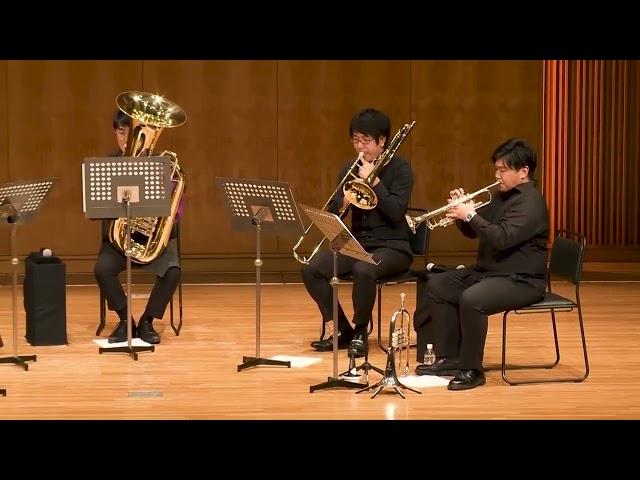
This is the piece that Pazu plays as a morning call on the bugle in Castle in the Sky.
In the film, Pazu plays it alone, but here it’s arranged for a brass ensemble.
It begins with a trumpet solo, then horn, trombone, tuba, and others join to form a fanfare for brass ensemble.
Midway through, the ending theme from Castle in the Sky, “Carrying You,” is woven in, allowing listeners to enjoy a sense of musical storytelling.
Pazu’s trumpet, performed first thing in the morning, has been a hot topic among brass players—professional-level playing that would catch a scout’s ear.
Even pros need to warm up, and many say they envy the ability to hit high notes from early in the day.
Pazu’s performance was played by studio musician Susumu Kazuhara, who is active in film scores, jazz, and karaoke backing tracks, and it is a superb performance.

Symphony No. 7Ludwig van Beethoven12rank/position

Beethoven, one of the most important composers in the history of music, is revered in Japan as the “Saint of Music,” and his monumental achievements are beyond words.
Among the many pieces familiar to everyone—from symphonies and orchestral works to rhapsodies and chamber music—we would like to introduce his highly popular Symphony No.
7, frequently featured in dramas and films.
Though classical in form, its rhythm-centered construction is strikingly innovative.
Wagner praised it as the “apotheosis of the dance,” while some other composers criticized it.
It’s accessible even to classical music beginners and highly recommended.
By the way, while some of his other symphonies bear titles like “Fate” and “Pastoral,” the Seventh is untitled—which is interesting in its own right.

La CampanellaFranz Liszt13rank/position

The delicate melody, modeled after the sound of bells, is striking, with beautiful leaps and ornaments in the high register resonating throughout.
The piano piece, revised in 1851, is characterized by passionate expressiveness that embodies the essence of Romantic music and by virtuosic performance demands.
Inspired by Niccolò Paganini’s playing in 1831, Franz Liszt arranged the theme of a violin concerto for piano.
Frequently used as background music in films and television shows, it has captivated many listeners.
This work is recommended for those who want to study in a quiet environment with focus.
Its bell-like, transparent timbre will calm the mind while maintaining a moderate sense of tension.
I Want YouErik Satie14rank/position

French composer Erik Satie is known for his unique musical style, which set him apart from contemporaries like Debussy and Ravel.
After setbacks during his time at the Paris Conservatory, he continued composing while working as a pianist in Montmartre cafés, producing numerous experimental works.
Among his most famous pieces is Je te veux, written for voice and piano.
Its waltz melody, carried by sensual lyrics, evokes a sense of nostalgia and bittersweet sentiment.
Romantic yet tinged with a certain bite that suggests an adult, slightly poisonous love, this masterpiece is one to enjoy on the piano as well.