

Ranking of popular classical pieces

Timeless classical masterpieces composed hundreds of years ago are still loved today.
We encounter them in many moments of our everyday lives, don’t we?
If you’re a classical music fan, you might go to hear orchestral performances; and if you play the piano or violin, there’s a good chance you’ve performed some of these pieces yourself.
We’ll introduce these classical masterpieces—arguably a genre listened to and cherished around the world like no other—in a ranking format!
It’s a ranking packed with masterpieces that we hope not only beginners to classical music but also dedicated fans will enjoy.
- [Masterpiece Classics] A special showcase of gem-like masterpieces so beautiful they’ll move you to tears
- [Orchestra] Introducing famous and popular pieces
- Cool classical masterpieces. Recommended classical music.
- Classical masterpieces. Recommended classical music.
- [Classical] Introducing Recommended Moving/Touching Pieces
- Timelessly beautiful classical masterpieces. Recommended classical music.
- Classical piano masterpieces: legendary performances from around the world you should hear at least once
- Taro Hakase’s famous and popular songs
- Ludwig van Beethoven Popular Songs Ranking [2026]
- Franz Liszt Popular Song Ranking [2026]
- Pick up Beethoven’s famous and representative works!
- Pyotr Tchaikovsky Popular Song Rankings [2026]
- [Classical] A comprehensive introduction to famous love pieces: recommended popular works
Ranking of Popular Classical Pieces (21–30)
Hungarian Rhapsody No. 2Franz Liszt29rank/position

Hungarian Rhapsody No.
2 by Franz Liszt—the piano wizard who composed numerous fiendishly difficult pieces requiring transcendental technique—is no exception in its level of difficulty, and even professional pianists often struggle to perform it.
Beginning with a weighty atmosphere and gradually growing more brilliant, it is truly breathtaking.
Its bright, beautiful melodies and powerful rhythms have captivated piano students and enthusiasts for many years.
Mastering it demands considerable practice, but by all means, enjoy its dramatic world as you take on the challenge!

Piano Concerto in F majorGeorge Gershwin30rank/position

Composer George Gershwin, who shines brilliantly in American music history.
With his original musical style that fused jazz and classical, he created masterpieces such as Rhapsody in Blue and Porgy and Bess.
One of his signature works is the Piano Concerto in F, premiered in 1925.
At its debut at Carnegie Hall, Gershwin himself played the piano and is said to have captivated the audience.
This concerto, consisting of three movements, is notable for the lively Charleston rhythms of the first movement, the graceful blues of the second, and the passionate ragtime of the third.
Seamlessly incorporating elements of jazz while respecting the formal beauty of classical music, it is truly a groundbreaking work.
Classic Popular Songs Ranking (31–40)
ZigeunerweisenPablo de Sarasate31rank/position

Zigeunerweisen, composed in 1878 by the Spanish composer Pablo de Sarasate.
This violin concerto is a supreme work of classical music in which the fast passages in the violin’s upper register convey profound sorrow.
Every phrase is breathtakingly powerful, and as you listen, you can’t help but feel your emotions surge! As an aside, it’s also extremely rare for a 19th-century piece in that a recording survives of the composer himself performing it, made in 1904.

Piano Sonata in B minor, S.178Franz Liszt32rank/position

Composed between 1849 and 1853, this masterpiece is renowned as a pinnacle of piano music.
It revolutionizes the traditional sonata form with an innovative design that, while cast in a single movement, encompasses the conventional four-movement structure.
From the quiet descending figure of the opening, to powerful octaves and a majestic melody, the work abounds in musical contrasts.
With its meticulous architecture and profound expressiveness, it has been performed by many great artists, including Claudio Arrau and Martha Argerich.
Its structure, akin to a grand musical edifice, and the highly demanding technique required make it ideal for those who wish to push the expressive possibilities of the piano to the utmost.
When it was premiered in Berlin in 1857 by Hans von Bülow, it received a mixed reception, but today it is recognized as an important work.
Grand WaltzFrederic Chopin33rank/position

An impressive waltz that blends splendid brilliance with elegance.
It begins with a fanfare-like melody, setting a bright and refreshing mood.
The work beautifully fuses the virtuosic elements and lyricism characteristic of Frédéric Chopin, brimming with charm that captivates listeners.
Distinguished by its dazzling melodies and rhythmic performance, it can be considered a masterpiece that fully draws out the piano’s expressive power.
Published in 1833, this piece reflects influences from the Viennese music scene while shining with Chopin’s unique individuality.
It is highly recommended for those who wish to take on the challenge of piano performance or experience the allure of classical music.
Play of WaterMaurice Ravel34rank/position
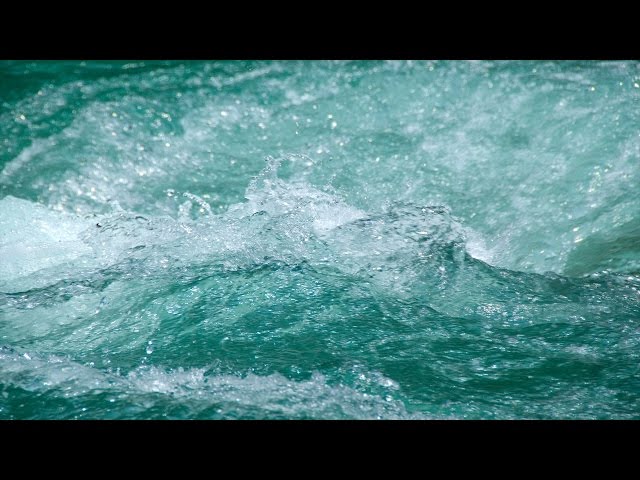
Are you familiar with a solo piano piece that condenses the aesthetic of French modern music—a work like a fountain of sound? Composed by Maurice Ravel, known for his meticulous sound design, and completed in 1901, this piece is a significant work representing his early period.
It premiered in April 1902, performed by Ricardo Viñes, and was dedicated to his teacher, Gabriel Fauré.
It is sometimes used in dramas and anime, and its transparent melodies continue to captivate many listeners.
The sparkling high notes, as if water were at play, and the flowing arpeggios make it perfect as background music for study sessions when you want to clear your head, or when you want to focus on your work.
Its charm lies in how you can relax while feeling the pleasant undulation of water.
Concert Etudes, 8 Pieces: No. 5 “Joke”Nikolai Kapustin35rank/position

This is a vibrant piece that fuses classical music with jazz.
Included in the 1984 album “Eight Concert Etudes, Op.
40,” it has a light, witty character that tickles the listener’s imagination.
Skillfully incorporating jazz elements such as swing and boogie-woogie while honoring classical formal beauty, it’s an irresistibly appealing work.
Rhythmic, dynamic phrases unfold one after another, enveloping the entire hall in a joyful atmosphere.
Performed by world-renowned pianists like Nikolai Petrov and Marc-André Hamelin, this piece is perfect for those who want to showcase both technique and expressive power.
It’s sure to create a captivating, unforgettable stage.