

[Tchaikovsky] Pick up famous and representative pieces!

Pyotr Ilyich Tchaikovsky, a towering composer who represents Romantic-era Russia.
From ballet music such as Swan Lake and The Sleeping Beauty to works like the Piano Concerto No.
1 and several symphonies, he created numerous masterpieces that continue to be loved to this day.
Tchaikovsky’s music conveys richly colored, delicate melodies and a brilliant, dramatic musicality.
In this article, we introduce Tchaikovsky’s celebrated and representative works.
We’ve selected pieces ranging from famous tunes to lesser-known gems worthy of being called masterpieces—be sure to check them out!
- Rachmaninoff’s masterpieces. Recommended pieces by Rachmaninoff.
- Classical Masterpieces: Recommended Works You Should Hear at Least Once
- [Orchestra] Introducing famous and popular pieces
- Debussy’s masterpiece. Popular classical music.
- Bedřich Smetana: A selection of famous and representative works!
- Highlighting the masterpieces and popular works of Mikhail Glinka, the pioneering composer of Russian music
- Classic masterpieces recommended for women
- Rimsky-Korsakov’s Masterpieces | The Vividly Colorful World of Russian Music
- Robert Schumann | Introduction to his famous and representative works
- Masterpieces of Ballet Music: Introducing Classic Favorites
- Masterpieces of the Romantic Era: A sweeping introduction to soul-stirring, celebrated gems!
- Pick up Beethoven’s famous and representative works!
- Stravinsky’s masterpiece. Popular classical music.
[Tchaikovsky] A Selection of Famous and Representative Works (131–140)
Suite from the ballet “The Nutcracker”Pyotr Tchaikovsky

Known as an essential work for the Christmas season and one of Tchaikovsky’s masterpieces, this piece depicts a fantastical world dreamed by a young girl on Christmas Eve and is characterized by light, sparkling music.
With familiar numbers like the “March” and the “Waltz of the Flowers,” it is beloved by a wide audience, from children to adults.
Since its premiere in December 1892, it has been frequently performed not only as a ballet but also in various arrangements for orchestra and solo piano, making it an ideal gateway to classical music.
It’s a perfect piece for those seeking a heartwarming moment during the colder months.
September – The HuntPyotr Tchaikovsky

A classic masterpiece that plays the colors of autumn: Tchaikovsky’s The Seasons, September, The Hunt.
Some of you might recognize it as soon as you hear it.
Isn’t this perhaps the most quintessentially classical work that consciously evokes the seasons? What kind of scene does it bring to your mind? Whether you’re into classical music or not, give it a listen at least once.
Ballet Suite “The Nutcracker”Pyotr Tchaikovsky

When it comes to classical music perfect for winter, Tchaikovsky’s The Nutcracker Suite is highly recommended.
This piece combines sweetness with grandeur, and its pleasant resonance enhances the atmosphere of the holy night.
As one of Tchaikovsky’s three great ballets, it may feel even deeper if you listen while watching a ballet performance.
Enjoy how each note weaves a fantastical world, together with the ballet scenes.
While it differs from the cheerful music suited for parties, reflecting on the solemn Christmas nights of Europe may lead to new discoveries.

The Nutcracker – TrepakPyotr Tchaikovsky

“The Nutcracker – Trepak” is one of the ballet pieces composed by Pyotr Tchaikovsky.
Trepak is also known as the Russian Dance and represents the dance of the barley sugar fairy.
If this piece is meant to depict the dance, you can imagine some pretty vigorous movement! With its strong sense of speed, it’s perfect for scenes like dashes or relays.
If you’re looking for classical background music, how about this piece?

“The Seasons” – 12 Characteristic Pieces, Op. 37bis: June “Barcarolle”Pyotr Tchaikovsky
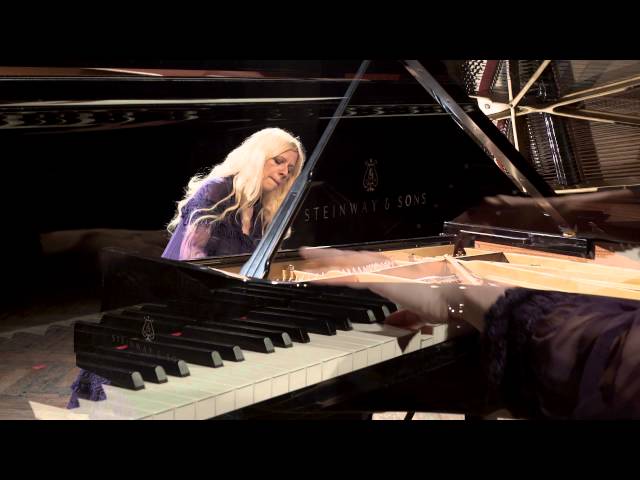

Composed by Pyotr Tchaikovsky, The Seasons, Op.
37b portrays a year in Russia through twelve short pieces.
Among them, the June piece, Barcarolle, is especially beloved.
Many works bear the title “Barcarolle,” but Tchaikovsky’s stands out for its melancholy, wistful atmosphere.
Its touching melody evokes a sense of someone rowing absentmindedly to calm their heart, hinting at an unspoken backstory.
As you perform, keep a lateral flow in mind, and use tempo fluctuations and dynamic contrasts skillfully to express the music’s shifting emotions.

Swan LakePyotr Tchaikovsky
Pyotr Tchaikovsky’s masterpiece, Swan Lake.
In Japan, it’s known by the title “Hakuchō no Mizūmi” (Swan Lake).
It’s probably the most famous ballet music in the world, isn’t it? This was Tchaikovsky’s first ballet score, and it premiered in 1877.
In fact, the work wasn’t highly regarded in the ballet world at the time, but later, through major revisions by choreographers Marius Petipa and Lev Ivanov, it became a production that attracted worldwide attention.

The NutcrackerPyotr Tchaikovsky

One of the most famous works of ballet music is The Nutcracker, known in Japan as Kurumiwari Ningyō.
Composed by Pyotr Tchaikovsky and premiered in 1892, it tells the story of a girl who receives a nutcracker as a gift and journeys through a dream world.
The music perfectly captures this narrative with a fantastical tone.
Since it is set at Christmas, it’s especially recommended for the holiday season.