

[Ultimate Either-Or] A great conversation starter and a chance to get to know each other!


Have you heard of the ultimate either-or questions? They’re two-choice questions where it’s hard to pick one, but you have to choose, and they can reveal a person’s values and spark conversation.
They’re perfect as conversation starters with friends or partners and for getting to know each other.
In this article, I’ll introduce a collection of ultimate either-or questions related to life and personal values.
There are plenty of prompts that will make you agonize over which to choose, so have fun giving them a try!
- [Ultimate Choice?] A two-option love quiz that reveals the other person’s views on romance
- [Talk] Interesting! Hilarious! A Collection of Silly Questions
- A collection of questions that will liven up conversations with friends. Talk themes to deepen your bond.
- "What if..." questions are fascinating! Unique prompts that spark lively conversations
- Fun two-player games recommended that you can play using conversation only
- With friends or couples! A set of questions perfect for penalty games
- A collection of hilarious questions that will liven up the conversation and might help you learn more about the other person
- A collection of personality quizzes perfect for killing time
- A collection of questions to liven up phone calls with someone you like or are interested in
- Personality Test: Fun! Psychology Test Collection
- [Challenging and Fun!] Quizzes & Riddles for Adults
- [Talk Theme] Liven up the drinking party! A roundup of funny questions
- [Battle of Wits] Stimulate your intellectual curiosity! Quiz questions that get adults excited
Ultimate Life and Values Dilemmas (21–30)
Which is better: a busy life with too many friends, or a lonely life with no friends?
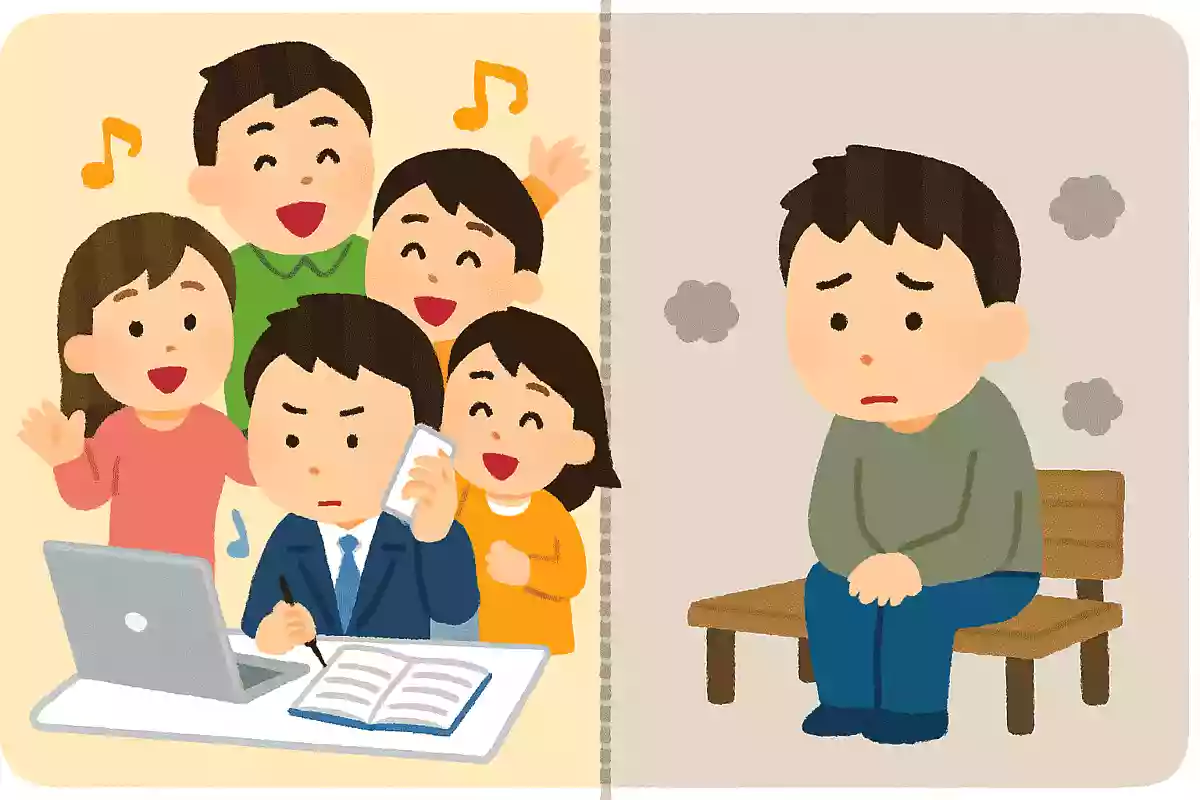
Spending time with others adds color to our days, but having time to yourself can also be important at times.
This is a either-or question that reflects how you relate to others and how you make time for yourself.
At first glance, it might seem better to have friends around, but let’s have you decide based on how you feel about being so busy that you can’t secure your own time.
People who often find it bothersome to be around others—such as those who change their behavior to match their friends—may be more likely to choose the latter option.

Male or female—if you were to be reborn, which would you choose?
This is a question that asks you to consider which would be ideal—male or female—if you were to be born as a human again after your current life ends.
The answer may differ depending on your current gender and how you feel about it.
Another important point is what you would like to try if you were each gender; from that imagination, we can also get a sense of the images you associate with gender.
Using this question as a starting point, it might be fun to imagine what your life would be like if your gender were different.
Which would you rather be: a wealthy person who is disliked, or a poor person who is liked by everyone?
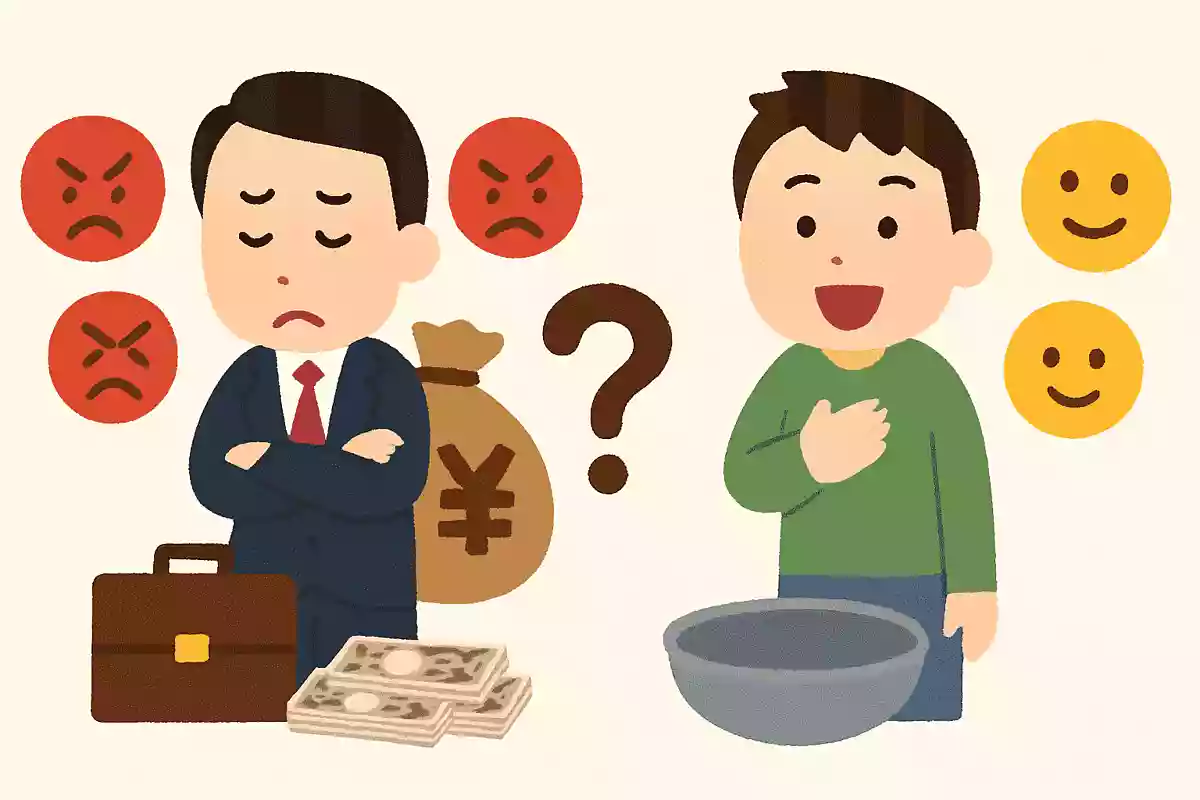
It’s a question that reveals what you’re willing to sacrifice to gain something, and what you value most in life.
It asks whether you would choose money or relationships, and invites you to consider which is truly indispensable in life.
Picture both situations clearly: having the freedom to spend money while being disliked by others, or having no money but being liked by everyone.
Visualizing each scenario is key to making your judgment.
Depending on what you prioritize in life, some people may be able to answer without hesitation.
If you were to be reborn, which would you choose? Male or female?
What would my everyday life be like if I were born a different gender from who I am now? Just imagining this ultimate either-or makes me a little excited.
If you choose male, you might be drawn to having a different build or social role, thinking things like, “Physical work might be easier,” or “I’d like to try being taller.” If you choose female, you might picture a broader range of lifestyle options, like “I want to enjoy fashion more,” or “It seems like there are many ways to live.” Of course, both have their fun and their challenges, and there’s no single right answer.
What’s interesting is that this question can lead you to notice both “what’s good about being who I am now” and the importance of “imagining yourself in someone else’s position.”

Which one do you want to go to? The past or the future?
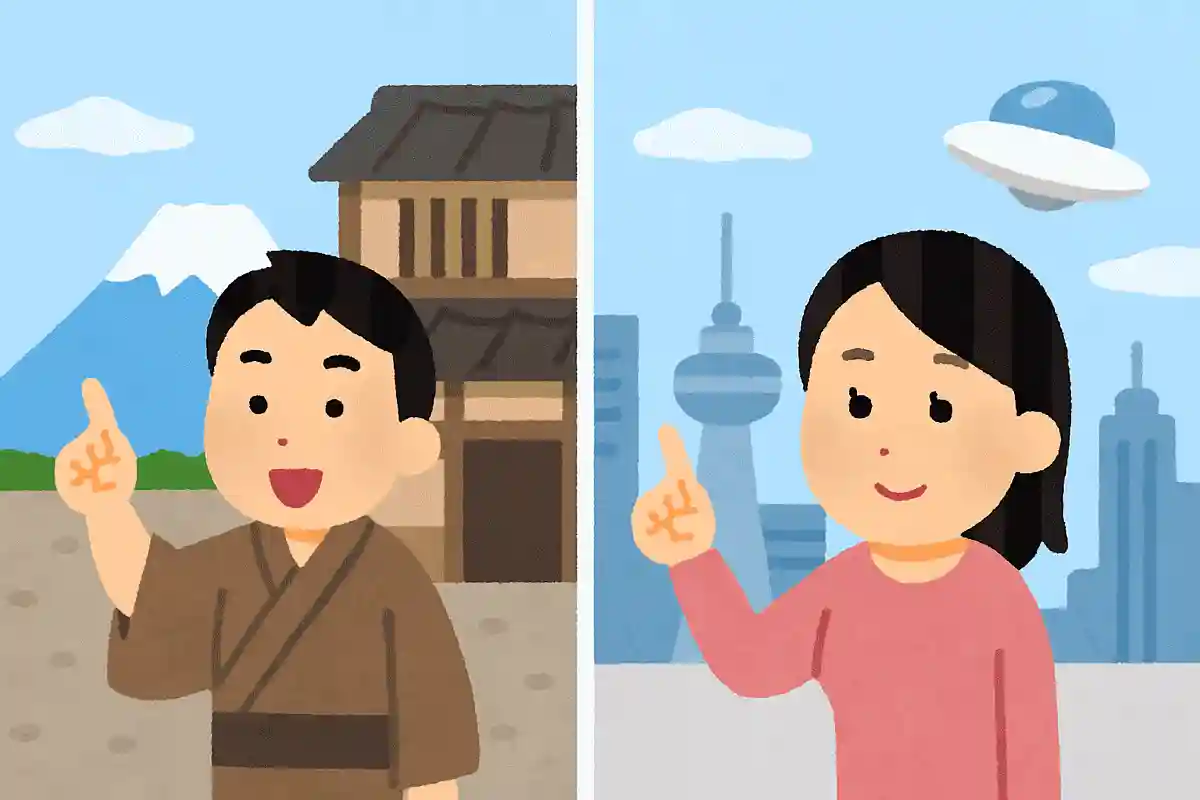
If you had a time machine, where would you like to go? If you choose the past, many people might do so because they want to redo certain events or meet someone dear to them once more.
On the other hand, the future is a world no one has seen yet.
There’s an alluring mix of excitement and a little nervousness—wondering what you’ll be like and how society will have progressed—that makes you want to take a peek.
The interesting part is that your choice reveals how you see the present and what you’re hoping for.
It’s a classic either-or question that’s easy to get people talking and quickly broadens the conversation.
Which would you rather live with: a summer in a room without air conditioning or a winter in a room without heating?
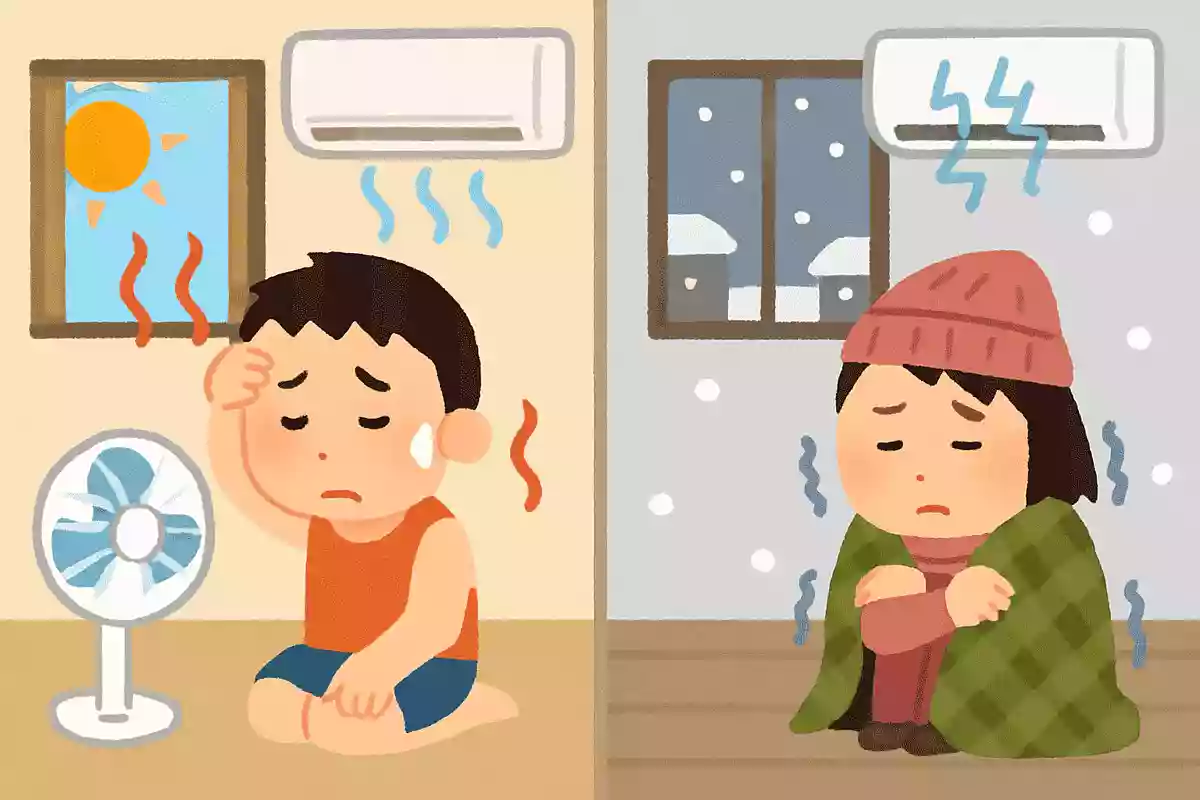
Air conditioning in hot summers and heating in cold winters are essential parts of daily life, aren’t they? This question asks which season you would choose if you couldn’t use them.
Imagine the harshness of each season clearly and decide which one you feel you could tolerate better.
The answer will likely vary depending on factors like whether you’re more tolerant of heat or cold, your constitution, and which season you prefer.
However, actually trying this could be life-threatening, so be sure to keep the question and answer purely in your imagination.
If you were to be reborn, which would you choose: a dog in a wealthy household or a stray cat that can live freely?
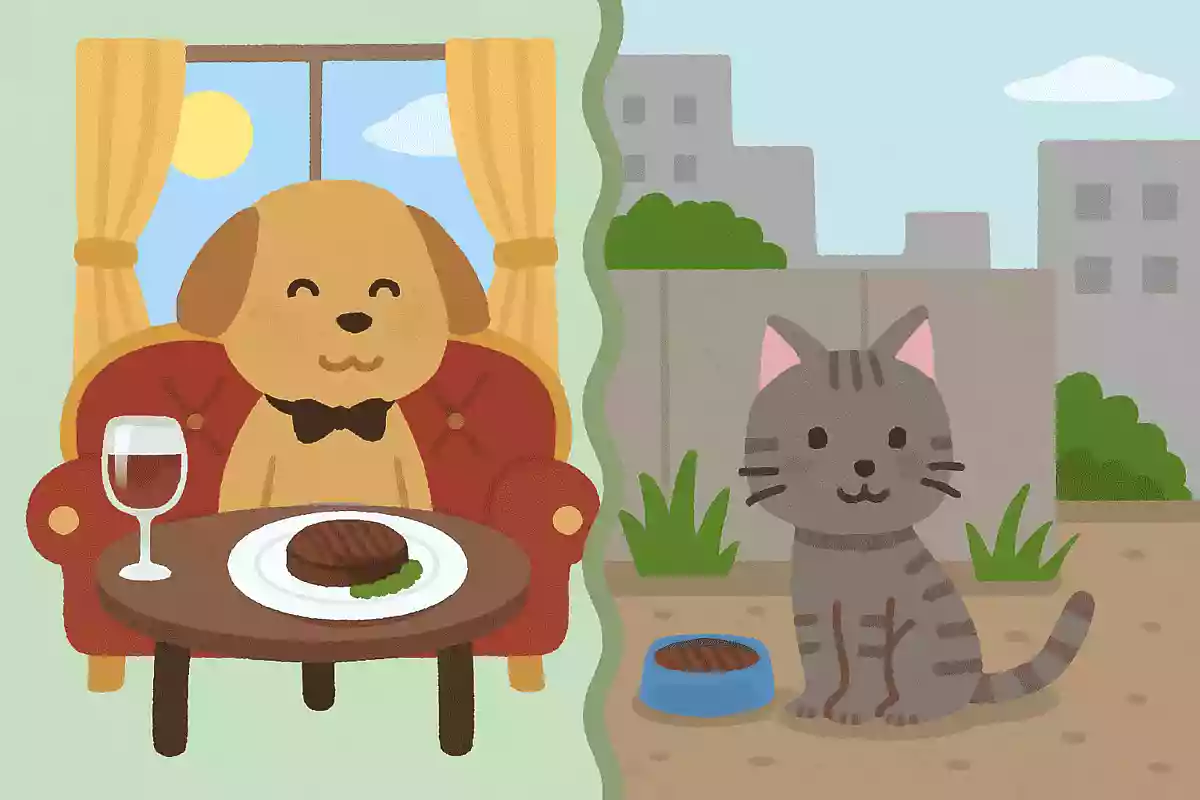
This question asks you to imagine being reborn as an animal and consider what kind of environment you’d want to live in.
Would you choose a comfortable life as a dog in a wealthy household, or live freely as a stray cat in the wide world? The key decision points are whether you prefer the limited world indoors or the boundless world outside, and whether you want a protected situation or one where there’s risk to your life.
It’s not about whether you like dogs or cats; what matters is using each environment to expand your vision of an ideal way of living.