

[Ultimate Either-Or] A great conversation starter and a chance to get to know each other!


Have you heard of the ultimate either-or questions? They’re two-choice questions where it’s hard to pick one, but you have to choose, and they can reveal a person’s values and spark conversation.
They’re perfect as conversation starters with friends or partners and for getting to know each other.
In this article, I’ll introduce a collection of ultimate either-or questions related to life and personal values.
There are plenty of prompts that will make you agonize over which to choose, so have fun giving them a try!
- [Ultimate Choice?] A two-option love quiz that reveals the other person’s views on romance
- [Talk] Interesting! Hilarious! A Collection of Silly Questions
- A collection of questions that will liven up conversations with friends. Talk themes to deepen your bond.
- "What if..." questions are fascinating! Unique prompts that spark lively conversations
- Fun two-player games recommended that you can play using conversation only
- With friends or couples! A set of questions perfect for penalty games
- A collection of hilarious questions that will liven up the conversation and might help you learn more about the other person
- A collection of personality quizzes perfect for killing time
- A collection of questions to liven up phone calls with someone you like or are interested in
- Personality Test: Fun! Psychology Test Collection
- [Challenging and Fun!] Quizzes & Riddles for Adults
- [Talk Theme] Liven up the drinking party! A roundup of funny questions
- [Battle of Wits] Stimulate your intellectual curiosity! Quiz questions that get adults excited
Two-choice questions on food, entertainment, and hobbies (1–10)
Eat freely and live a short life, or stick to a healthy diet and live long—how would you choose to live?
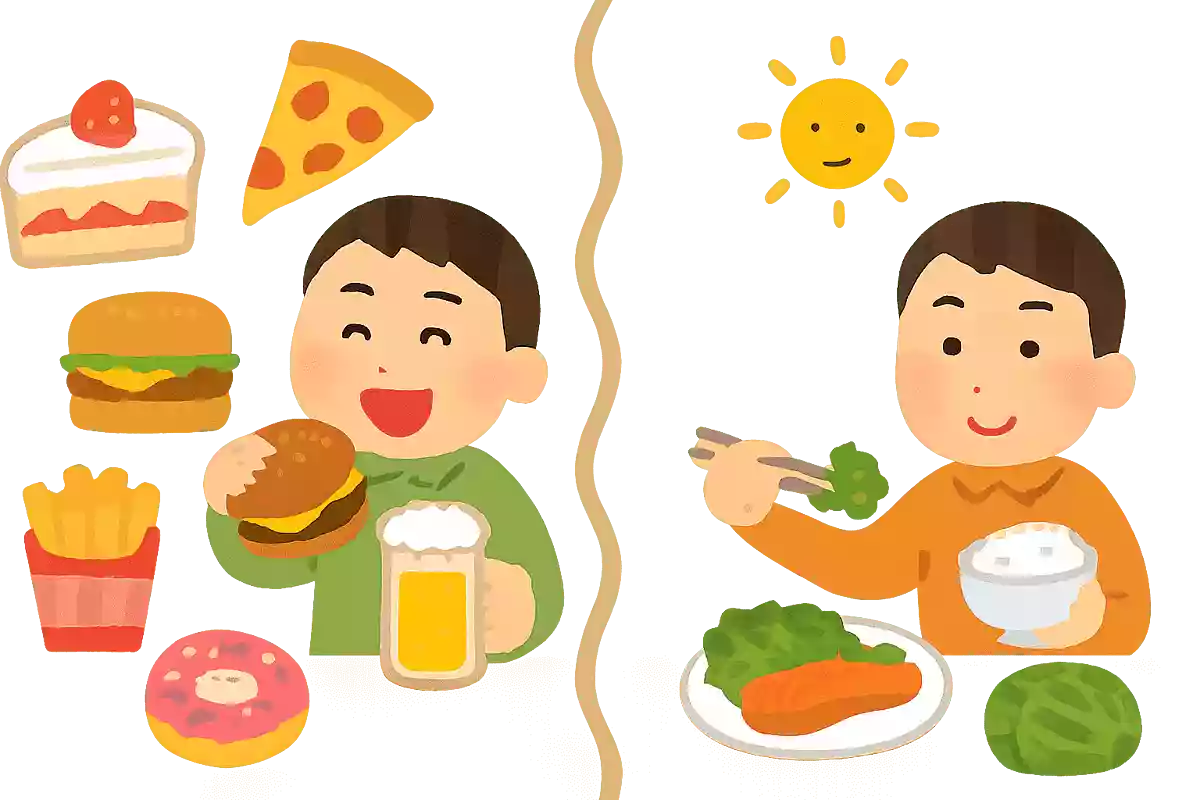
“Eat whatever you want and live a short life, or stick to a healthy diet and live longer—how would you choose to live?” This ultimate either-or question is likely to split opinions depending on the surrounding context.
For some, pouring everything into what they love might be more meaningful than living long without a purpose; for others, if they have a reason to live, they might choose to endure giving up their favorite things.
It’s hard to say which is right—perhaps that’s exactly why this is an ultimate choice that reveals the kind of life each person envisions.

Which snack do you like better? Takenoko no Sato or Kinoko no Yama?
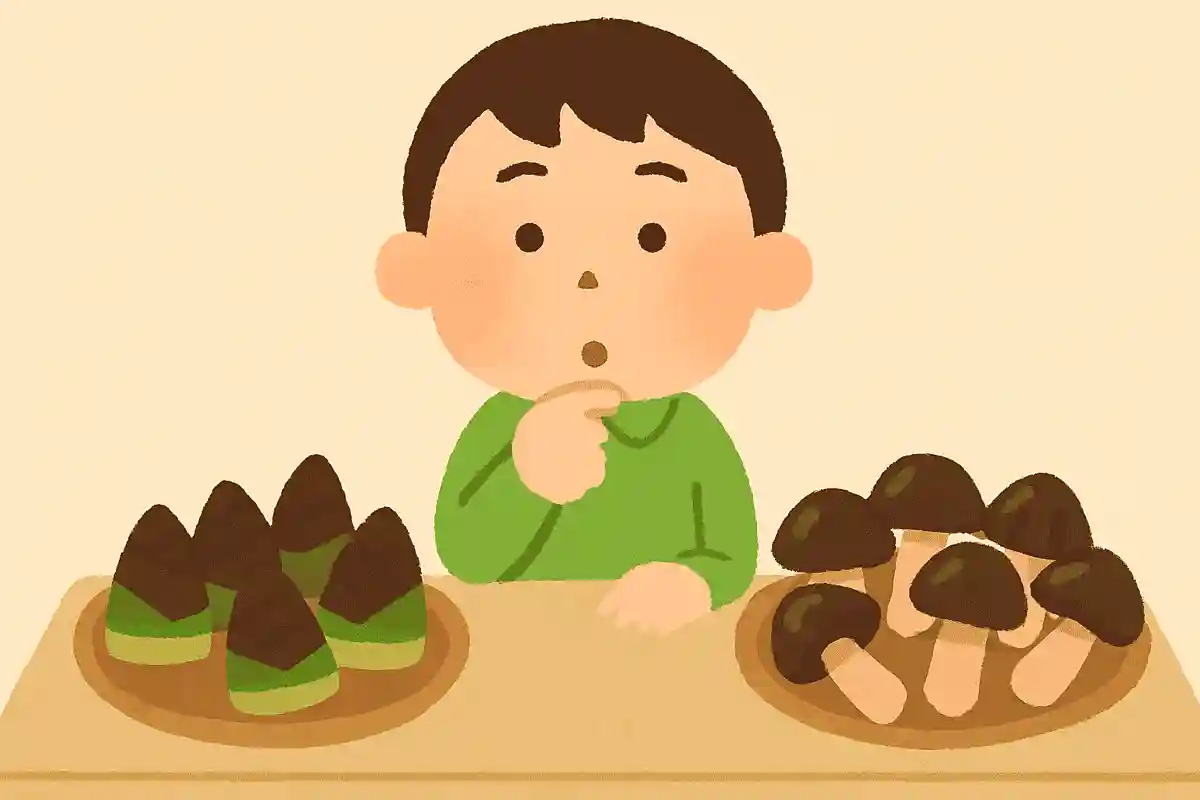
An age-old, ultimate either-or topic among people who love sweets.
Takenoko no Sato features crumbly cookie dough loaded with chocolate.
Its balance of sweetness and satisfaction is spot-on, and many say it “feels like a proper treat.” On the other hand, Kinoko no Yama has a light cracker topped with a neat dollop of chocolate, offering a crisp bite that’s its biggest draw.
It’s so easy to eat that you can’t help reaching for “just one more.” Because both are equally beloved, this debate only gets more passionate the more you talk.
It’s a foolproof conversation starter that can range from light chit-chat to deep dives into personal preferences.

If you were to go on a trip, which would you choose? Hokkaido or Okinawa?
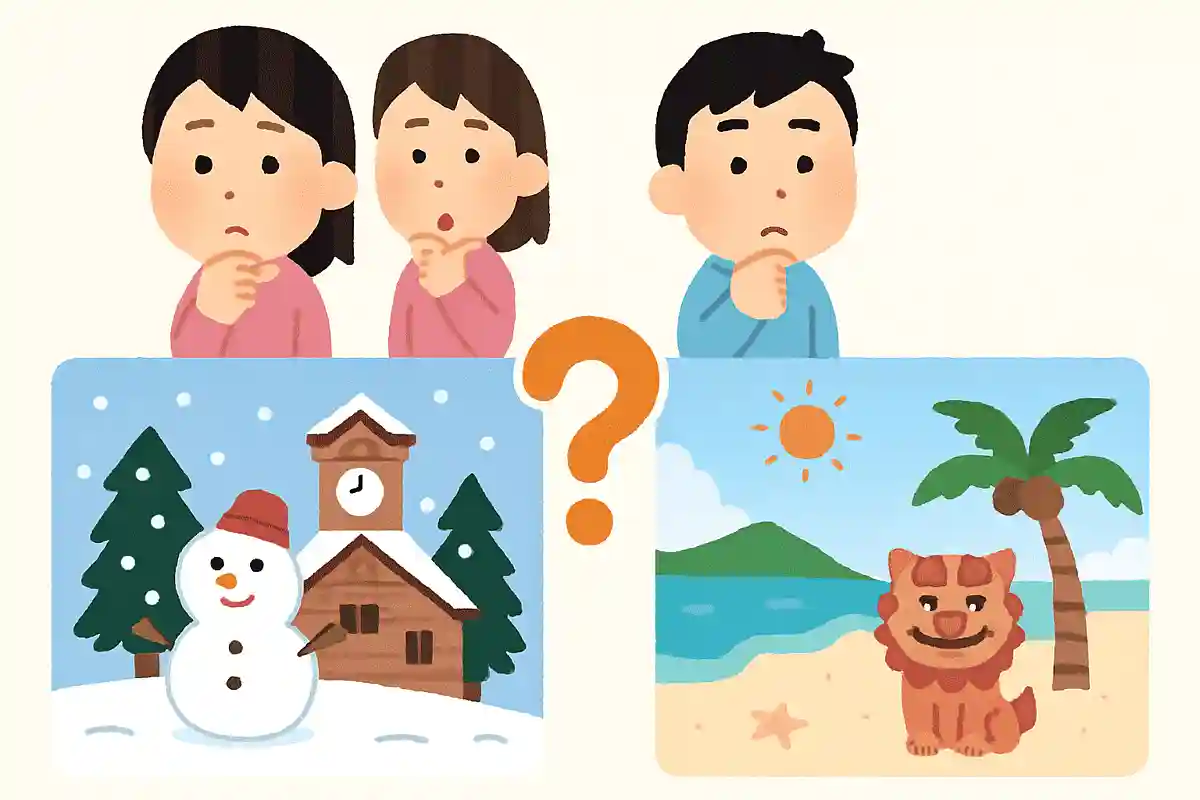
Japan is full of wonderful tourist attractions.
Among them, Hokkaido and Okinawa are arguably some of the most popular destinations.
Hokkaido offers many local specialties and natural wonders that take advantage of its climate and vast landscape, including fresh seafood and places like Lake Akan and Shikotsu-Toya National Park.
Okinawa, too, has activities and specialties unique to its warm climate.
Snorkeling, diving, soki soba, and sea grapes are especially famous.
Moreover, both regions have fascinating histories and cultures, and experiencing them is one of the great pleasures of visiting.
The more you learn about Hokkaido and Okinawa, the harder it is to choose between them.

Which kind of sense do you want? Humor or fashion?
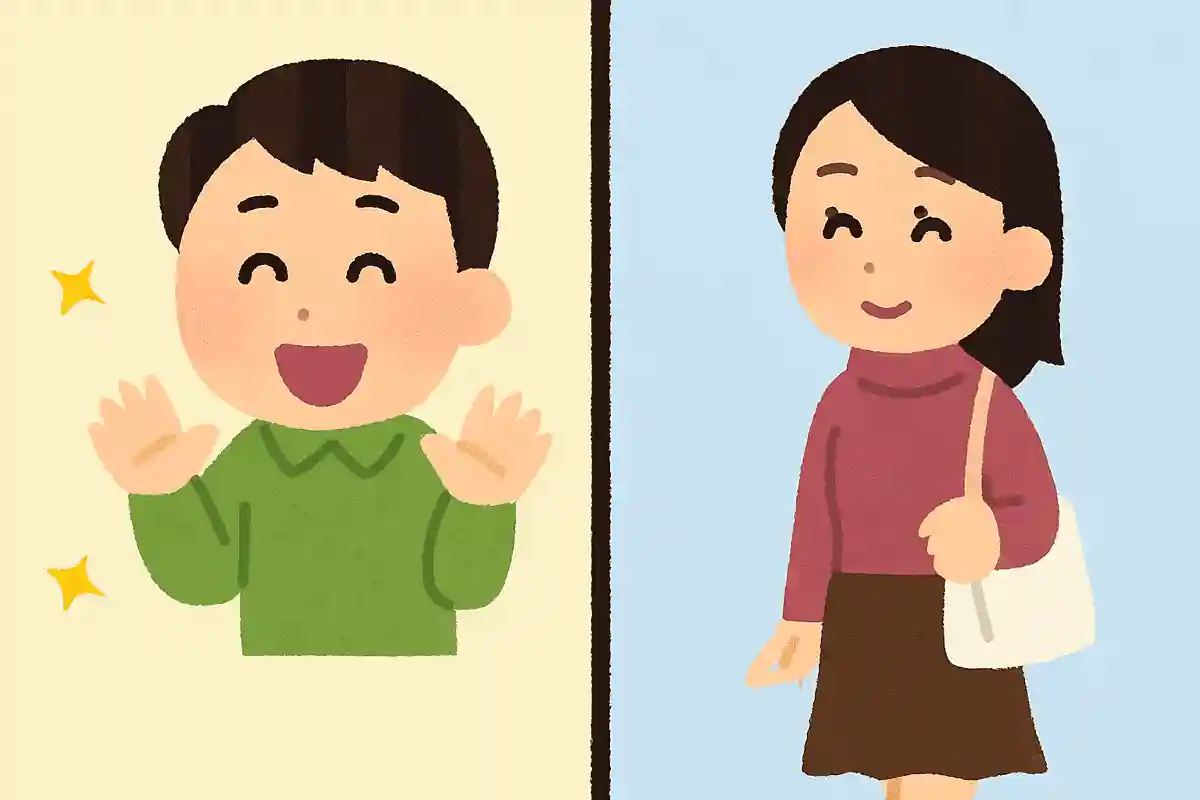
Laughter and fashion are both ways to express yourself to others, aren’t they? If you have a strong sense for either one, you might become someone who stands out in the eyes of those around you.
Perhaps both a sense of humor and a sense of fashion are things you refine by looking at yourself objectively.
If you value communication skills and want others to have fun, then maybe it’s a sense of humor.
If you often agonize over what to wear each day and always want to present your best self, then perhaps it’s a sense of fashion.
If you’re going out to have fun, which would you choose? The mountains or the sea?

This is the kind of question that could leave you torn, since both the mountains and the sea have their own unique appeal.
When it comes to playing in the mountains, there’s hiking, trekking, camping, and even glamping.
Would foraging for mountain vegetables or picking up acorns also count as play? At the seaside, you can fully enjoy an underwater world you can’t experience in everyday life—like swimming in the ocean and scuba diving.
And of course, savoring fresh seafood is wonderful too.
Just imagining either option makes it sound like a fun choice to ponder.
If you were to keep a pet, which would you choose? Dog or cat?
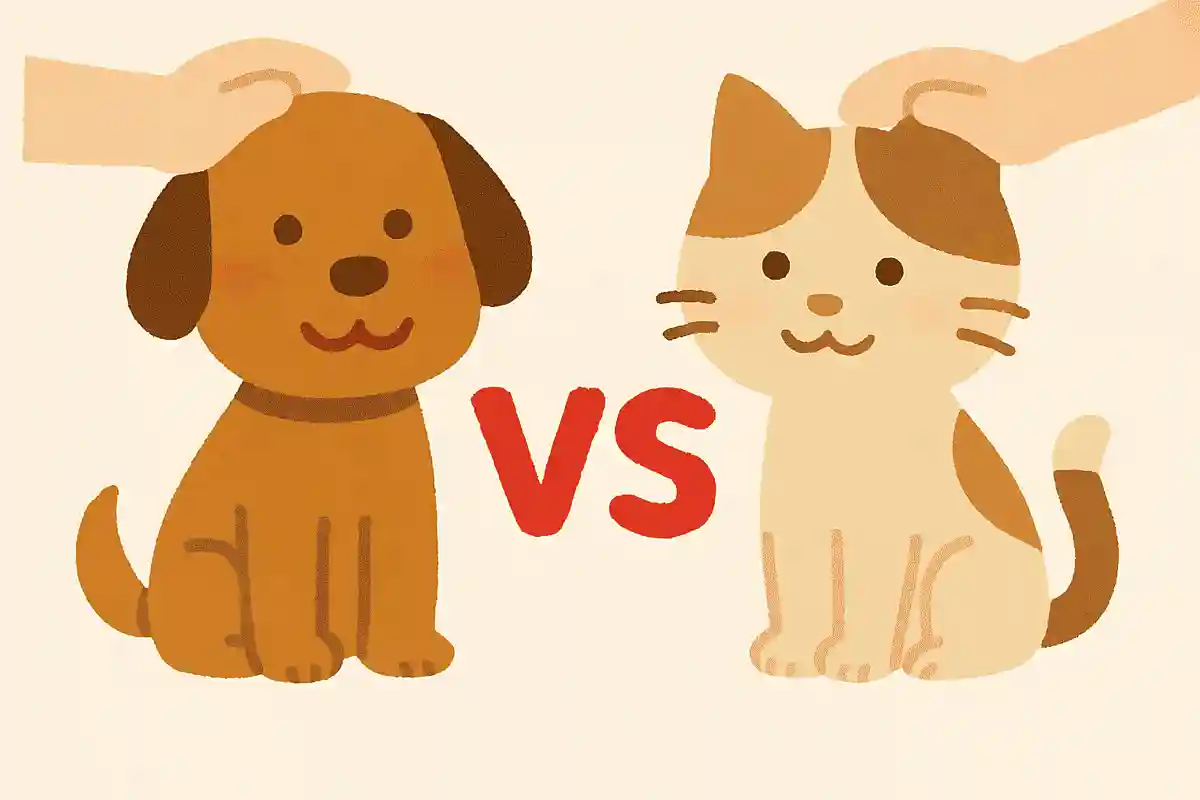
Both are popular, and both are irresistibly cute.
That’s exactly why this simple either-or is so tricky.
Dogs are friendly and people-oriented, like companions who are always by your side through walks and play.
They’re perfect for those who want to live actively together.
Cats, on the other hand, are free-spirited.
Their charm lies in keeping a comfortable distance without being too clingy, gently staying near you.
They’re irresistible for those who want quiet comfort.
Your choice might even reveal a bit about your lifestyle—outdoorsy or indoorsy, nurturing or go-at-your-own-pace.
There’s no right answer; both are precious.
That’s why this is the ultimate, foolproof either-or that everyone can enjoy debating.
Be sure to ask the people around you, too.
If you could only eat either meat or carbohydrates for a whole year, which would you choose?
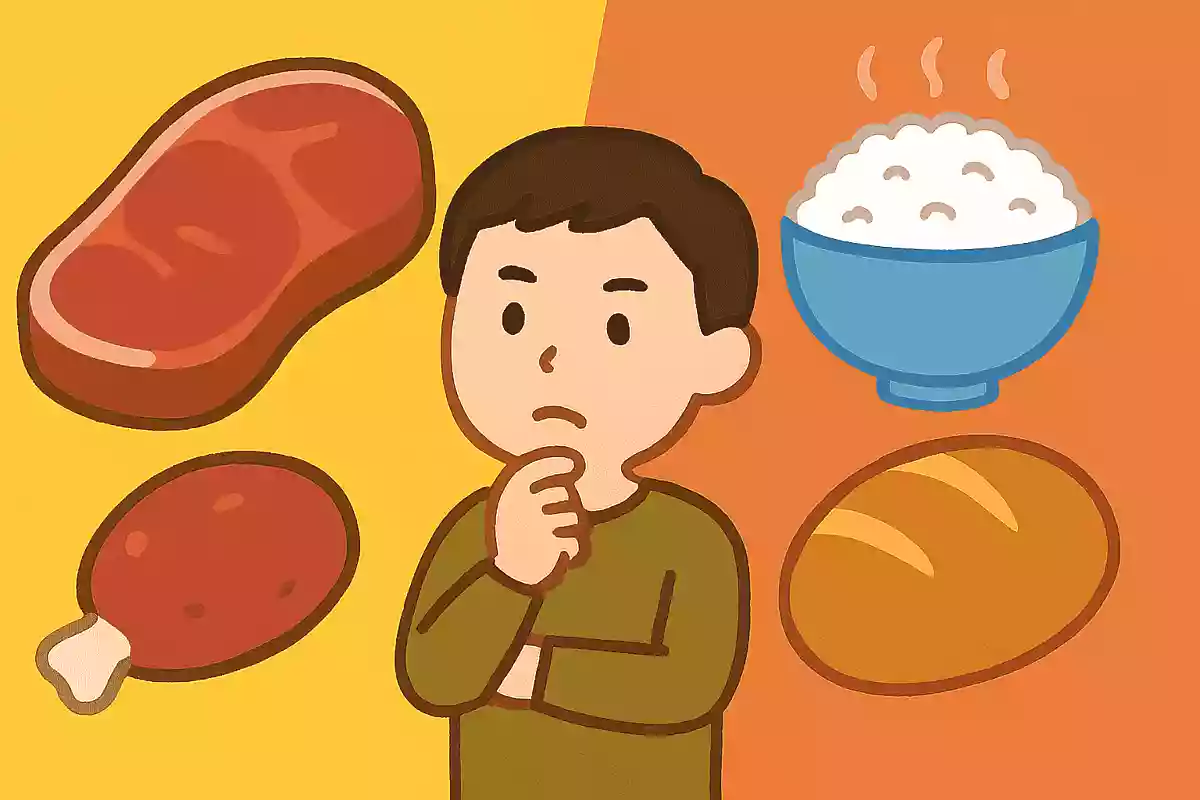
The ultimate either-or question, “If you could only eat meat or carbohydrates for a whole year, which would you choose?” might have something in common with the low-carb diets that have become popular in recent years.
Cutting out carbs and eating only meat can help with weight loss, but it’s said to make body odor stronger, and your options for seasoning are limited.
On the other hand, carbohydrates offer a wide range of choices—rice, bread, noodles—so your diet can be more varied, but from a dieting perspective, they’re considered fattening.
It’s only for a year, but it’s an ultimate dilemma that would leave anyone torn.
Which would you choose: ramen from a popular restaurant that you can only eat once a year, or cup ramen that you can eat every day?
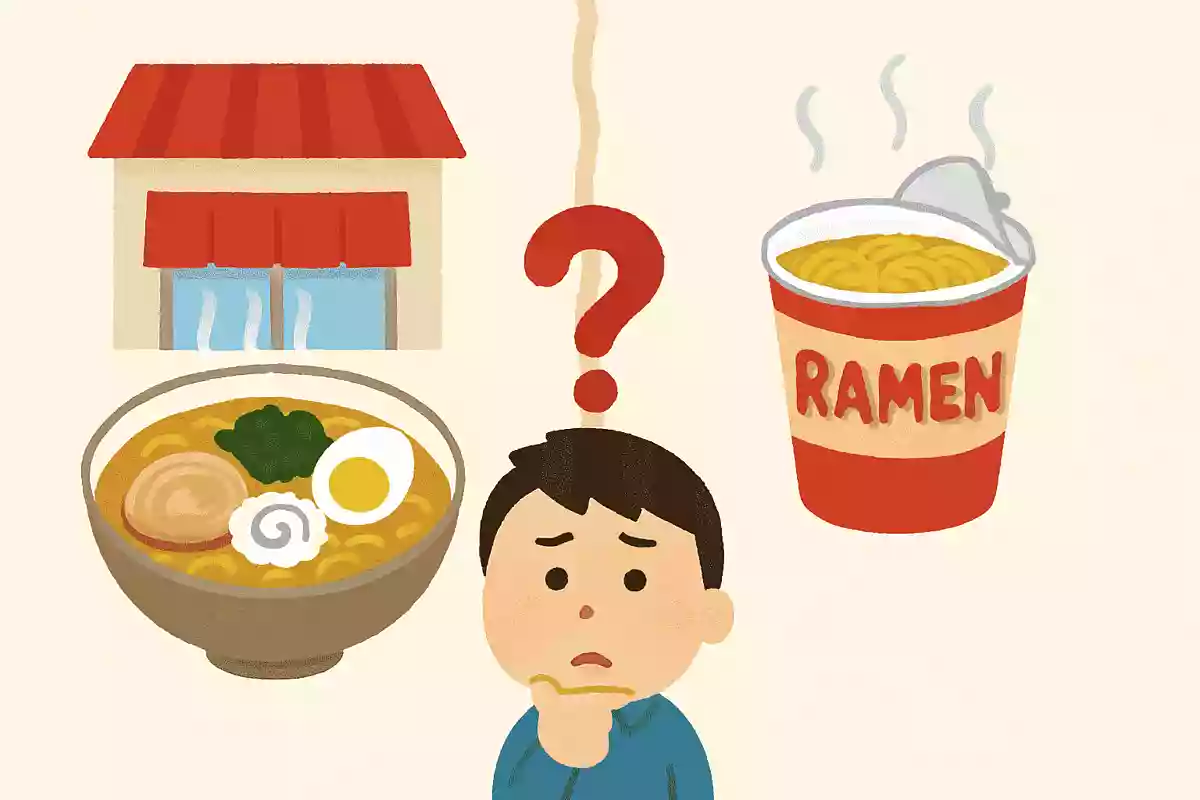
Compared to ramen you eat at a shop, cup ramen tends to have a rather ordinary image.
With that image in mind, here’s a question: would you choose to eat ramen from a popular restaurant only once a year, or be able to eat ramen whenever you like but only in cup form? Whether you’d prefer to savor a painstakingly crafted bowl from a shop even if it’s limited, or have ramen anytime even if people say it’s ordinary—your attitude toward ramen really comes through.
For those who actually prefer cup ramen, this might feel like a question from heaven.

If you could only eat one from now on, Kinoko no Yama or Takenoko no Sato, which would it be?
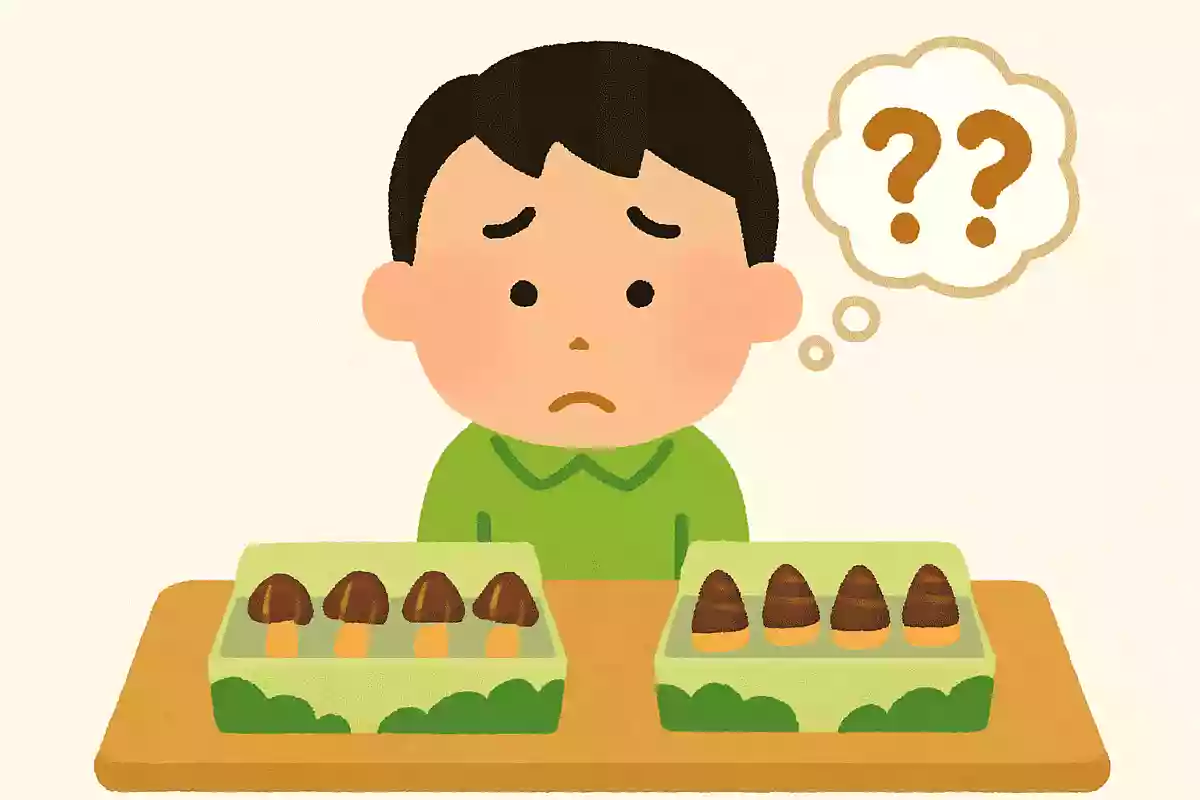
Meiji’s chocolate snacks “Kinoko no Yama” and “Takenoko no Sato” are a classic topic that always divides opinions.
Let’s have people answer which one they’d choose if they could only eat one of the two.
Since this question approaches the so-called “Kinoko vs.
Takenoko War” from a different angle than simply asking which they like more, it might lead to different kinds of answers.
Because the products differ noticeably in sweetness and texture, this question also seems likely to reveal what people prioritize when imagining eating them over time.
Shōnen manga or shōjo manga—which do you like more?

Which do you prefer: shonen manga or shojo manga? If you had to choose and could never read the other again… that would be a tough call, wouldn’t it? Both shonen and shojo boast countless masterpieces, and you probably have many fond memories of reading wonderful works from each.
Once you’ve made your choice, tell us why you picked it and introduce the work that clinched it for you.
For manga lovers, this is the ultimate either-or question—one that’s not easy to answer.
