

[Ultimate Either-Or] A great conversation starter and a chance to get to know each other!


Have you heard of the ultimate either-or questions? They’re two-choice questions where it’s hard to pick one, but you have to choose, and they can reveal a person’s values and spark conversation.
They’re perfect as conversation starters with friends or partners and for getting to know each other.
In this article, I’ll introduce a collection of ultimate either-or questions related to life and personal values.
There are plenty of prompts that will make you agonize over which to choose, so have fun giving them a try!
- [Ultimate Choice?] A two-option love quiz that reveals the other person’s views on romance
- [Talk] Interesting! Hilarious! A Collection of Silly Questions
- A collection of questions that will liven up conversations with friends. Talk themes to deepen your bond.
- "What if..." questions are fascinating! Unique prompts that spark lively conversations
- Fun two-player games recommended that you can play using conversation only
- With friends or couples! A set of questions perfect for penalty games
- A collection of hilarious questions that will liven up the conversation and might help you learn more about the other person
- A collection of personality quizzes perfect for killing time
- A collection of questions to liven up phone calls with someone you like or are interested in
- Personality Test: Fun! Psychology Test Collection
- [Challenging and Fun!] Quizzes & Riddles for Adults
- [Talk Theme] Liven up the drinking party! A roundup of funny questions
- [Battle of Wits] Stimulate your intellectual curiosity! Quiz questions that get adults excited
Two choices for work, relationships, and romance (11–20)
Would you rather work in an environment where you change departments every year, or where you do the same job for 10 years?

The ultimate either-or question—“Would you rather work in an environment where you’re transferred to a different department every year, or do the exact same job for ten years?”—depends greatly on your innate personality and what motivates you at work.
If your department or responsibilities change every year, you can gain new skills and broaden your network, but you’ll also constantly face the risk of making mistakes in unfamiliar tasks.
If you keep the same duties, your skills will improve year after year and you’ll build relationships, but you may feel stuck in a rut and find it harder to escape when trouble arises.
Both scenarios are possible depending on the workplace, but I hope this prompts you to reflect on your own personality before starting a new job.

Which would you rather protect when a disaster strikes: your family or yourself?
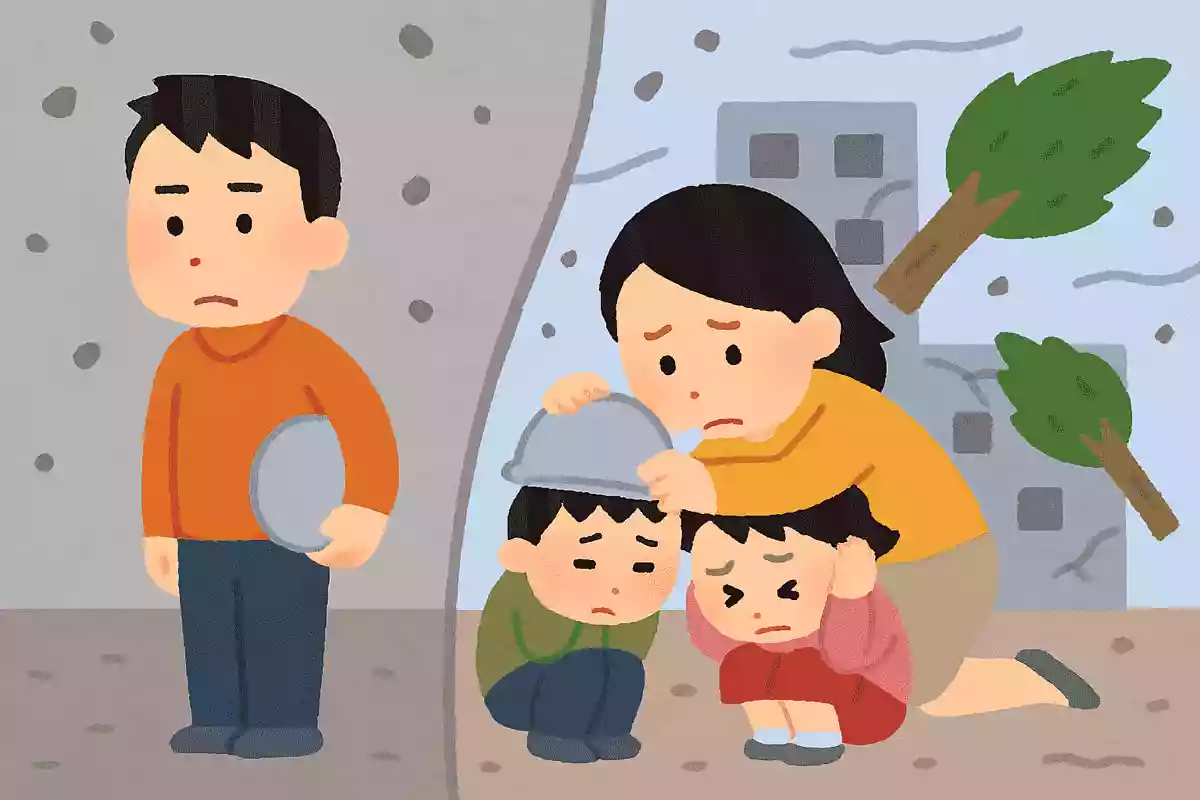
This is a question that asks, if you were faced with a disaster, whether you would prioritize protecting your family or yourself.
Saying you would protect your family may sound more admirable, but there’s also the view that in order to properly protect your family, you should first protect yourself.
How you protect each one may differ, and the methods could vary depending on the type of disaster, so specifying the situation in detail might lead to more concrete answers.
It’s perfect not only for checking a person’s priorities, but also as a conversation starter to see how concretely they’ve thought about a what-if scenario.

Which would you rather work at: a job with low pay but good relationships, or a job with high pay but terrible relationships?

When choosing a job, salary and relationships with colleagues are often cited as the most important factors.
Ideally, both would be good, but this question asks which you would prioritize if you could only have one.
Some people can tolerate poor workplace relationships for a higher salary, while others would prefer to work healthily in a positive environment even if the pay is low.
It reveals each person’s approach to work.
Starting with extreme examples as a kind of ultimate question could spark a lively discussion about what balance is ideal.
If you have a fight, which are you: absolutely unwilling to apologize, or the one who apologizes first?
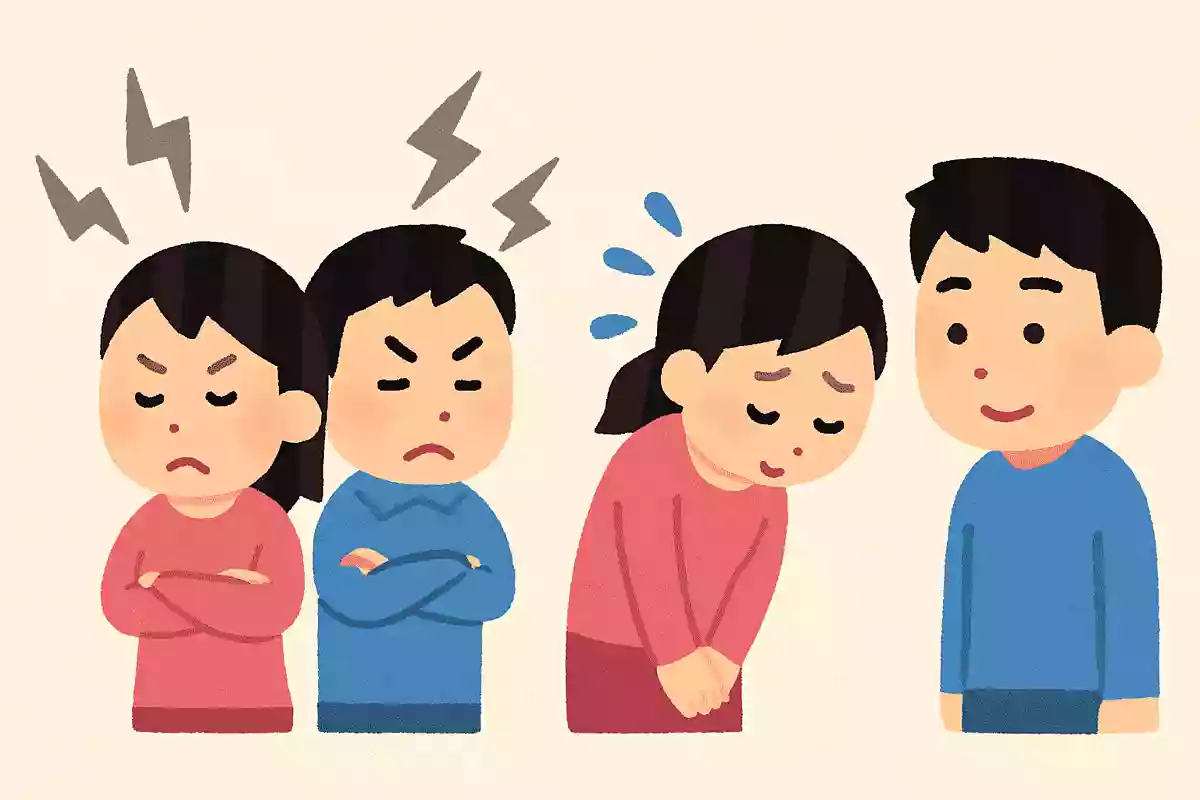
In relationships with others, sometimes arguments happen, don’t they? This question asks whether, when such a quarrel occurs, you would apologize first or not.
It can reveal how strongly someone sticks to their beliefs and the intensity of their feelings.
The answer may vary depending on what the argument was about or who it was with, so it’s also a good idea to imagine different scenarios and use them to explore the person’s stance and personality.
Which would you dislike more: a husband or wife who doesn’t do any housework at all, or a husband or wife who constantly interferes and comments on the housework?
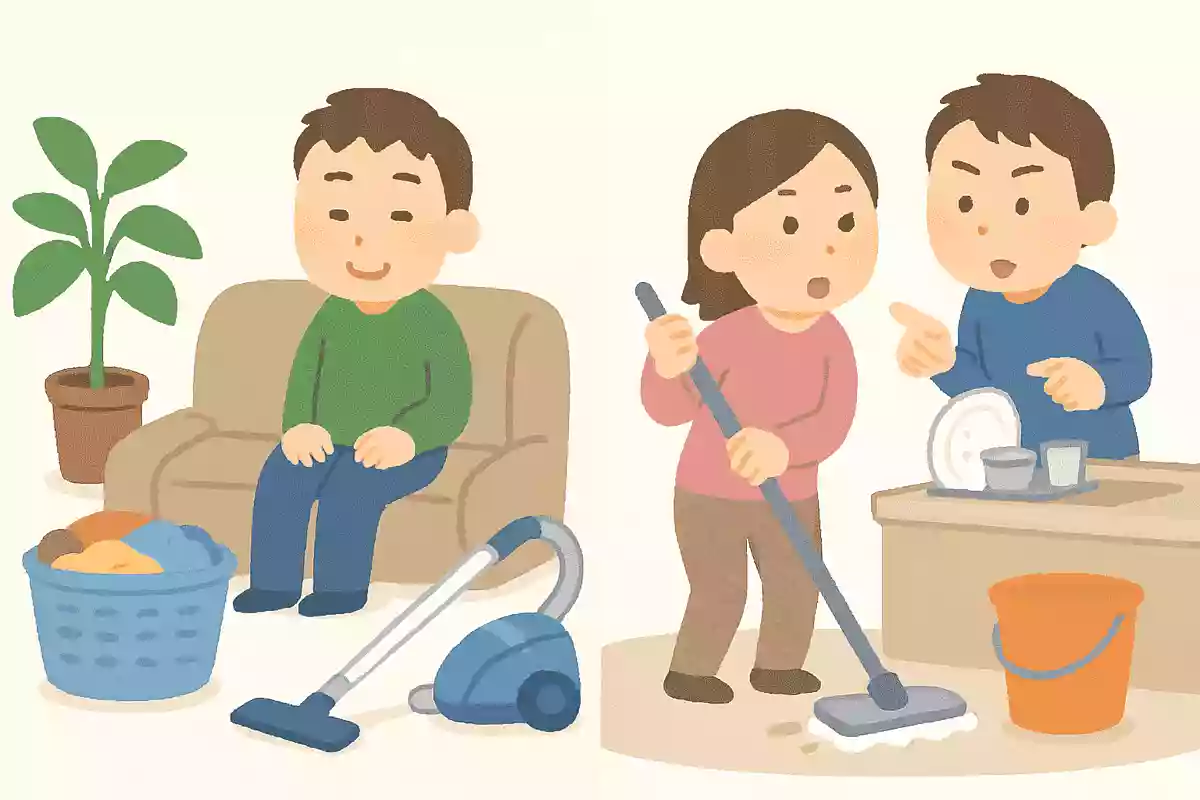
This question asks, within the context of a relationship with a husband or wife, what kind of involvement in housework you dislike.
Consider which you find worse: a partner who does nothing at all, or one who interferes and comments on how it should be done.
Some people may even know the worst-case scenario that combines both—someone who doesn’t help yet still criticizes.
It’s a question that can also reveal differences in how difficult each person finds housework and how they want to approach it.
Which would you save if they were drowning: your lover or your best friend?
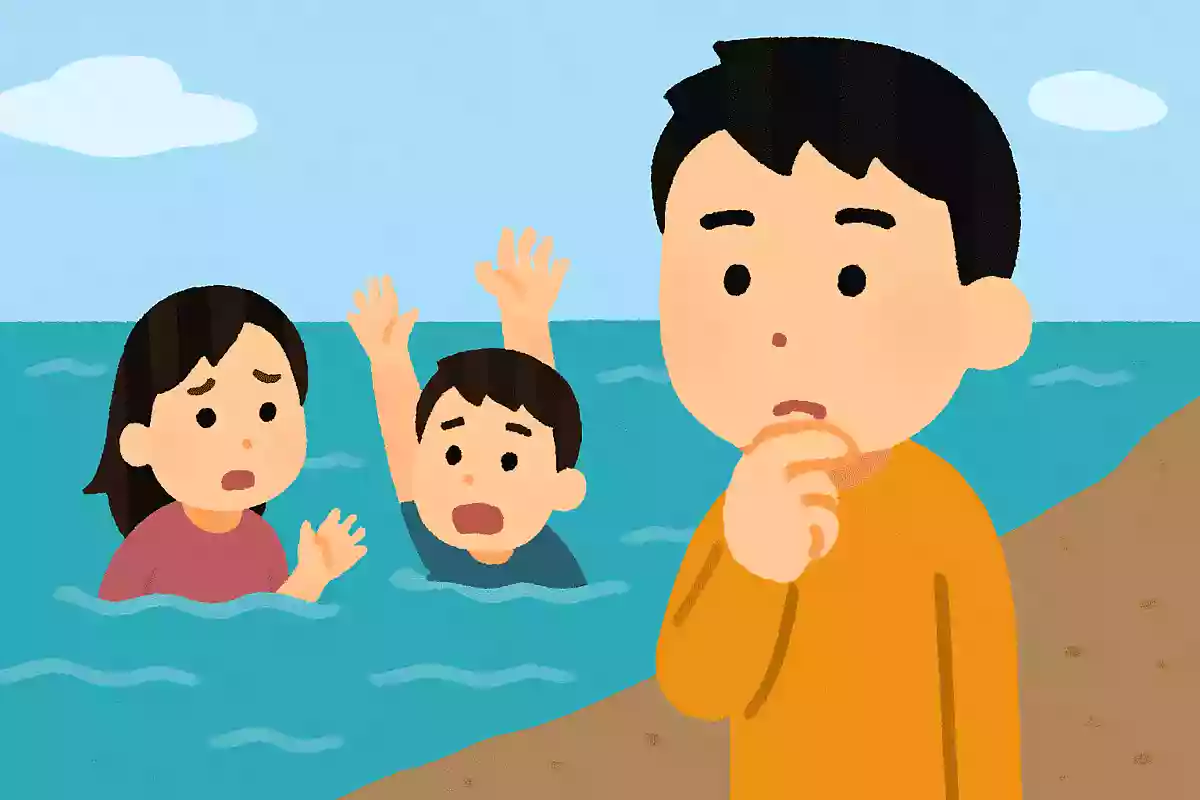
It’s a thorny question: if someone important to you is drowning right in front of you, would you save your romantic partner or your best friend? The decision could vary not only based on whom you value more, but also on factors like the depth of your relationship and the level of trust.
If you ask both scenarios—abandoning one versus saving them in sequence—you can also enjoy how the answers change.
Since posing this question in front of a partner or best friend could cause unnecessary conflict, it’s probably best to ask when they’re not around and get as neutral an answer as possible.
Which would you prefer: a 10% salary increase, or keeping the same salary with a three-day weekend?
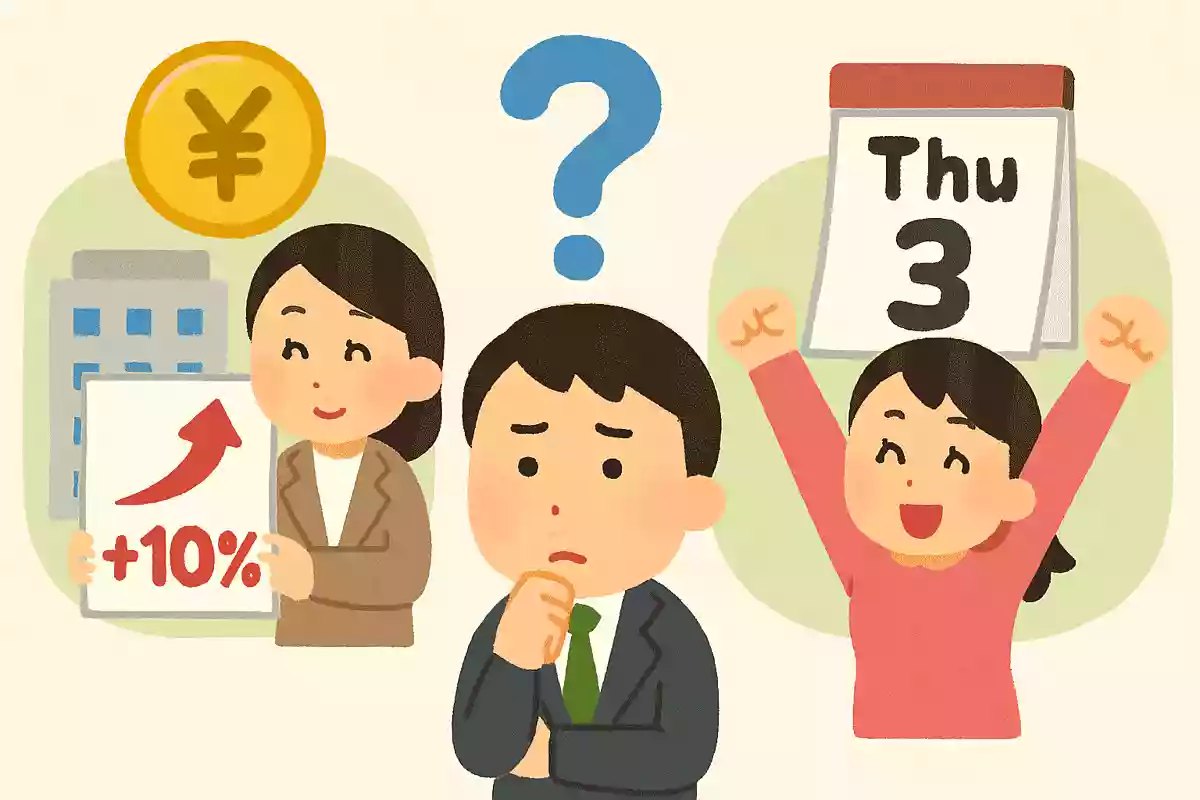
It’s the ultimate either-or question: money or time? A higher salary is great, but if the pay stays the same, a three-day weekend is hard to pass up… Which would you choose? Maybe you love your job, maybe there’s something you want to buy, or maybe you like your work but still want more free time—there are lots of reasons.
After they make their choice, be sure to ask why.
You might get an unexpected answer that completely changes the way you see them!

Which workplace would you rather work in: one where people talk behind your back, or one with power harassment?
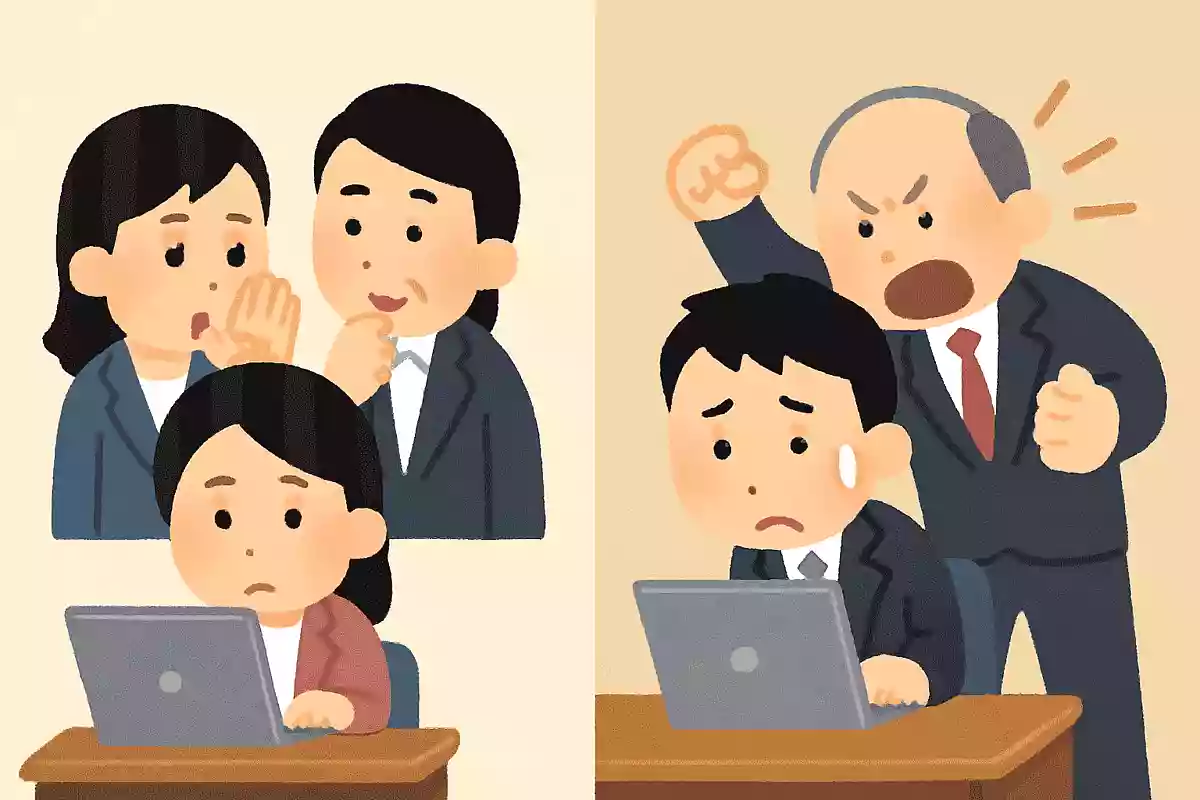
This is a question that asks you to assume there is inevitably a problem in the workplace and consider which you find more tolerable: gossip behind your back or power harassment.
Both are unpleasant situations, but let’s carefully imagine each scenario and decide based on whether you could endure it.
Clearly picturing the “enemy,” as well as factors like the intensity of the attacks and how far they reach, will likely influence which you feel you could withstand better.
It’s also recommended to think about your answer not only from the perspective of being a one-sided victim, but also from whether you could address and handle the problem.
Which would you rather date: someone whose food preferences don’t match yours, or someone who doesn’t share your sense of humor?

People’s values vary from person to person, and precisely because of those differences, there are situations where you feel distressed when interacting with others.
This question asks you to think about which gaps you could accept if you were to be with someone whose values differ from yours.
It presents a major either-or choice between food and sense of humor, and invites you to consider what kinds of situations those differences might create.
Since both are important in life, seeing which one a person prioritizes may also reveal something about their everyday life.
Two choices in work, relationships, and love (21–30)
Which is better for a date, sunny or cloudy?
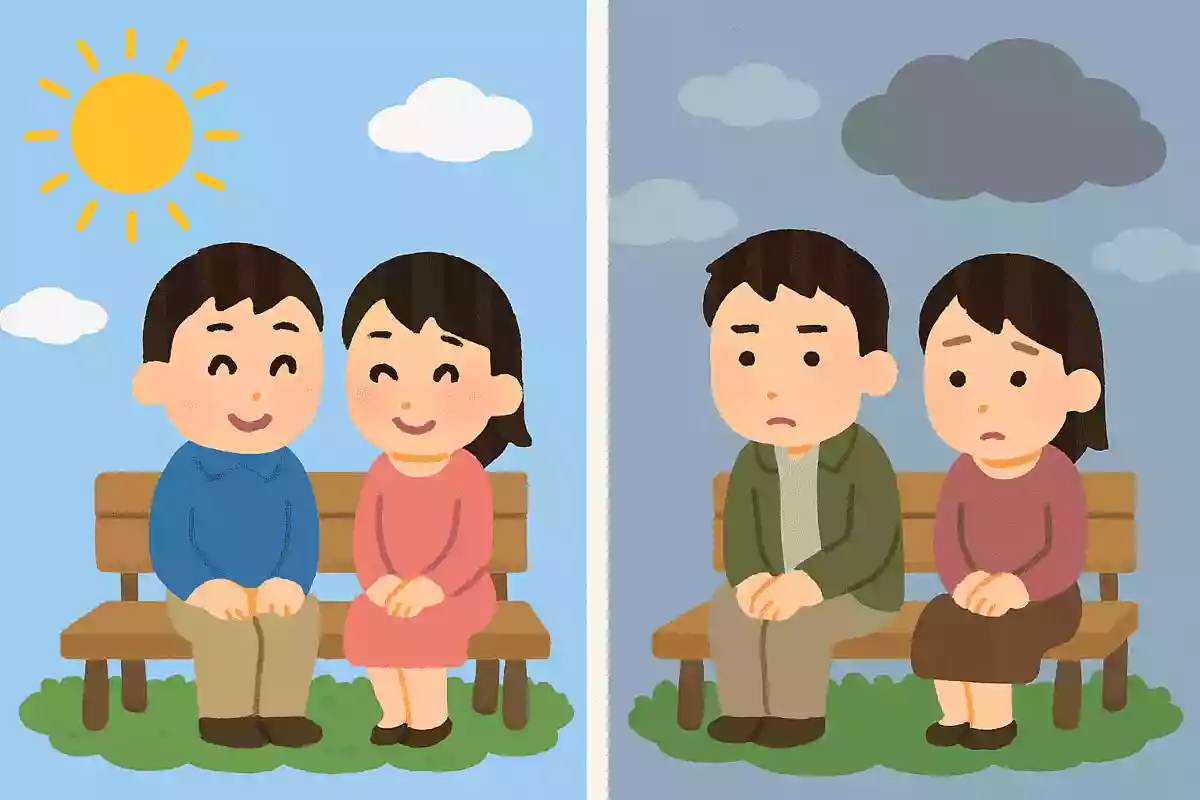
This is a question asking someone to consider whether sunny or cloudy weather is ideal for a date.
It can also be a chance to learn what feelings they associate with each type of weather and what weather-related things they might dislike.
Since weather affects temperature, pay attention to how answers might differ depending on the season being assumed.
You might also get a sense of the person’s practical savvy—such as whether they have date plans tailored to different weather—through this question.