

[Violin] A curated selection of beloved classic masterpieces and popular pieces that continue to be cherished across eras


The violin, an instrument beloved since the Baroque era—the very roots of classical music.
At times graceful, at times passionately expressive, the violin’s richly nuanced tone continues to soothe our hearts.
In this article, we introduce classical masterpieces that let you fully enjoy the charm of the violin, adored both as a solo instrument and as the star of orchestras and ensembles.
We’ll also share tidbits about the historical context of their composition and the composers themselves, so even newcomers to classical music can enjoy with ease!
- [Masterpiece Classics] A special showcase of gem-like masterpieces so beautiful they’ll move you to tears
- Cool classical masterpieces. Recommended classical music.
- Timelessly beautiful classical masterpieces. Recommended classical music.
- [Quartet] Masterpieces and Popular Pieces for String Quartet
- A poignant classic masterpiece. Recommended classical music.
- Classical Masterpieces: Recommended Works You Should Hear at Least Once
- Masterpieces of Ballet Music: Introducing Classic Favorites
- [Orchestra] Introducing famous and popular pieces
- Mendelssohn’s Masterpieces | Popular Classical Music
- Brahms's masterpieces. Popular classical music.
- Taro Hakase’s famous and popular songs
- Cello Masterpieces: A comprehensive introduction to exquisite classical works that let you savor its profound timbre
- Elgar’s masterpiece. Popular classical music.
[Violin] Carefully Selected Timeless and Beloved Classical Masterpieces and Popular Pieces (81–90)
Violin Sonata No. 2 in A Minor, for Solo (Unaccompanied)Eugene Ysaye
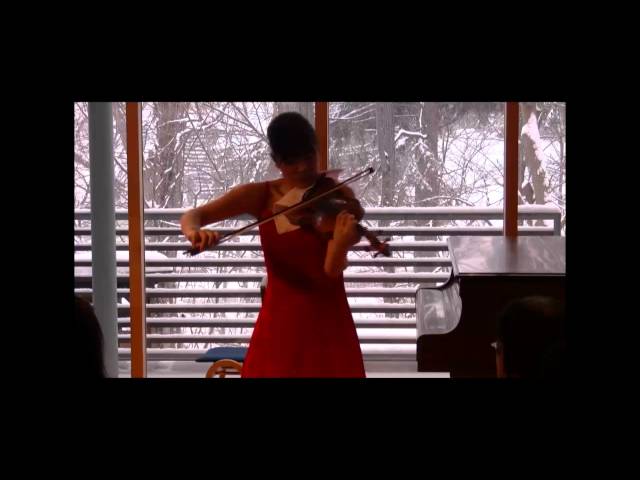
There’s an indescribable fascination to it: phrases from Bach’s unaccompanied Partitas appear here and there, while the piece moves with the irregularity of contemporary music.
Also, the third movement is subtitled “Dance of the Ghosts,” and the fourth “Avenging Goddess,” so if you listen while imagining those titles, I think you might find yourself surprisingly drawn in.
Concerto for Violin in minor and minor, Major RV 269 “La Primavera”: II. LargoAntonio Vivaldi
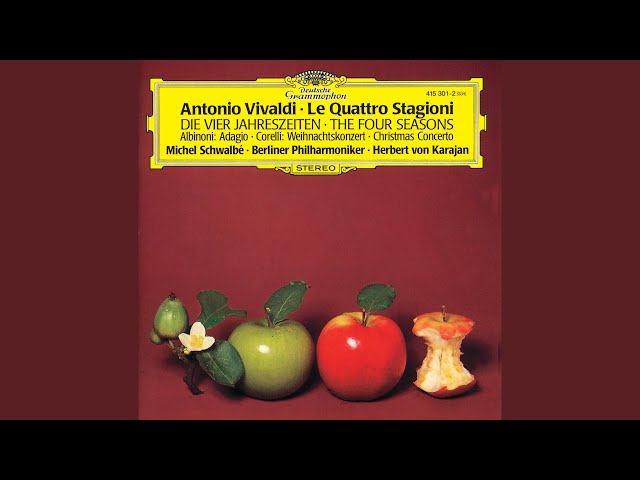
The second movement, Largo, from Spring in Vivaldi’s The Four Seasons.
You’ve probably heard of The Four Seasons; it’s the collective name for violin concertos No.
1 through No.
4.
In this second movement, it depicts flowers blooming across a meadow, the rustling sound of leaves on branches reaching toward the sky, and the barking of hunting dogs.
Over the quiet lines of the strings, the solo violin plays a tranquil, pastoral melody.

Habanera Opening No. 83: AllegroCamille Saint-Saëns

It is said that when Saint-Saëns set out on a concert tour with the violinist Albertini in 1885, he conceived this work in front of a brightly blazing fireplace at a hotel in Brest, where they were rained in during early winter.
After completing it, he dedicated the piece to Albertini as a memento of the trip.
Listeners can enjoy a folk-like melody in the habanera rhythm alongside virtuosic passages.
If aren’t necessary soGeorge Gershwin

This piece is from the three-act, nine-scene opera Porgy and Bess, composed in 1935—two years before the death of American composer George Gershwin.
A pioneering work that paved the way for the modern musical, it portrays the lives of poor African Americans living in a Southern town in the early 1920s.
Please enjoy the distinctive rhythms characteristic of jazz and Black music.
Violin Sonata No. 5 “Spring”Ludwig van Beethoven
Next, let me introduce a famous violin masterpiece by the “Saint of Music,” Beethoven.
Even those not very familiar with classical music may have heard this violin sonata somewhere at least once.
It remains beloved today and is performed as one of the greatest masterpieces for violin.