

[Weber] Masterpieces by the founder of German opera

Carl Maria von Weber was a German composer, conductor, and pianist of the early Romantic period, born in 1786.
With his opera Der Freischütz, he established the style of German Romantic opera and came to be known as the “founder of German opera.”
He is also known for leaving a profound legacy for future generations, such as reorganizing the orchestra into a layout closer to the modern arrangement and being among the first to use a baton.
While he composed many operas and orchestral works, he also performed as a pianist and was considered one of the finest of his time.
In this article, we introduce some of Weber’s masterpieces and signature works.
Be sure to give them a listen!
- Carl Maria von Weber Popular Song Rankings [2026]
- [Masterpiece Classics] A special showcase of gem-like masterpieces so beautiful they’ll move you to tears
- [Weber’s Piano Works] Exquisite Masterpieces by the Founder of German Opera
- Masterpieces by Franz Schubert: Sparkling classical works left by the King of Song. Recommended classical music.
- A masterpiece by Richard Wagner. Popular classical music.
- Robert Schumann | Introduction to his famous and representative works
- Mozart: An Introduction to His Signature and Popular Works
- Masterpieces of the Romantic Era: A sweeping introduction to soul-stirring, celebrated gems!
- Famous pieces recommended for opera beginners. Recommended opera songs.
- [Orchestra] Introducing famous and popular pieces
- Masterpieces by Gustav Mahler. Popular classical music.
- Classical Masterpieces: Recommended Works You Should Hear at Least Once
- Mendelssohn’s Masterpieces | Popular Classical Music
[Weber] Masterpieces by the Founder of German Opera (41–50)
Grand Polonaise “Bursting into Laughter,” Op. 72Carl Maria von Weber

The Polonaise brillante “Laughter” Op.
72 is a solo piano piece composed by Carl Maria von Weber in 1819 that leaves a bright and cheerful impression.
Reflecting Weber’s success as an opera composer, the work conveys a dazzling, romantic style, while also being known for its considerable technical sophistication.
The lively polonaise rhythm combined with Weber’s distinctive harmonies creates music that offers the joy of performing and the pleasure of listening at the same time.
It’s a recommended piece for those who want to take on a piano challenge, especially if you enjoy brilliant, showy repertoire.
[Weber] Masterpieces by the founder of German opera (51–60)
Overture to the opera “Der Freischütz,” Op. 77, J. 277Carl Maria von Weber
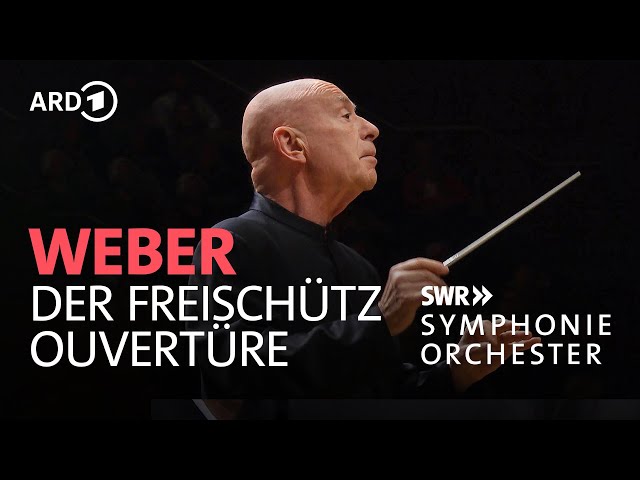
Carl Maria von Weber, a composer who epitomizes the early Romantic era in music.
His opera Der Freischütz is a monumental work that helped establish the German Romantic opera.
This overture is a dramatic piece that distills the essence of the entire opera.
The scene in the “Wolf’s Glen,” colored by otherworldly music, is breathtaking, delving into the heart of a story that depicts the conflict between good and evil.
With vivid orchestration and memorable melodies that fire the listener’s imagination, this masterpiece is a must-hear for classical music fans.
Weber: Opera “Der Freischütz” J.277 — Huntsmen’s ChorusCarl Maria von Weber

This is the Hunters’ Chorus from the opera Der Freischütz by Carl Maria von Weber, a German composer, conductor, and pianist born in 1786.
It is a male chorus performed in Act III, with a prominent horn ensemble.
The Hunters’ Chorus is often performed on its own in concerts.
First Movement from the Grand Duo Concertant for Clarinet and PianoCarl Maria von Weber

From the Grand Duo Concertant in E-flat major, Op.
48, for clarinet and piano: First movement, Allegro con fuoco (fast and passionate).
Lively phrases pass from the piano to the clarinet and then develop.
Clarinet: Mr.
Antonio Tinelli.
Concerto-like Grand Duo for Clarinet and Piano, Movement IICarl Maria von Weber

From Concertante Grand Duo for Clarinet and Piano in E-flat major, Op.
48 — Movement II: Andante con moto (moderately slow, with motion).
It conveys a melancholic melody and a sense of shifting emotions.
The clarinetist is Annelien Van Wauwe.
First movement from Clarinet Concerto No. 1Carl Maria von Weber

Clarinet Concerto No.
1 in F minor, Op.
73 – First Movement: Allegro (fast).
This is Weber’s first clarinet concerto.
The clarinet soloist is Roeland Hendrikx of the Belgian National Orchestra, and the orchestra is the Frascati Symphonic.
Second Movement from Clarinet Concerto No. 1Carl Maria von Weber

From Clarinet Concerto No.
1 in F minor, Op.
73, Movement II: Adagio ma non troppo (slowly, but not excessively).
I feel a sense of peace in its pastoral melody.
The clarinet soloist is Peng-Sheng Li, with the National Taiwan University of Arts Orchestra.