

Pick up Beethoven’s famous and representative works!

Ludwig van Beethoven created innovative music that served as a bridge from the Classical to the Romantic era, leaving a profound influence on later generations.
His music is passionate yet rich in beautiful melodies, and it conveys a sense of essential depth, as if pursuing things to their very core.
There are many masterpieces that everyone has heard at least once, such as “Fate” (Symphony No.
5) and “Für Elise.”
In this article, we’ve picked out some of Beethoven’s famous and representative works.
Why not immerse yourself in the music of Beethoven, one of the great composers?
- Mozart: An Introduction to His Signature and Popular Works
- Classical music by Japanese composers. Recommended classical music.
- Timelessly beautiful classical masterpieces. Recommended classical music.
- Cool classical masterpieces. Recommended classical music.
- [For Piano Recitals] Simple yet Cool Classical Pieces
- [Masterpiece Classics] A special showcase of gem-like masterpieces so beautiful they’ll move you to tears
- Debussy’s masterpiece. Popular classical music.
- Beethoven: A selection of gem-like masterpieces that are easy to play on the piano
- [Tchaikovsky] Pick up famous and representative pieces!
- Masterpieces by Franz Schubert: Sparkling classical works left by the King of Song. Recommended classical music.
- [Orchestra] Introducing famous and popular pieces
- J.S. Bach | Introducing Famous and Representative Works
- [Violin] A curated selection of beloved classic masterpieces and popular pieces that continue to be cherished across eras
[Beethoven] A selection of famous and signature pieces! (161–170)
Piano Sonata No. 30 in E majorLudwig van Beethoven

This work is one of the late piano pieces by the master of classical music, Ludwig van Beethoven.
Composed in 1820, it is a masterpiece created as Beethoven was losing his hearing.
Consisting of three movements, it is especially in the final movement that his inner thoughts and emotions seem to speak through the music with profound feeling.
Marked by complex harmonies and introspective beauty, the piece invites a wide range of interpretations by pianists.
It is highly recommended for those who wish to experience the deep emotional impact of classical music or explore the technical fascinations of the piano.
Piano Sonata No. 8 “Pathétique,” Second MovementLudwig van Beethoven
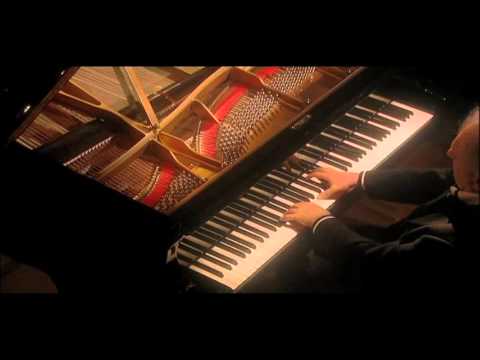
Composed by Ludwig van Beethoven around 1798, this piece was published in 1799 by Eder in Vienna and is widely known as one of Beethoven’s major early works.
Consisting of three movements, it condenses a rich variety of expression: a solemn introduction leading to dramatic development, a lyrical and beautiful melody, and a lively rondo form.
The second movement, in particular, is beloved for its beautiful melody and is frequently used in television and film, so many listeners may find it familiar.
It’s a perfect choice for graduation ceremony background music—the moving melody will make those important milestone moments even more memorable.
Piano Sonata No. 8 in C minor “Pathétique”Ludwig van Beethoven

Piano Sonata No.
8 in C minor, “Pathétique,” is a piano sonata composed by Ludwig van Beethoven.
It is said to be the first of his piano sonatas to achieve high acclaim and popularity.
The work was one of the factors that elevated Beethoven’s reputation not only as a pianist but also as a composer.
Minuet No. 2 in G majorLudwig van Beethoven

This is one piece from the “Six Minuets.” It was originally a collection of minuets written for orchestra, but Beethoven himself arranged it for solo piano; there is also a violin arrangement.
However, it seems the orchestral version has been lost.
Rather than being a powerful work, it has a delicate, fairy‑like whisper and a dreamy quality, which might make it suitable for mealtimes or for an entrance during a costume change at a wedding.
RomanceLudwig van Beethoven
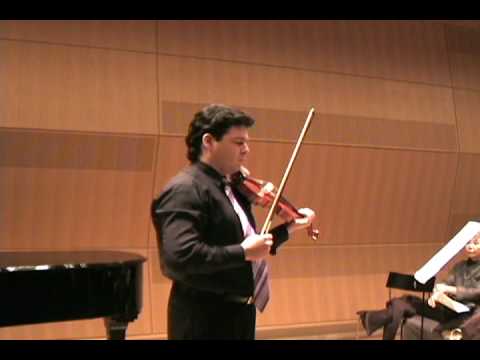
It’s a relaxed, slow-tempo piece that’s easy even for beginners to play, but you’ll need solid practice beforehand if you plan to perform it in front of others.
I highly recommend it as a gateway piece for advancing from a novice level toward graduation.
Romance in E-flat majorLudwig van Beethoven

Ludwig van Beethoven, the composer of Fate with its striking “Da-da-da-DAAA!” motif, also wrote Romance in F major—a work with a different feel from his usual image.
As the title “Romance” suggests, its sweet, romantic melody is beautiful.
While F major is a bright key, there are moments where the music evokes sadness, making it a rewarding listen.
The collaboration with the orchestra further highlights the graceful melodic line of the Romance in F major.
It’s one of those classic violin pieces that anyone studying the violin will want to play at least once.

Romance No. 2 in F major, Op. 50, for Violin and OrchestraLudwig van Beethoven

This piece, with its striking violin melody, was composed by Beethoven.
It’s said to have been written when he was around 28 years old.
Even if you don’t know the title, many people have probably heard it.
While it has Beethoven’s characteristic, crisp, earnest construction, it’s also a refreshing piece that conjures up images of landscapes vibrant with green.
Put this on for a drive or a trip, and it feels like the journey would become all the more enjoyable—such is this song.

Violin Sonata No. 5 in F major, Op. 24, 1st movementLudwig van Beethoven

Beethoven’s Violin Sonata No.
5 in F major, Op.
24, composed in 1801, is affectionately known as the “Spring” Sonata.
Many may remember it from performance scenes in the drama Nodame Cantabile, which portrays young people pursuing careers in music.
The first movement, in particular—renowned for its beautiful melody that evokes a gentle spring—pairs exceptionally well with the piano, and performing it on piano brings out the work’s elegance.
You can fully enjoy the unique resonance and rich tonal palette of the piano, offering a sound world not found in the original violin version.
Violin Sonata No. 5 “Spring,” First MovementLudwig van Beethoven

It begins with a violin melody as if sunlight were pouring down, followed by a lively piano tone that takes up the theme.
It feels as though the joy of welcoming spring after a harsh winter is infused into this piece.
It’s a track that brings a calm, positive feeling.
Violin Sonata No. 9 in A major, Op. 47 “Kreutzer Sonata”Ludwig van Beethoven

Are you looking for a violin sonata that radiates passion and innovation? Premiered by Beethoven in May 1803, this work opened a new musical frontier in which the violin and piano compete as equals.
Composed as the young Beethoven was beginning to lose his hearing, it masterfully fuses technical challenge with profound emotional expression.
It was originally intended to be dedicated to George Bridgetower, but the dedication was changed after a falling-out with him—an intriguing anecdote.
Highly recommended for those who want to experience the bridge from the Classical to the Romantic era.