

September Trivia Quiz & Fun Facts! A Fun Autumn Quiz for Kids

September marks the seasonal turning point when we gradually start to feel autumn approaching.
How about having fun learning with children about the changing seasons and traditional Japanese events? In this article, we’ve gathered trivia quizzes and fun facts related to September-specific events and happenings, such as Disaster Prevention Day, the Moon-Viewing Festival (Otsukimi), and Respect for the Aged Day.
We’ll present questions across a wide range of topics—natural phenomena, seasonal foods, and enjoyable tidbits of knowledge.
Let’s solve the quizzes and have fun learning about Japanese culture and important customs!
- Fun October Trivia Quiz & Facts! Exciting Questions for Kids
- A collection of trivia and fun facts about September as we await autumn
- [For Kids] November Trivia Quiz & Fun Facts: Let’s Learn While Having Fun!
- [Common Sense & Trivia] True-or-False Quiz with Knowledge for Elementary School Students
- Trivia quiz with useful tips to know: fun facts that come in handy at school or at home [for kids]
- Fun facts you’ll want to share! A roundup of October trivia and tidbits
- February trivia quizzes that elementary school kids will love. Get excited with fun facts about commemorative days.
- Trivia you think you know but surprisingly don’t? August trivia and fun facts quiz!
- [For Elementary School Students] Trivia About April
- Trivia quiz about schools: a roundup of fun facts you’ll want to brag about
- So interesting you’ll want to tell someone! December Trivia & Fun Facts Special
- Fun facts about the Moon. A rapid-fire quiz!
- Will you like May even more once you know? Fun May trivia elementary schoolers should know
September trivia quiz & fun facts! A fun autumn quiz for kids (1–10)
What animal is said to be hidden in the full moon of the Fifteenth Night?

- rabbit
- Fox
- turtle
See the answer
rabbit
In Japan, it’s said that on the full moon of the Mid-Autumn Festival, you can see a rabbit using a mortar and pestle to pound rice cakes. However, it seems quite different overseas: in South America people see a crocodile, in Mongolia a dog, and in Germany a man carrying firewood.

What day is the third Monday of September?

- Health and Sports Day
- Respect for the Aged Day
- Culture Day
See the answer
Respect for the Aged Day
The third Monday of September is Respect for the Aged Day. On this day, we cherish older people such as grandfathers and grandmothers, express our gratitude, and celebrate longevity. If your grandparents live nearby, go see them in person; if they live far away, give them a call and let them hear your cheerful voice.
What is another name for the pampas grass displayed during the moon-viewing festival?
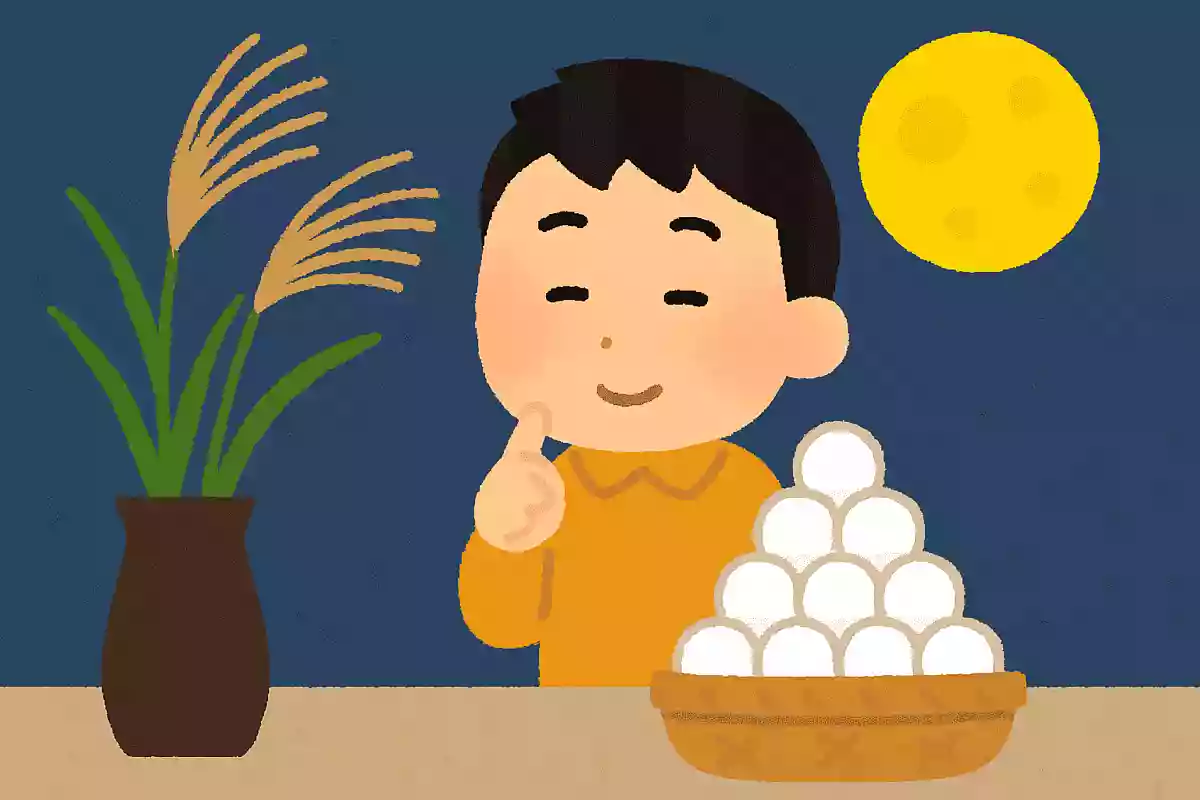
- Brush Flower
- Obana
- hair flower
See the answer
Obana
Susuki (Japanese pampas grass) is a plant often displayed during the moon-viewing festival, carrying wishes of gratitude for the harvest and protection from misfortune. Susuki is also known by the alternative name “obana.” This name comes from the way its fluffy flower spikes resemble an animal’s tail.

September Trivia Quiz & Fun Facts! Fun Autumn Quiz for Kids (11–20)
What is September called in the lunar calendar?

- Minazuki (the traditional Japanese name for the sixth month)
- Fumizuki (the traditional Japanese name for the month of July)
- Nagatsuki
See the answer
Nagatsuki
In the old lunar calendar, September is written as “Nagatsuki” and pronounced “nagatsuki.” As autumn deepens and the nights grow longer, it was originally called “Yonanagatsuki,” meaning “the month when nights become longer,” which was then shortened to “Nagatsuki.” On nights when the air grows increasingly clear, be sure to take a look at the beautifully shining moon.
What is the large consecutive holiday in September called?

- Golden Week
- Silver Week
- Sapphire Week
See the answer
Silver Week
The long holiday period in September is called Silver Week. It’s a long break that comes when Respect for the Aged Day and the Autumnal Equinox fall close together. Depending on the calendar, it can become a series of consecutive holidays, and many people enjoy traveling and leisure activities. The name “Silver Week” was inspired by the spring holiday period known as Golden Week.
In which era was the first sports day held in Japan?

- Edo period
- Meiji era
- Taisho era
See the answer
Meiji era
The first athletic meet in Japan was held during the Meiji era. In 1874 (Meiji 7), it took place at a naval training school under the name “Kyōtō Yūgikai” (Competitive Games Gathering). As in modern times, participants ran and competed using poles, but the events were reportedly given very difficult names.
Which is the birthstone for September?

- Peridot
- Sapphire
- Opal
See the answer
Sapphire
The birthstone for September is sapphire. Sapphire, whose name comes from the Latin “sapphirus,” is a gemstone known for its beautiful blue color and has long been said to symbolize wisdom, sincerity, and trust. Because of its high hardness, it’s popular as jewelry and is also cherished as a good-luck charm.