

September Trivia Quiz & Fun Facts! A Fun Autumn Quiz for Kids

September marks the seasonal turning point when we gradually start to feel autumn approaching.
How about having fun learning with children about the changing seasons and traditional Japanese events? In this article, we’ve gathered trivia quizzes and fun facts related to September-specific events and happenings, such as Disaster Prevention Day, the Moon-Viewing Festival (Otsukimi), and Respect for the Aged Day.
We’ll present questions across a wide range of topics—natural phenomena, seasonal foods, and enjoyable tidbits of knowledge.
Let’s solve the quizzes and have fun learning about Japanese culture and important customs!
- Fun October Trivia Quiz & Facts! Exciting Questions for Kids
- A collection of trivia and fun facts about September as we await autumn
- [For Kids] November Trivia Quiz & Fun Facts: Let’s Learn While Having Fun!
- [Common Sense & Trivia] True-or-False Quiz with Knowledge for Elementary School Students
- Trivia quiz with useful tips to know: fun facts that come in handy at school or at home [for kids]
- Fun facts you’ll want to share! A roundup of October trivia and tidbits
- February trivia quizzes that elementary school kids will love. Get excited with fun facts about commemorative days.
- Trivia you think you know but surprisingly don’t? August trivia and fun facts quiz!
- [For Elementary School Students] Trivia About April
- Trivia quiz about schools: a roundup of fun facts you’ll want to brag about
- So interesting you’ll want to tell someone! December Trivia & Fun Facts Special
- Fun facts about the Moon. A rapid-fire quiz!
- Will you like May even more once you know? Fun May trivia elementary schoolers should know
September Trivia Quiz & Fun Facts! Fun Autumn Quiz for Kids (21–30)
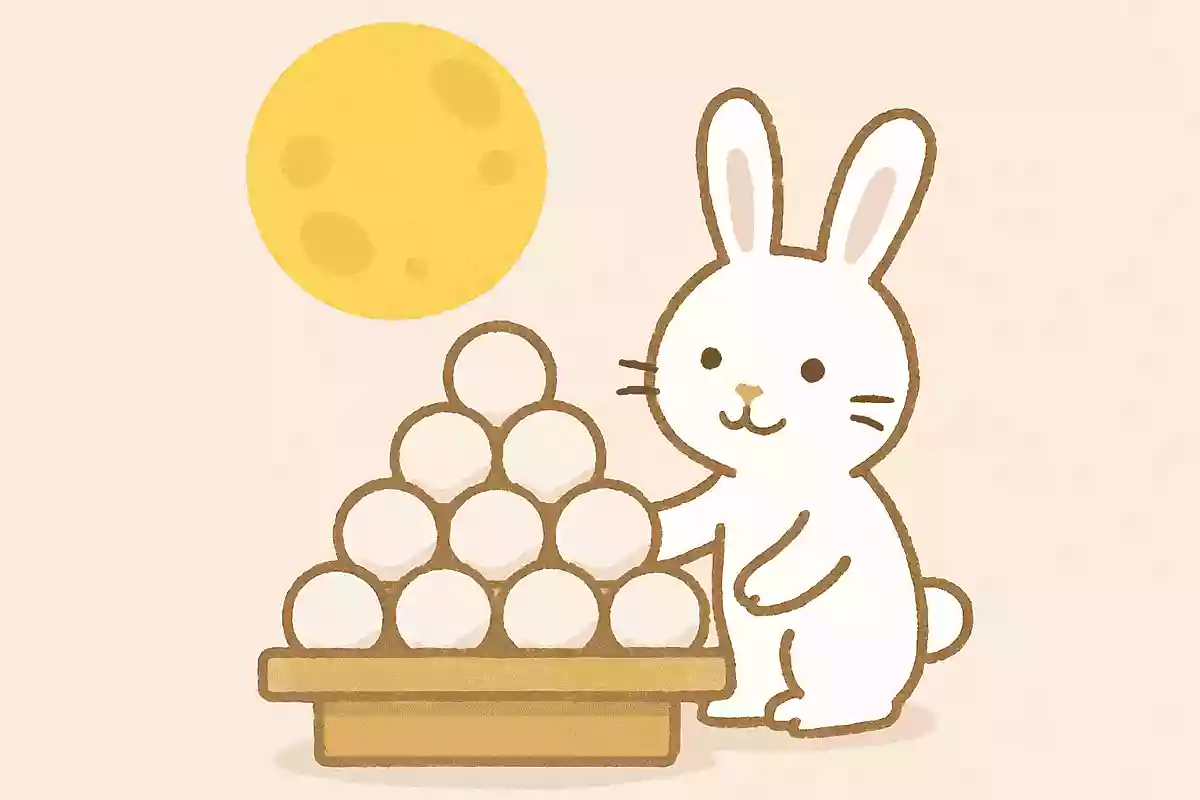
What is the auspicious size for tsukimi dango?
- approximately 1.5 centimeters in diameter
- approximately 2.5 centimeters in diameter
- approximately 4.5 cm in diameter
See the answer
approximately 4.5 cm in diameter
The traditional size of tsukimi dango is said to be about 4.5 centimeters in diameter, which equals one sun and five bu. This “one sun, five bu” is a play on words with “Jugoya” (the fifteenth night) and is considered auspicious. If you want to honor the origins and traditions of the festival, it’s recommended to make them in this size.

What began on September 10, 1960?

- Color television broadcasting
- Telephone service
- Newspaper publication
See the answer
Color television broadcasting
September 10, 1960, marks the day when full-scale color television broadcasting began in Japan. Until then, black-and-white broadcasts were the norm, but this day sparked a major shift into the era of color TV. As color television spread, people could enjoy TV programs and sports broadcasts with greater realism, significantly changing daily life and the way people enjoyed entertainment.
September Trivia Quiz & Fun Facts! Enjoyable Autumn Quiz for Kids (31–40)
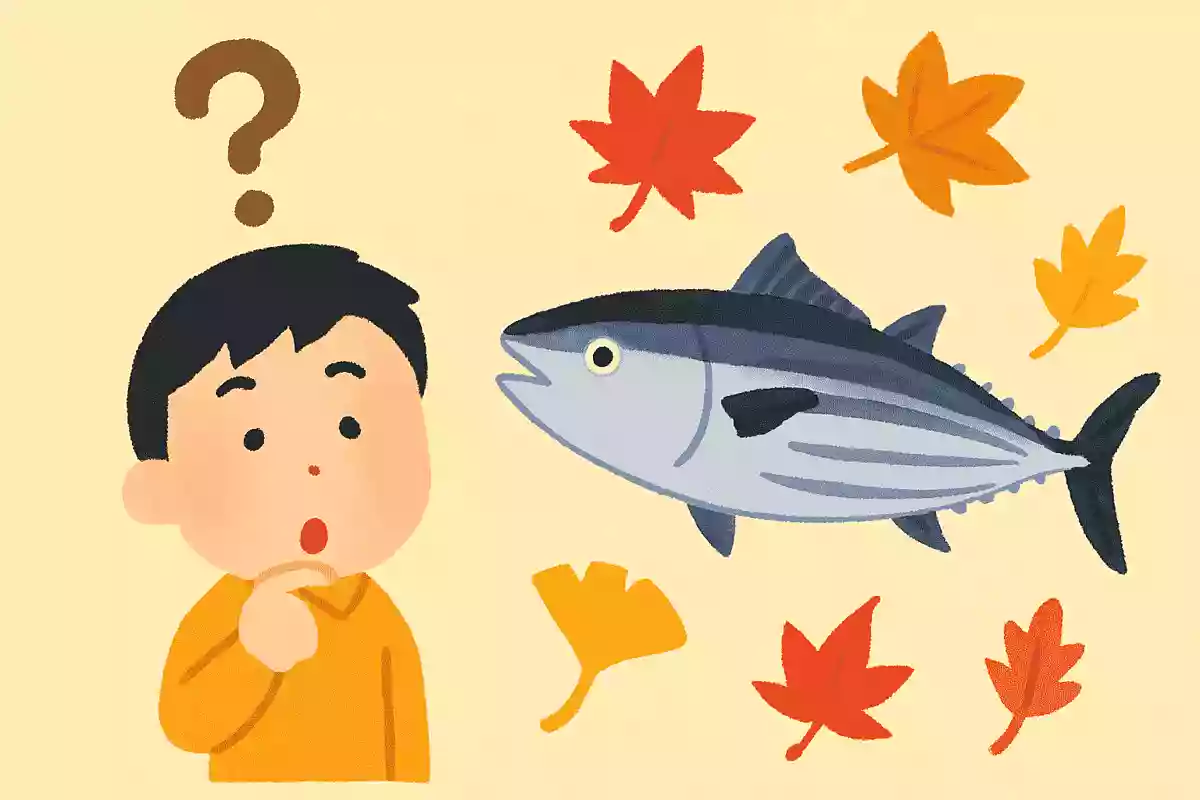
What is the bonito caught around September called?
- first bonito (the early-season skipjack tuna)
- autumn-returning skipjack tuna
- Autumn bonito
See the answer
autumn-returning skipjack tuna
The bonito caught around September is called “modori-gatsuo” (returning bonito). Bonito that come to the Japanese coast from spring to early summer pass near Japan again as they head back south from northern waters. Compared to spring bonito, fish caught during this period are characterized by having higher fat content.
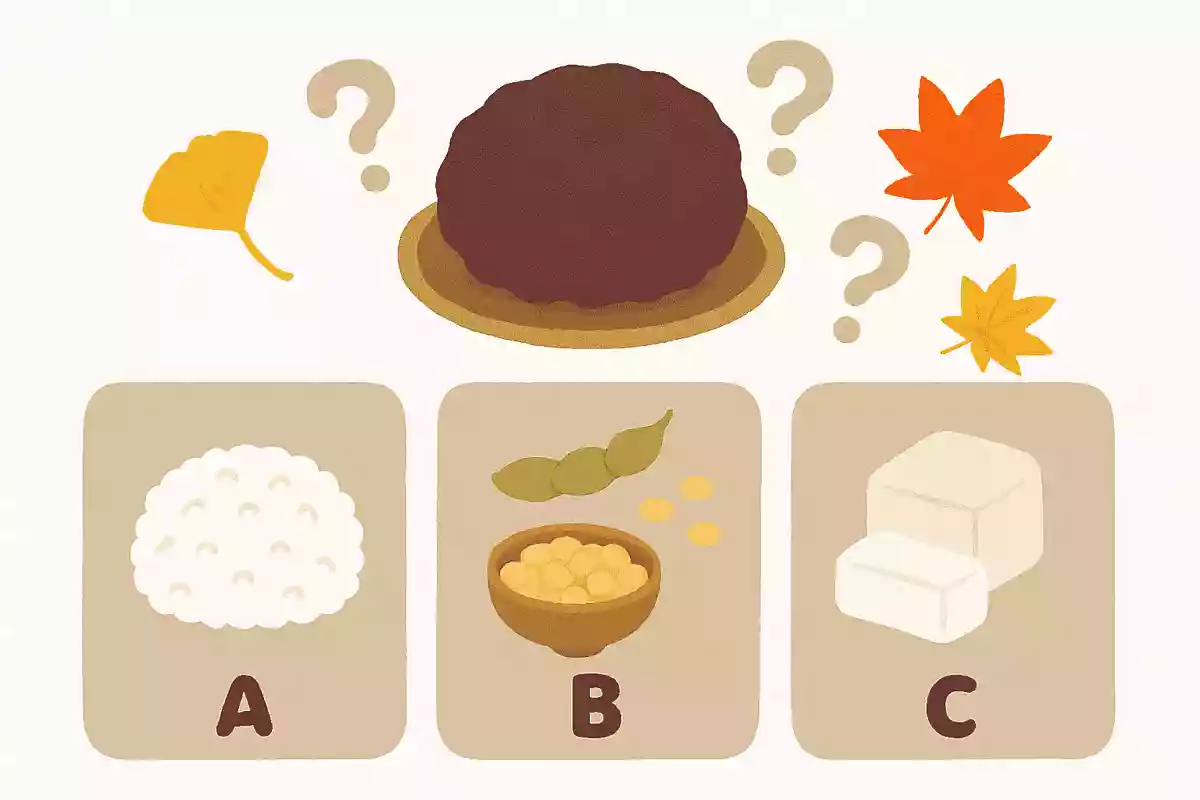
Which one is used in the dough of ohagi?
- glutinous rice
- flour
- potato starch
See the answer
glutinous rice
Ohagi is a traditional Japanese confection often eaten during the autumn equinoctial week and similar occasions. Its base is made with glutinous rice. When cooked, glutinous rice develops a chewy texture that makes it easier to wrap with sweet red bean paste and gives ohagi its distinctive mouthfeel and flavor.
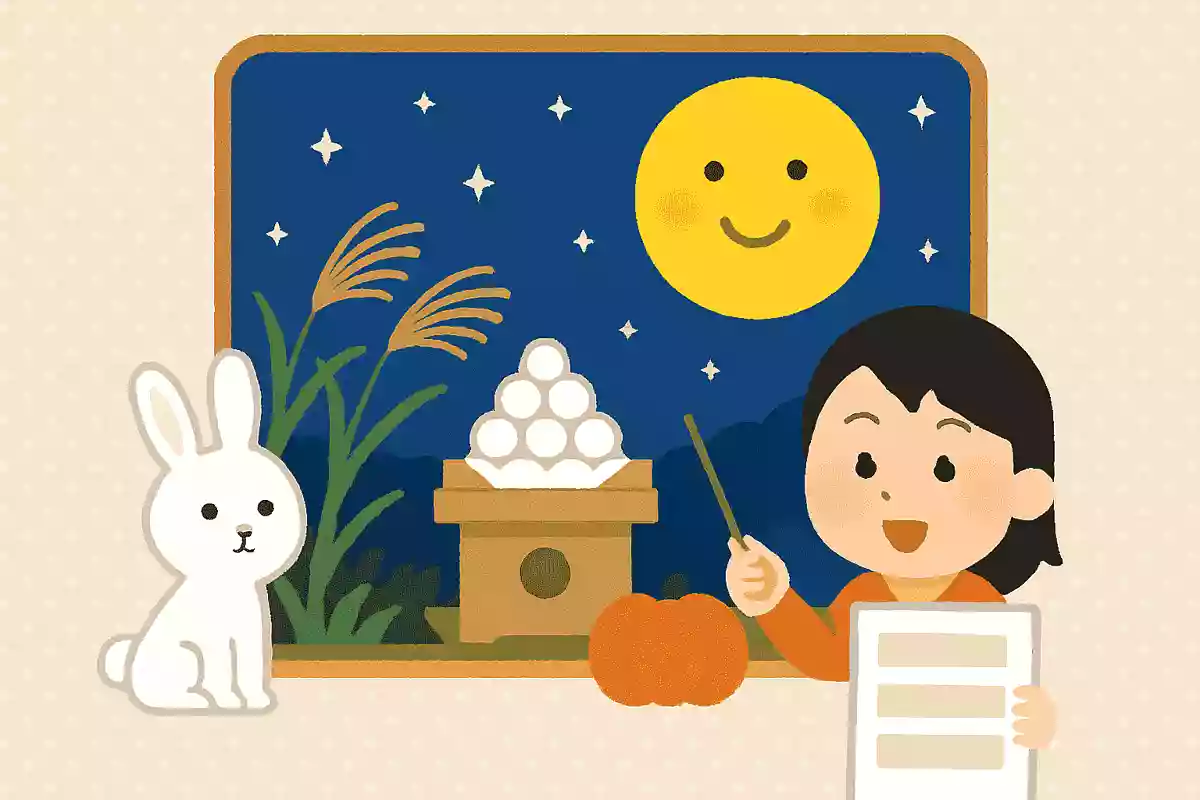
In which era did the moon-viewing custom spread?
- Heian period
- Kamakura period
- Edo period
See the answer
Heian period
The custom of moon viewing is said to have been brought from China during the Heian period. Records show that aristocrats composed waka poems while admiring the moon and enjoyed sake and lavish meals. Since the Heian period lasted a long time, a uniquely Japanese moon-viewing culture developed, and it seems reasonable to think that traces of it remain in today’s moon-viewing practices.
What is the meaning behind the pampas grass (susuki) displayed during the moon-viewing festival?

- amulet against evil
- Improved financial luck
- prosperity of descendants
See the answer
amulet against evil
It’s said that displaying pampas grass during the moon-viewing festival serves as a talisman against evil. People in the past believed pampas grass had the power to ward off harmful things. Also, because its shape resembles rice ears, it came to be displayed with wishes for a bountiful harvest. In this way, it’s an item imbued with various meanings.
Which organ does a Pacific saury not have?
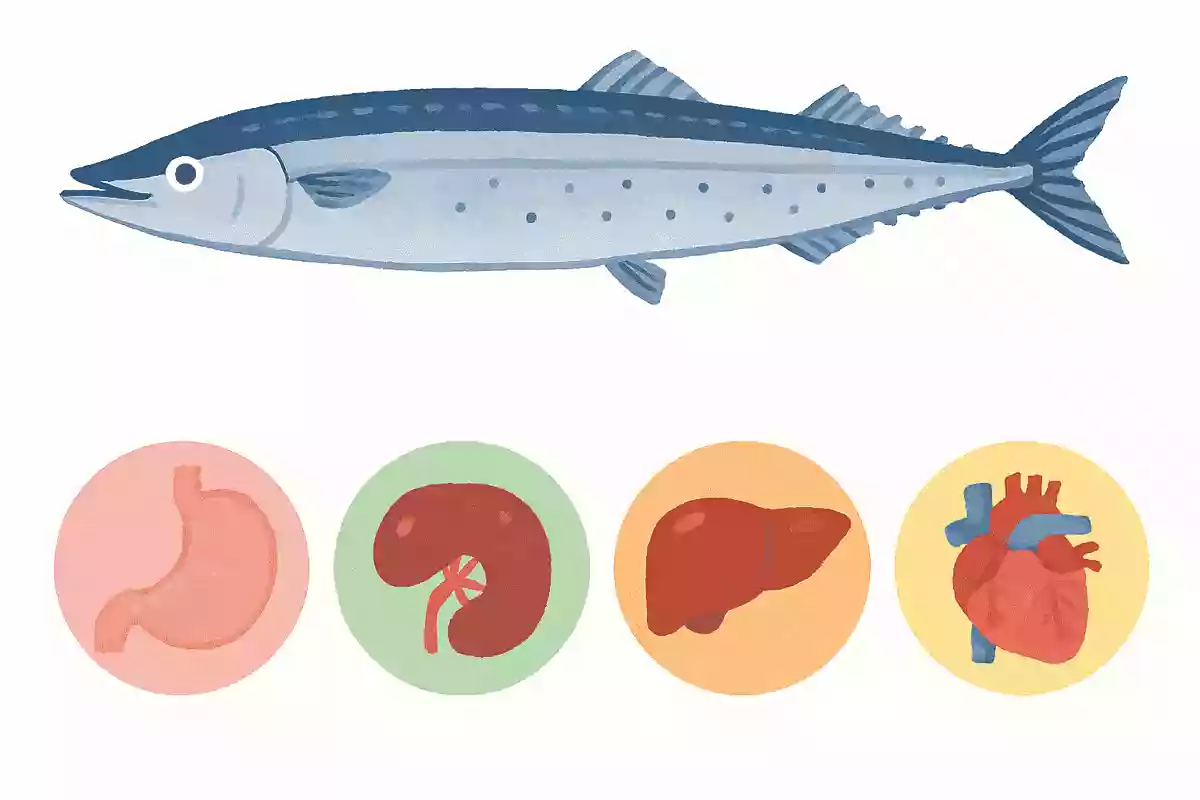
- heart
- stomach
- brain
See the answer
stomach
Pacific saury don’t have a “stomach.” Some fish, including saury, lack a stomach for digesting what they eat; their esophagus connects directly to the intestines. As a result, food bypasses the stomach and is digested and absorbed directly. Because they don’t have a stomach, it’s said that gutting saury is relatively simple.