

September Trivia Quiz & Fun Facts! A Fun Autumn Quiz for Kids

September marks the seasonal turning point when we gradually start to feel autumn approaching.
How about having fun learning with children about the changing seasons and traditional Japanese events? In this article, we’ve gathered trivia quizzes and fun facts related to September-specific events and happenings, such as Disaster Prevention Day, the Moon-Viewing Festival (Otsukimi), and Respect for the Aged Day.
We’ll present questions across a wide range of topics—natural phenomena, seasonal foods, and enjoyable tidbits of knowledge.
Let’s solve the quizzes and have fun learning about Japanese culture and important customs!
- Fun October Trivia Quiz & Facts! Exciting Questions for Kids
- A collection of trivia and fun facts about September as we await autumn
- [For Kids] November Trivia Quiz & Fun Facts: Let’s Learn While Having Fun!
- [Common Sense & Trivia] True-or-False Quiz with Knowledge for Elementary School Students
- Trivia quiz with useful tips to know: fun facts that come in handy at school or at home [for kids]
- Fun facts you’ll want to share! A roundup of October trivia and tidbits
- February trivia quizzes that elementary school kids will love. Get excited with fun facts about commemorative days.
- Trivia you think you know but surprisingly don’t? August trivia and fun facts quiz!
- [For Elementary School Students] Trivia About April
- Trivia quiz about schools: a roundup of fun facts you’ll want to brag about
- So interesting you’ll want to tell someone! December Trivia & Fun Facts Special
- Fun facts about the Moon. A rapid-fire quiz!
- Will you like May even more once you know? Fun May trivia elementary schoolers should know
September Trivia Quiz & Fun Facts! Fun Autumn Quiz for Kids (11–20)
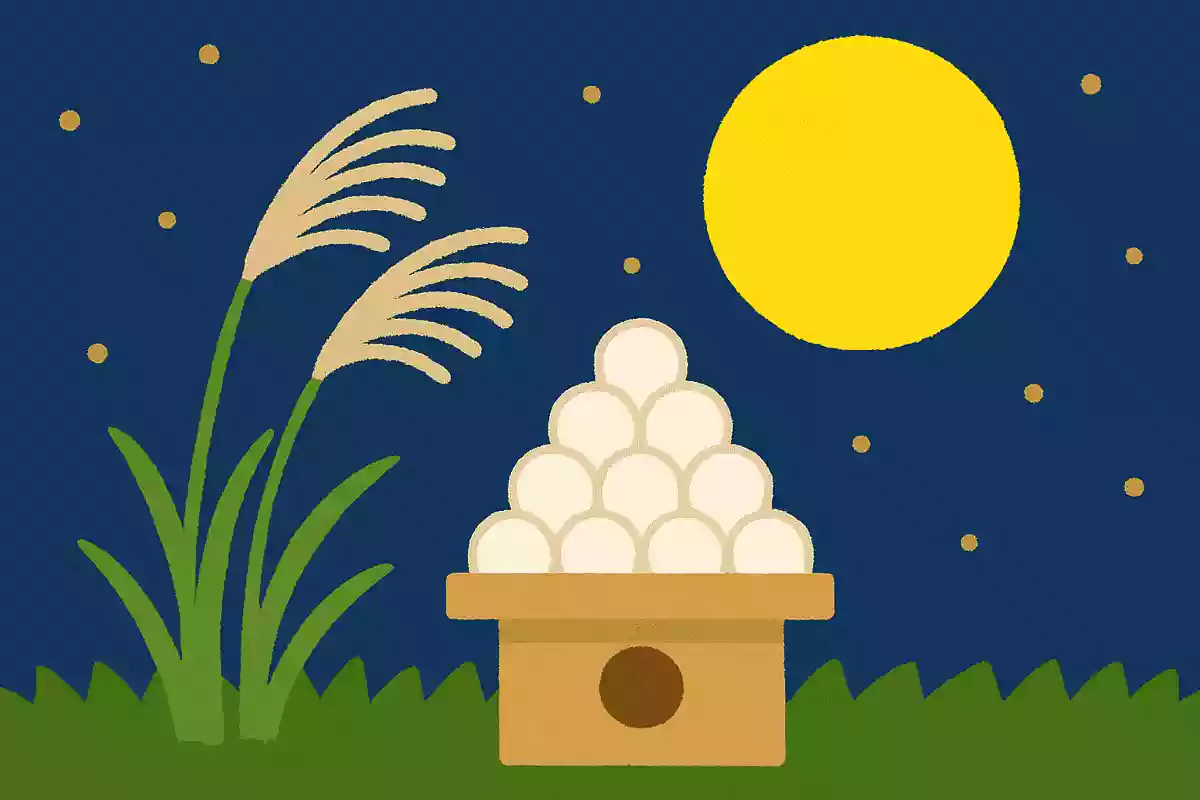
What food, resembling the moon, is offered on the night of the full moon (Jūgoya)?
- Takoyaki
- Moon-viewing dumplings
- rice ball
See the answer
Moon-viewing dumplings
On the night of the harvest moon, people offer moon-viewing dumplings, which are round like the full moon. The dumplings are offered in gratitude for a successful rice harvest this year and in prayer for a safe and abundant harvest next year. When offering the dumplings, be sure to place pampas grass alongside them.

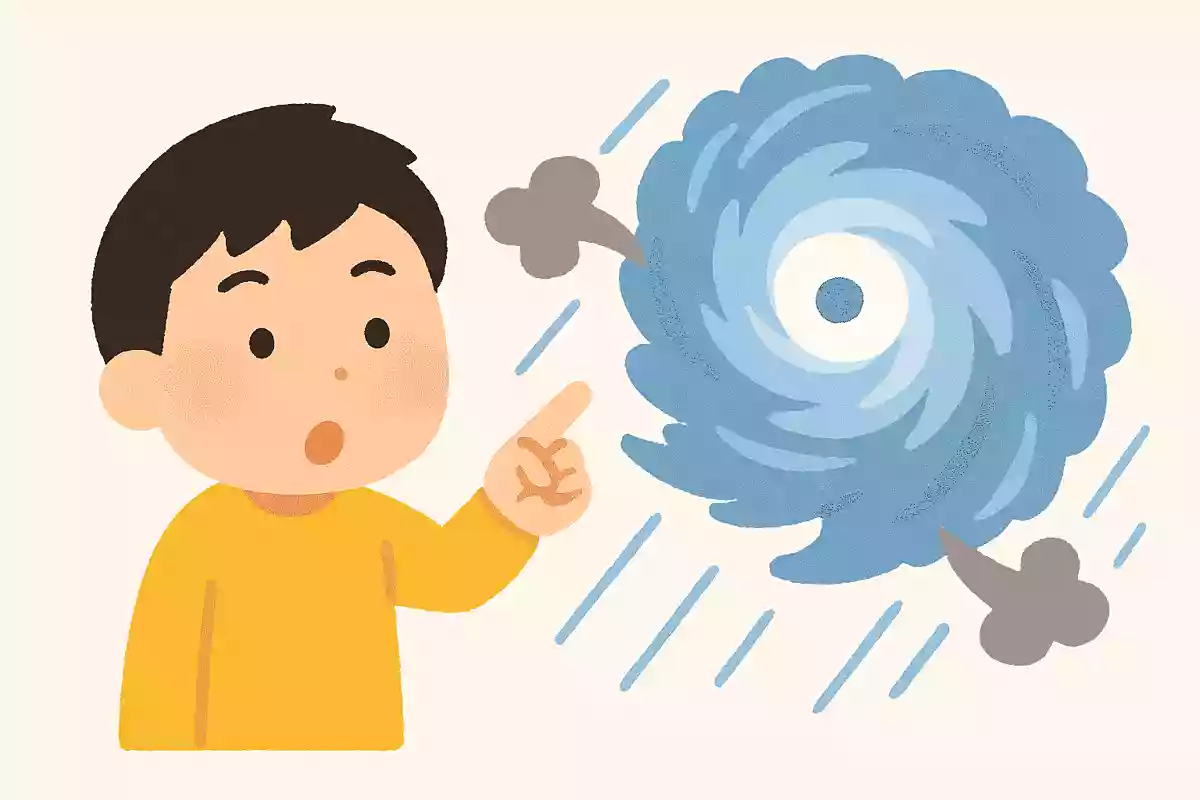
What is the center of a typhoon called?
- eye
- mouth
- nose
See the answer
eye
The central part of a typhoon is called the “eye.” When you look at cloud images in weather forecasts, you can see a clear hole in the middle of the typhoon—this is the eye. When you pass into this area, the clouds disappear and it doesn’t rain, but once you step back into the typhoon’s domain, the weather quickly turns severe again.
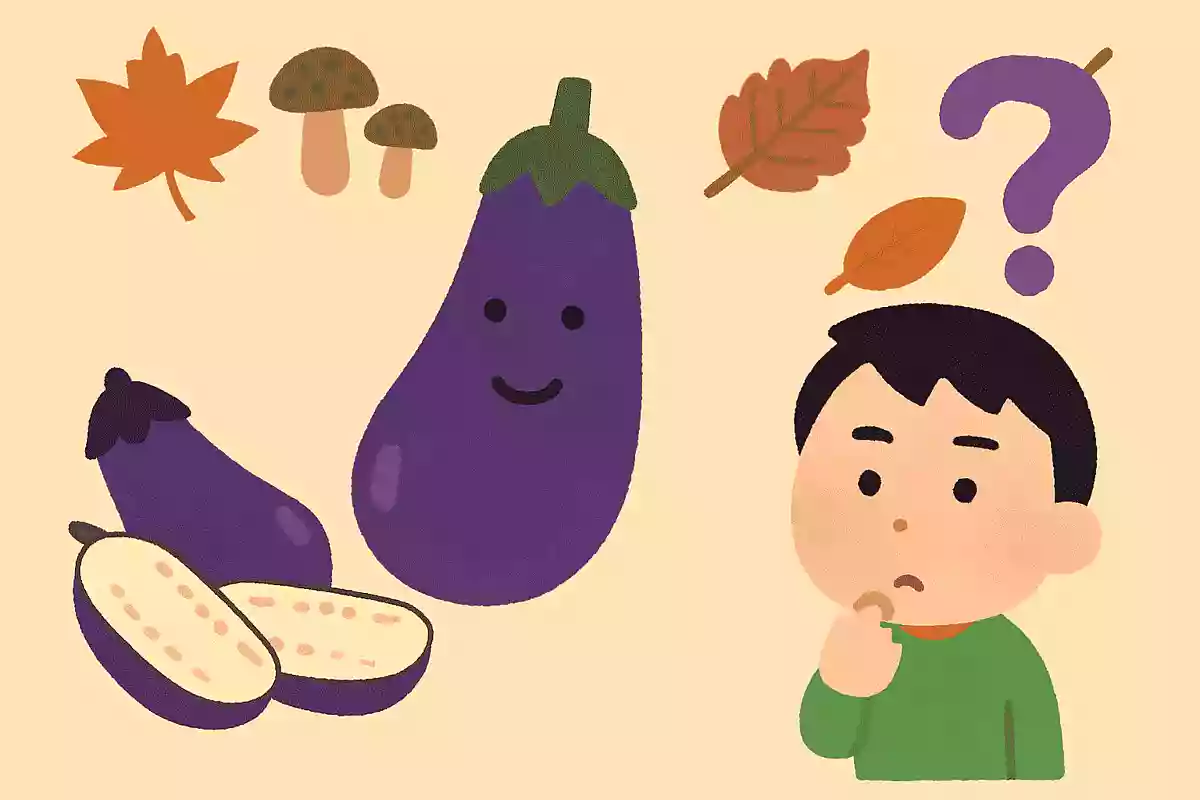
In the proverb, it is said, “Don’t let whom eat autumn eggplants?”
- wife; bride; (colloquial/otaku slang) waifu
- mother
- older sister
See the answer
wife; bride; (colloquial/otaku slang) waifu
The Japanese proverb “Akinasu wa yome ni kuwassuna” (“Don’t let your wife eat autumn eggplants”) has two interpretations: one is that autumn-harvested eggplants are so delicious that you wouldn’t want your bride to have them; the other is that eggplants can cool the body, so out of concern for her health, it’s better not to let her eat them. The amusing part is that these two meanings are the exact opposite of each other.

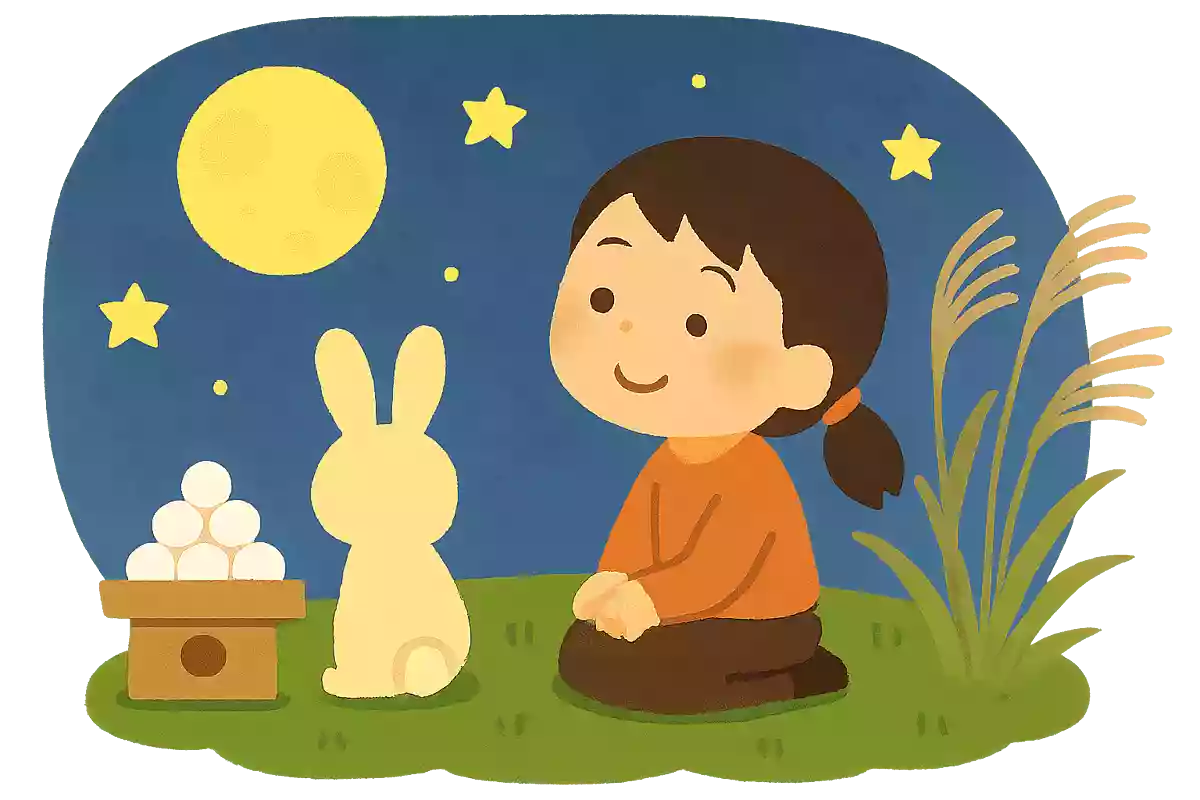
What is the day in September called when the length of day and night is the same?
- Vernal Equinox Day
- Autumnal Equinox Day
- Citizen's Holiday
See the answer
Autumnal Equinox Day
Autumnal Equinox Day is when the length of day and night are almost the same. The date changes every year and usually falls around September 23. Since it lands in the middle of the Ohigan period, let’s make it a day to honor our ancestors by visiting graves and remembering them.
What is the reason red dragonflies turn red?

- Because I got sunburned
- To attract females
- Because I eat red things.
See the answer
To attract females
The reason red dragonflies turn red is that males do so to attract females. Before they mature, both males and females are yellowish, but only the males turn red as they grow. When you go outside, try looking for red dragonflies!
How do you read “秋刀魚”?

- Spanish mackerel
- mackerel
- Pacific saury
See the answer
Pacific saury
“秋刀魚” is read as “sanma.” It’s said that these characters were chosen because sanma is in season in autumn and its silvery shape looks like a sword. Incidentally, until around the latter half of the Meiji era, it was written not as “秋刀魚” but as “三馬” or “三摩.”
September Trivia Quiz & Fun Facts! Fun Autumn Quiz for Kids (21–30)
How many dumplings are typically offered for the Harvest Moon (Mid-Autumn Moon)?

- 10 pieces
- 15 pieces
- 20 pieces
See the answer
15 pieces
It is traditionally said that fifteen dumplings are offered for the Harvest Moon (Chushu no Meigetsu). This custom is linked to the fifteenth night of the eighth month in the lunar calendar, and on that night people stack fifteen dumplings in a mound as an offering while appreciating the full moon and giving thanks for the harvest. The number may vary by region, but fifteen is the most widely known.