

September Trivia Quiz & Fun Facts! A Fun Autumn Quiz for Kids

September marks the seasonal turning point when we gradually start to feel autumn approaching.
How about having fun learning with children about the changing seasons and traditional Japanese events? In this article, we’ve gathered trivia quizzes and fun facts related to September-specific events and happenings, such as Disaster Prevention Day, the Moon-Viewing Festival (Otsukimi), and Respect for the Aged Day.
We’ll present questions across a wide range of topics—natural phenomena, seasonal foods, and enjoyable tidbits of knowledge.
Let’s solve the quizzes and have fun learning about Japanese culture and important customs!
- Fun October Trivia Quiz & Facts! Exciting Questions for Kids
- A collection of trivia and fun facts about September as we await autumn
- [For Kids] November Trivia Quiz & Fun Facts: Let’s Learn While Having Fun!
- [Common Sense & Trivia] True-or-False Quiz with Knowledge for Elementary School Students
- Trivia quiz with useful tips to know: fun facts that come in handy at school or at home [for kids]
- Fun facts you’ll want to share! A roundup of October trivia and tidbits
- February trivia quizzes that elementary school kids will love. Get excited with fun facts about commemorative days.
- Trivia you think you know but surprisingly don’t? August trivia and fun facts quiz!
- [For Elementary School Students] Trivia About April
- Trivia quiz about schools: a roundup of fun facts you’ll want to brag about
- So interesting you’ll want to tell someone! December Trivia & Fun Facts Special
- Fun facts about the Moon. A rapid-fire quiz!
- Will you like May even more once you know? Fun May trivia elementary schoolers should know
September Trivia Quiz & Fun Facts! Enjoyable Autumn Quiz for Kids (31–40)
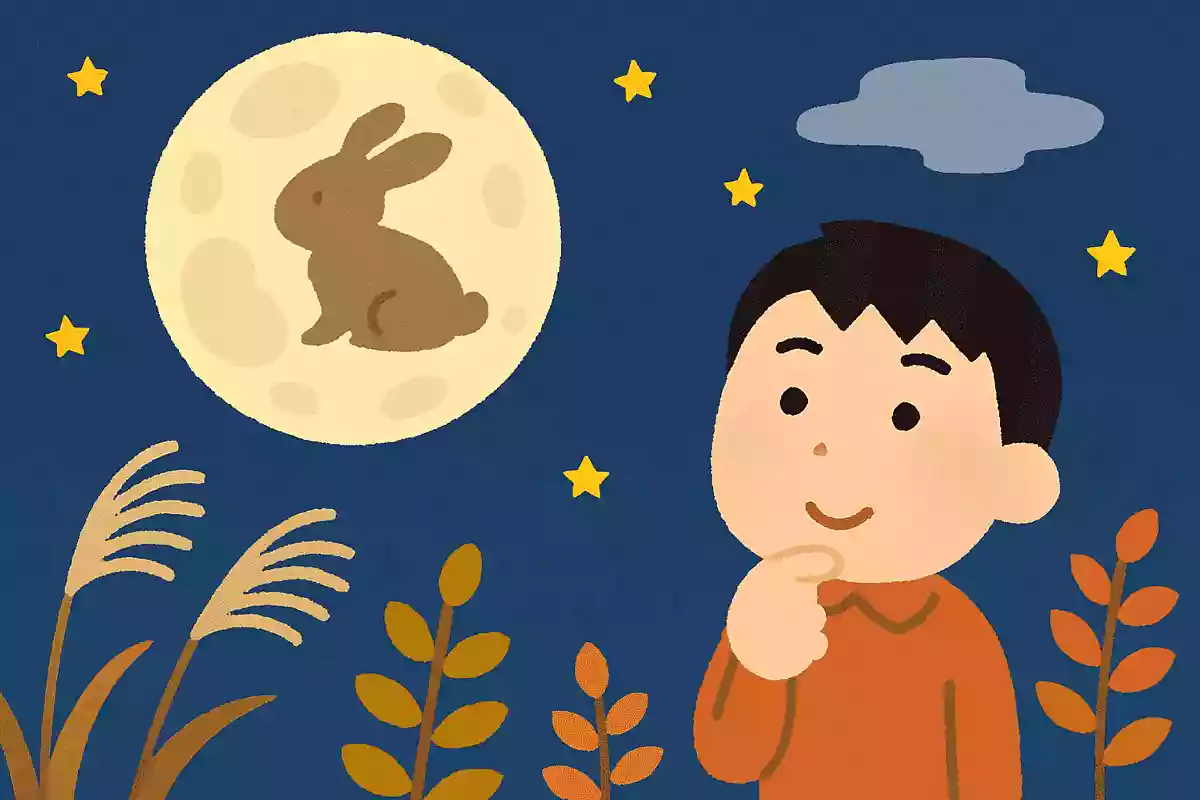
What is the pattern on the moon said to resemble in Southern Europe?
- flamingo
- Lion
- crab
See the answer
crab
In Southern Europe, it’s said that the pattern of the full moon looks like a crab. In Japan, people often say it looks like a rabbit pounding mochi, but the way lunar patterns are perceived and interpreted varies by region around the world. It could be interesting to explore how these perceptions differ from country to country.

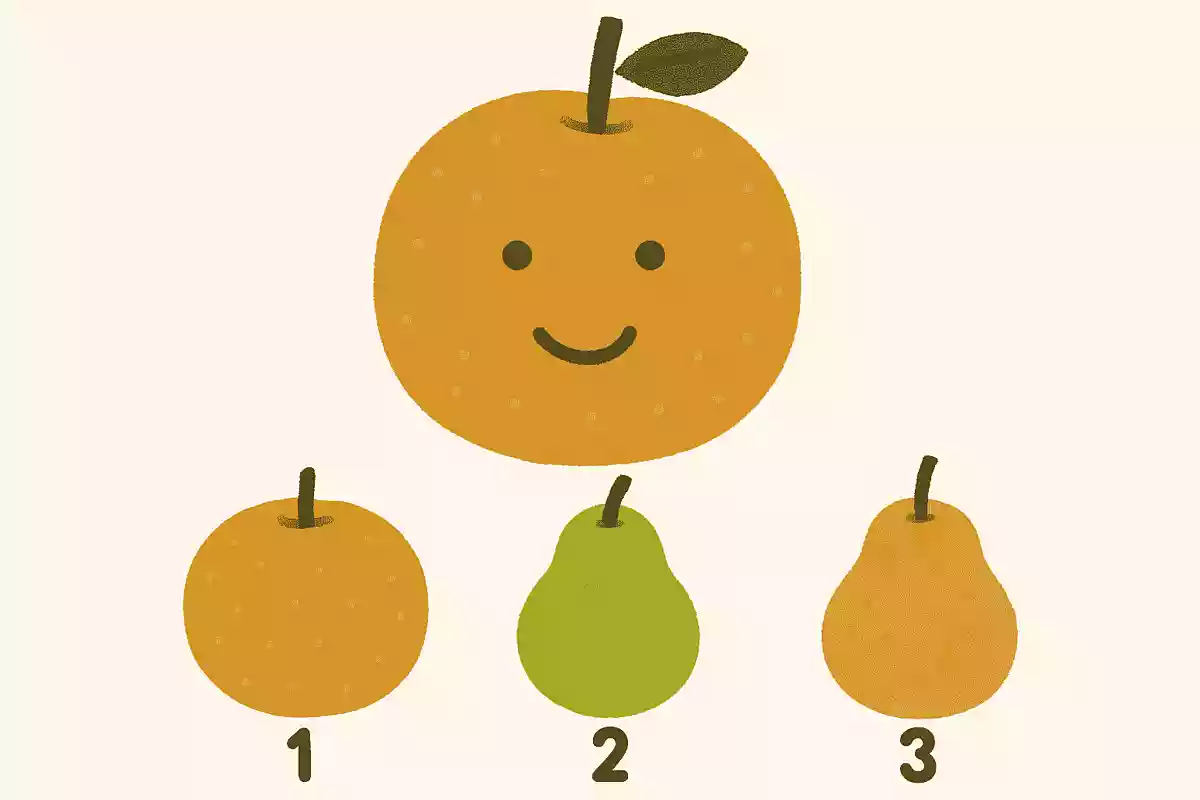
Which of the following is a real pear variety?
- smile (smilingly / with a smile)
- happy
- genki; healthy; energetic; well; in good spirits
See the answer
smile (smilingly / with a smile)
A real Japanese pear variety is “Nikkori.” It was bred by crossing Niitaka and Housui, and its name comes from “Nikkō” and “nashi” (pear). The fruit is very large, notably sweet, and has a crisp texture. It’s harvested from mid-October to late November.
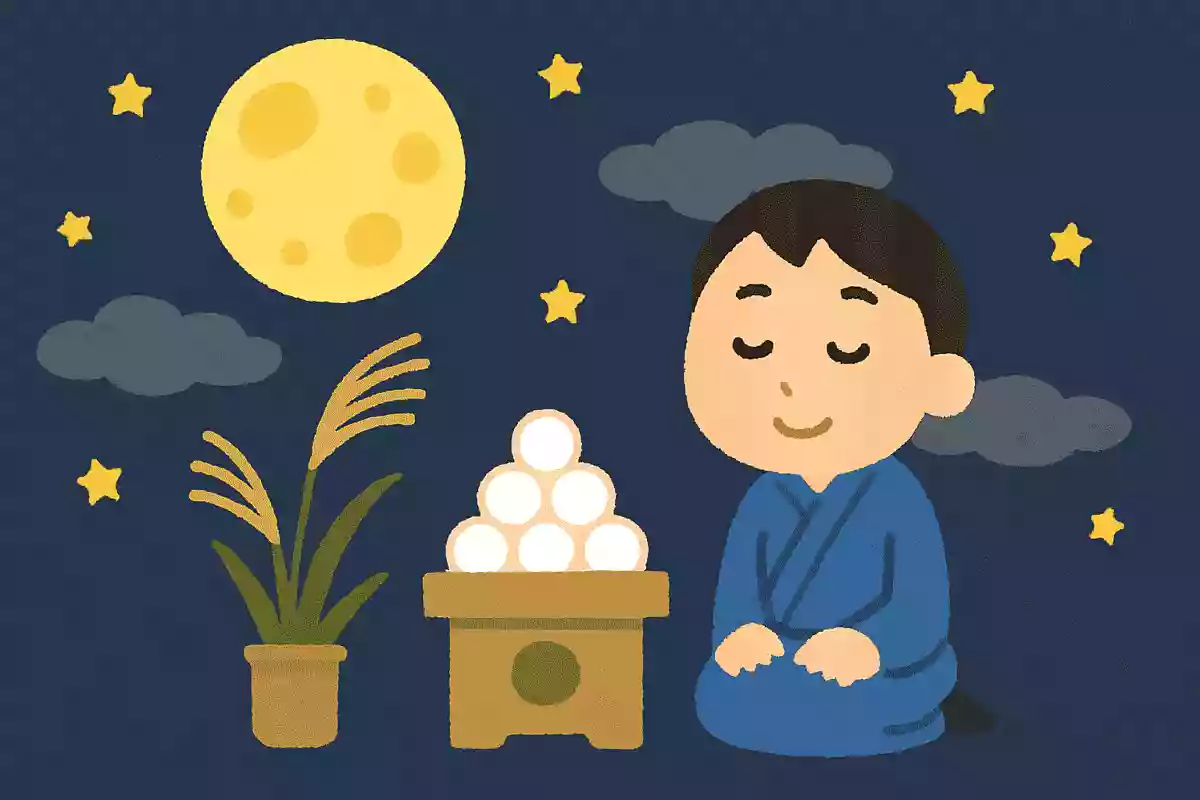
What is the reason for offering dango during the moon-viewing (Otsukimi)?
- To dedicate to the moon rabbit
- To eat during the moon-viewing festival
- to express gratitude for the harvest
See the answer
to express gratitude for the harvest
Since ancient times in Japan, there has been a custom of offering dumplings during the harvest moon (Jugoya) viewing. This practice is meant to express gratitude to the moon for a safe autumn harvest. The dumplings symbolize crops such as rice and carry the meanings of praying for a bountiful harvest and giving thanks for nature’s blessings.
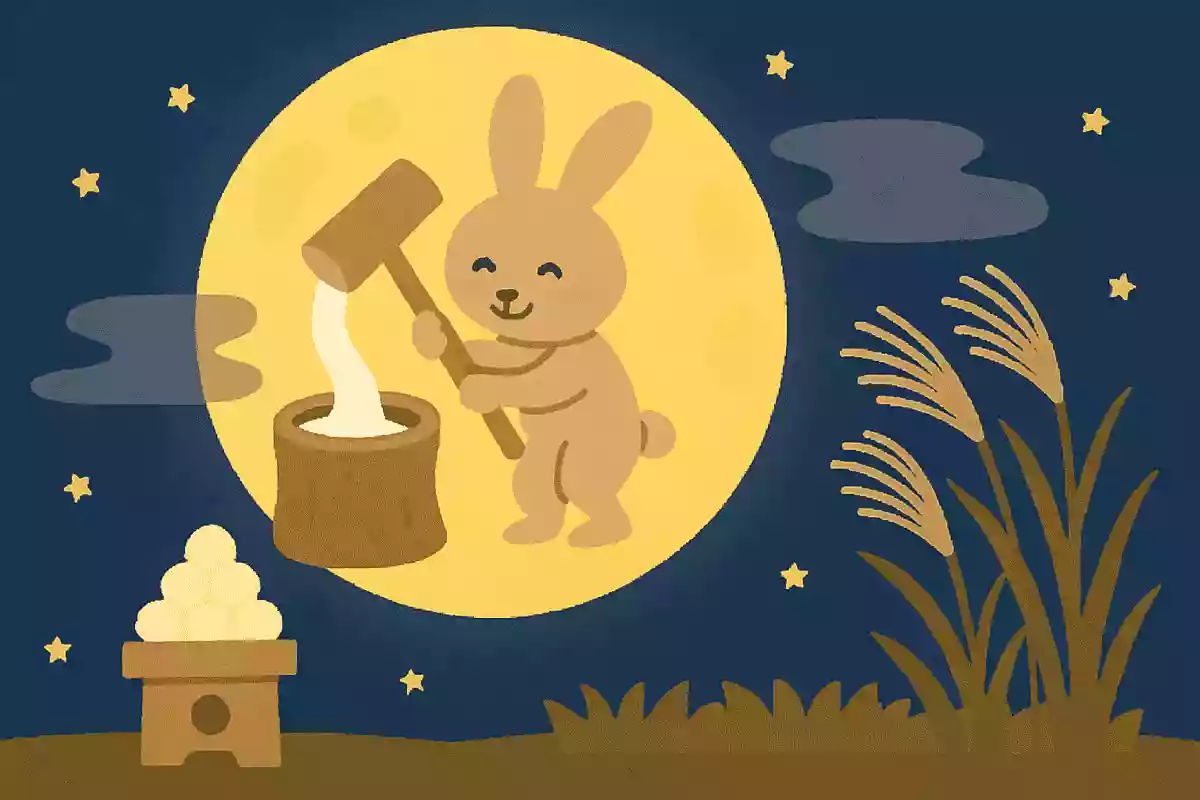
In moon-viewing folklore, what is the animal in the moon said to be doing?
- pounding mochi
- Eating mochi.
- Rolling mochi into balls
See the answer
pounding mochi
In Japanese moon-viewing folklore, it is said that a rabbit lives in the moon, and that rabbit is pounding mochi. This legend arose because the full moon’s patterns look like a rabbit pounding rice cakes. One fun aspect of the moon is that other countries have different animals and stories associated with it.
In what shape are the moon-viewing dumplings arranged during the night of the full harvest moon?
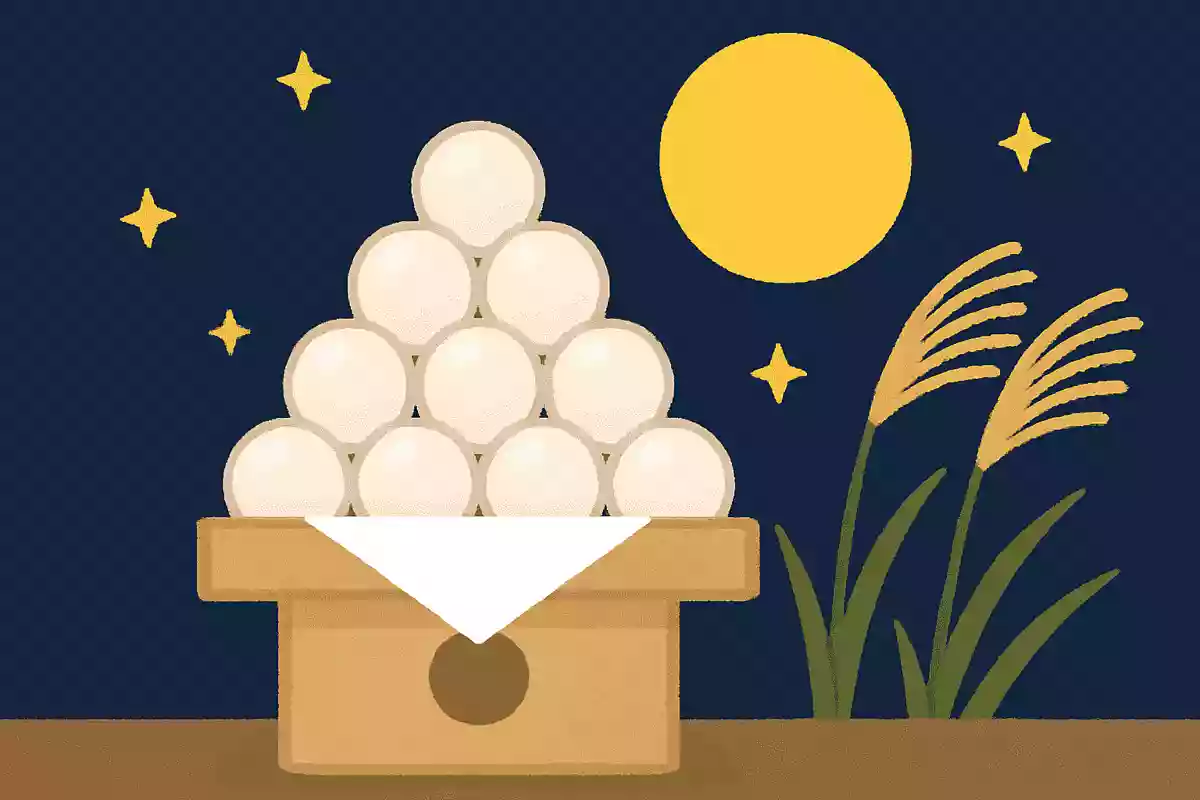
- triangle
- circular
- pyramidal
See the answer
pyramidal
It is common to offer tsukimi dango stacked high, typically in a pyramid shape. This is said to symbolize the full moon by piling up the rice cakes, and to arrange them prominently as a prayer for a good harvest and as an expression of gratitude. Since 15 dumplings are stacked for the night of the full moon (Jūgoya), ease of stacking might also be a reason.
In conclusion
Did you enjoy the September trivia quiz and fun facts for kids that let you feel the season? While learning about important observances like the Traffic Safety Campaign, Disaster Prevention Day, and Respect-for-the-Aged Day, we also got to enjoy seasonal flavors and nature together. Let’s use these fun facts through quizzes to have fun and communicate together as a parent and child!