

[For Seniors] A Collection of Famous Autumn Haiku: Introducing Beautiful Verses That Evoke Vivid Scenery

Why not enjoy composing haiku that let you feel the changing of the four seasons in everyday life? Persimmons ripening in vivid colors, maple leaves turning red, the clear, cloudless autumn sky.
A single verse that captures the richness of autumn has the power to soothe the heart.
For older adults, haiku is a wonderful creative activity that heals the mind and stimulates the brain.
As a traditional Japanese art, haiku can overlap with cherished memories and spark new emotions.
During a stroll or while viewing the autumn foliage indoors, try creating heartwarming haiku on the theme of autumn.
- [For Seniors] Haiku for September: Introducing Verses Perfect for Autumn
- [For Seniors] Evoking autumn scenes: Introducing beautiful haiku for October
- For Seniors: Famous Haiku of November — Introducing Verses Depicting Beautiful Autumn Scenery
- [For seniors] Classic autumn kigo: beautiful words that depict evocative scenesNEW!
- [For Seniors] Winter Haiku: Introducing Beautiful Masterpieces by Famous Haiku Poets
- [For Seniors] Famous Haiku for December: Masterpieces Depicting Winter Scenes and Year-End Moments, Plus Tips on How to Compose Them
- [Theme: Persimmons] Recommended for seniors! Simple and fun autumn craft ideas
- [For Seniors] Famous Haiku About January: Learn New Year Season Words and Tips for Composing
- [Elderly] Haiku with the theme of August: Introducing famous verses
- [For Seniors] Interesting spring haiku: introducing verses with striking kigo and unique expressions
- [For Seniors] Haiku for March: Enjoying a Spring Moment with Famous Verses
- [For Seniors] Let's have fun with an autumn-themed quiz!
- [For Seniors] Haiku for February: A Collection of Famous Verses Depicting the Transition from Winter to Spring
[For Seniors] A Collection of Famous Autumn Haiku: Introducing Beautiful Verses That Evoke Vivid Scenes (1–10)
When I bite into a persimmon, a bell resounds—Hōryū-jiMasaoka Shiki
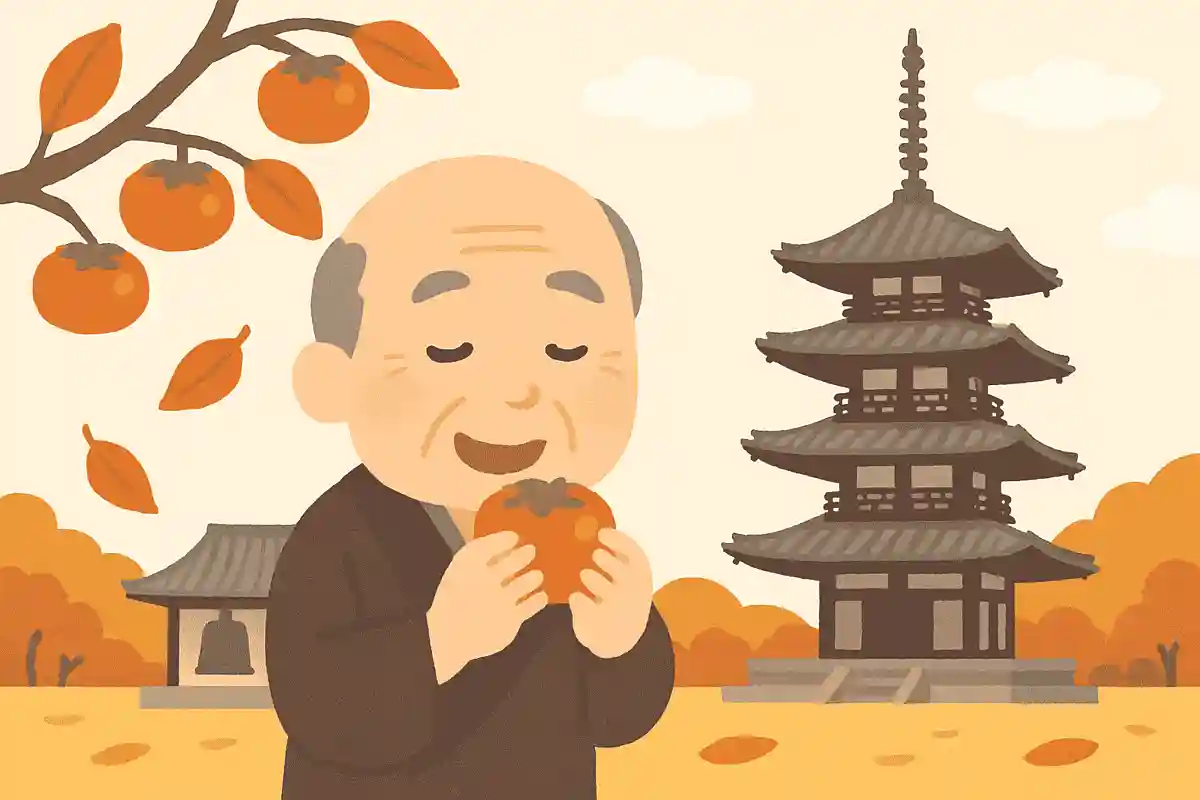
This is a famous haiku by Masaoka Shiki, a poet of the Meiji era.
It is said that he composed it at a teahouse where he stopped to rest during a visit to Horyu-ji in Nara.
You can almost picture him holding a ripe, sweet persimmon in one hand.
There’s also an evocative atmosphere in the tolling of the bell resonating with a deep “booon.” In the clear autumn air under a bright sky, you can feel time flowing gently.
How about trying to compose haiku that capture peaceful scenes from autumn days with older people? You might create something full of character.

Red dragonflies—over Tsukuba, not even a cloud in sight.Masaoka Shiki
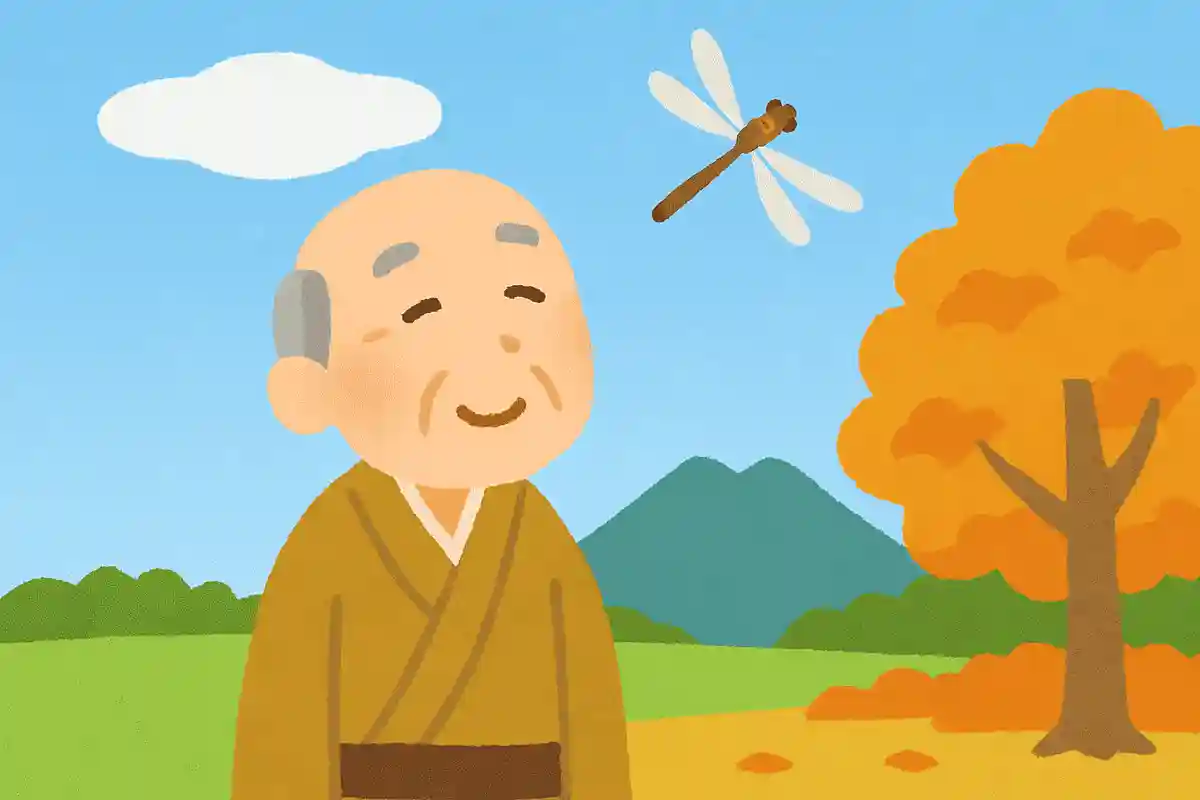
As autumn arrives, we tend to see more red dragonflies, don’t we? Spotting them in the orange glow of dusk really makes you feel that it’s autumn.
With Mount Tsukuba—one of Japan’s 100 Famous Mountains—as the backdrop, the haiku seems to capture a moment under a clear, expansive sky.
You can picture red dragonflies fluttering at the foot of Mount Tsukuba on a cloudless, brilliantly sunny day.
For older adults, a haiku that evokes autumn might also bring back memories of past autumns.
That could lead to an even livelier conversation.
A single paulownia leaf, falling as it basks in the sun.Kyoshi Takahama
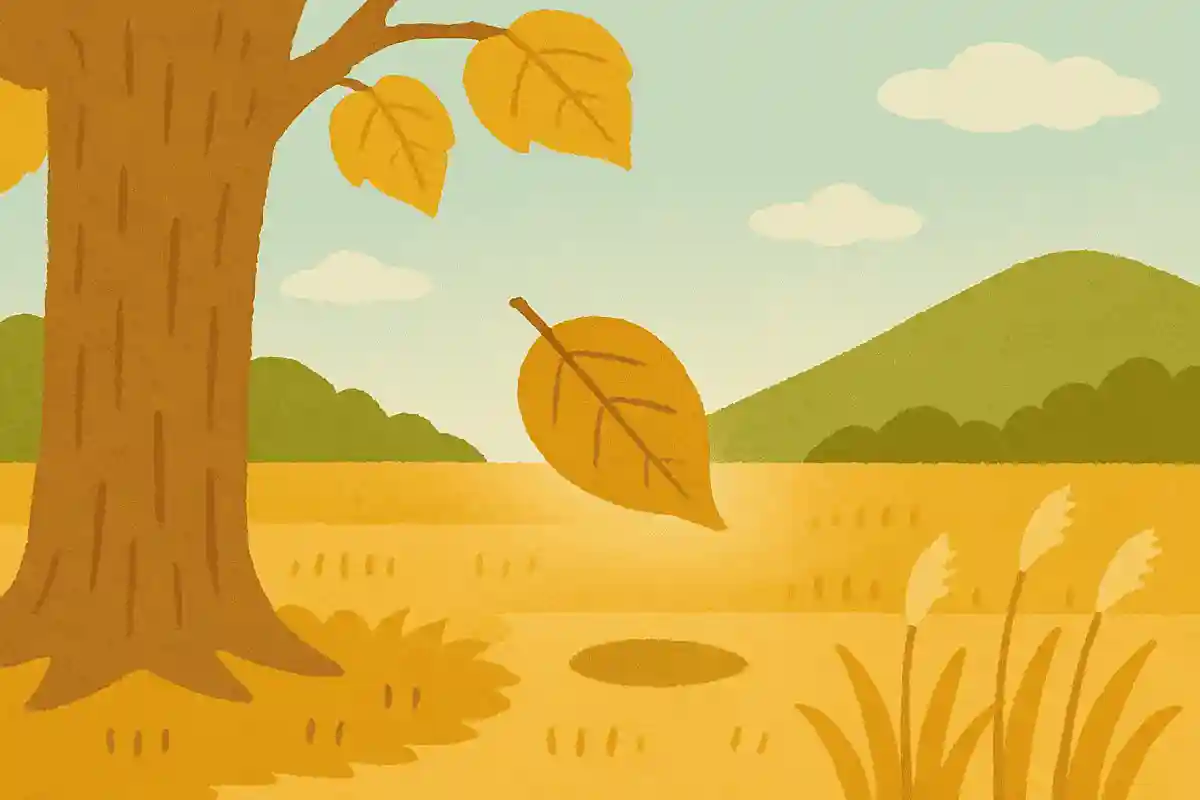
The paulownia’s distinctively large leaves can grow bigger than an adult human face.
In autumn they turn yellow and gently drift down to the ground.
Because the leaves are so large, they don’t just drop straight down—they float and flutter as they fall.
You can picture this scene from haiku as well, with the leaves descending in the soft autumn sunlight.
Even if they aren’t paulownia leaves, you can notice colorful foliage and falling leaves while strolling through parks or along tree-lined streets.
It’s lovely to go out with older adults and feel the arrival of autumn together.
[For Seniors] A collection of famous autumn haiku. Introducing beautiful verses that evoke vivid scenes (11–20)
Brightly red, though the sun is indifferent, the autumn wind.Matsuo Bashō
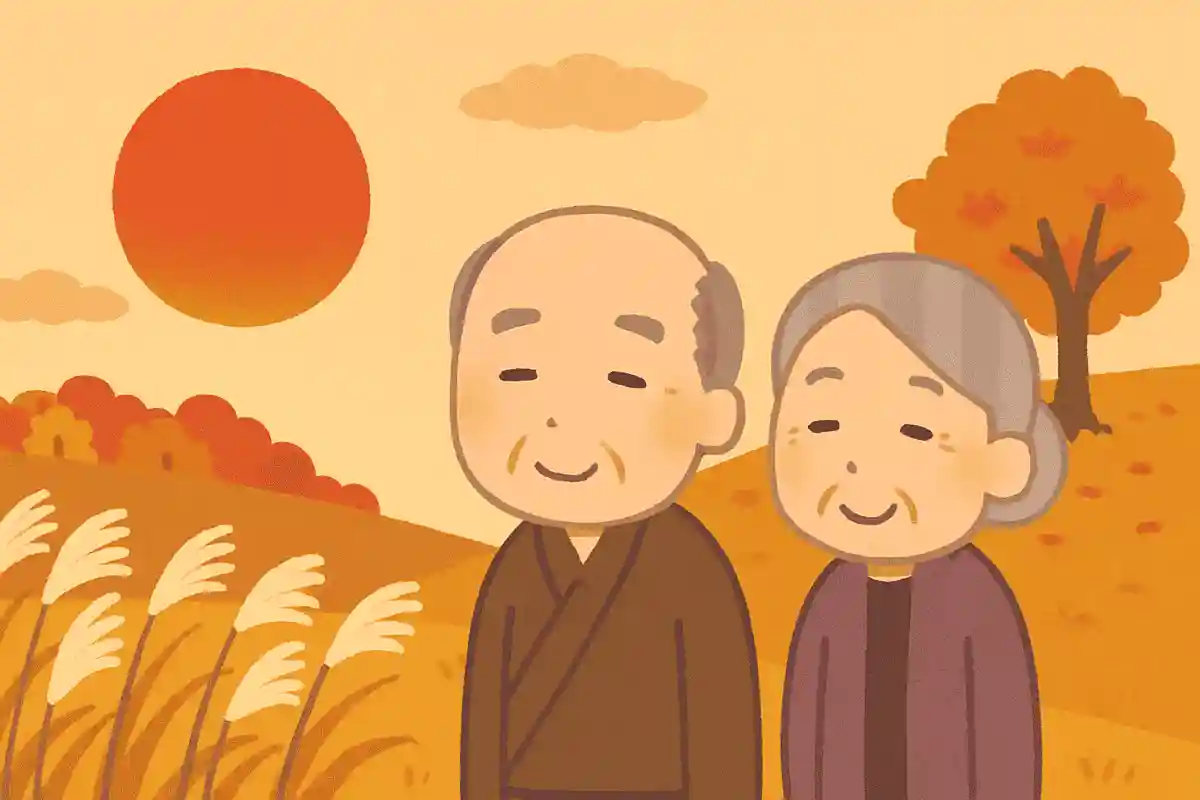
It portrays a crimson sunset blazing even after the start of autumn, along with a breeze that hints at the season’s arrival.
The contrast between the lingering heat and the gentle wind that carries autumn vividly expresses the shift of the seasons.
By savoring daily life while feeling the changes in heat and wind, one can notice the subtle transitions and processes as the seasons change and enjoy a deeper sense of seasonality.
Since the climate has changed compared to a decade or more ago, older adults may find pleasure in experiencing the shifts in wind and light while overlaying them with memories of summers and autumns from the past.

On a withered branch, a bird has come to perch — autumn dusk.Matsuo Bashō
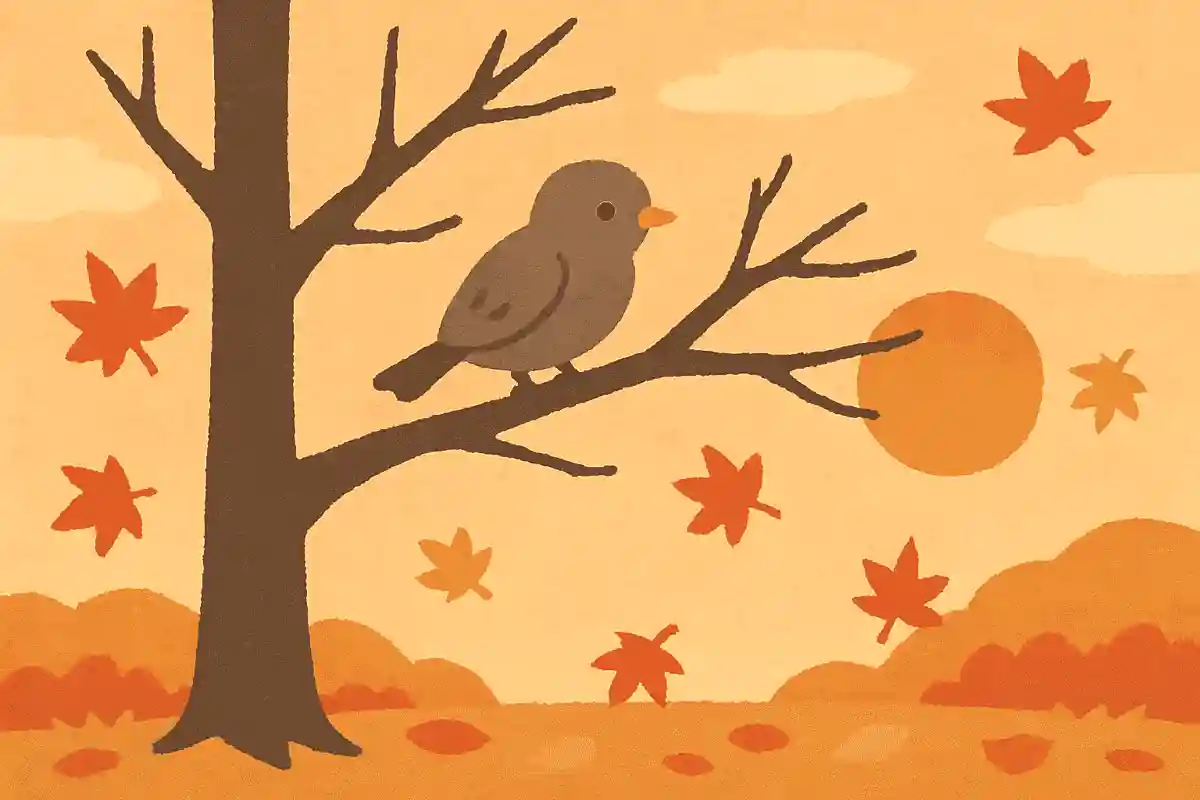
By depicting the scene of a single crow perched on a withered branch, it skillfully conveys the loneliness of an autumn evening.
The branch’s withered state and the bird’s solitary figure emphasize the season’s transition and stillness, leaving a quiet afterglow in the reader’s heart.
It is a verse that older readers, too, can savor while recalling the small silences of daily life and the nearness of nature, allowing them to freshly feel the sense of the season.
Capturing an autumn scene in few words and infusing faint charm into solitude and silence, this haiku is a work that offers deep aftertaste with every reading.
Chrysanthemum fragrance— in Nara there dwell ancient BuddhasMatsuo Bashō
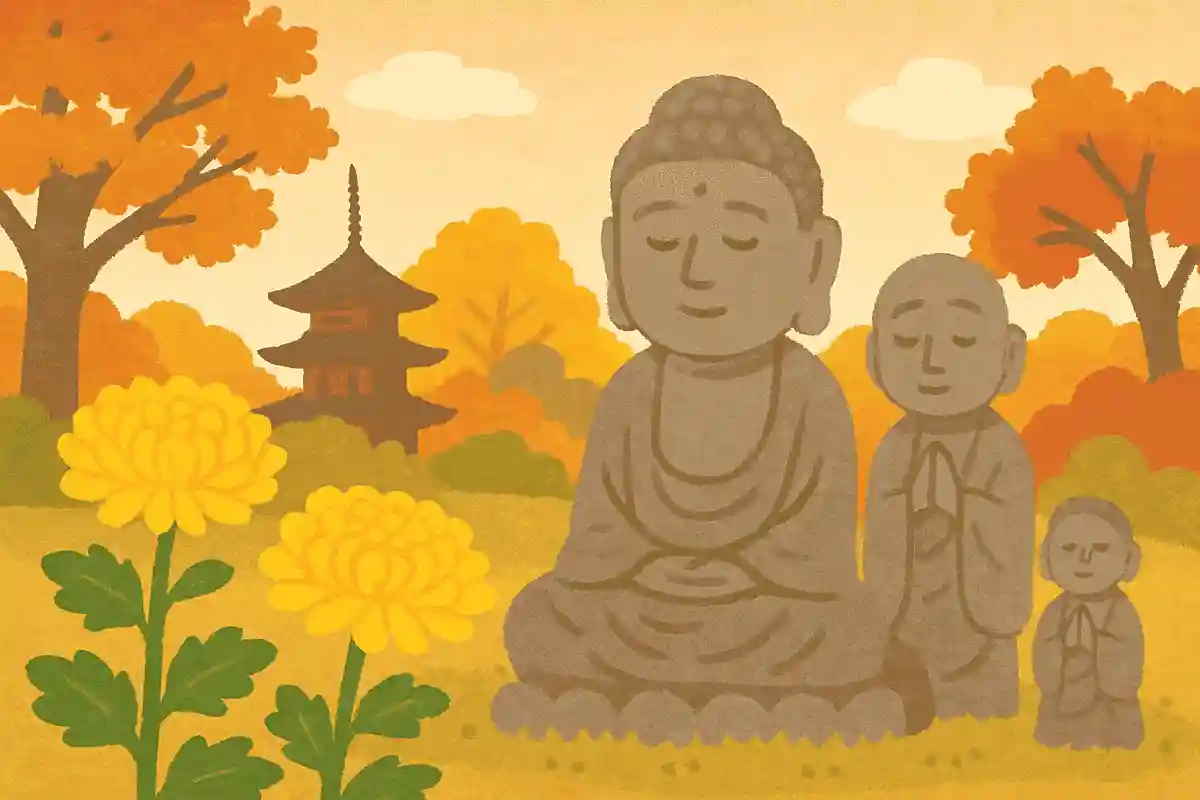
Walking through Nara, where the scent of chrysanthemums drifts in the air, one can picture old Buddhist statues standing quietly, wrapped in that fragrance.
The aroma and the stillness become one, naturally evoking the deepening of autumn and the weight of history in this single verse.
For older readers as well, it can be enjoyed from various angles—savoring it while overlaying memories of autumns past and temple precincts, reflecting on the season’s mood, the passage of time, and reminiscence.
Within its brief words lies space that invites the imagination to sense autumn through all five senses and to feel the quiet flow of time, making it a haiku that offers new discoveries with every reading.
At autumn’s dusk, crouched by the roadside, a child alone.Kyoshi Takahama
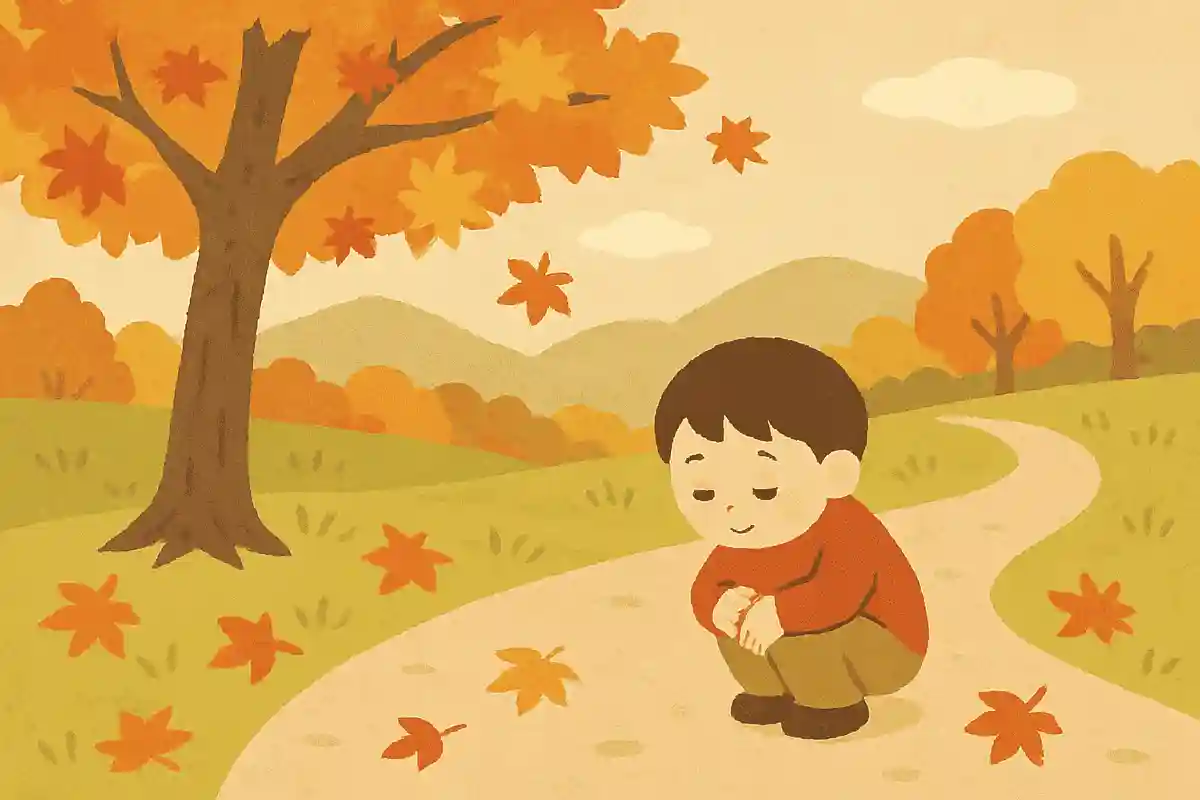
The captured moment is striking: the quiet that spreads over an autumn dusk and the figure of a child crouching in the road.
You can feel the season as the leaves begin to turn color and the air grows chilly, gently soaking into the reader’s heart.
The child’s crouch leaves room for imagination—are they absorbed in play, gazing intently at something, or perhaps stubbornly refusing to head home? For older adults as well, savoring this scene while thinking of their grandchildren or neighborhood children can deepen their sense of everyday small joys, the changing of the seasons, and the passage of time.