

[For Seniors] Let's have fun with an autumn-themed quiz!

Autumn is the season when the scorching, sunny days gradually start to cool down.
As autumn deepens, we often think of things like “autumn for eating,” “autumn for reading,” and “autumn for sports.”
We’d love for older adults to experience the feeling of autumn, too.
So this time, we’re introducing “Quizzes About Autumn for Seniors!”
Through conversations that capture the season, you can build seasonal awareness.
We’ve gathered many quizzes on familiar autumn themes, making them easy for seniors to try.
Please enjoy giving them a try!
- [For Seniors] Recommended Trivia Quizzes & Fun Facts for November
- [For Seniors] Fun Brain Training! Quizzes Recommended for October
- [For Senior Facilities] Lively and Fun! November Quiz
- [For Seniors] Fun and Lively! Recommended Quiz Questions
- [For Seniors] Laugh-Out-Loud, Crowd-Pleasing! Fun Quiz
- [For Seniors] Let’s have fun with October trivia and fun facts quizzes!
- [For Seniors] September Quiz: Brain Training Problems
- [For Seniors] Lively two-choice trivia quiz. Handy to know and tidbits you'll want to share with others
- [For Seniors] Fun and Educational True-or-False Quiz
- [For Seniors] Fun and Informative! Health Trivia Quiz
- [For Seniors] Enjoy Brain Training with September Trivia Quizzes & Fun Facts
- September Health Topic: Introducing Recreational Activities That Capture the Feeling of Autumn’s Arrival
- [Brain Training] Lively Word Quiz for Seniors
[For Seniors] Let’s Have Fun with Autumn-Themed Quizzes! (21–30)
“Jūgoya” (the night of the full moon in mid-autumn) is a custom that came from China, but where did “Jūsanya” (the night of the thirteenth moon) originate?
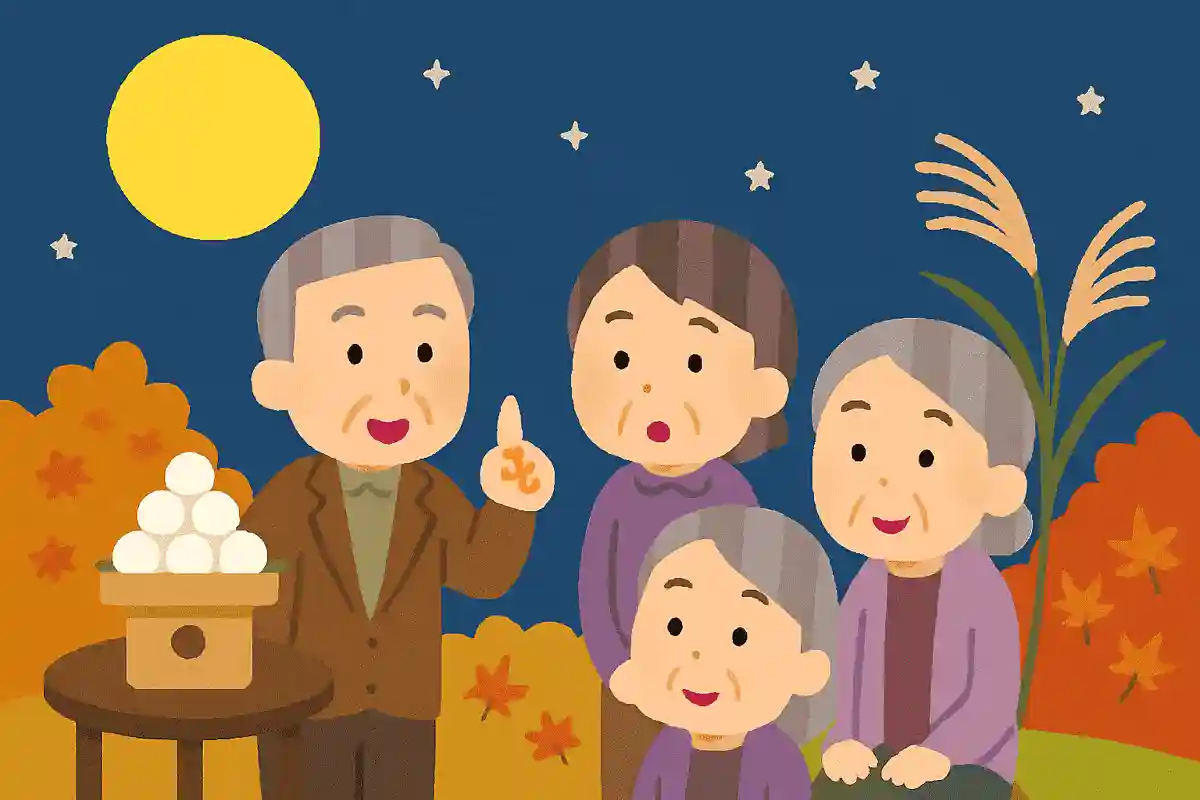
Many people enjoy the full moon viewing (Jugoya) in autumn, but not many know about Jusan’ya.
To begin with, Jugoya is a tradition that came from China and involves gazing at the moon on the 15th day of the 8th month of the lunar calendar.
Jusan’ya, on the other hand, is about viewing the moon on the 13th day of the 9th lunar month.
While the two are similar, they actually originated in different countries.
Here’s a question: “In which country did Jusan’ya originate?” The correct answer is Japan.
Incidentally, it is said to have been devised by Emperor Daigo.

There’s something that the autumn delicacy “sanma” (Pacific saury) doesn’t have. What is that something?
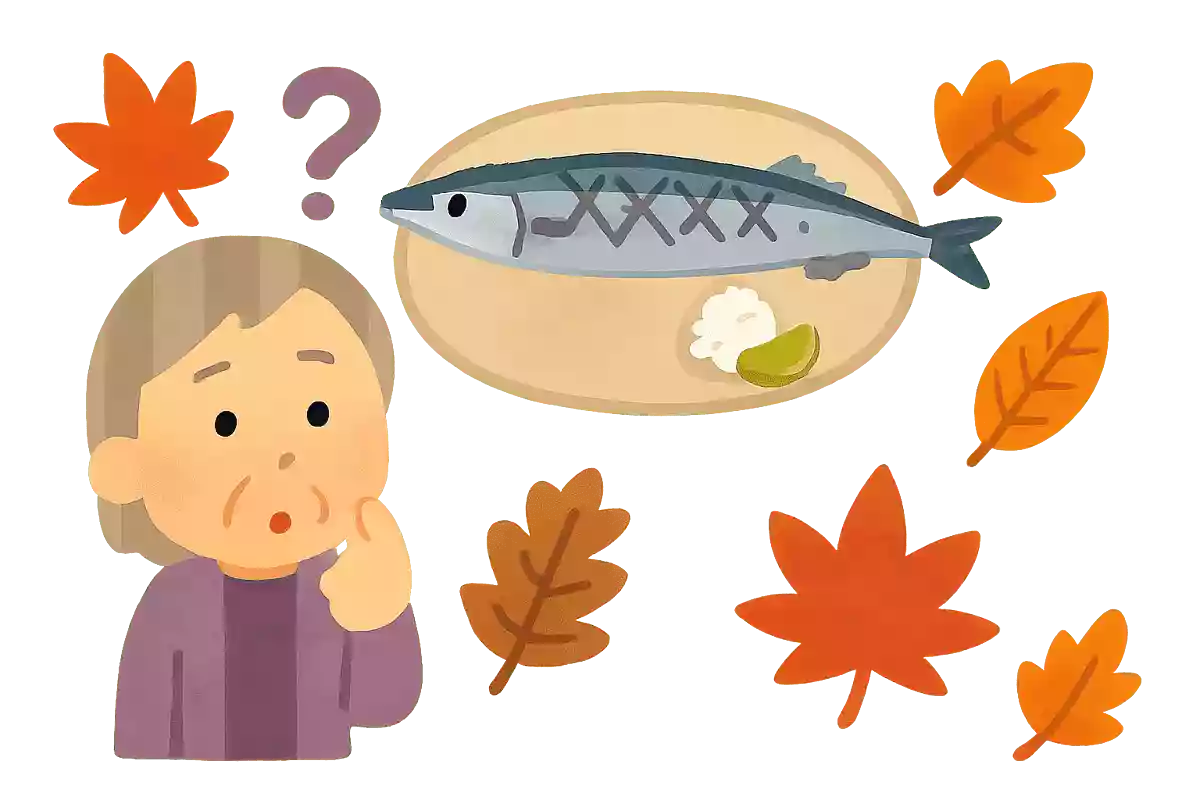
Autumn is also the season for Pacific saury, isn’t it? Just thinking about whether to grill it with salt or have it as sushi is exciting.
Here’s a little quiz: “There’s something that saury don’t have—what is it?” The hint is that it’s a body part.
Think it over.
The answer is “a stomach.” Saury don’t have a stomach, which means their waste is expelled quickly.
For that reason, saury can be grilled whole and eaten with the innards.
By the way, fish without a stomach are called agastric fish.
[For Seniors] Let’s Have Fun with Autumn-Themed Quizzes! (31–40)
In which prefecture in Japan can you see the latest autumn foliage?
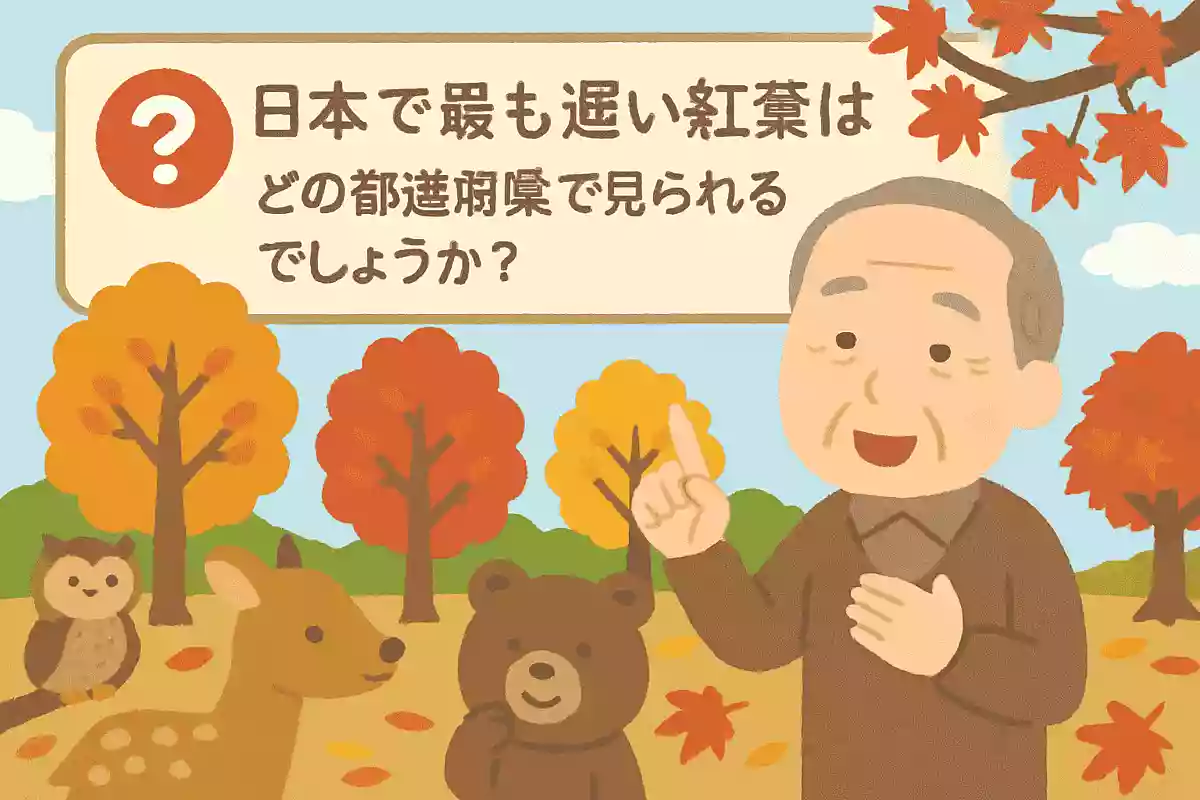
Japan is a country where you can feel temperature differences depending on the region, and natural phenomena seem to shift in particular directions as well.
Among these changing natural phenomena, let’s focus on autumn foliage: which prefecture sees the latest autumn colors? Here’s a hint: it’s a warm place where the temperature doesn’t drop easily.
If imagining “not getting colder” is tricky, you might think of places that get especially hot in summer.
The answer is Shizuoka Prefecture.
In particular, the autumn leaves at Atami Plum Garden reach their peak from late November to December, earning it the nickname “the latest autumn foliage in Japan.”

What is the approximate temperature at which the autumn leaves start to change color?
When it comes to autumn, viewing the changing leaves is an essential event, and seeing the mountains turn vivid colors really makes you feel the change of seasons.
So, what temperatures are required for the leaves to start changing? We tend to picture autumn foliage as occurring right before winter—maybe not quite winter, but during a chilly period—so you might be able to guess.
The answer is 8°C.
It’s said that foliage begins when the minimum temperature starts to fall below this level, and once it starts dipping below 5 to 6°C, the coloring progresses rapidly.
Why do lotus roots have holes?
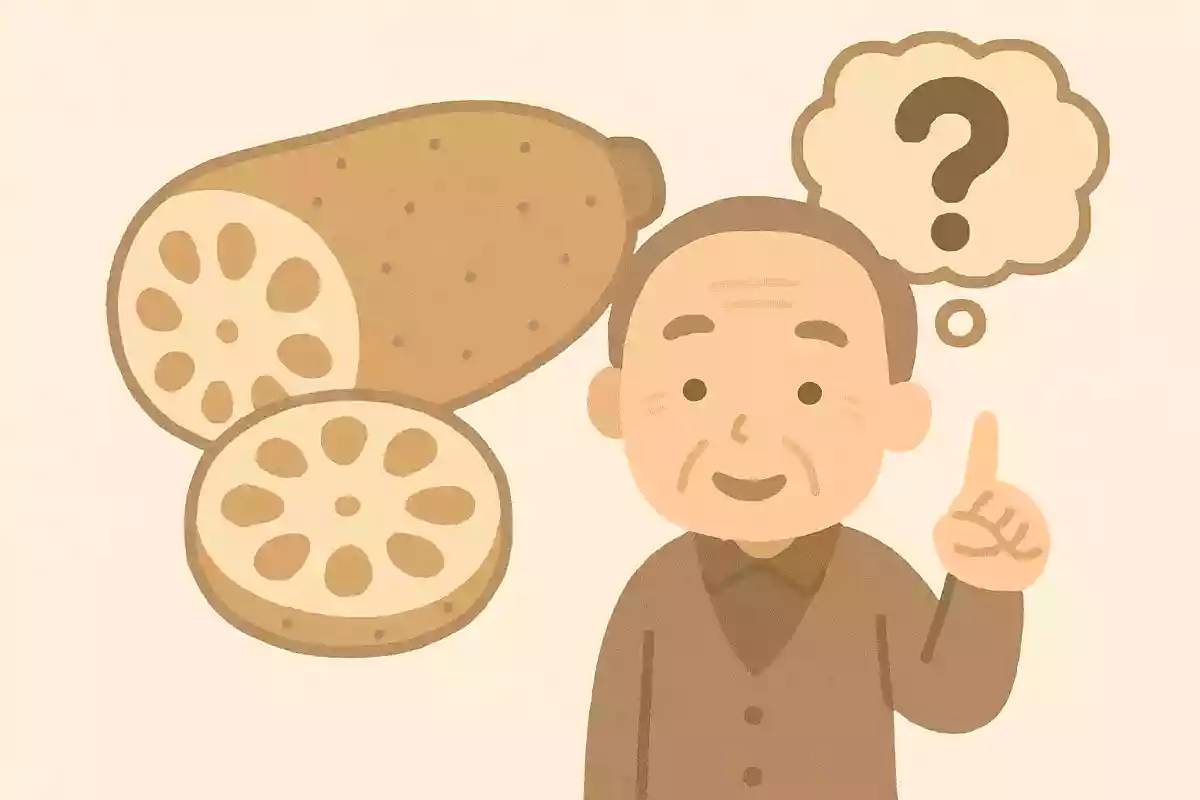
A seasonal ingredient from autumn to winter! Here’s a trivia quiz: Why does lotus root have holes? Lotus root’s unique shape with holes is appealing, but do you know what role those holes play? The answer is: they serve as air passages for breathing.
Lotus roots grow in watery soil, but the mud at the bottom has little oxygen for them to breathe.
There are many kinds of vegetables, and learning about each of their characteristics is fascinating, isn’t it?
The 24 solar terms divide the year on Earth into 24 parts based on the seasons and climate. What is the term for the time in late autumn when the first frost appears?
Do you know the 24 solar terms? The 24 solar terms are like a calendar that divides the year.
First, the seasons are split into spring, summer, autumn, and winter, and then each season is further divided into six periods according to the weather.
The beginning of autumn is called Risshū, and the period when the summer heat begins to ease is called Shosho.
Here’s a question: How do we describe the time when the first frost falls? The correct answer is Sōkō.
It’s read “kōsō,” and it specifically refers to around October 24.
It might be fun to compare the traditional solar-term calendar with today’s calendar to see where we are right now.
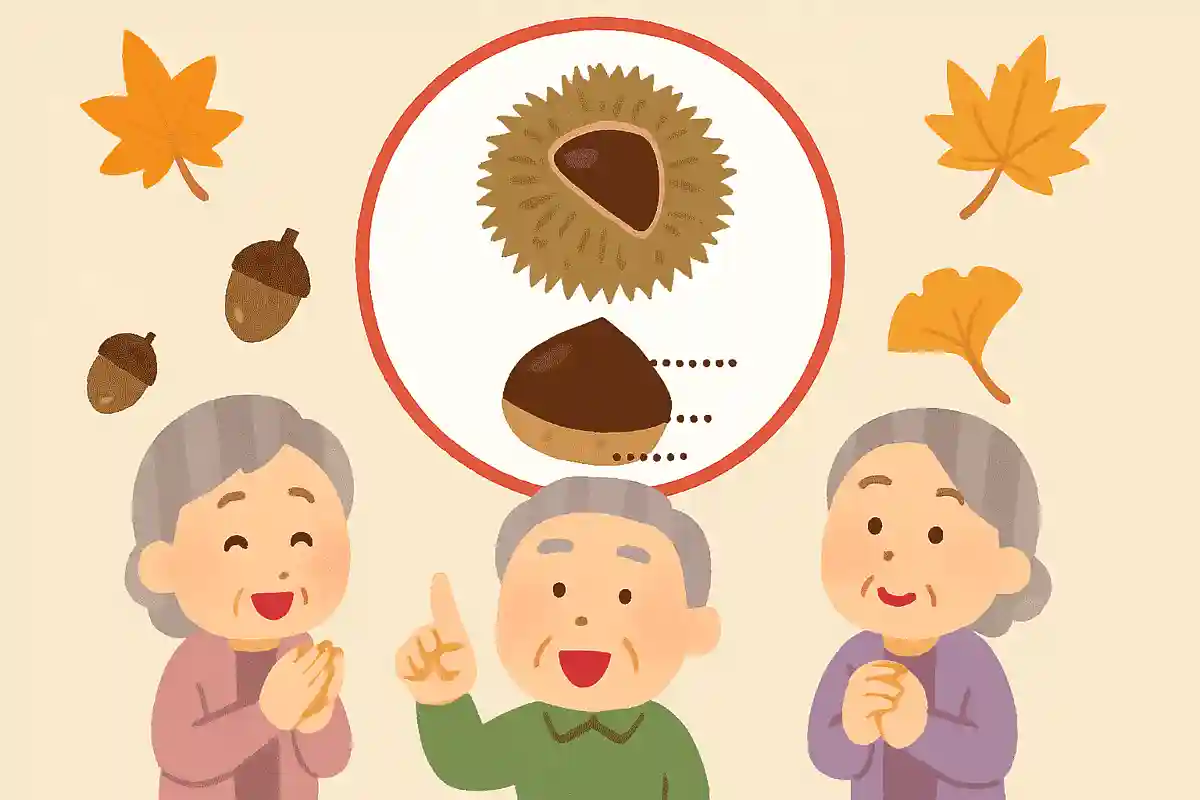
Which part is the seed of a chestnut?
Matsutake mushrooms, grapes, pears, mushrooms—you could go on forever listing the flavors of autumn.
Matsutake rice, considered a luxury, is something you’d like to have at least once a year, right? By the way, chestnuts are a quintessential autumn treat, but which part of a chestnut is actually the seed? The answer is that the entire part you eat—the “nut” itself—is the seed.
That spiky, sea-urchin-like burr might be serving as a bodyguard to protect the seed.
It’s the same with acorns and chinquapins.
From the chestnut tree’s perspective, it’s working hard to leave descendants by preserving its seeds, and yet humans are eating those seeds… maybe that gives you a tiny pang of guilt?