

[For Seniors] Let's have fun with an autumn-themed quiz!

Autumn is the season when the scorching, sunny days gradually start to cool down.
As autumn deepens, we often think of things like “autumn for eating,” “autumn for reading,” and “autumn for sports.”
We’d love for older adults to experience the feeling of autumn, too.
So this time, we’re introducing “Quizzes About Autumn for Seniors!”
Through conversations that capture the season, you can build seasonal awareness.
We’ve gathered many quizzes on familiar autumn themes, making them easy for seniors to try.
Please enjoy giving them a try!
- [For Seniors] Recommended Trivia Quizzes & Fun Facts for November
- [For Seniors] Fun Brain Training! Quizzes Recommended for October
- [For Senior Facilities] Lively and Fun! November Quiz
- [For Seniors] Fun and Lively! Recommended Quiz Questions
- [For Seniors] Laugh-Out-Loud, Crowd-Pleasing! Fun Quiz
- [For Seniors] Let’s have fun with October trivia and fun facts quizzes!
- [For Seniors] September Quiz: Brain Training Problems
- [For Seniors] Lively two-choice trivia quiz. Handy to know and tidbits you'll want to share with others
- [For Seniors] Fun and Educational True-or-False Quiz
- [For Seniors] Fun and Informative! Health Trivia Quiz
- [For Seniors] Enjoy Brain Training with September Trivia Quizzes & Fun Facts
- September Health Topic: Introducing Recreational Activities That Capture the Feeling of Autumn’s Arrival
- [Brain Training] Lively Word Quiz for Seniors
[For Seniors] Let's Have Fun with Autumn-Themed Quizzes! (41–50)
October 15 is Mushroom Day. Mushrooms are known as foods that boost the immune system. Among them, which mushrooms are particularly high in dietary fiber?
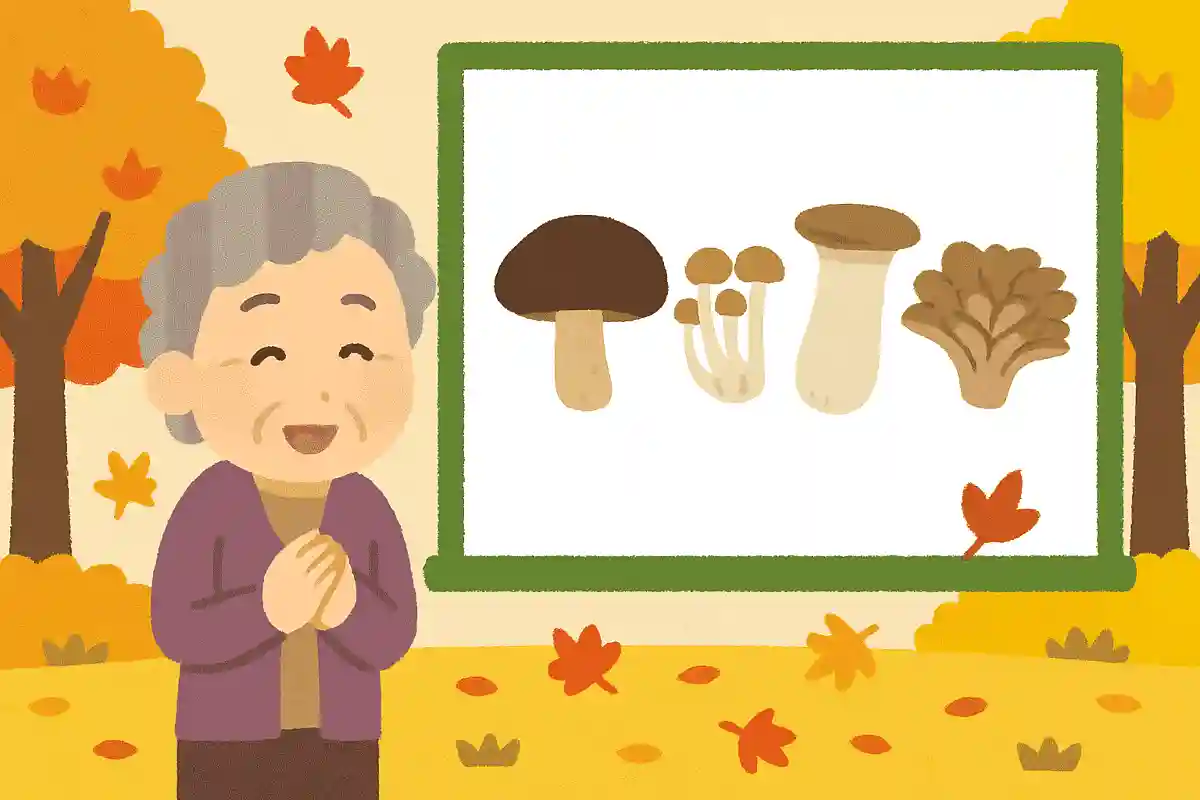
Mushrooms are low in calories and rich in dietary fiber, B vitamins, and minerals.
They’re the unsung heroes that shine in a variety of dishes.
Dietary fiber reaches the large intestine and is said to help regulate the digestive system and suppress spikes in blood sugar.
So which mushroom is especially rich in fiber? Many of you might guess it if I say it has a distinctive crunchy texture.
The answer is wood ear mushrooms.
Let’s make a point of getting plenty of dietary fiber.
[For Seniors] Let's Have Fun with Autumn-Themed Quizzes! (51–60)
October 10 is Eye Care Day. What are some ways to relieve eye fatigue?
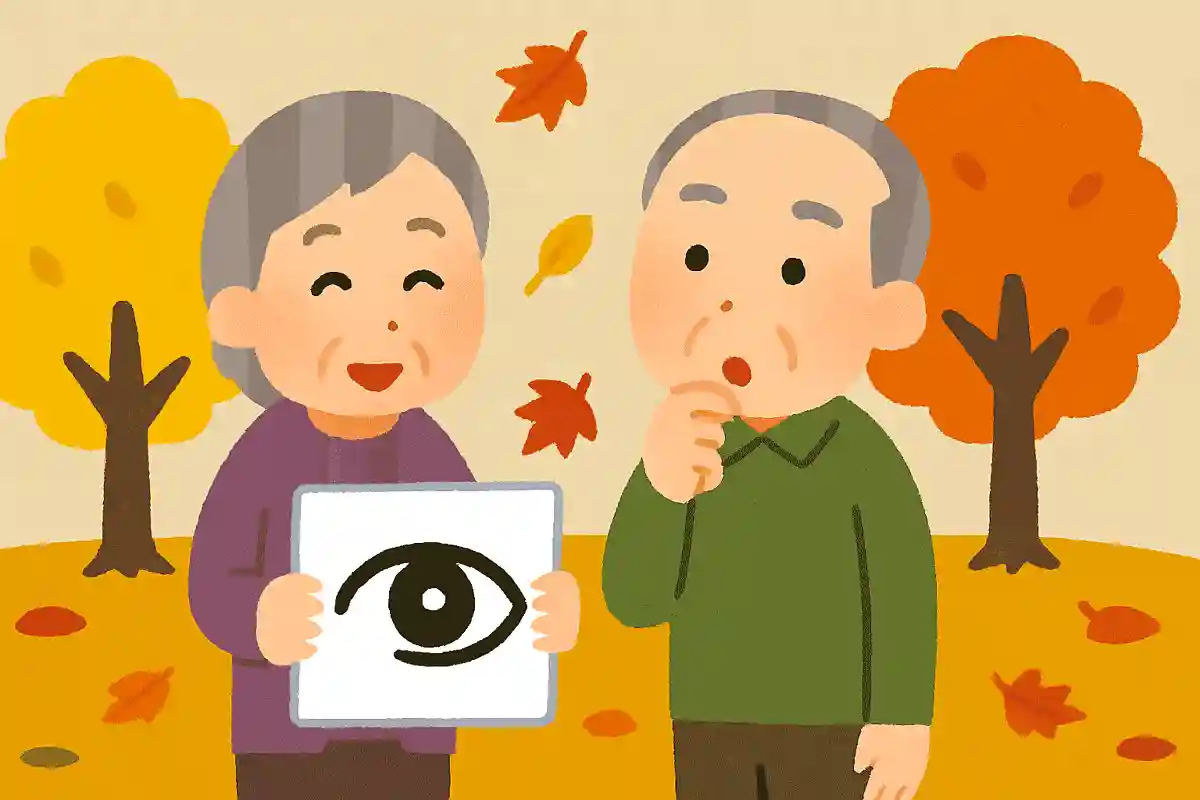
The eyes are among the most important organs in the body.
Precisely because they work every day to let us see, it’s important to take good care of them.
In connection with Eye Care Day on October 10, which aims to raise awareness about caring for your eyes, what would be the perfect method to relieve eye fatigue? If you picture how fatigue-related damage accumulates and what condition your body should be in to resolve it, you might arrive at the answer.
The correct answer is warming your eyes with a steamed towel.
Since poor blood circulation contributes to fatigue, the idea is to alleviate it using the towel’s heat and steam.

What is offered together with pampas grass on the night of the moon-viewing festival?
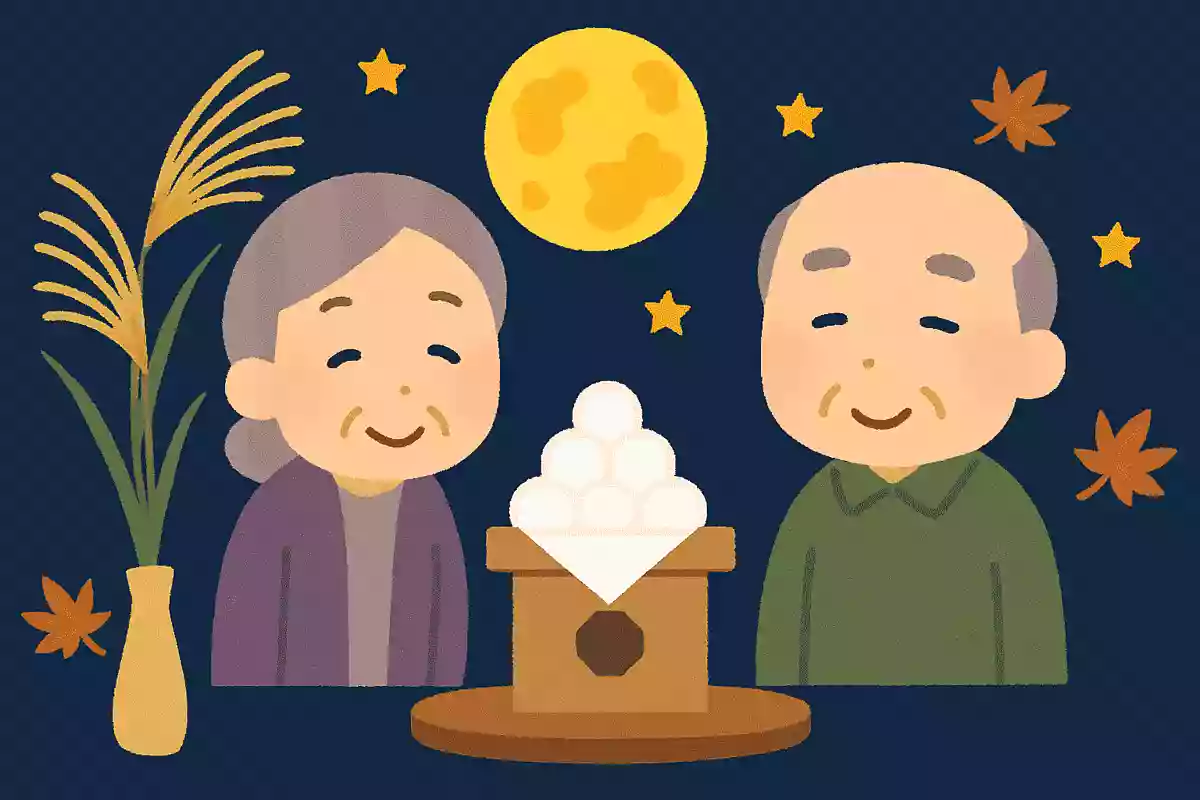
As the phrase “the harvest moon” suggests, autumn is a season when the air gradually clears and the moon shines beautifully.
In the moon-viewing event known as Otsukimi, what is typically offered alongside pampas grass (susuki)? Even if you’ve never actually done it, many people know about the Otsukimi ritual, so just picturing the scene may help you find the answer.
The answer is dango—round rice dumplings modeled after the full moon.
There’s a view that fifteen are stacked to correspond to the fifteenth night (Jūgoya), but the shape and number vary by region.
There’s a proverb that says, “When 〇〇 turns red, doctors turn pale,” but what is 〇〇?
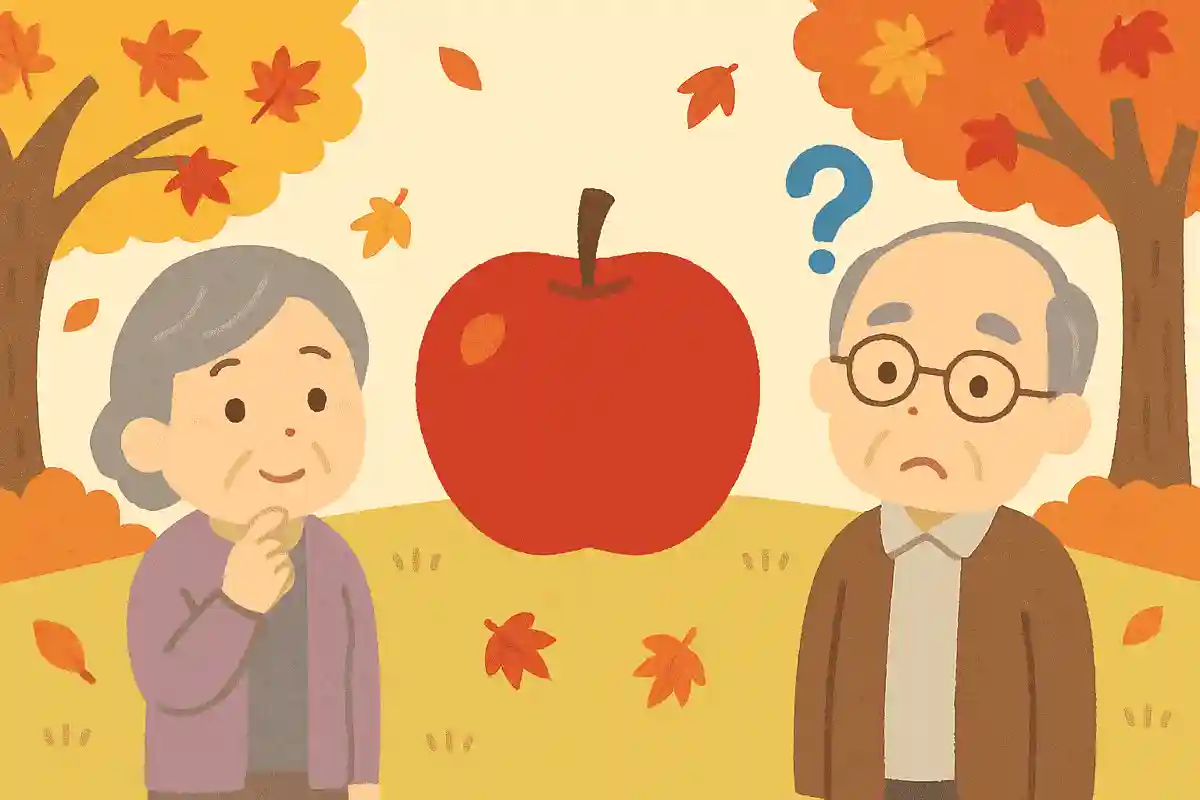
Proverbs are filled with the wisdom of our predecessors, and some expressions even evoke the changing seasons.
Among such sayings is one that feels like autumn: “When the 〇〇 turns red, doctors turn pale.” What fruit goes in the 〇〇? The answer is persimmon.
During persimmon harvest season, the weather is pleasant and the number of sick people decreases, leaving doctors pale because business slows down.
It’s also said that the rich nutrients in persimmons help reduce illness.
Let’s learn what nutrients they contain and aim for the kind of health that would make doctors turn pale.
What is an event in Japan that is similar to Halloween?
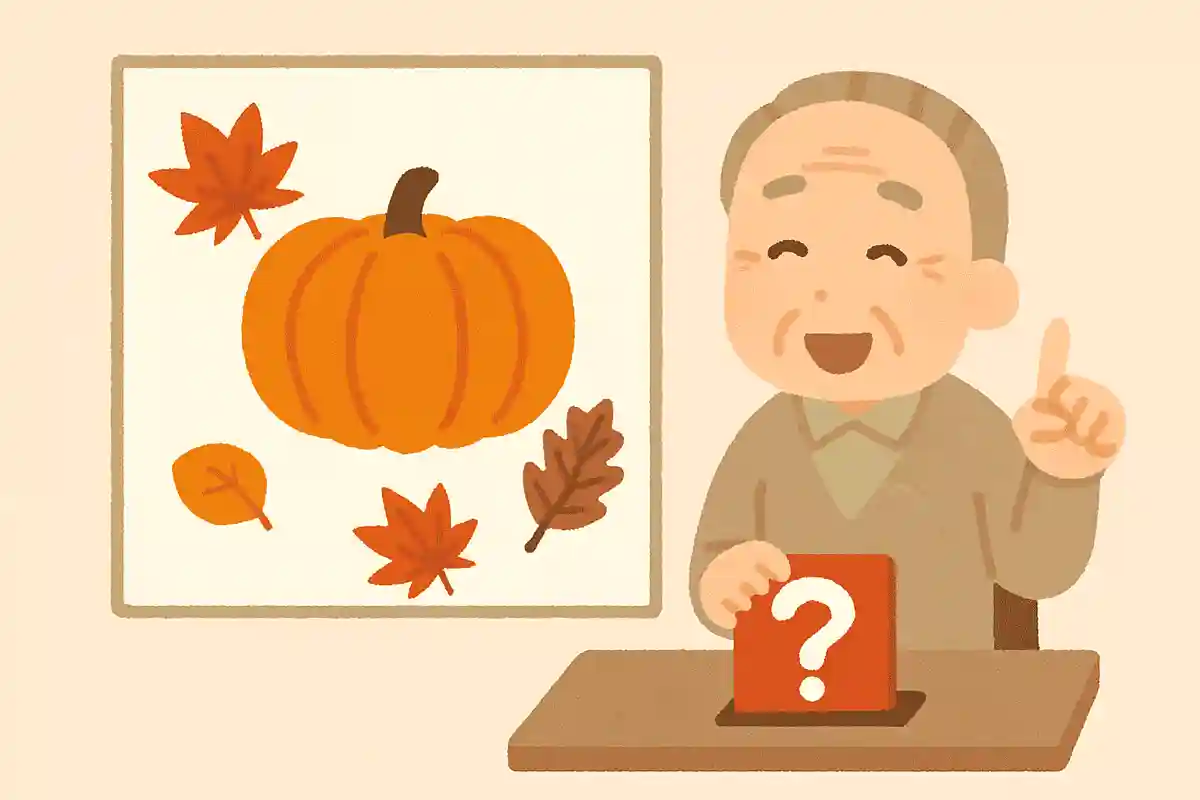
When we think of Halloween, it’s an event that originated overseas, and its lively atmosphere with a unique worldview has taken root as something new.
There’s a traditional Japanese event whose origins are quite similar to Halloween—do you know which one it is? It’s important to set aside the idea of festive costumes for a moment; if you think about what appears or who comes, you might figure it out.
The answer is Obon.
Both involve the return of ancestral spirits.
However, in Japan, that aspect has become less emphasized over time, so many people may not be aware of the origins.
Halloween is typically enjoyed by dressing up in costumes you like. Why do people wear costumes on Halloween?
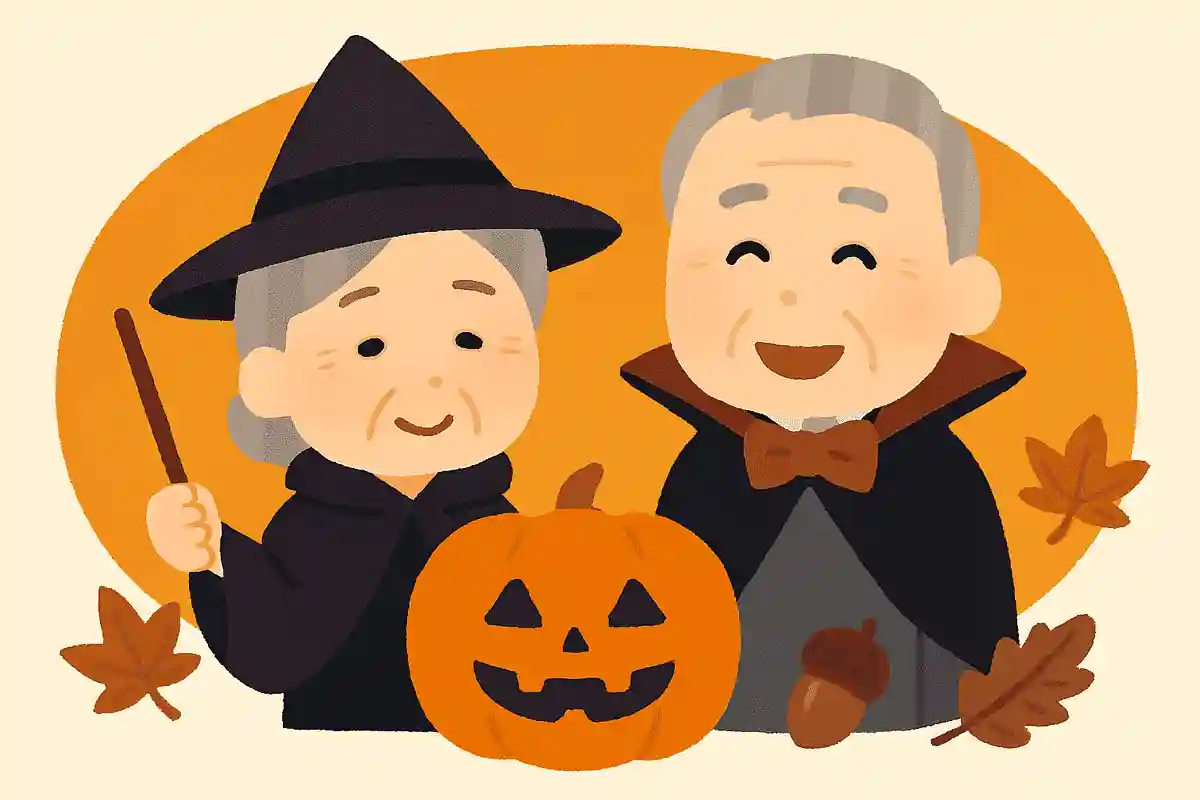
Speaking of autumn, Halloween is a particularly big event, and many people strongly associate it with a festival where you dress up in costumes and have fun.
So what meaning and reasons are embedded in costumes, an essential element of Halloween? What’s important here is Halloween’s origin as a day when the spirits of ancestors return, and we should consider how this connects to dressing up.
The answer is: it’s to avoid being taken away by devils or evil people.
Since along with ancestral spirits, bad things like demons and witches also arrive, people would costume themselves to make the evil think they were one of them and thus protect themselves.
As summer ends and the weather cools, be careful of autumn fatigue. So, what causes autumn fatigue?
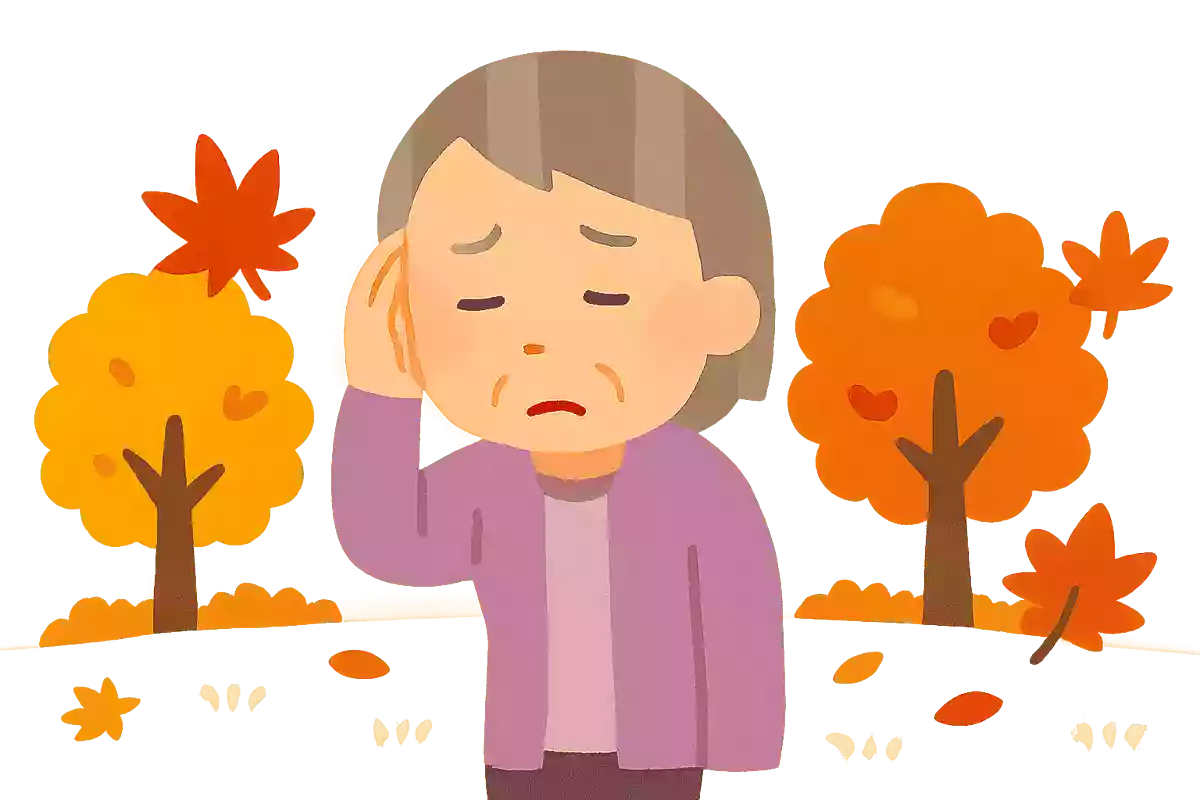
Autumn is a comfortable season, but due to temperature changes and lingering summer fatigue, older adults are more likely to feel unwell and experience autumn fatigue.
This quiz may help deepen your knowledge about autumn fatigue.
Using photos and illustrations to present easy-to-understand quiz questions could make it easier to grasp and more enjoyable.
After the quiz, having everyone share recommended health practices or the health tips they are currently putting into practice may further deepen knowledge about health.
