

[For Seniors] Let's have fun with an autumn-themed quiz!

Autumn is the season when the scorching, sunny days gradually start to cool down.
As autumn deepens, we often think of things like “autumn for eating,” “autumn for reading,” and “autumn for sports.”
We’d love for older adults to experience the feeling of autumn, too.
So this time, we’re introducing “Quizzes About Autumn for Seniors!”
Through conversations that capture the season, you can build seasonal awareness.
We’ve gathered many quizzes on familiar autumn themes, making them easy for seniors to try.
Please enjoy giving them a try!
- [For Seniors] Recommended Trivia Quizzes & Fun Facts for November
- [For Seniors] Fun Brain Training! Quizzes Recommended for October
- [For Senior Facilities] Lively and Fun! November Quiz
- [For Seniors] Fun and Lively! Recommended Quiz Questions
- [For Seniors] Laugh-Out-Loud, Crowd-Pleasing! Fun Quiz
- [For Seniors] Let’s have fun with October trivia and fun facts quizzes!
- [For Seniors] September Quiz: Brain Training Problems
- [For Seniors] Lively two-choice trivia quiz. Handy to know and tidbits you'll want to share with others
- [For Seniors] Fun and Educational True-or-False Quiz
- [For Seniors] Fun and Informative! Health Trivia Quiz
- [For Seniors] Enjoy Brain Training with September Trivia Quizzes & Fun Facts
- September Health Topic: Introducing Recreational Activities That Capture the Feeling of Autumn’s Arrival
- [Brain Training] Lively Word Quiz for Seniors
[For Seniors] Let's Have Fun with Autumn-Themed Quizzes! (51–60)
Sweet potatoes are harvested in autumn, but what are the points to look for when choosing delicious ones?
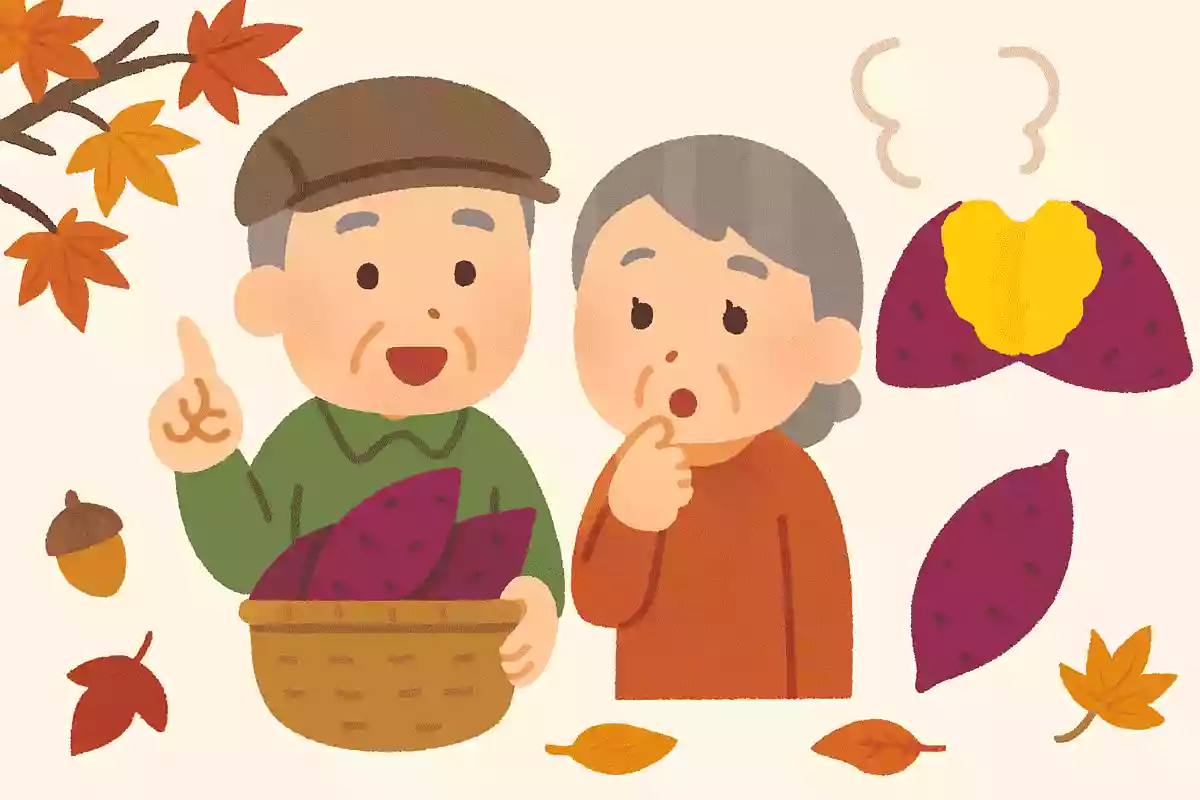
Sweet potatoes are a classic taste of autumn, and this is the perfect time to choose and enjoy the most delicious ones.
So what should you look out for when selecting sweet potatoes, and what are the key points for spotting good ones? The answer is to check for black lumps or discoloration at the cut end or on the surface.
This blackening is caused by a component called “yarapin,” a type of sugar, and if wounds have turned black, it indicates the potato contains plenty of it.
However, if the potato is covered in wounds or the surface is entirely black, it may be spoiled, so be sure to examine it carefully with that in mind.

Pacific saury are in season in autumn. What color is the lower jaw of a fresh saury?
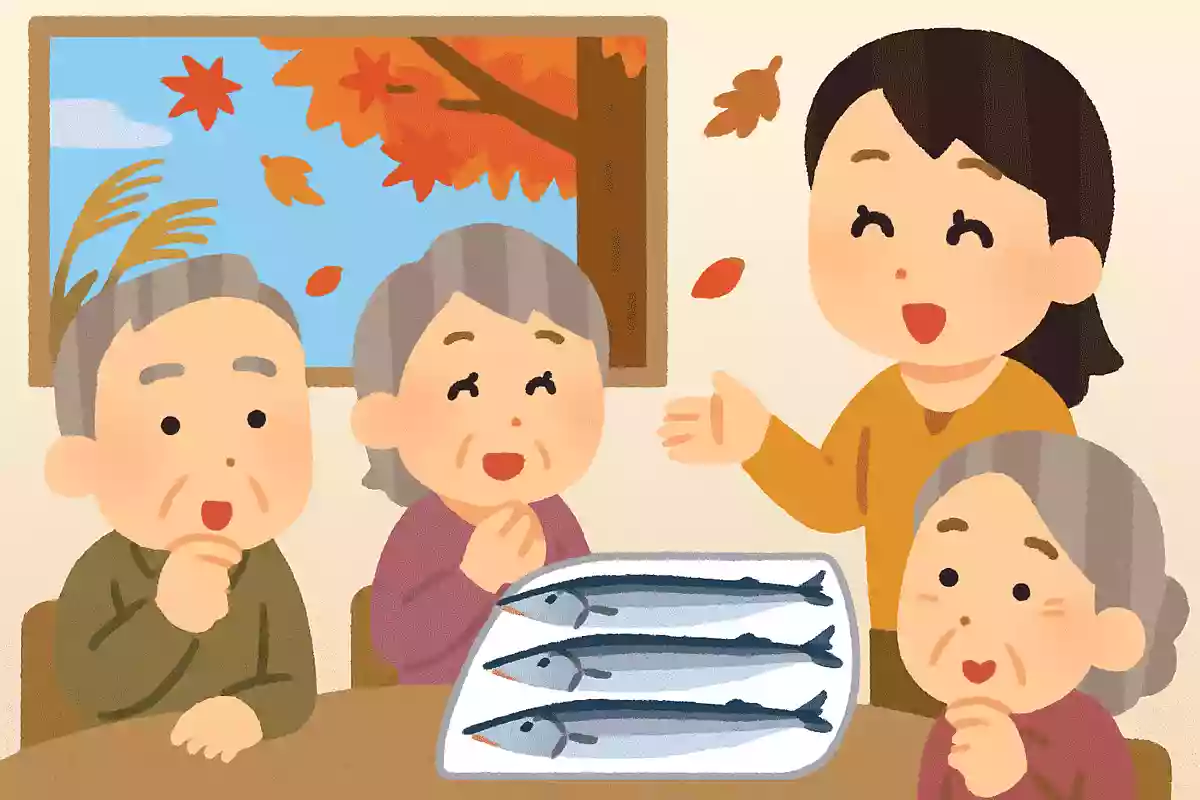
Fish are an important food that let us feel the seasons, and among them, Pacific saury is the quintessential fish that evokes autumn.
When choosing tastier saury, pay attention to this key point: the color of the lower jaw on a fresh fish.
Shine can be faked with lighting, but this part changes with time and can’t be disguised, making it a reliable indicator of freshness.
The answer is yellow—about three days after being landed, the color of the lower jaw changes from yellow to brown.
Speaking of the seven flowers of autumn, they are bush clover (hagi), kudzu (kuzu), dianthus (nadeshiko), maiden flower (ominaeshi), thoroughwort (fujibakama), and bellflower (kikyō). What is the last one?
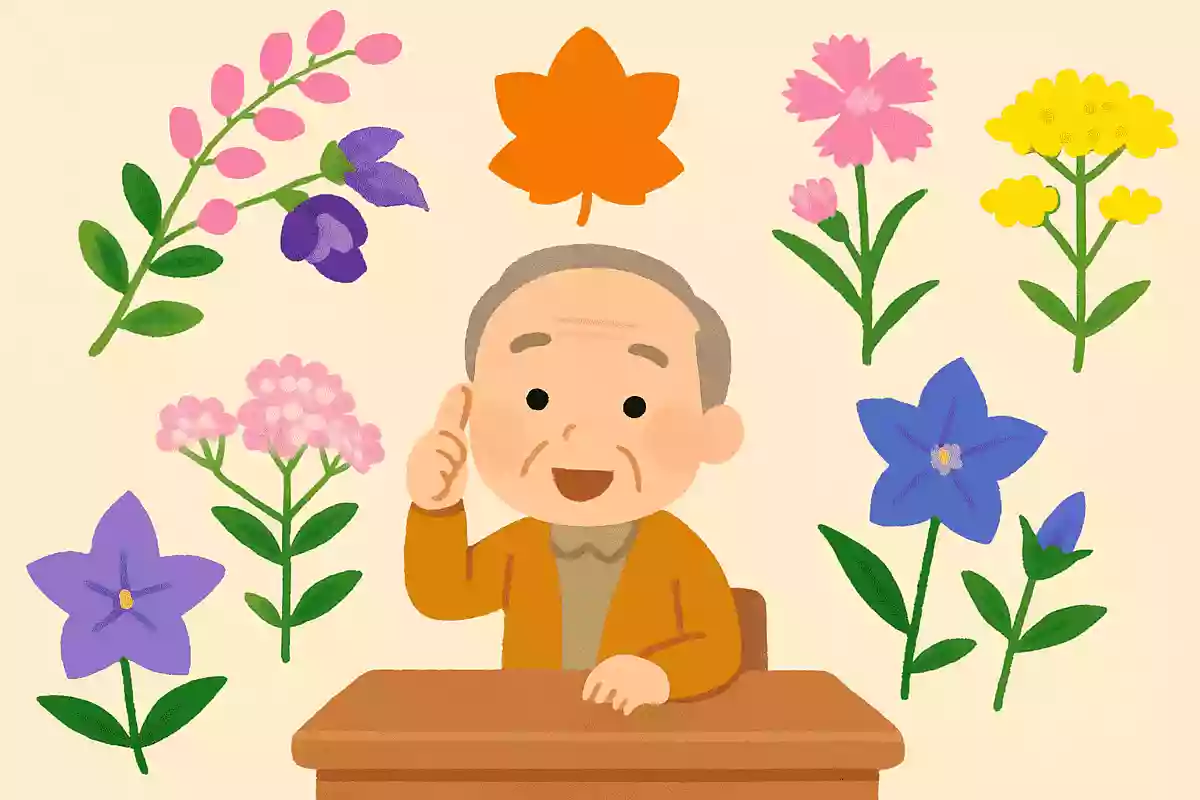
When we talk about the “seven herbs,” people often think of the spring seven herbs, but in fact there are also seven in autumn.
Of the autumn seven flowers—bush clover (hagi), kudzu (kuzu), pink (nadeshiko), patrinia (ominaeshi), thoroughwort (fujibakama), and bellflower (kikyō)—what is the last one? Unlike the spring seven herbs, which are familiar as edible plants, the autumn seven are ornamental plants said to originate from the Manyōshū.
If you think from the perspective of what evokes the feeling of autumn when you see it, you might come up with the answer.
It’s susuki (Japanese pampas grass)—a plant indispensable to autumn scenery, often displayed during moon-viewing.
Matsutake mushrooms are known as a high-end delicacy that embodies the flavors of autumn. In fact, they aren’t commonly eaten outside Japan. Why is that?
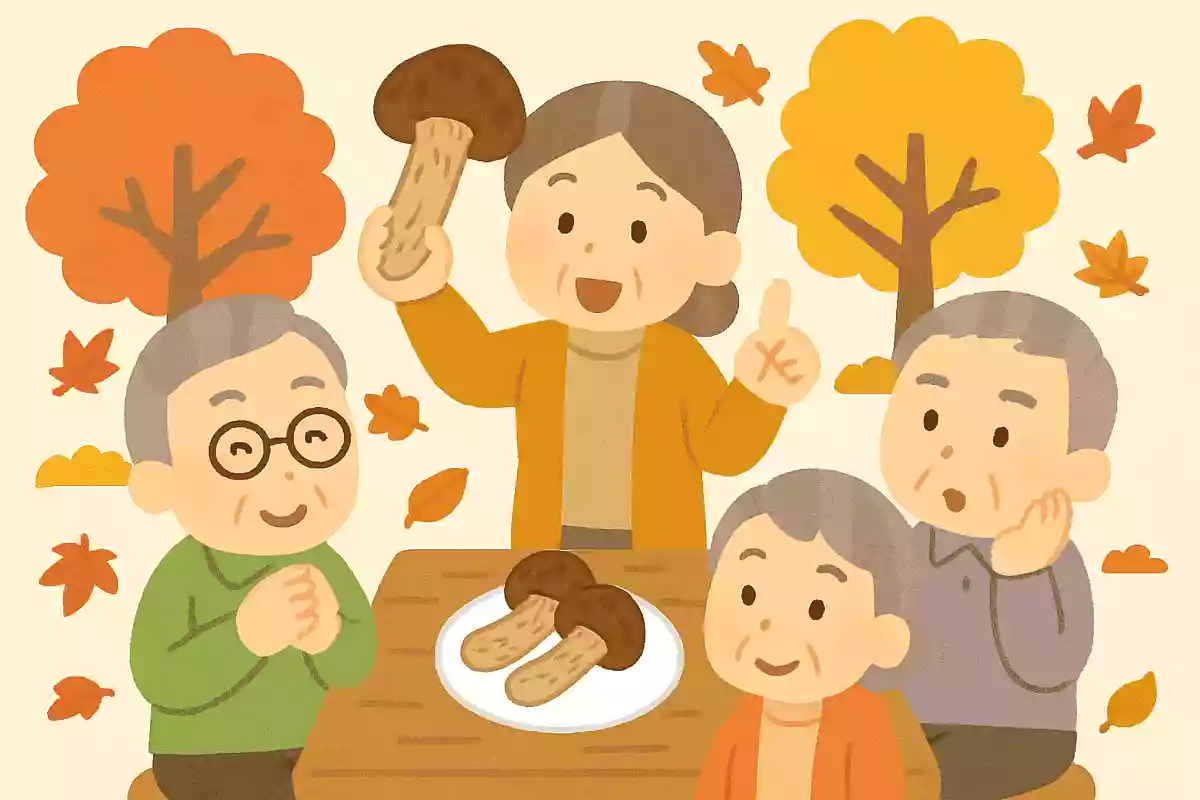
Matsutake mushrooms, often called the king of autumn flavors, are a quintessential luxury ingredient of the season, beloved for their rich aroma.
Their delicate biology makes them highly susceptible to contamination, which in turn makes them difficult to cultivate—an image that connects directly to their rarity and high price.
While matsutake have long been cherished in Japan, it’s often said they’re not commonly eaten overseas.
The reason is that the very fragrance adored in Japan is frequently perceived as unpleasant abroad, leading to lower consumption.
If they became popular overseas too, their rarity would increase even further, so for those who love matsutake, the current situation might actually be a good thing.
[For Seniors] Let's Have Fun with Autumn-Themed Quizzes! (61–70)
Autumn has sharp temperature swings, doesn’t it? What are some ways to prevent temperature-change (non-allergic) rhinitis?
Have you ever struggled with health issues or felt unsure about what to wear due to the temperature swings in autumn? One condition that tends to occur during seasonal transitions or when the difference between daytime and nighttime temperatures widens is temperature-change allergy (non-allergic rhinitis triggered by temperature fluctuations).
Its symptoms vary and can include a runny or stuffy nose, coughing, headaches, hives, and sneezing.
What comes to mind as a way to prevent this so-called temperature-change allergy? The answer is strength training—be mindful of your health with moderate strength training and aerobic exercise.
Japan’s autumn leaves are so beautiful that there’s even a word for going out to view them: “momijigari.” So, when did Japanese people start enjoying autumn leaf viewing?
As autumn deepens, the leaves begin to change color, and it’s said to be the time of year when the autumn foliage is at its most beautiful.
During momijigari (autumn leaf viewing), you can experience nature as picturesque, painting-like landscapes unfold before you.
This quiz lets you learn about the origins of the season when Japanese people enjoy the autumn leaves.
For older adults, quizzes can help with cognitive prevention, provide a sense of the season, and serve as a conversation starter.
While doing the quiz, asking participants to share the best spots for autumn leaves might make things even more exciting.

Maple trees turn beautifully red in autumn, but what is something they have in common with humans?
When it comes to autumn scenery, nothing beats the changing leaves—trees turning vivid colors from places close by to mountains in the distance.
Even among the indispensable Japanese maple leaves, there are color differences, and it’s said this is due to a mechanism similar to that in humans.
So what is it that’s the same as in humans? Many people might guess it if you think of a scientifically based way of broadly classifying human individuality—something even used in fortune-telling.
The answer is blood type.
Of course, plants don’t have blood, so they’re classified by the types of glycoproteins contained in their sap.
Yellow maples are said to correspond to type O, and red maples to type AB.