

[For Seniors] Let's have fun with an autumn-themed quiz!

Autumn is the season when the scorching, sunny days gradually start to cool down.
As autumn deepens, we often think of things like “autumn for eating,” “autumn for reading,” and “autumn for sports.”
We’d love for older adults to experience the feeling of autumn, too.
So this time, we’re introducing “Quizzes About Autumn for Seniors!”
Through conversations that capture the season, you can build seasonal awareness.
We’ve gathered many quizzes on familiar autumn themes, making them easy for seniors to try.
Please enjoy giving them a try!
- [For Seniors] Recommended Trivia Quizzes & Fun Facts for November
- [For Seniors] Fun Brain Training! Quizzes Recommended for October
- [For Senior Facilities] Lively and Fun! November Quiz
- [For Seniors] Fun and Lively! Recommended Quiz Questions
- [For Seniors] Laugh-Out-Loud, Crowd-Pleasing! Fun Quiz
- [For Seniors] Let’s have fun with October trivia and fun facts quizzes!
- [For Seniors] September Quiz: Brain Training Problems
- [For Seniors] Lively two-choice trivia quiz. Handy to know and tidbits you'll want to share with others
- [For Seniors] Fun and Educational True-or-False Quiz
- [For Seniors] Fun and Informative! Health Trivia Quiz
- [For Seniors] Enjoy Brain Training with September Trivia Quizzes & Fun Facts
- September Health Topic: Introducing Recreational Activities That Capture the Feeling of Autumn’s Arrival
- [Brain Training] Lively Word Quiz for Seniors
[For Seniors] Let's Have Fun with Autumn-Themed Quizzes! (41–50)
One high-end ingredient that represents autumn in Japan is described as having a “smell trapped in leather shoes,” and it isn’t commonly eaten in the West. What is this luxury ingredient?
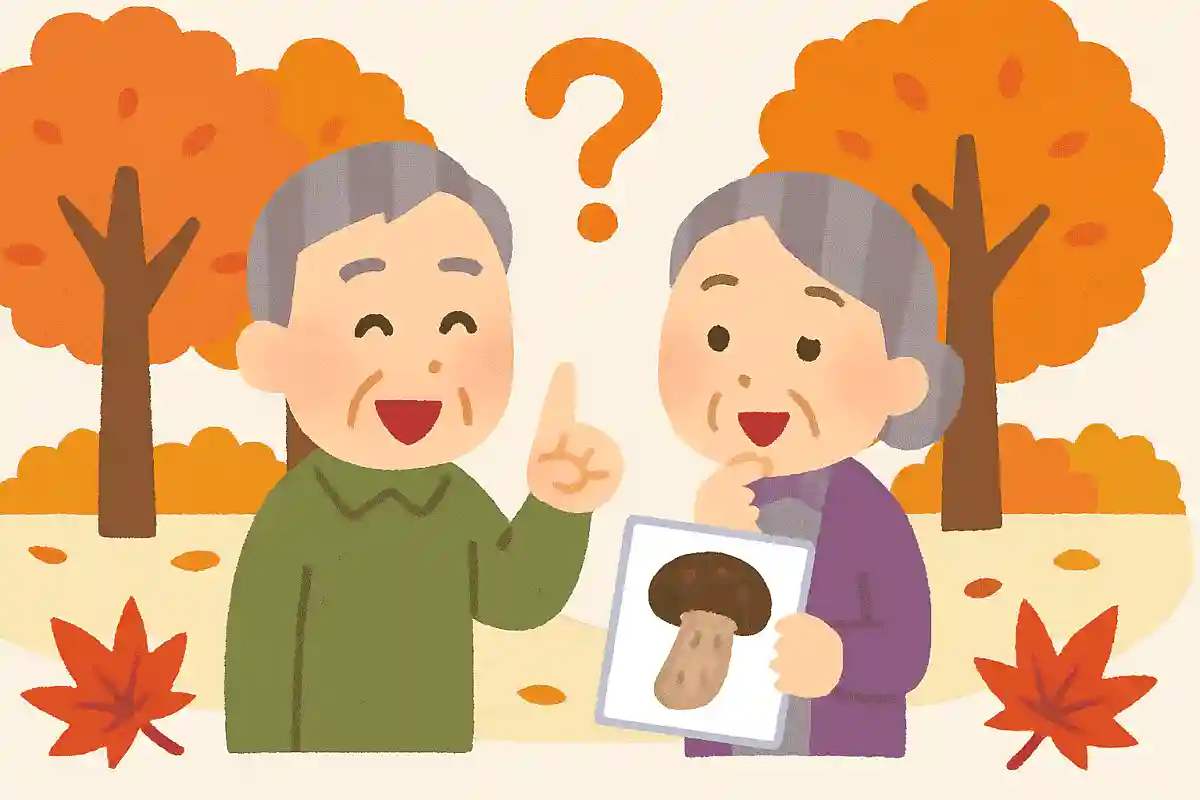
As autumn is known for whetting the appetite, many delicious foods that boost our cravings come into season.
Starting with rice, there are also Pacific saury, sweet potatoes, chestnuts, pears, and grapes, but the true king of autumn flavors is undoubtedly matsutake mushrooms.
As a luxury ingredient, matsutake aren’t something we can easily enjoy every day, and their greatest allure lies in their uniquely sweet aroma.
This fragrance is said to stimulate the appetite and have a calming effect, and in recent years, it has reportedly been found to be potentially effective in helping prevent cancer.
What is the name of the solar term that marks the time when nights grow longer and cold dew forms on plants in the early morning?
When October arrives, unlike September when we could still feel the heat, the number of days that feel chilly increases, doesn’t it? Is everyone keeping well? Autumn brings large temperature swings throughout the day, so please take care not to catch a cold.
Here’s a question that’s perfect for October: Among the twenty-four solar terms, what is the period when the nights grow longer and cold dew forms on plants in the early morning? The answer is “Kanro” (Cold Dew).
As mentioned, the temperature differences become pronounced during this time, but the air is also clear.
The moon looks beautiful, so be sure to look up at the night sky.

Soybeans are harvested in October. Since when have people in Japan been eating soybeans?
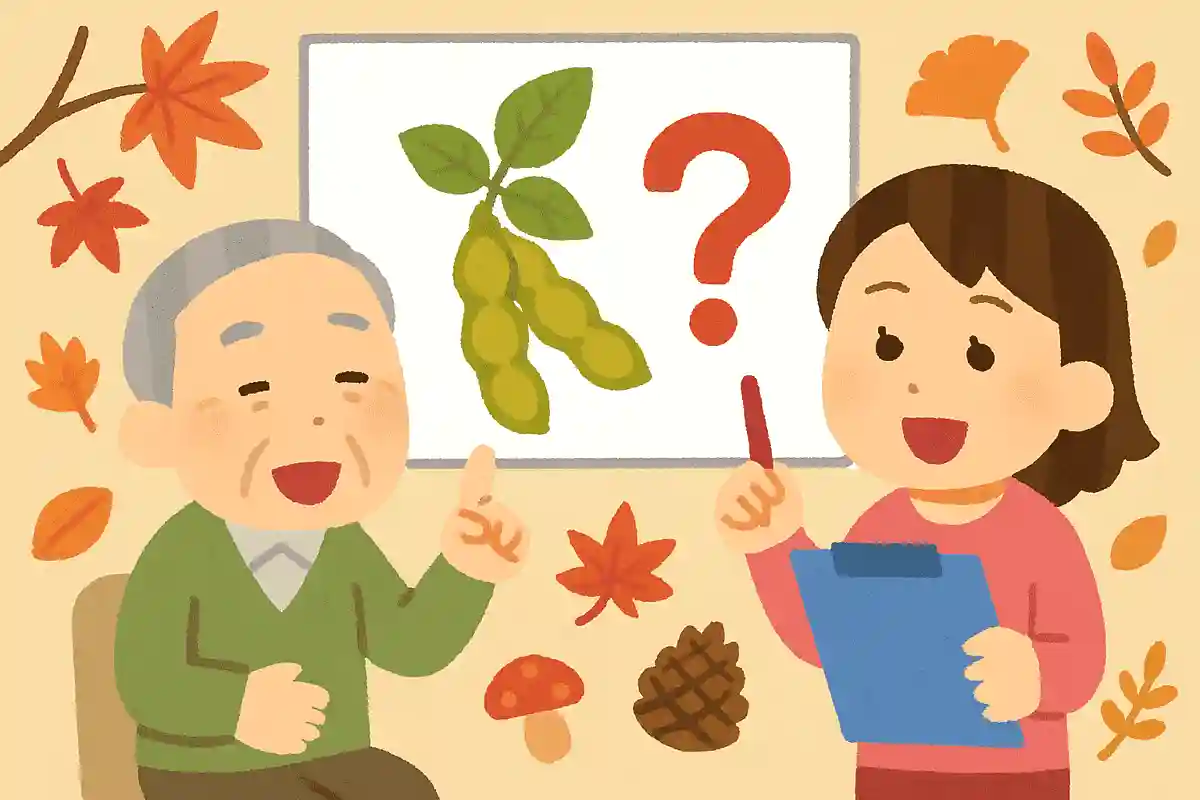
Soybeans enter their harvest season around October.
They’re delicious eaten as they are, but there are also many soybean-based foods that are indispensable to us Japanese, such as tofu, natto, and miso.
Many of you probably eat them regularly.
Here’s a question: Do you know since when people in Japan have been eating soybeans? The answer is the Jomon period.
It’s a bit surprising to think it goes that far back, isn’t it? Analysis of Jomon pottery has revealed that soybeans were being cultivated in Kyushu.
In which era in Japan was the first sports festival (undokai) held?
In autumn, most schools in Japan hold sports days or athletic festivals.
The events vary by age, but competitions like relays and cavalry battles are common, and in recent years, performance events such as dance routines have also become popular.
So here’s a recommended October quiz about sports days: In which era was Japan’s first sports day held? The answer is the Meiji era.
It seems the reason sports days were introduced was to get students to exercise.
At the time, physical education consisted of things like horseback riding and martial arts, so there weren’t many opportunities for general exercise.
In October 1972, Japan and China normalized diplomatic relations, and China presented an animal as a commemorative gift. What animal was it?
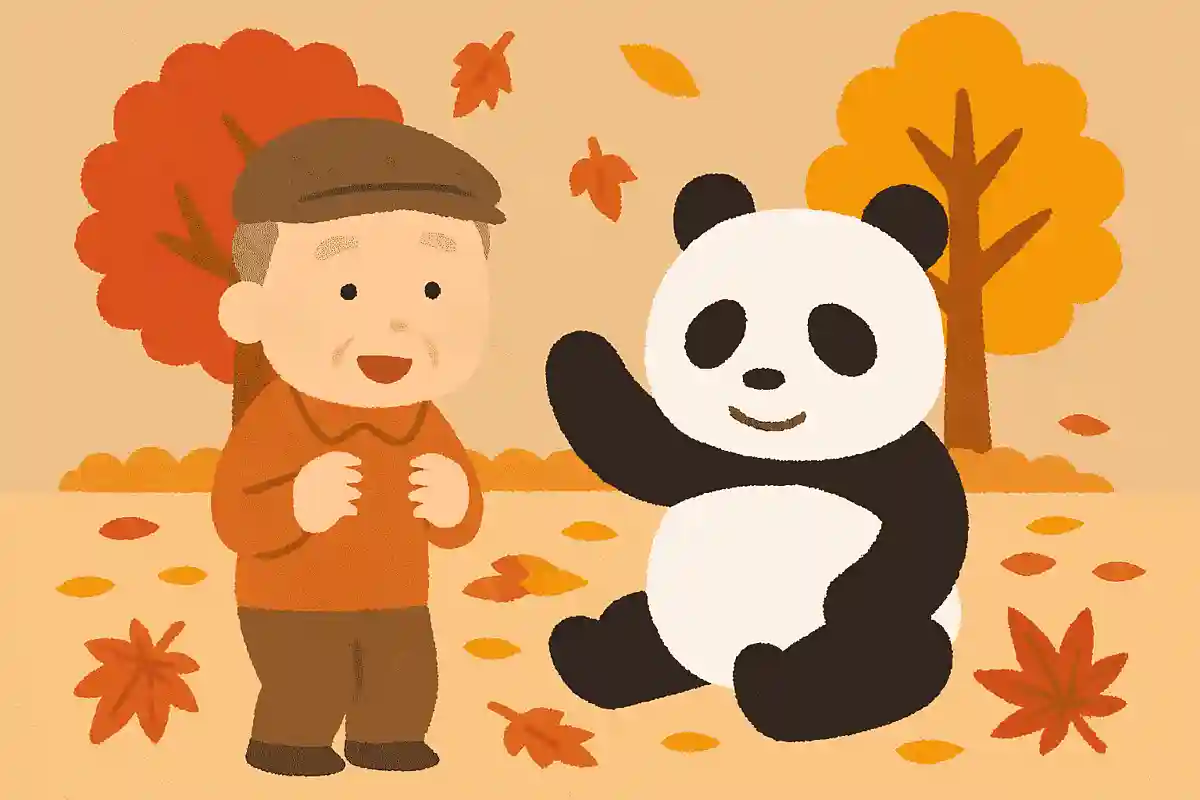
October has pleasant weather and is the best season for field trips, isn’t it? There are many possible destinations for field trips, and zoos are surely one of them.
Here’s a question: In October of 1972, Japan and China normalized diplomatic relations, and China presented Japan with an animal as a commemorative gift.
What was that animal? The answer is “panda.” Zoos have many kinds of animals, but pandas are especially popular.
Their round shape and the way they tumble around are irresistibly cute, aren’t they?
What is the moon-viewing event called where one observes a moon slightly waning from full—also known as “Mame Meigetsu” (Bean Harvest Moon) or “Imo Meigetsu” (Potato Harvest Moon)?
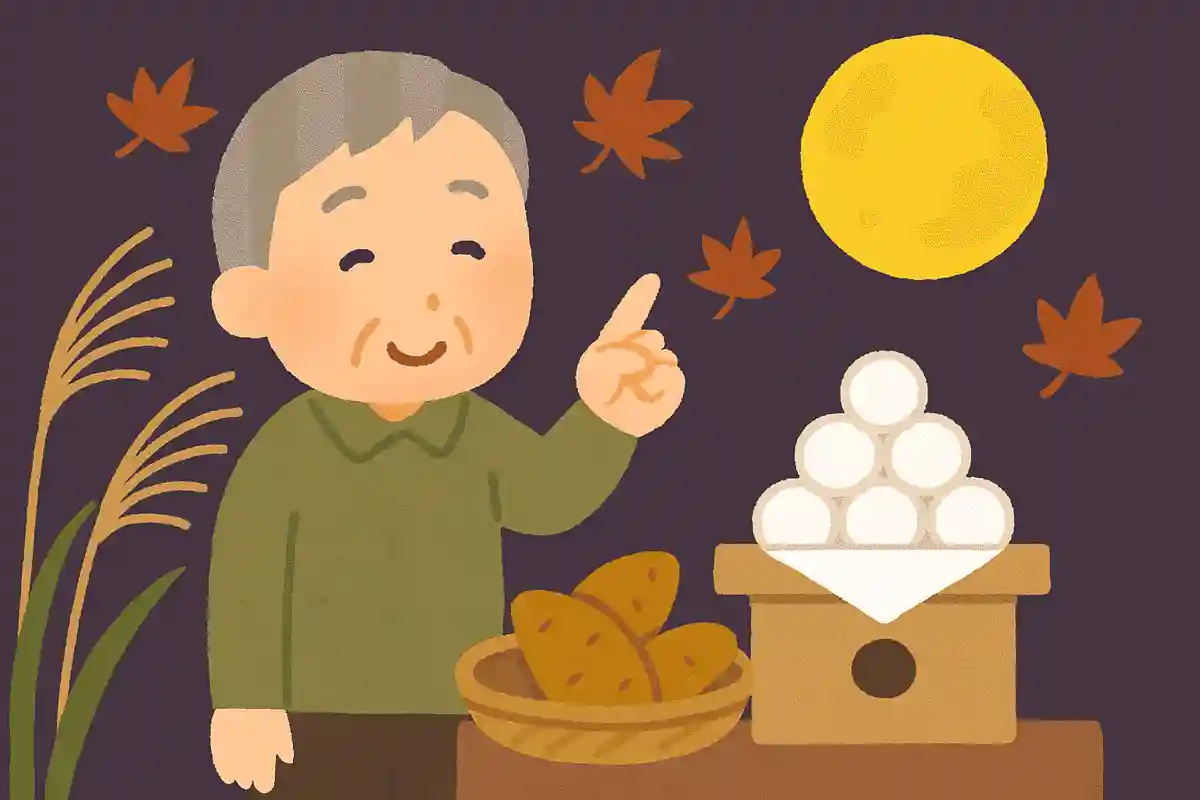
What do you call the moon-viewing custom of observing the moon just slightly waning from full—also known as the “Bean-Viewing Moon” or “Taro-Viewing Moon”? The answer is “Jūsan-ya,” or the Night of the Thirteenth Moon.
When it comes to moon viewing, the fifteenth night in September is well known, but there is actually another moon-viewing tradition around October—this is Jūsan-ya.
The fifteenth night custom came from China, while Jūsan-ya is a Japanese tradition.
Both involve enjoying the beauty of the moon, but Jūsan-ya carries the meaning of giving thanks for the autumn harvest.
If you missed the September moon viewing, why not enjoy Jūsan-ya instead?
October is the season for autumn leaves. From what temperature do maple leaves turn red?
Speaking of autumn, it’s the season for fall foliage.
Tourist spots are bustling with people, aren’t they? And when we talk about fall colors, we think of Japanese maples (momiji).
The vivid crimson leaves of momiji at this time of year are truly beautiful.
Here’s a question: do you know from what temperature the leaves of momiji start turning red? The correct answer is 8°C (46°F).
The pigment in the leaves called anthocyanin, which is necessary for the red color, increases when the minimum temperature drops below 8°C, promoting the coloration.
Of course, other weather conditions play a role too, but this can be a useful indicator when planning to view the fall foliage, so feel free to remember it.