

[For Seniors] Let's have fun with an autumn-themed quiz!

Autumn is the season when the scorching, sunny days gradually start to cool down.
As autumn deepens, we often think of things like “autumn for eating,” “autumn for reading,” and “autumn for sports.”
We’d love for older adults to experience the feeling of autumn, too.
So this time, we’re introducing “Quizzes About Autumn for Seniors!”
Through conversations that capture the season, you can build seasonal awareness.
We’ve gathered many quizzes on familiar autumn themes, making them easy for seniors to try.
Please enjoy giving them a try!
- [For Seniors] Recommended Trivia Quizzes & Fun Facts for November
- [For Seniors] Fun Brain Training! Quizzes Recommended for October
- [For Senior Facilities] Lively and Fun! November Quiz
- [For Seniors] Fun and Lively! Recommended Quiz Questions
- [For Seniors] Laugh-Out-Loud, Crowd-Pleasing! Fun Quiz
- [For Seniors] Let’s have fun with October trivia and fun facts quizzes!
- [For Seniors] September Quiz: Brain Training Problems
- [For Seniors] Lively two-choice trivia quiz. Handy to know and tidbits you'll want to share with others
- [For Seniors] Fun and Educational True-or-False Quiz
- [For Seniors] Fun and Informative! Health Trivia Quiz
- [For Seniors] Enjoy Brain Training with September Trivia Quizzes & Fun Facts
- September Health Topic: Introducing Recreational Activities That Capture the Feeling of Autumn’s Arrival
- [Brain Training] Lively Word Quiz for Seniors
[For Seniors] Let’s Have Fun with Autumn-Themed Quizzes! (31–40)
Lotus root comes into season from autumn to winter; which part do we usually eat?
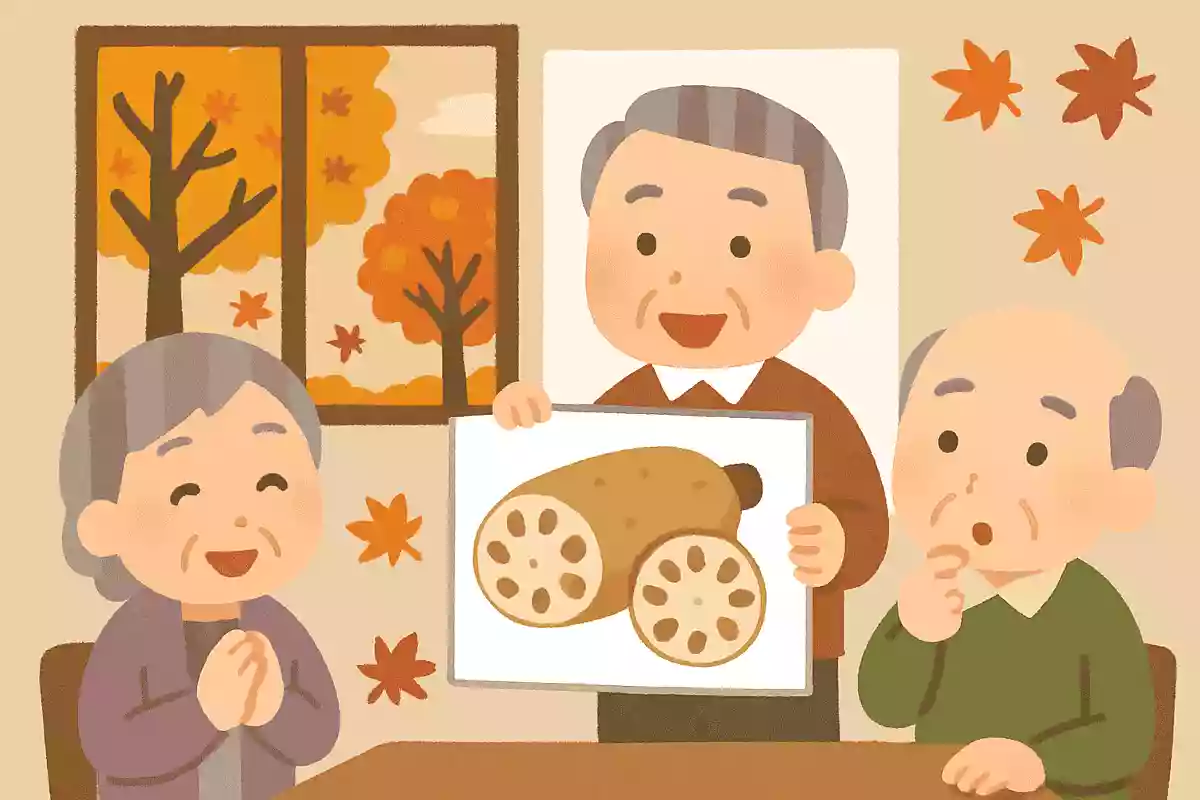
Vegetables I didn’t like as a child somehow taste good as I get older—human taste is mysterious, isn’t it? We eat vegetables casually every day, but we don’t really think about which part of the plant we’re eating.
Lettuce and cabbage are the leaves, I suppose… So what about lotus root, which is delicious in autumn? The answer is: it’s the stem.
Since we tend to picture stems as thin, it’s not an easy answer to arrive at.
By the way, asparagus and bamboo shoots—the ones we often eat—are also stems.
Broccoli and cauliflower are flower buds.
It’s the kind of fun trivia you can’t help but want to share!
There is something that maple trees with beautiful autumn leaves have in common with humans. What is it?
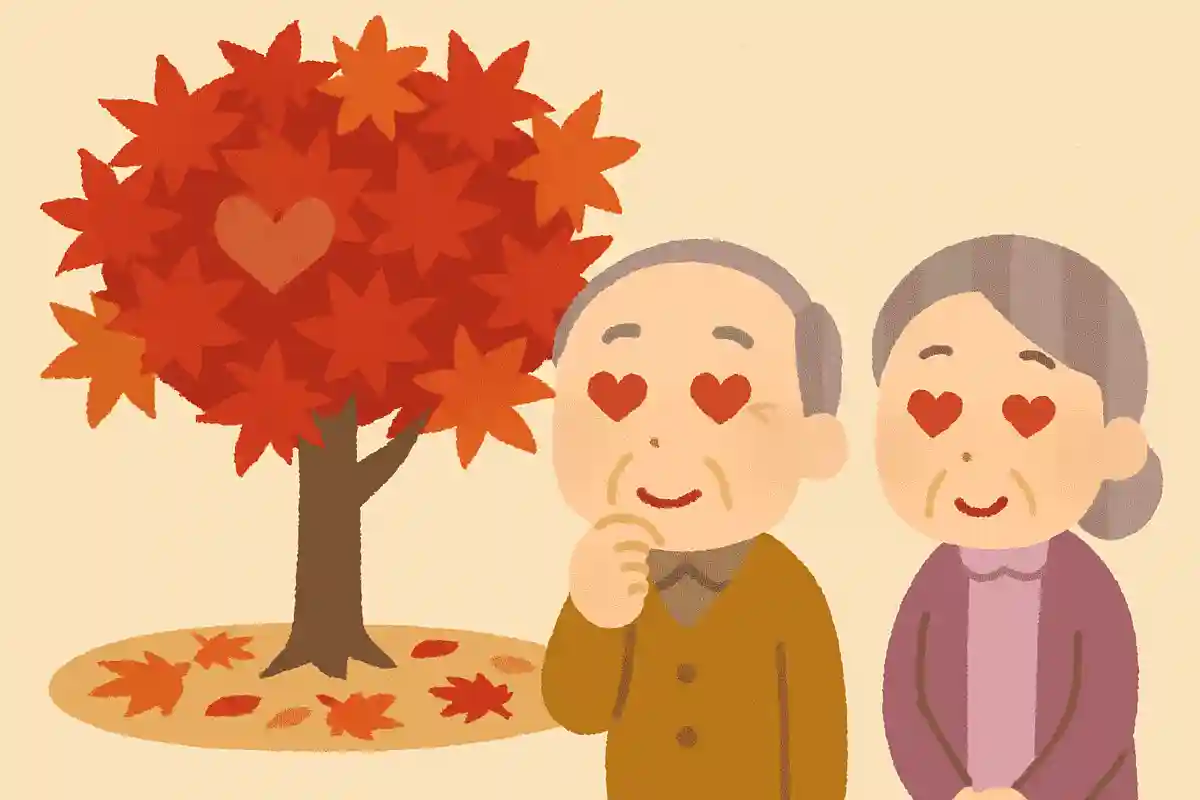
What places come to mind for autumn foliage? For me, the first are the fall colors of Mount Tanigawa in Gunma Prefecture and Mount Adatara in Fukushima Prefecture.
But it’s hard to imagine that maple leaves have something in common with humans, isn’t it? Something shared by plants and animals? The answer is blood types.
Of course, it’s not real blood; the types are distinguished by the kinds of proteins in the maple’s sap.
Incidentally, red maples are said to be type AB, while yellow ones are type O.
Next time you look at maples, you might find yourself thinking about their blood types.
What is the plant with a sweet fragrance that blooms around early October?
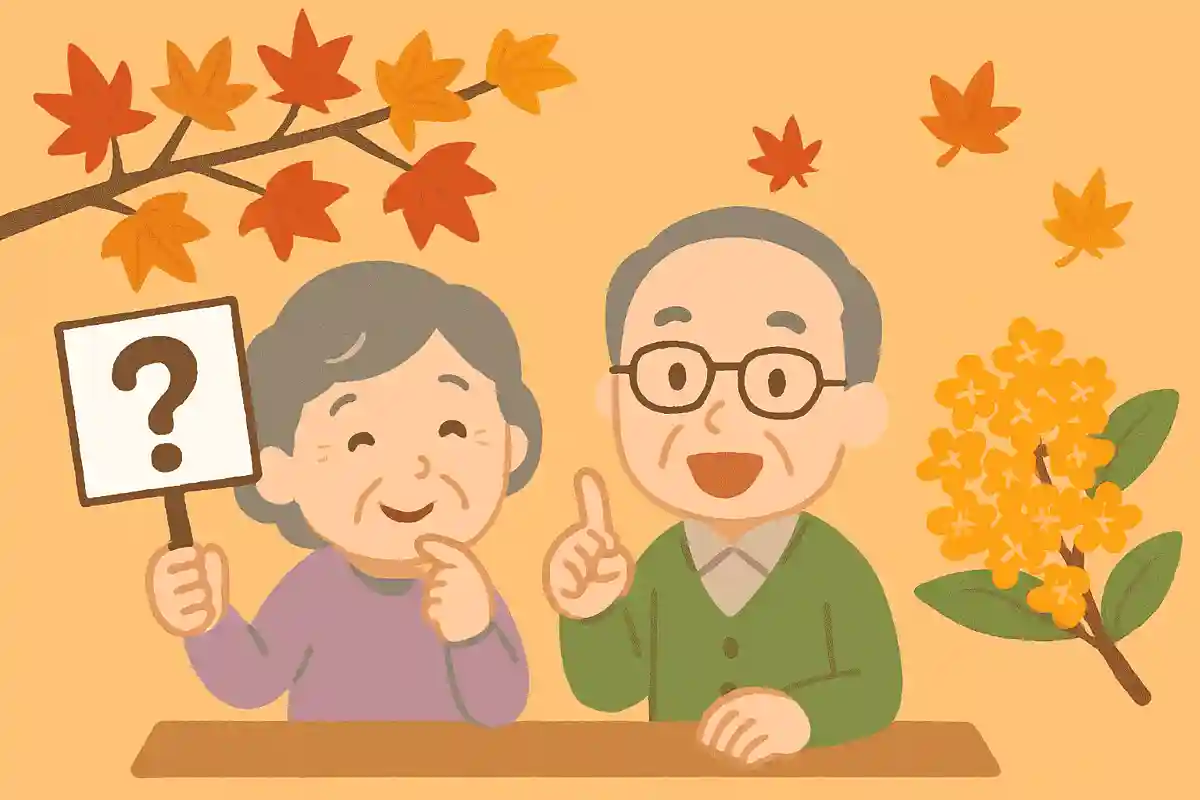
What is the sweet-smelling plant that blooms around early October? The answer is “kinmokusei” (fragrant olive).
Kinmokusei bears clusters of small orange blossoms.
Its scent is wonderful—gentle and pleasant.
Perhaps because of its strong fragrance, kinmokusei is a flower closely linked with autumn memories.
It often appears in the lyrics of autumn songs, regardless of era.
For many older adults, the scent of kinmokusei may bring back vivid scenes and feelings.
Along with the quiz, we hope it also sparks conversations filled with fond memories.

October 2 is Tofu Day. Which prefecture in Japan has the highest tofu production?

Tofu, a soy-based food indispensable to our meals.
October 2 is known as Tofu Day.
The reason is simple: in Japanese wordplay, 10 (tō) and 2 (fu) make “tōfu.” Here’s a question related to Tofu Day: Which prefecture produces the most tofu in Japan? The answer is Hokkaido.
Tofu is made from soybeans, and although most soybeans are imported from overseas, Hokkaido can produce soybeans stably, so there are many tofu manufacturers there.
On Tofu Day, be sure to try tofu from Hokkaido.
From what era did chrysanthemum dolls, which can be enjoyed in autumn, originate?
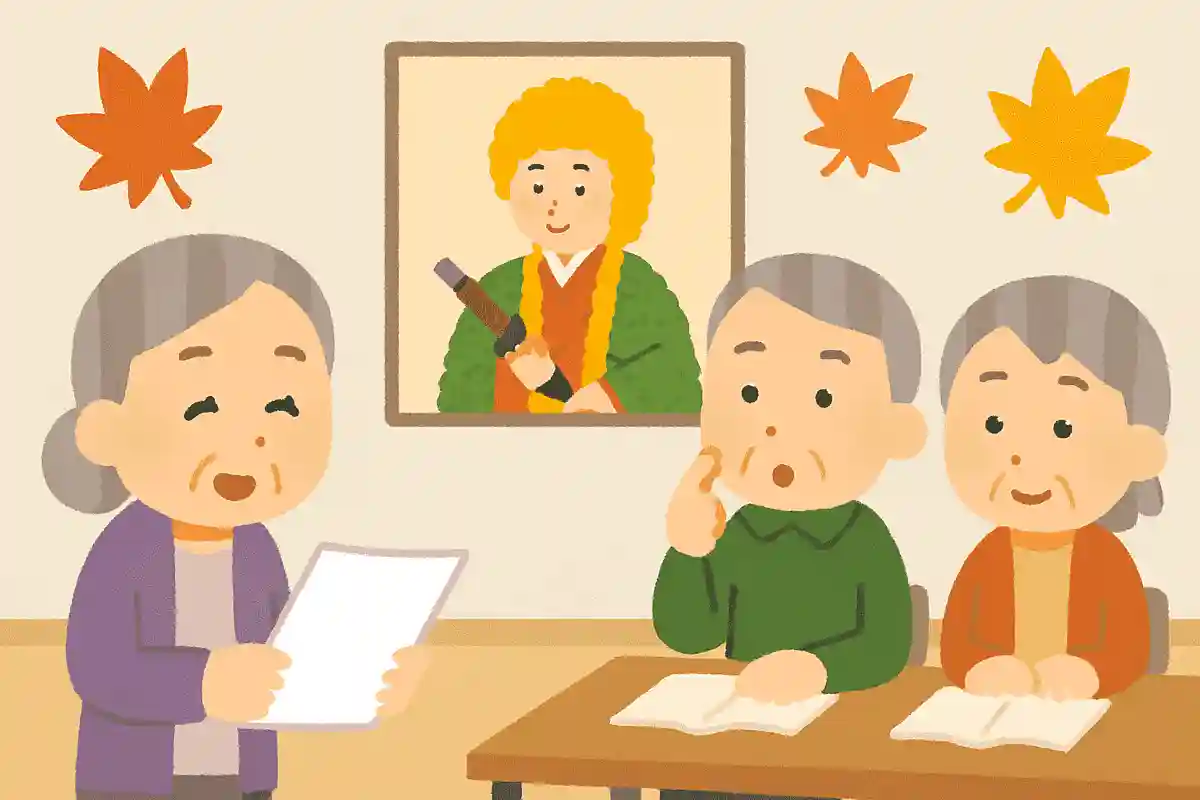
What comes to mind when you hear “kiku-ningyō,” or chrysanthemum dolls? If you’re from Kansai, you probably think of the Grand Chrysanthemum Doll Exhibition at Hirakata Park.
The exhibition has become a hallmark of autumn, featuring recreations of scenes from that year’s NHK Taiga drama in chrysanthemum dolls, as well as displays of figures who made headlines that year.
So when did chrysanthemum dolls begin? The answer is the Edo period.
Their origins are said to lie in chrysanthemum craftwork that became popular around Somei and Sugamo in Edo, areas known for prolific flower production.
Quizzes are fun, but talking about chrysanthemum dolls really makes you want to go see the real thing, doesn’t it?
[For Seniors] Let's Have Fun with Autumn-Themed Quizzes! (41–50)
October 10 is Public Bathhouse Day. What is something that is often painted on the walls of sento bathhouses?
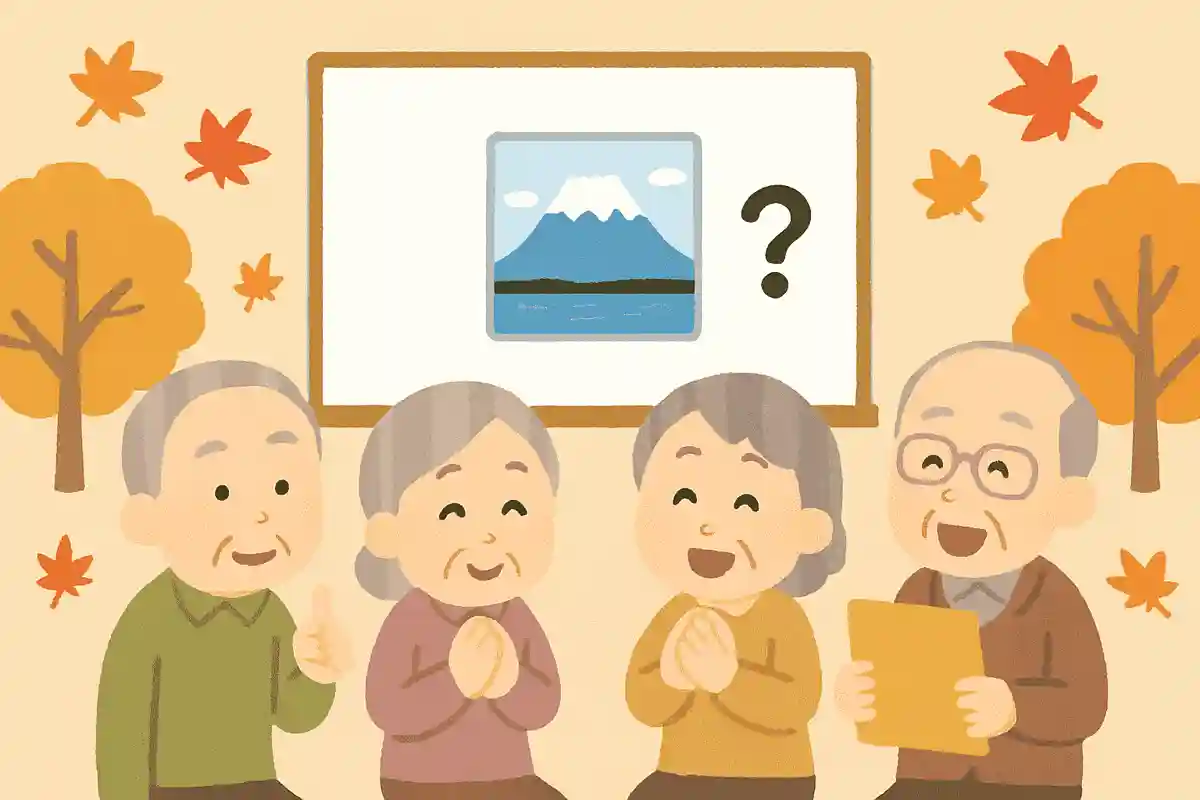
October 10 is Sento Day.
In recent years, more and more “super sento” have appeared, offering saunas, stone spas, and dining areas.
But traditional sento have also become popular among young people as “Showa retro.” Here’s a question about sento: What is something that is often painted on the walls? The answer is Mount Fuji.
It’s said to be painted because it’s considered auspicious.
That said, this is more common around the Kanto region and not as prevalent in western Japan.
What do you call the practice of changing uniforms according to the season, which often takes place in June and October?
Japan has four seasons—spring, summer, autumn, and winter—and we wear short sleeves or long sleeves depending on the time of year.
In particular, many people switch out the clothes in their closets and drawers in June, when it starts getting hot, and in October, when it starts getting cold.
Here’s a question: what do you call the practice of changing your wardrobe to match the season, often done in June and October? The answer is “koromogae” (seasonal wardrobe change).
October is just the time to transition from summer clothes to winter clothes.
Let’s make sure to do our koromogae properly so we don’t catch a cold during the change of seasons.