

[For Seniors] Fun and Exciting! Difficult Kanji Quiz

Brain training is a type of recreation that’s easy for anyone to try, regardless of gender.
Because you can participate while seated, it’s accessible even for those who have difficulty moving their bodies.
Kanji brain-training quizzes in particular are said to help train the brain by recalling information from memory and sparking new ideas.
So this time, we’ll introduce a set of difficult kanji quizzes.
With quizzes, people can enjoy the sense of achievement and satisfaction when the answer they worked hard to come up with turns out to be correct.
Some older adults may overthink when it comes to difficult kanji.
Try adding creative touches like providing hint illustrations or photos that lead to the answer.
- [For Seniors] Challenging but Exciting! Kanji Quiz
- [For Seniors] How many can you read? A comprehensive showcase of difficult food kanji
- [For Seniors] Fun Brain Training! Prefecture Quiz
- [For Seniors] Nostalgic quizzes that bring back memories! Showa-era entertainment and sports questions
- [For Seniors] Laugh-Out-Loud, Crowd-Pleasing! Fun Quiz
- [For Seniors] Perfect for Dementia Prevention! Jumbled Kanji Quiz
- Hand games that liven things up for seniors—also great brain training
- [For Seniors] Have Fun with Wordplay Characters! A Collection of Funny Puzzles
- [For Seniors] Guaranteed to Liven Things Up! A Collection of Brain Training Activities That Will Spark Laughter
- [For Seniors] Fun! Let’s Get Excited with Japan’s Number One Quiz
- [For Seniors] Today’s recommended quiz. Daily brain-training quiz!
- [Fun Brain Training!] Introducing a quiz on the world’s least-stroke-count kanji
- [For Seniors] Kanji Decomposition Quiz: Assemble the scattered characters
[For Seniors] Fun and Lively! Difficult Kanji Quiz (11–20)
fig
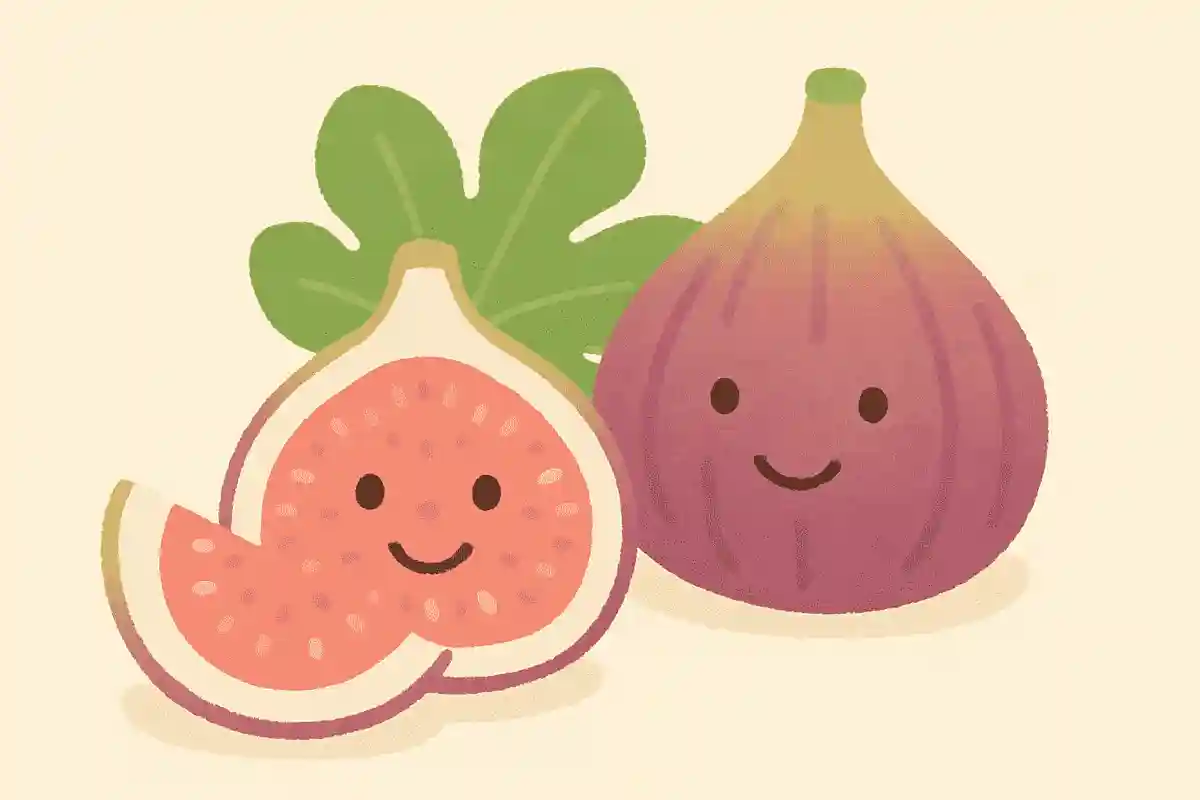
What does the kanji “無花果” represent? Here’s a hint: it’s a fruit.
It’s widely produced in Wakayama and Aichi Prefectures and is eaten from summer to autumn.
It’s sometimes said to be the forbidden fruit that Adam and Eve ate, but it’s not the famous apple.
Although the kanji say “no flower,” the truth is that the flowers bloom inside the fruit! So, what is this unusually structured fruit? It’s the fig (ichijiku).
Figs are rich in nutrients that help prevent constipation, as well as iron and minerals, so when they’re in season, seniors should enjoy not only the quiz but also their delicious taste.

squirrel

See the answer
squirrel
Squirrels eat tree nuts like acorns, walnuts, and chestnuts. They’re adorable when they stuff lots of food into their small mouths, puffing out their cheeks. Perhaps that’s why the animal was written with the characters for “chestnut” and “mouse” (栗鼠) in kanji. When you visit a park in autumn with an older adult, you might even come across a squirrel. Bringing up these hard-to-read kanji during conversation with seniors could make the discussion even more engaging.

surume (dried squid)

Surume (dried squid), long cherished in Japan, is known for its unique chewiness and the umami that deepens the more you chew.
It’s high in protein and low in calories, making it suitable for people on a diet and as a snack for children.
Interestingly, surume is written in kanji as “寿留女.” The origin is said to derive from surume’s longevity as a preserved food, carrying wishes such as “may the bride remain long in her new home” and “may there be no shortage of food.” Combining “寿” (longevity) with “留” (to stay/retain) results in “寿留女” (surume).
Realizing that even the surume we casually eat has such a history is quite moving.
dimple

The small indentations that appear on the cheeks when you smile are often written in kanji as “笑窪,” but they can also be written with a single character.
Not everyone has them, as they vary greatly due to genetics and other individual differences, so if you have dimples, cherish them as a charming feature.
The kanji has 23 strokes.

bush warbler
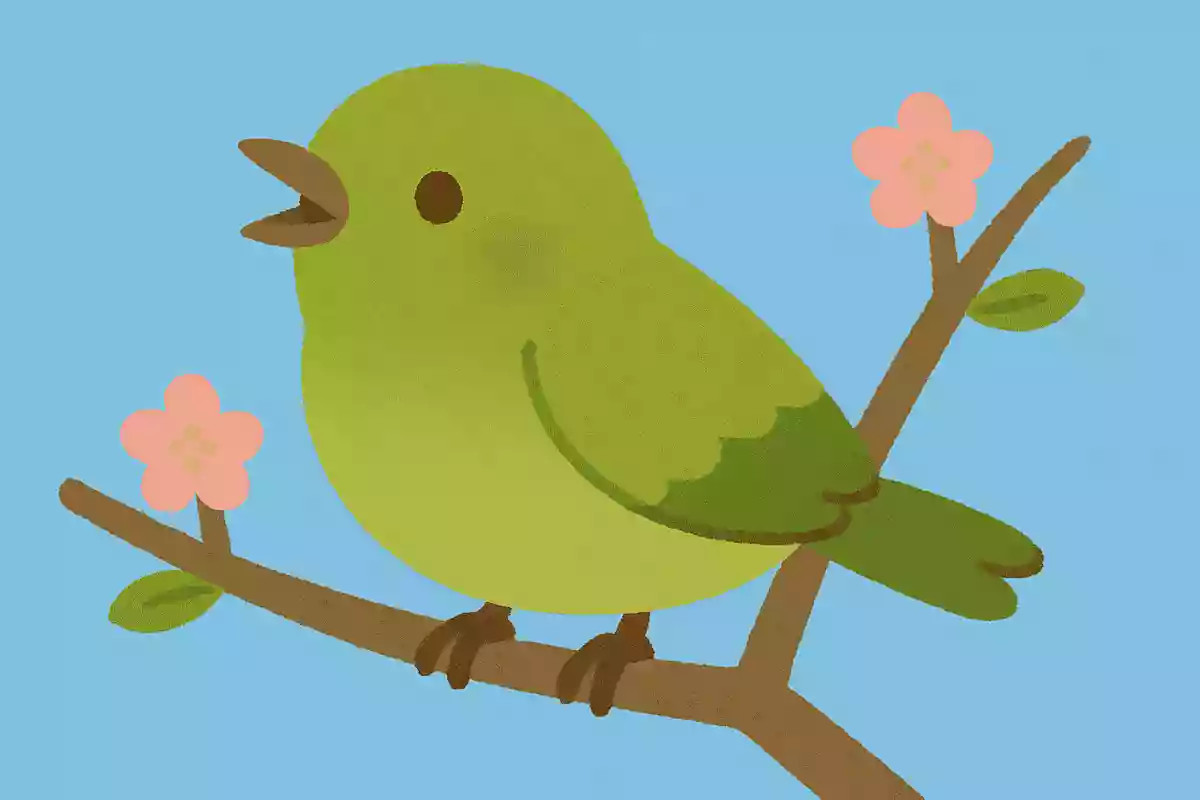
It’s a bird that comes to Japan from spring to summer, and its kanji has 21 strokes.
It’s well known for its “hoh-hokekyo” call and is also called the “harutsuge-dori” (spring-announcing bird) because it rings out in early spring.
Along with the Blue-and-white Flycatcher and the Japanese Robin, it is counted among Japan’s three great songbirds and is cherished as a symbol of spring.
corn (maize)

Tamusyokusho is read as “tōmorokoshi” (corn).
It’s said that the character 玉 (tama, “jewel”) was used because corn kernels are round, glossy, and sparkle.
The characters 蜀黍 were chosen because the plant came via China (Shu) and its shape resembles millet (kibi).
Corn, often seen at summer festival stalls, is also a summertime staple.
There are many varieties, so doing a taste comparison of different kinds of corn could be fun.
It’s a good brain teaser too, so give it a try!

[For Seniors] Fun and Lively! Difficult Kanji Quiz (21–30)
Shishamo (Willow leaf fish; a small smelt)

Shishamo is delicious just grilled on its own.
Not only is it tasty, but you can eat it whole from head to tail, and it’s packed with nutrients like calcium and protein, making it a very well-balanced fish.
Shishamo is written in kanji as “柳葉魚.” It was given this name because its shape resembles a willow leaf.
Shishamo is an endemic Japanese fish caught only along the Pacific coast of Hokkaido, and the Ainu word for willow leaf is “susu-ham,” which gradually became “shishamo.” It’s surprising to learn that the shishamo we casually eat carries such culture and history.
There are many legends passed down by the Ainu people, so if you’re interested, be sure to dig deeper.