

[For Seniors] Fun and Exciting! Difficult Kanji Quiz

Brain training is a type of recreation that’s easy for anyone to try, regardless of gender.
Because you can participate while seated, it’s accessible even for those who have difficulty moving their bodies.
Kanji brain-training quizzes in particular are said to help train the brain by recalling information from memory and sparking new ideas.
So this time, we’ll introduce a set of difficult kanji quizzes.
With quizzes, people can enjoy the sense of achievement and satisfaction when the answer they worked hard to come up with turns out to be correct.
Some older adults may overthink when it comes to difficult kanji.
Try adding creative touches like providing hint illustrations or photos that lead to the answer.
- [For Seniors] Challenging but Exciting! Kanji Quiz
- [For Seniors] How many can you read? A comprehensive showcase of difficult food kanji
- [For Seniors] Fun Brain Training! Prefecture Quiz
- [For Seniors] Nostalgic quizzes that bring back memories! Showa-era entertainment and sports questions
- [For Seniors] Laugh-Out-Loud, Crowd-Pleasing! Fun Quiz
- [For Seniors] Perfect for Dementia Prevention! Jumbled Kanji Quiz
- Hand games that liven things up for seniors—also great brain training
- [For Seniors] Have Fun with Wordplay Characters! A Collection of Funny Puzzles
- [For Seniors] Guaranteed to Liven Things Up! A Collection of Brain Training Activities That Will Spark Laughter
- [For Seniors] Fun! Let’s Get Excited with Japan’s Number One Quiz
- [For Seniors] Today’s recommended quiz. Daily brain-training quiz!
- [Fun Brain Training!] Introducing a quiz on the world’s least-stroke-count kanji
- [For Seniors] Kanji Decomposition Quiz: Assemble the scattered characters
[For Seniors] Fun and Lively! Difficult Kanji Quiz (31–40)
Kimchi
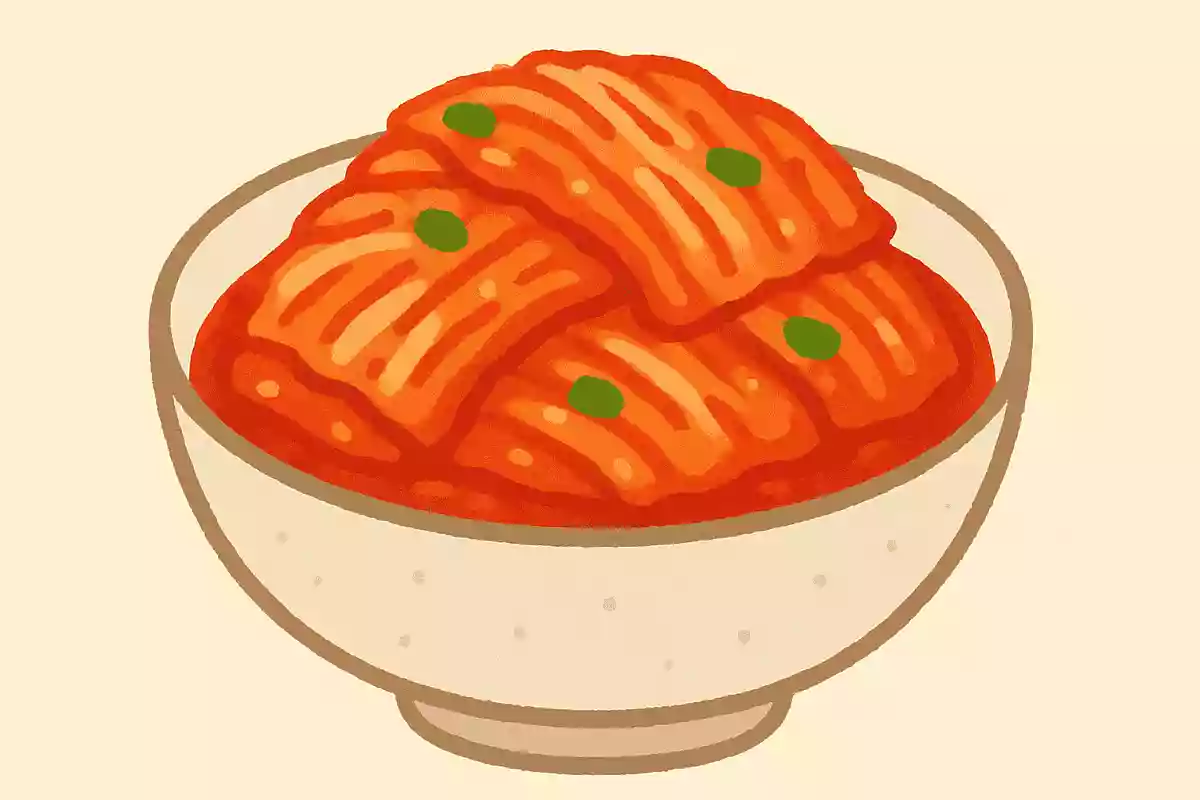
“沈菜” is read as kimchi.
The character 沈 (chin) means “to pickle,” and 菜 (sai) means “vegetable.” Together, it conveys the idea of a side dish whose flavors develop over time and pairs well with rice.
Kimchi, which can be used in many dishes, is very popular.
It’s said that kimchi originated as a preserved vegetable made in preparation for winters when fresh produce was scarce.
Because its flavor deepens as it sits after pickling, kimchi is perfect as a preserved food.
Kimchi is popular worldwide, and learning how it’s written and read in Chinese characters can also be good exercise for the brain.

bean sprout(s)

The kanji 糵 is read as 'moyashi,' meaning bean sprouts.
Bean sprouts are long and nutritious, so they’re very popular and used in many dishes.
It’s said that this kanji originated when people in the past observed sprouts emerging from grain seeds and created a character that looks like a drawing of that.
There are various types of bean sprouts, such as mung bean sprouts, soybean sprouts, and black bean sprouts.
Because bean sprouts spoil easily, it’s recommended to store them in the refrigerator after purchase and use them up quickly.
When presenting the kanji, writing it on a large sheet of paper to make it easy to see may help people understand it better.
grated yam (tororo)
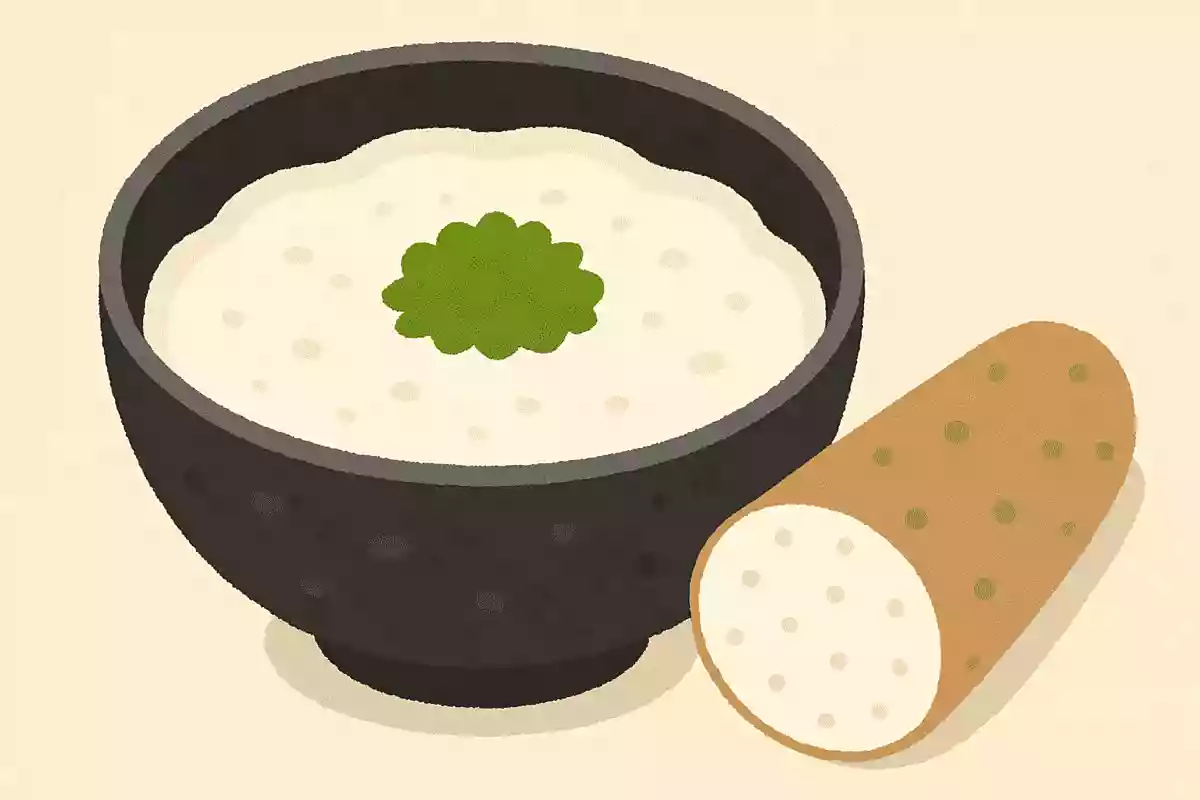
Grated yam “tororo” is beloved for its distinctive stickiness and melt-in-your-mouth texture, and it’s used in a wide range of dishes—served over rice or soba, or mixed into dressed salads.
Tororo is written in kanji as “薯蕷.”
As the name suggests, it comes from the onomatopoeic idea of being “toro-toro” (smooth and gooey).
As for the origin of the kanji, there’s a theory that in ancient China, nagaimo (Chinese yam) was called “薯蕷” (shòuyù), and that term was adopted as is.
It’s a rather unfamiliar and difficult kanji, but being able to read it smoothly is pretty cool! Keep it tucked away in a corner of your memory.
ganmodoki (deep-fried tofu fritter)
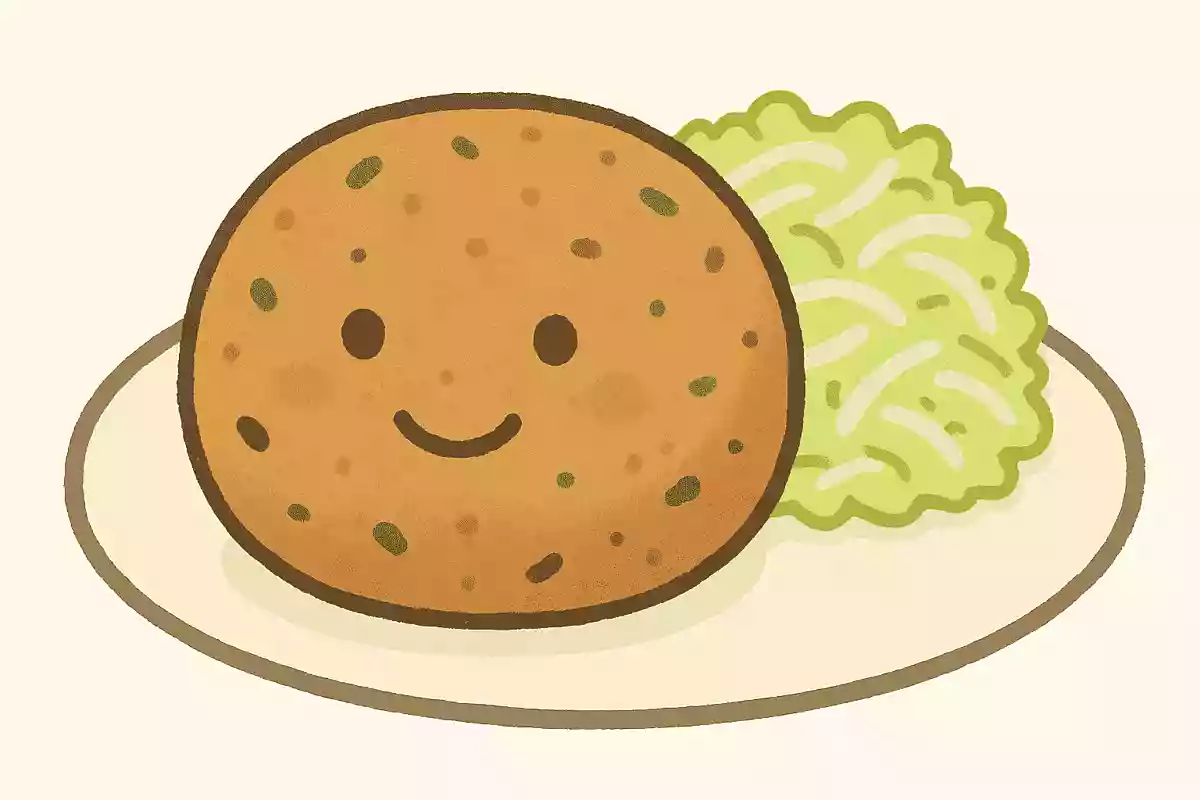
Ganmodoki is a traditional Japanese dish made by deep-frying tofu mixed with finely chopped vegetables, seaweed, and other ingredients.
It is known for its soft, fluffy texture and is also popular as an ingredient in simmered dishes and oden.
In kanji, it is written as “雁擬.”
Ganmodoki originated in the Edo period as a Buddhist vegetarian dish, when eating meat was prohibited.
Tofu was used to imitate wild goose meat, and the dish came to be called “gan-giri” (literally, a substitute for goose), hence the characters 雁擬.
In the past, konnyaku was often added to give it a chewier texture.
There are various other stories and traditions about its origin as well, so if you’re interested, be sure to look them up.
Wonton
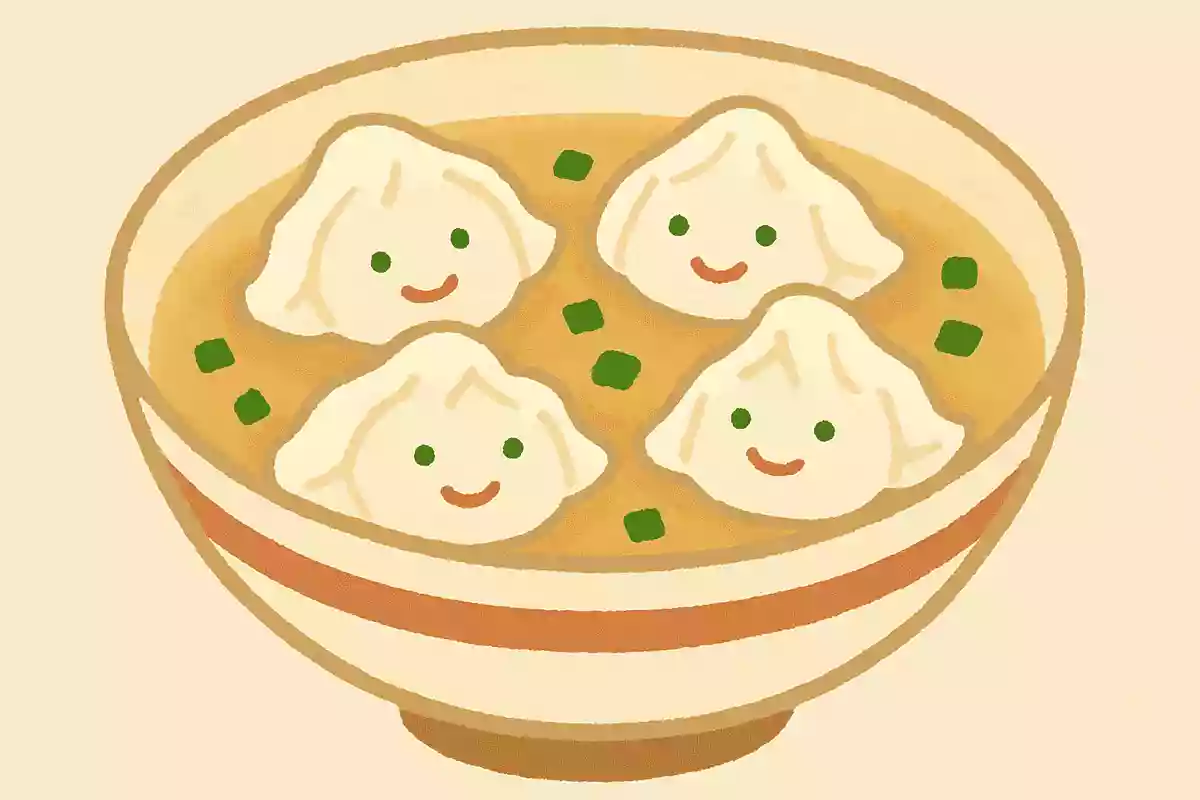
Wontons are a Chinese dish made by wrapping seasoned ground pork, chopped green onions, and other fillings in thin wrappers made from kneaded wheat flour.
In Japan, they’re also popular as ingredients in soups and ramen.
In kanji, they’re written as “雲吞.”
There are various theories about the origin of the characters, but one says that wontons floating in soup resemble clouds drifting in the sky, and that drinking the soup brings good fortune.
Indeed, the shape of wontons does look like fluffy clouds.
Knowing the origin of the characters and pronunciation makes them easier to remember, so keep it in mind and recall it the next time you eat wontons.
[For Seniors] Fun and Lively! Difficult Kanji Quiz (41–50)
udon (thick wheat noodles)

Udon, which can be enjoyed in various styles like kake-udon and bukkake-udon, is an easy, familiar food.
In kanji, udon is written as “饂飩.” The word “udon” is thought to have evolved from the Chinese term “饂飩” (pronounced roughly as “hundun”), which originally referred to a dish of wheat dough wrapped around fillings such as meat.
In ancient Japan, Buddhist teachings prohibited the eating of meat, so the fillings were reduced, and in the end only the noodles remained—giving rise to “udon.” Having undergone many changes through history and culture, udon has continued to be loved in a variety of styles for many years.
Keep this little tidbit in mind as a fun topic when you’re eating udon with family or friends.
bread (pan)

Menpu is read as “pan” (bread).
The character 麺 refers to foods made by kneading flour or similar ingredients, and 麭 also refers to foods whose main ingredient is wheat flour.
Together, the two characters express the meaning of foods made from wheat.
Bread is said to be the oldest processed food made by humans in the world.
It is believed that bread was introduced to Japan around the 16th century and became widespread after the Meiji era.
While giving hints such as “a food made from wheat that can be shaped in many ways to your liking,” please enjoy the quiz!