

[For Seniors] Fun and Exciting! Difficult Kanji Quiz

Brain training is a type of recreation that’s easy for anyone to try, regardless of gender.
Because you can participate while seated, it’s accessible even for those who have difficulty moving their bodies.
Kanji brain-training quizzes in particular are said to help train the brain by recalling information from memory and sparking new ideas.
So this time, we’ll introduce a set of difficult kanji quizzes.
With quizzes, people can enjoy the sense of achievement and satisfaction when the answer they worked hard to come up with turns out to be correct.
Some older adults may overthink when it comes to difficult kanji.
Try adding creative touches like providing hint illustrations or photos that lead to the answer.
- [For Seniors] Challenging but Exciting! Kanji Quiz
- [For Seniors] How many can you read? A comprehensive showcase of difficult food kanji
- [For Seniors] Fun Brain Training! Prefecture Quiz
- [For Seniors] Nostalgic quizzes that bring back memories! Showa-era entertainment and sports questions
- [For Seniors] Laugh-Out-Loud, Crowd-Pleasing! Fun Quiz
- [For Seniors] Perfect for Dementia Prevention! Jumbled Kanji Quiz
- Hand games that liven things up for seniors—also great brain training
- [For Seniors] Have Fun with Wordplay Characters! A Collection of Funny Puzzles
- [For Seniors] Guaranteed to Liven Things Up! A Collection of Brain Training Activities That Will Spark Laughter
- [For Seniors] Fun! Let’s Get Excited with Japan’s Number One Quiz
- [For Seniors] Today’s recommended quiz. Daily brain-training quiz!
- [Fun Brain Training!] Introducing a quiz on the world’s least-stroke-count kanji
- [For Seniors] Kanji Decomposition Quiz: Assemble the scattered characters
[For Seniors] Fun and Lively! Difficult Kanji Quiz (41–50)
Cheese

Let us introduce cheese, a fermented food made from dairy products that has been loved for many years! It is characterized by rich umami and depth of flavor, and depending on the type, you can enjoy sweetness or saltiness.
It pairs well with wine.
Many of you may already have guessed the answer.
The answer is “cheese”! Because cheese is a dairy product, it is rich in protein and calcium.
As a food that helps strengthen bones, it often appears on meal menus for older adults.
If you’re not a fan, try shaving it onto salads or mixing it into dishes as a seasoning to make it more palatable!

cherry (specifically, sweet cherry)

It’s a fruit associated with cherry blossoms, which you can also infer from the kanji—some people might recognize it from that alone.
It’s said to have been eaten since prehistoric times, and today it’s cultivated in Japan, especially in the Tohoku region.
The answer is “sakuranbo,” or cherries; if you read the kanji literally as “sakura-momo” (cherry-peach), many people might catch on.
Given its connection to cherry blossoms, it feels like something that’s been beloved in Japan for a long time, but it’s worth noting that it actually has a relatively short history here, having been introduced in the Meiji era.

suïton (a Japanese flour-dumpling soup); alternatively, mizu dango (water dumplings)

The kanji 水団 can probably be read in several ways, and many people may have trouble arriving at what seems to be the right answer.
“水” is read as “sui,” and “団” is read as “ton,” as in “futon,” so the answer is “suiton.” It’s a dish where dough made from wheat flour kneaded with water is added to soup and simmered.
近年はひらがなで書かれることが多いが、語源には諸説あり、水でこねた団子を指す説、汁物に入れる団子を指す説、または饂飩(うどん)の「飩」という字が「団」に置き換えられたとする説がある。

hazy and unadorned

This is read as “soboro.” When you hear soboro, you probably imagine minced meat or eggs seasoned and stir-fried until the moisture evaporates.
“Chicken soboro” is famous, and many of you have likely eaten it at least once.
The word soboro is said to originate from “so-oboro.” In kanji, it’s written as 粗朧.
It seems that oboro refers to a state where the ingredients are not crumbled as finely as soboro.
A well-known example of oboro is “denbu.”

sukiyaki
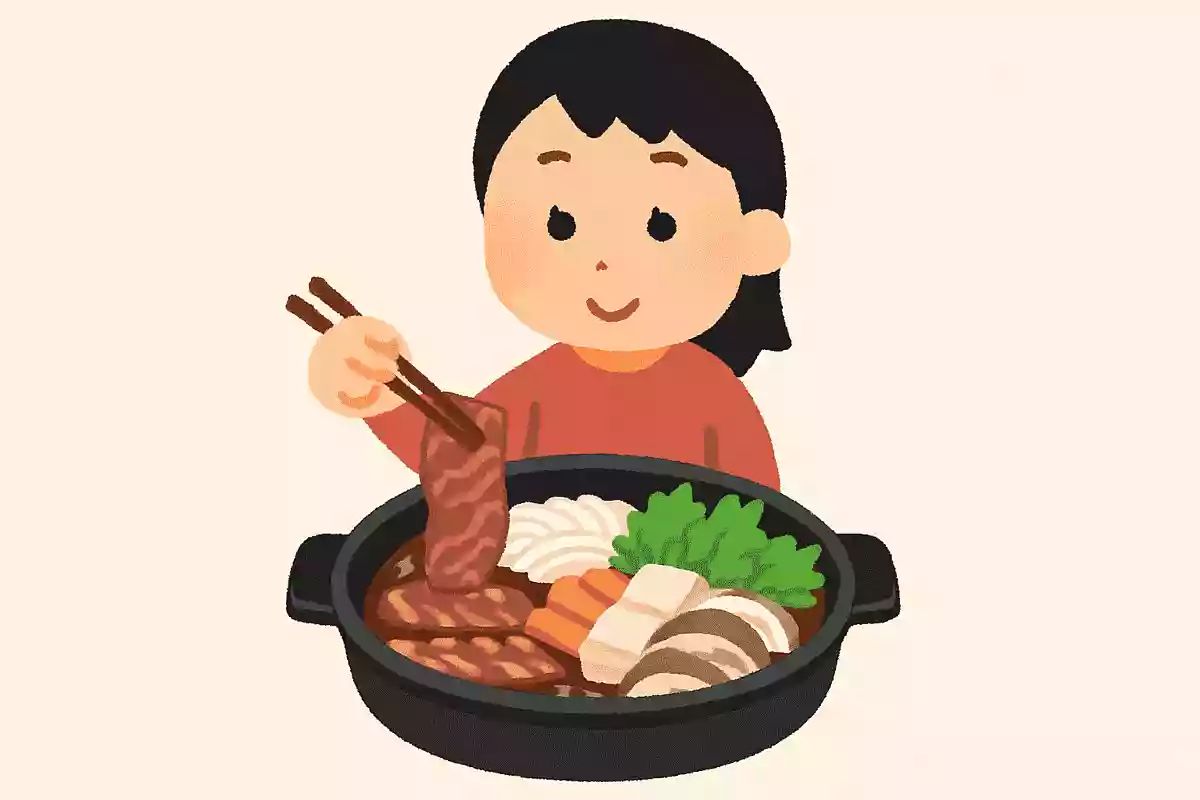
People who have worked in agriculture might be able to read this kanji without any trouble.
“鋤” is read as “suki,” and the answer is “sukiyaki.” Nowadays, sukiyaki generally refers to cooking meat in a pot and simmering vegetables in a warishita sauce, but its origins trace back to the Edo period, when people are said to have grilled beef on a farming tool called a suki (plow).
Since it’s not a katakana loanword written with ateji, perhaps more people than expected got this one right.
pineapple
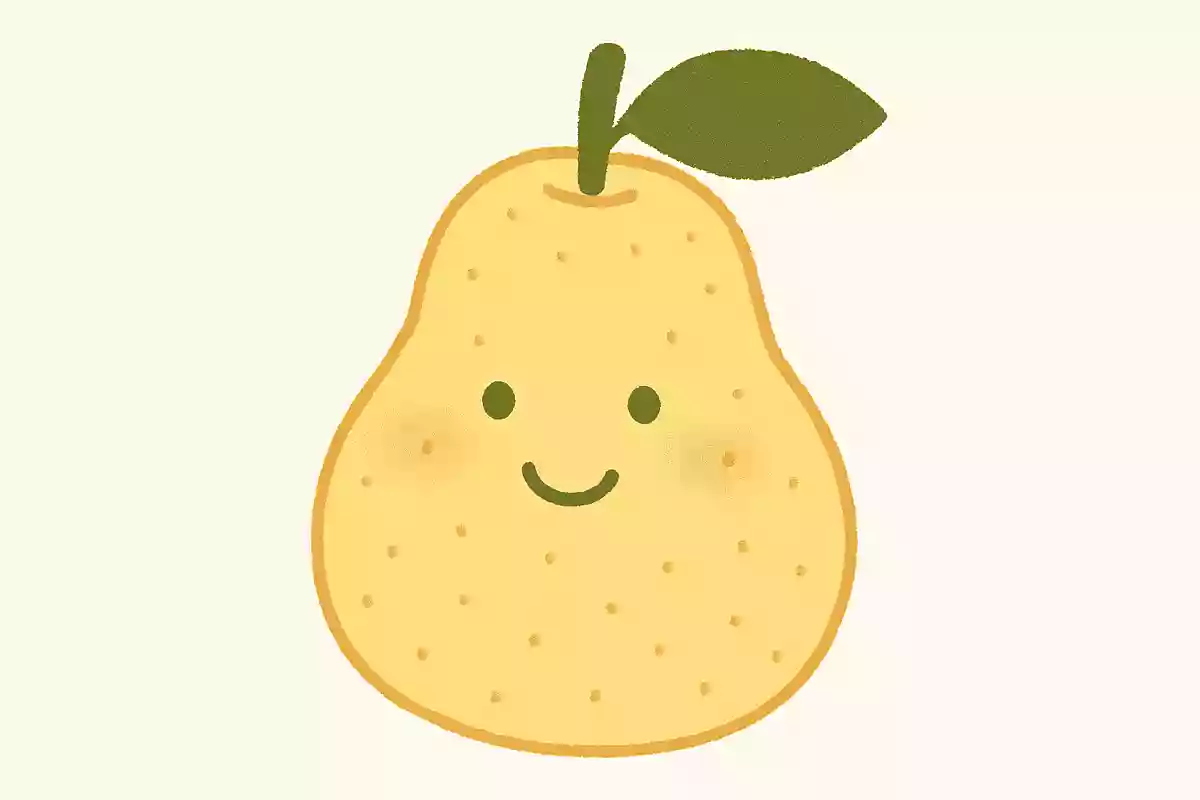
Since the literal reading of the kanji is quite far from the answer, it’s best to start with the hint that it originates in tropical America.
While it is mainly produced in South America, it’s also grown in China and Taiwan, and the fact that it’s used in local cuisine might be another clue.
答えはパイナップルで、台湾では主に「鳳梨」と呼ばれています。そのため、現地の風景に詳しい人なら漢字だけでも正解にたどり着けるかもしれません。
Hints like it being a fruit strongly associated with South America and the tropics, and that it’s sometimes used in Chinese cuisine, may be easier to grasp.
hijiki (a type of edible brown seaweed)

This is pronounced “hijiki.” With its distinctive black appearance, hijiki might make you wonder, “Is it really tasty?” But in fact, it’s a popular ingredient enjoyed by both children and adults, and it’s considered good for you because it’s rich in calcium and dietary fiber.
Hijiki is a type of seaweed, and it’s originally a yellowish-ochre color.
It turns blackish when dried.
As for why it’s written with the characters meaning “deer tail greens” (鹿尾菜), it’s said to be because the short, black pieces resemble a deer’s tail.