

[For Seniors] Fun and Exciting! Difficult Kanji Quiz

Brain training is a type of recreation that’s easy for anyone to try, regardless of gender.
Because you can participate while seated, it’s accessible even for those who have difficulty moving their bodies.
Kanji brain-training quizzes in particular are said to help train the brain by recalling information from memory and sparking new ideas.
So this time, we’ll introduce a set of difficult kanji quizzes.
With quizzes, people can enjoy the sense of achievement and satisfaction when the answer they worked hard to come up with turns out to be correct.
Some older adults may overthink when it comes to difficult kanji.
Try adding creative touches like providing hint illustrations or photos that lead to the answer.
- [For Seniors] Challenging but Exciting! Kanji Quiz
- [For Seniors] How many can you read? A comprehensive showcase of difficult food kanji
- [For Seniors] Fun Brain Training! Prefecture Quiz
- [For Seniors] Nostalgic quizzes that bring back memories! Showa-era entertainment and sports questions
- [For Seniors] Laugh-Out-Loud, Crowd-Pleasing! Fun Quiz
- [For Seniors] Perfect for Dementia Prevention! Jumbled Kanji Quiz
- Hand games that liven things up for seniors—also great brain training
- [For Seniors] Have Fun with Wordplay Characters! A Collection of Funny Puzzles
- [For Seniors] Guaranteed to Liven Things Up! A Collection of Brain Training Activities That Will Spark Laughter
- [For Seniors] Fun! Let’s Get Excited with Japan’s Number One Quiz
- [For Seniors] Today’s recommended quiz. Daily brain-training quiz!
- [Fun Brain Training!] Introducing a quiz on the world’s least-stroke-count kanji
- [For Seniors] Kanji Decomposition Quiz: Assemble the scattered characters
[For Seniors] Fun and Lively! Difficult Kanji Quiz (21–30)
Egg Sugar (Castella)

Tamago-to is read as “castella.” Tamago means chicken eggs, which are used as an ingredient in castella.
To means sugar, which is used to give castella its sweetness.
Castella used to have a high-end image, didn’t it? Nagasaki is famous for castella, and it’s said that the first castella in Japan was also made there.
Castella is greatly appreciated as a gift for others.
When giving a quiz to everyone, it might be easier to understand if you provide hints such as the ingredients.

Fish or meat balls (tsumire)
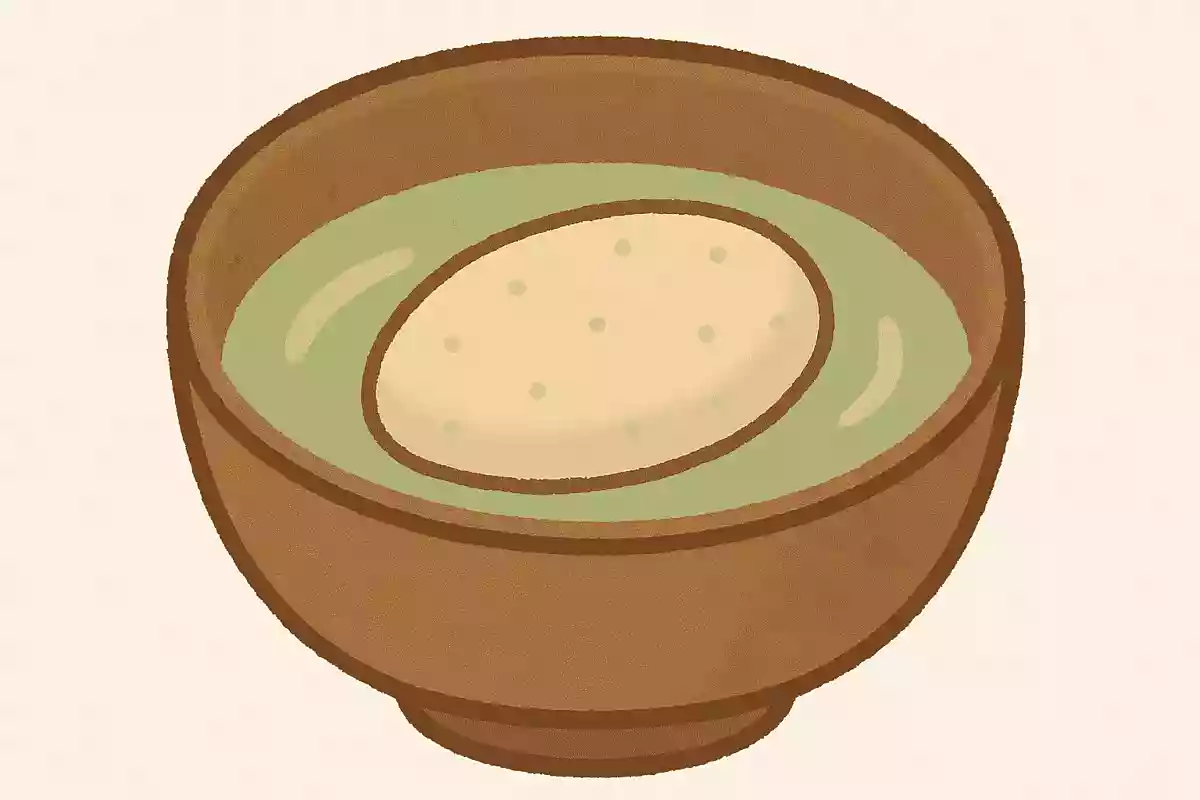
Tsukune-style minced fish or meat balls that you mix and drop into a hotpot are so tasty, right? Did you know the kanji for “tsumire”? It’s said to be written as 摘入 because you pinch off a bit at a time and drop it into the broth.
Although hiragana is more commonly used, writing it in kanji makes you go, “Ah, that makes sense.” As an aside, “tsukune” is said to come from the verb “to knead” (koreru/koneru).
It’s very Japanese-cuisine-like that both names come from the cooking method rather than the ingredients.

[For Seniors] Fun and Lively! Difficult Kanji Quiz (31–40)
pufferfish
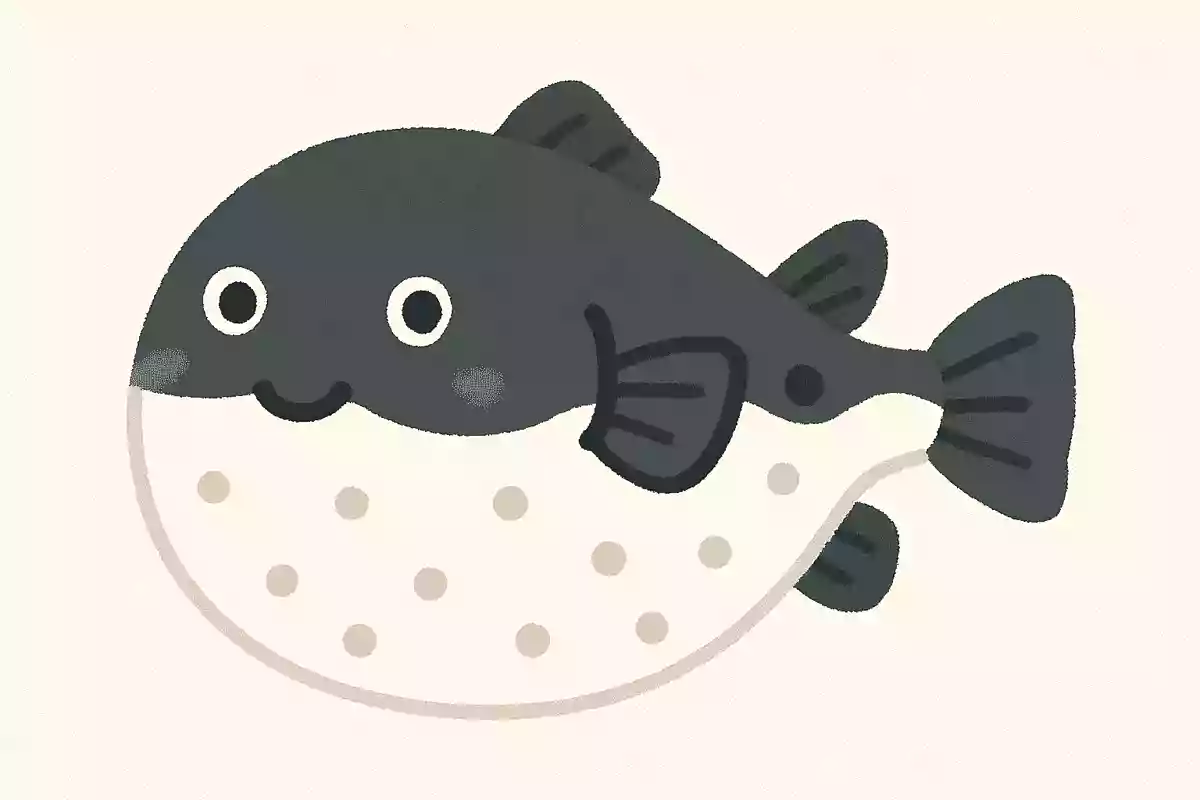
Many people who enjoy difficult kanji quizzes or who like fish might be able to read this.
But for others, it’s a kanji that likely gives no clue what it refers to.
It’s written as “river” and “pig”…
the answer is fugu (pufferfish).
While some types of fugu live in freshwater, most people think of the sea when they hear “fugu,” so if you go by the literal meaning of the kanji, many probably couldn’t arrive at the answer.
Incidentally, in China this kanji is said to refer to pufferfish that swim up rivers, and because their puffed-up appearance resembles a pig, the characters 河豚 (“river pig”) came to be used.

There’s an unusual surname that’s written with the characters for April 1st but read as “Watanuki.”
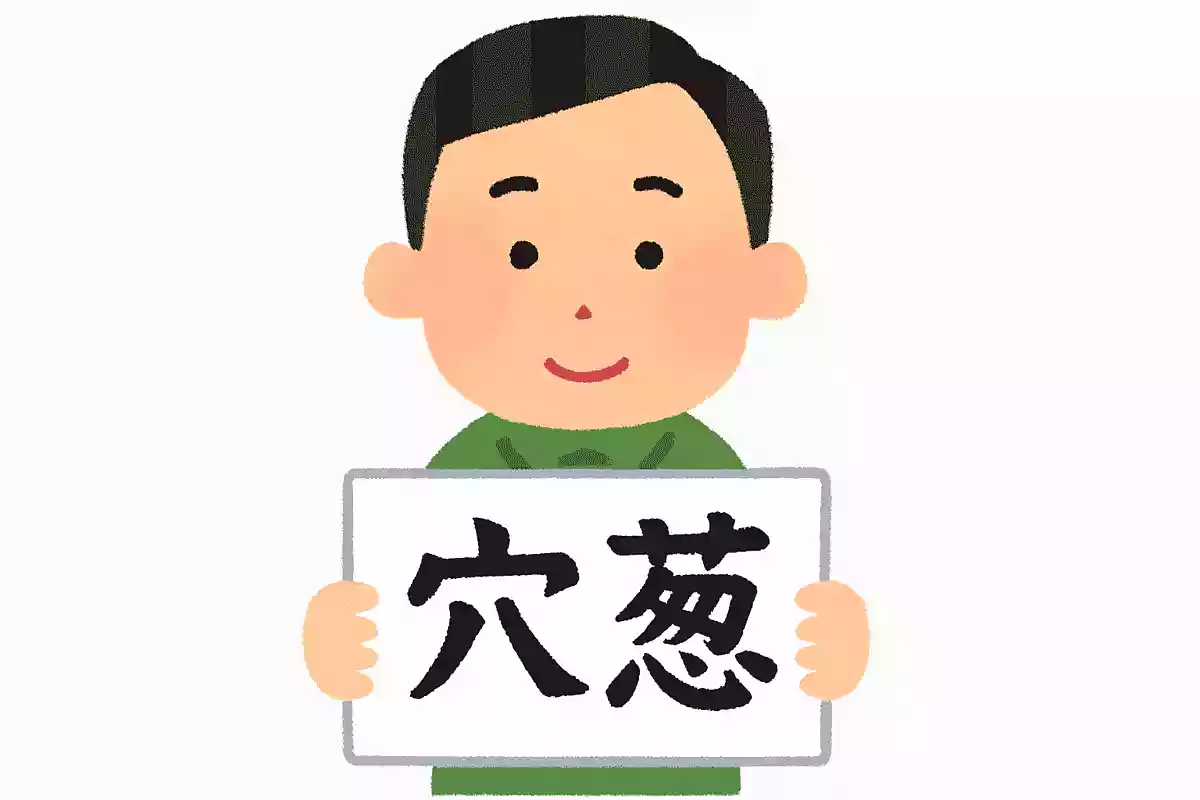
When April comes, we often get a spell of pleasantly warm weather, don’t we? So here are some fun facts related to the springtime mood.
There are people whose surname is written with the characters for “April 1” (四月一日) and read as Watanuki.
It’s an unusual surname, but it has an origin that’s very fitting for April.
As it gets warmer in April, people used to switch from winter kimono padded with cotton to ones with the cotton removed.
Because the cotton (wata) was taken out (nuku) on April 1, the name became Watanuki.
Japan has many other rare surnames as well.
It might be fun to look for them together with older people.

Obscure Kanji Quiz: Food

Let’s think based on the hints! Here are some ideas for a quiz on difficult food-related kanji.
With a focused theme, it’s easier to answer the questions.
This time, the theme is food: a quiz on hard-to-read kanji.
Even if you don’t get it right away, it’ll feel satisfying to reach the answer by relying on the hints.
For example, a word like “御田” is shown and you’re asked, “How do you read this kanji?” There are 20 questions in total.
The time limit is 10 seconds, but there are hints, so feel free to take on the challenge.
Kiritanpo
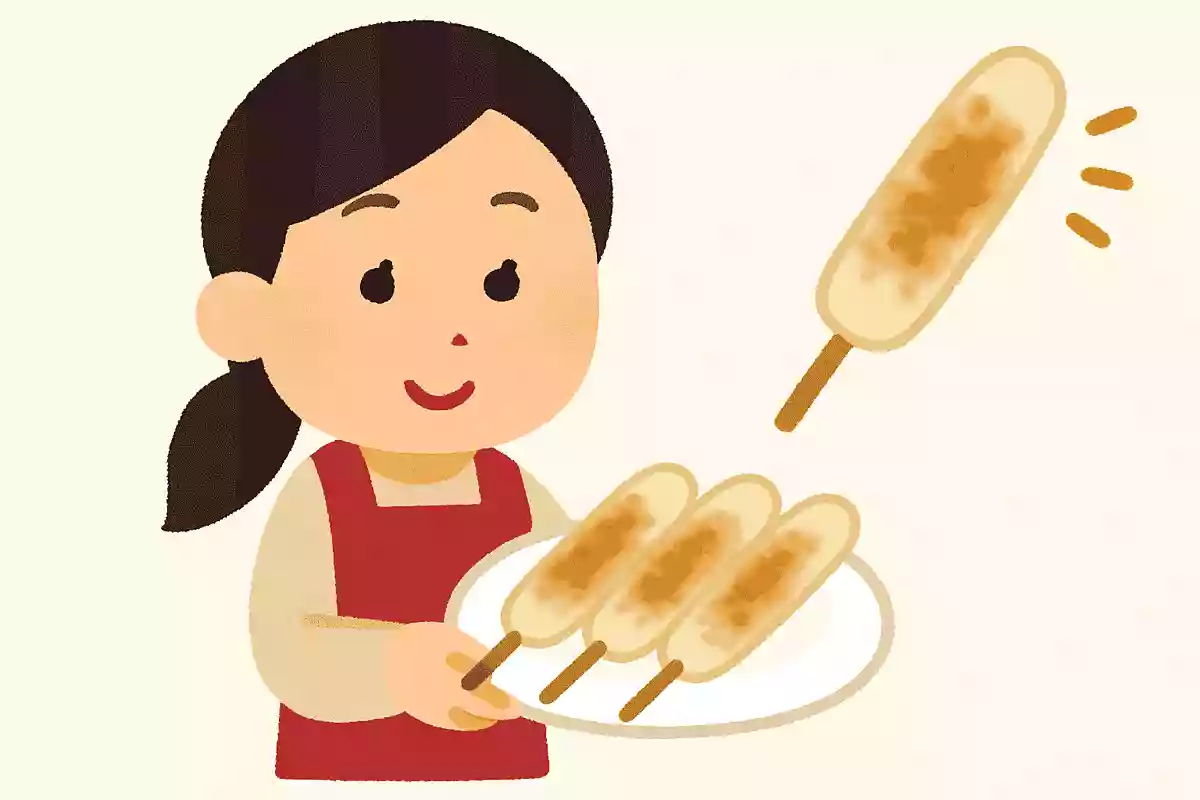
Kiritanpo, known for the rice’s natural sweetness, the fragrant aroma of charcoal grilling, and its pleasantly chewy texture, is one of Akita Prefecture’s signature local dishes.
In kanji, it’s written as 切蒲英.
There are said to be several theories about its origin.
One holds that the grilled rice, skewered and shaped, resembles the cattail flower spike; since short spikes are called “tanpo” (from the word for short spike, tanpo), it came to be known as tanpo.
Another theory is that because it is cut and added to hotpots and other dishes, it became known as kiritanpo (“cut tanpo”).
A further theory suggests the shape resembles a practice spear called a tanpo-yari.
Packed with the culture and history of people from long ago, kiritanpo is best enjoyed while recalling these stories as you eat.
okowa (steamed glutinous rice dish)
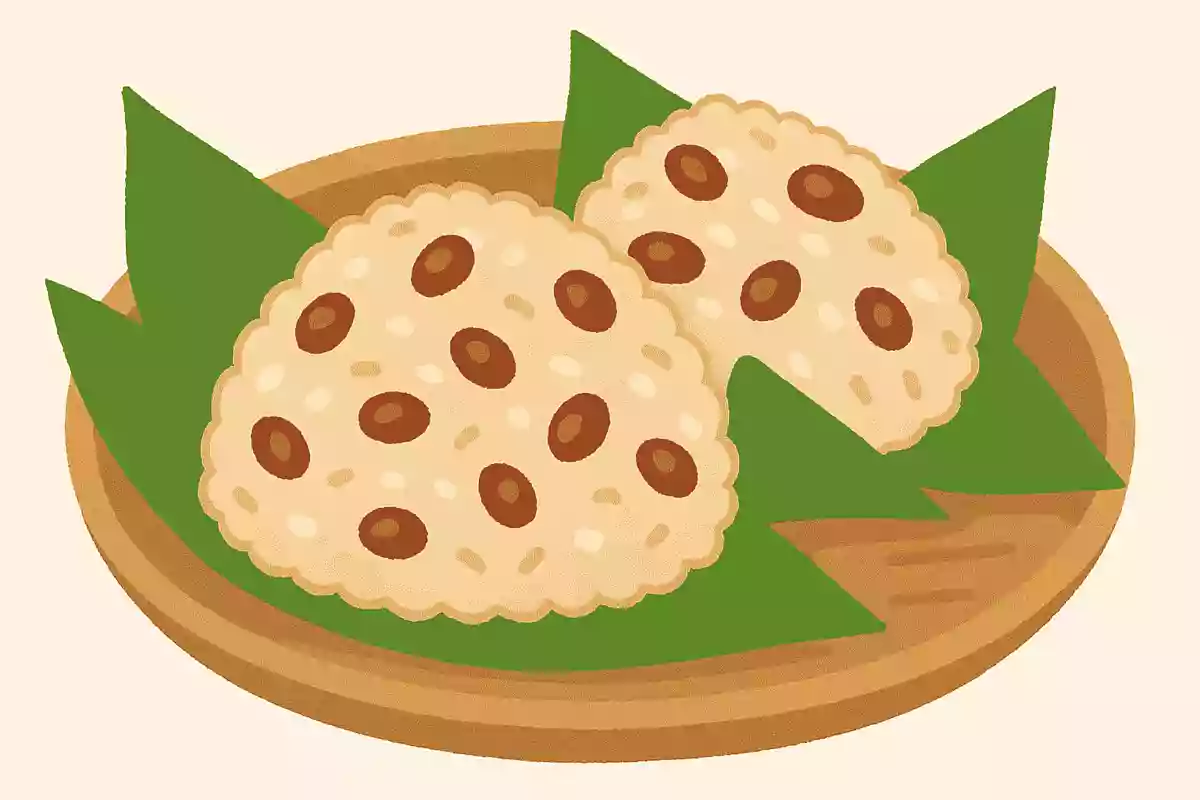
Okowa is a glutinous rice dish loved for its pleasantly chewy texture.
Made by steaming glutinous rice, it often includes ingredients like red beans (sekihan) or chestnuts, and many people have eaten it at celebrations and festive occasions.
In kanji, it is written as 御強, and it is said to derive from the Edo-period term kowai (強飯), meaning “firm rice.” Court ladies added the honorific o and dropped the ending, calling it okowa, which then became the common term.
対照的に、柔らかいお粥は「弱飯(ひめい)」、すなわち “weak rice(弱いご飯)” と呼ばれていました。かつて米は高価だったため、おこわは主に特別な日の食べ物として位置づけられており、その伝統は今日の文化にも影響を与え続けています。