

[For Seniors] Recommended Even for People with Dementia! Simple Recreational Activities
Recreation activities conducted at nursing and care facilities aim to improve brain and physical functions.
They are said to help activate the brain and can be expected to prevent dementia or slow its progression.
However, it is also important to maintain emotional well-being through feelings like “this is fun, I feel happy” and communication with others.
If people push themselves too hard for functional improvement and the things they “can’t do” become a source of stress, they won’t be able to enjoy the activities.
So this time, we’re introducing “simple recreation” ideas!
These are easy, accessible activities designed for older adults to enjoy.
Please feel free to make use of them.
- [For Seniors] Easy and fun seated activities you can do in your room
- Simple games for preventing and improving dementia
- [For Seniors] Fun Recreational Activities Without Equipment
- Recommended recreational activities for older adults with dementia
- [Brain Training for Seniors] Recommended Hand-Play Recreation for Dementia Prevention
- [For Seniors] Fun and Engaging Brain-Training Recreation
- [Elderly Day Service] Let’s all have fun! Games and recreational activities
- [For Seniors] A Collection of Fun Classic Caregiving Activities
- [For Seniors] Today’s Recommended Activity: Fun and Engaging
- Hand games that liven things up for seniors—also great brain training
- [For Seniors] Easy to try. Fun, crowd-pleasing recreation
- [For Seniors] Simple Recreational Activities You Can Enjoy While Seated
- For Seniors: Effective Recreation for Preventing Care Needs—Have Fun While Staying Healthy
[For Seniors] Recommended Even for People with Dementia! Simple Recreations (91–100)
Find the same items

We’d like to introduce a matching game that’s recommended even for people who find arithmetic or reading and writing difficult, as well as for seniors who aren’t comfortable with them.
Look for items in a picture that match the prompt.
Searching for images that are the same as the prompt requires observation and memory skills, which helps stimulate the brain.
You can focus and play on your own, or enjoy it while chatting in a larger group.
With a big group, forming teams of several seniors and doing a team competition could be exciting.
It may also encourage interaction with others.

Brain-training game you play while singing

Singing while doing brain-training games sounds like so much fun.
Singing together warms the heart.
Songs that mention tangerines or apples feel familiar and are easy to hum along to.
Listing fruit names while recalling the lyrics helps activate the brain.
If the songs are nostalgic, older adults can join in comfortably.
Singing involves opening the mouth wide, which can also help prevent aspiration.
Plus, adding hand games or simple exercises in time with the music would make it even more enjoyable.
I think it’s a wonderful recreation where everyone can sing together and share smiles.
Baseball card game

This is a card game where, just like real baseball, players alternate between offense and defense to try to score points.
For defense, you prepare ball cards that show different pitch types, and for offense, you prepare bat cards that show pitch types.
At a signal, both players reveal their cards while trying to predict the opponent’s choice.
If the pitch type on the cards matches, the offensive player scores points, so the key is the mind game of anticipating your opponent’s card.
It’s a game that gives your brain a workout through prediction while also naturally sparking conversations about baseball.

A bingo game that uses both the head and the body to have fun
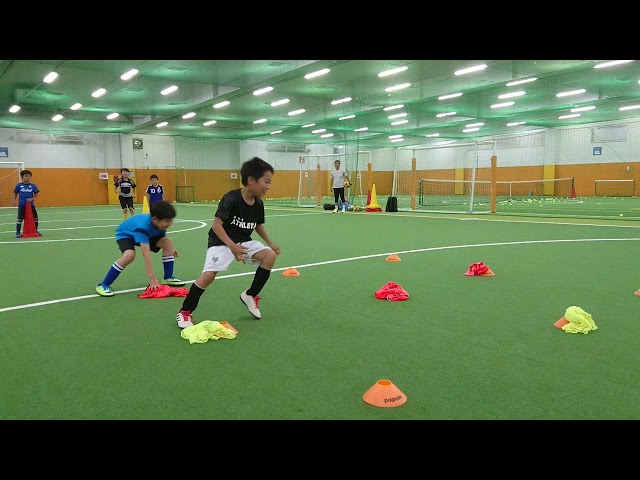
This is a game where you toss beanbags into targets arranged in a grid, aiming to line up a row.
By adjusting the number and size of the squares and the distance to the targets, you can tailor the rules to the participants and make it exciting.
The key is how you throw the beanbags so they reach the targets; it helps build concentration for gauging distances to far objects and for adjusting throwing strength.
Assess your own abilities carefully and decide which targets you’re more likely to reach.
In conclusion
These were recreational activities that can be enjoyed casually: lively, game-like options you can do with a few people, as well as ones you can do alone at your own pace. Please tailor them to the preferences of older adults. Try using these activities to help them spend each day energetically.