

[For Seniors] Fun and Informative! Trivia and Quizzes Introduced


Have you ever found it hard to keep a conversation going with an older adult, or wondered what to talk about?
At times like that, why not incorporate some fun trivia into your communication?
It can liven up the conversation, help you learn things you didn’t know before, and make for an enjoyable time together.
There’s trivia that feels familiar to older adults, as well as tidbits with surprising answers.
Trivia quizzes are also great as ideas for recreational activities.
They can be done while seated and are suitable for all genders, so many people can enjoy them.
Quizzes stimulate the brain and can help prevent dementia or slow its progression.
Try incorporating trivia quizzes while having fun!
- [For Seniors] Fun and Informative! Health Trivia Quiz
- [For Seniors] Trivia Multiple-Choice Quiz
- [For Seniors] Laugh-Out-Loud, Crowd-Pleasing! Fun Quiz
- [For Seniors] Fun and Informative Trivia Quiz Collection
- [For Seniors] Lively two-choice trivia quiz. Handy to know and tidbits you'll want to share with others
- [For Seniors] Guaranteed to Liven Things Up! A Collection of Brain Training Activities That Will Spark Laughter
- [For Seniors] Fun and Lively! Recommended Quiz Questions
- [Brain Training] Lively Word Quiz for Seniors
- [For Seniors] Boost Your Knowledge! Fun Trivia Quiz
- [For Seniors] Introducing Trivia Quizzes and Fun Facts About December
- [For Seniors] Sports Trivia Quiz & Fun Facts. Easy and Entertaining
- [For Seniors] Surprising Facts! Multiple-Choice Trivia Quiz (4 Options)
- [For Seniors] Liven Things Up! 3-Choice Ranking Quiz
For Seniors: Fun and Useful! Trivia and Quizzes (71–80)
It is considered best to perform Setsubun bean throwing at night.
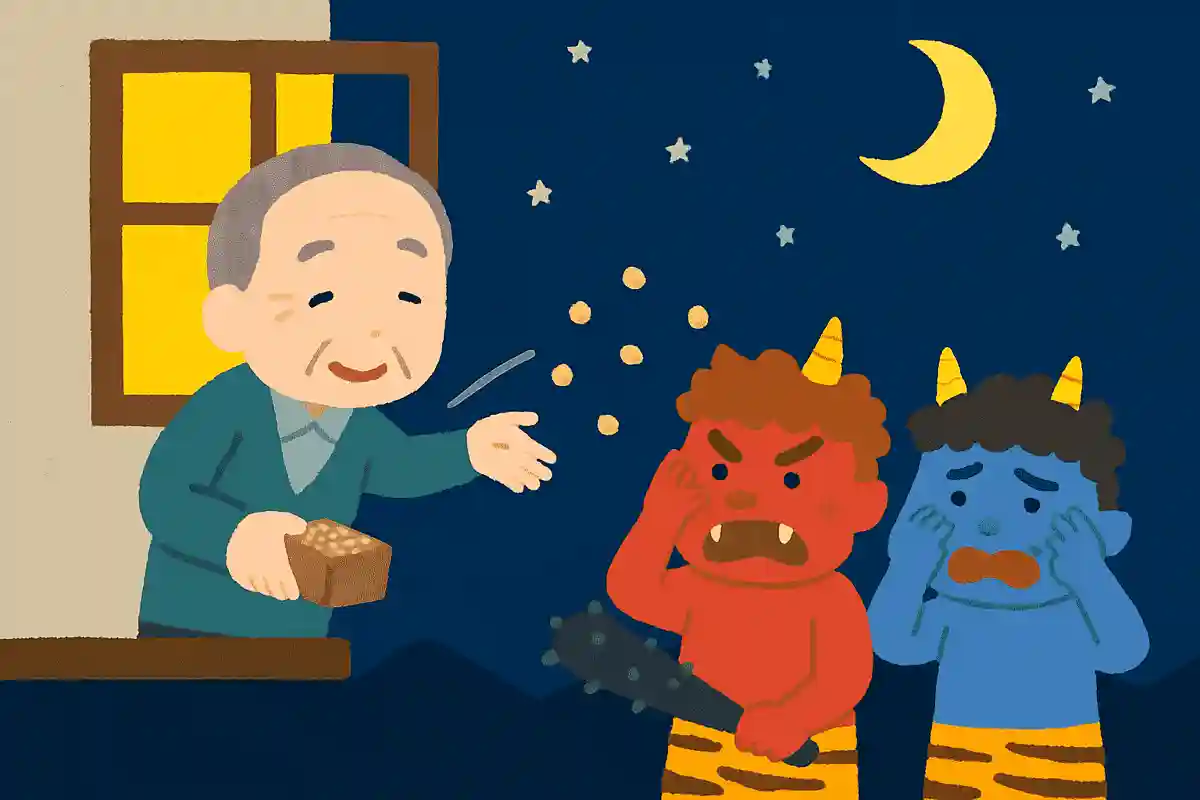
Setsubun is a traditional Japanese event.
In households with children, there are many opportunities to do mamemaki (bean throwing).
Although it’s something we often do without much thought, do you know what time of day it’s considered best to perform mamemaki? The answer is “at night.” Since ancient times, it has been believed that oni (demons) come at midnight.
It was also recommended to do it at night when the whole family is gathered, to drive away worldly desires from the heart and welcome the new season in purity.
Today, however, holding it at midnight can cause noise issues and make cleaning difficult, so it is generally done in the early evening to nighttime.

Japan’s first moving walkway debuted in 1967 (Showa 42). Do you know where it made its first appearance?
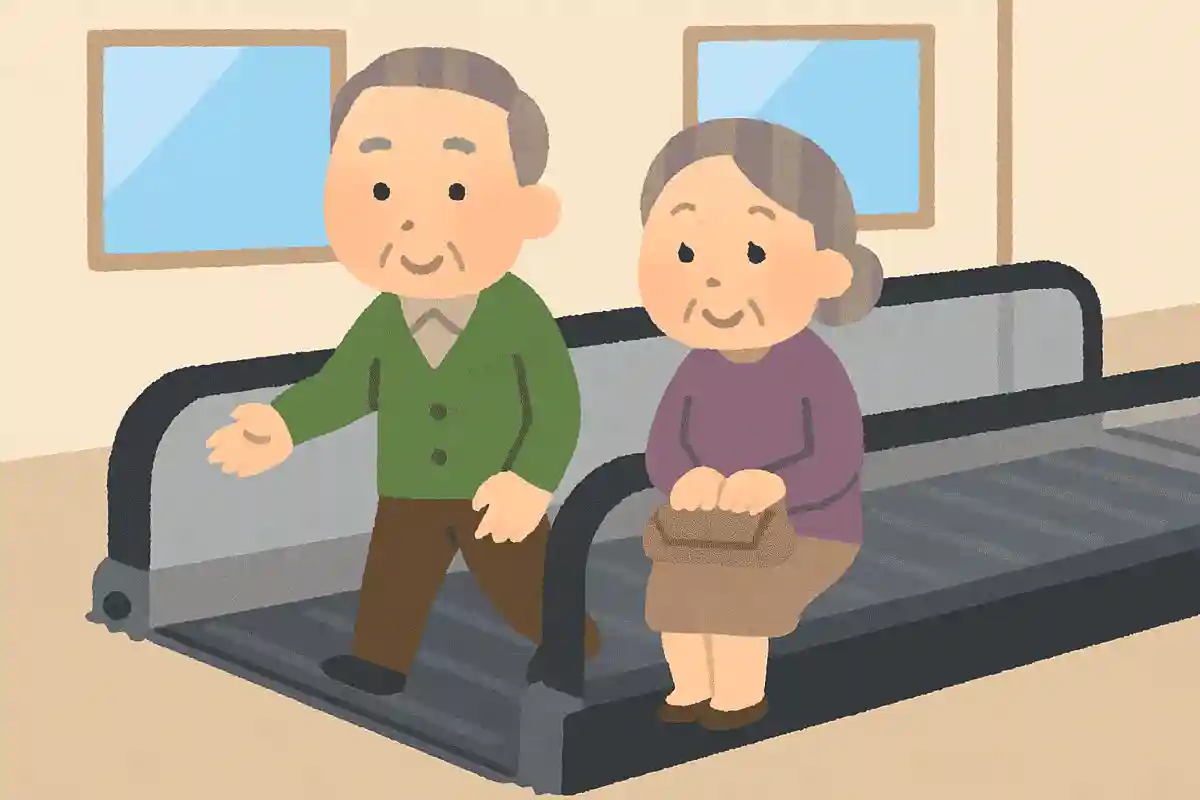
Moving walkways found in airports and large train stations look like escalators, but instead of taking you up or down a floor, they carry you straight ahead.
They’re faster than walking and let you glide smoothly to your destination, making them very convenient.
So, where did moving walkways first appear in Japan? Here’s a hint: it’s in Kansai, in a place known for people who are often in a hurry.
The answer is Osaka! The first one was installed at Hankyu Umeda Station.
At the time, the station was undergoing expansion, and the walkway was built to improve access from platform to platform.
By the way, you often see people walking on moving walkways, but it’s dangerous, so once you step on, stand still and ride it to your destination.

In 1970 (Showa 45), the local call charge for public telephones became 10 yen for 3 minutes. What had the pricing structure been like before that?
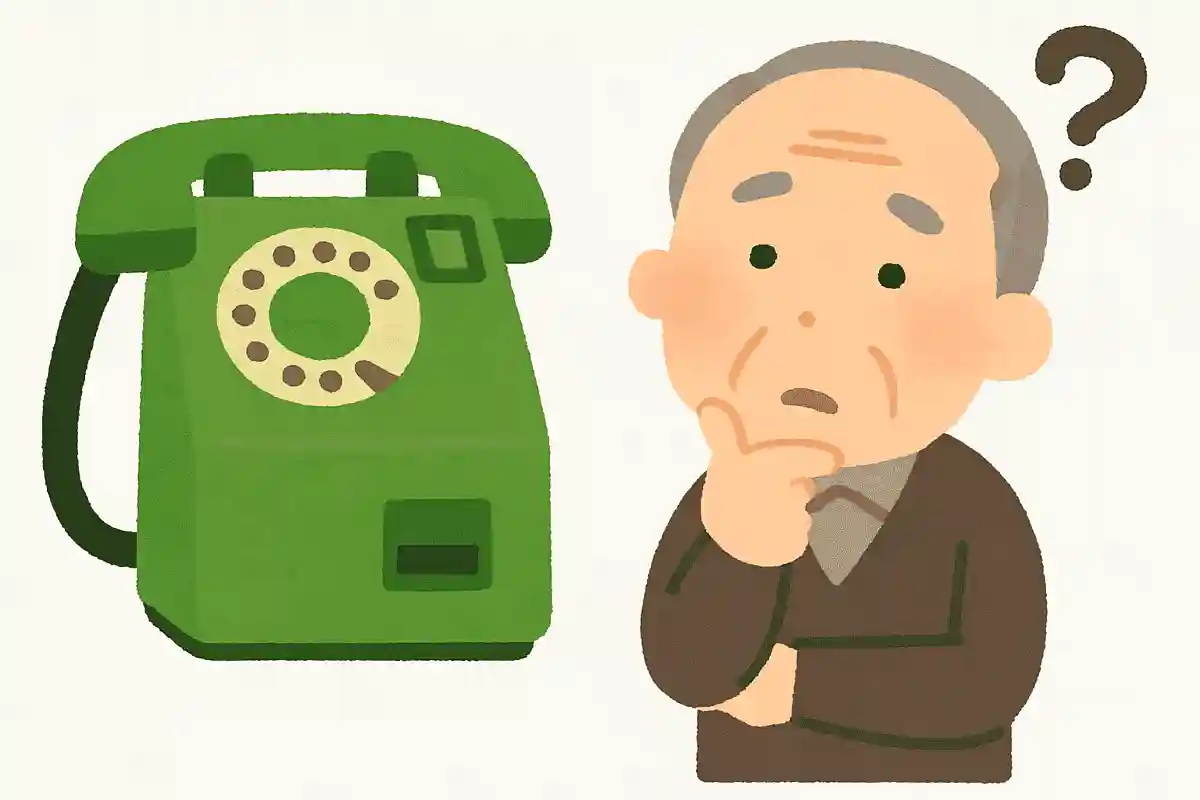
Public telephones used to be essential for making calls while out and about, but as time has gone on, we see them less and less.
Because opportunities to use them have decreased, many of us may no longer have a clear sense of the cost, but the rate is set at 10 yen for three minutes.
That “10 yen for three minutes” rate was introduced in 1970; before that, the pricing was different.
So what was the rate before 1970? The answer is “10 yen per call.” As long as you paid 10 yen, there was no time limit—your call would stay connected without worrying about the duration.
It’s worth noting the anecdote that many people would monopolize the phone for long periods because of this.

What day is February 11?
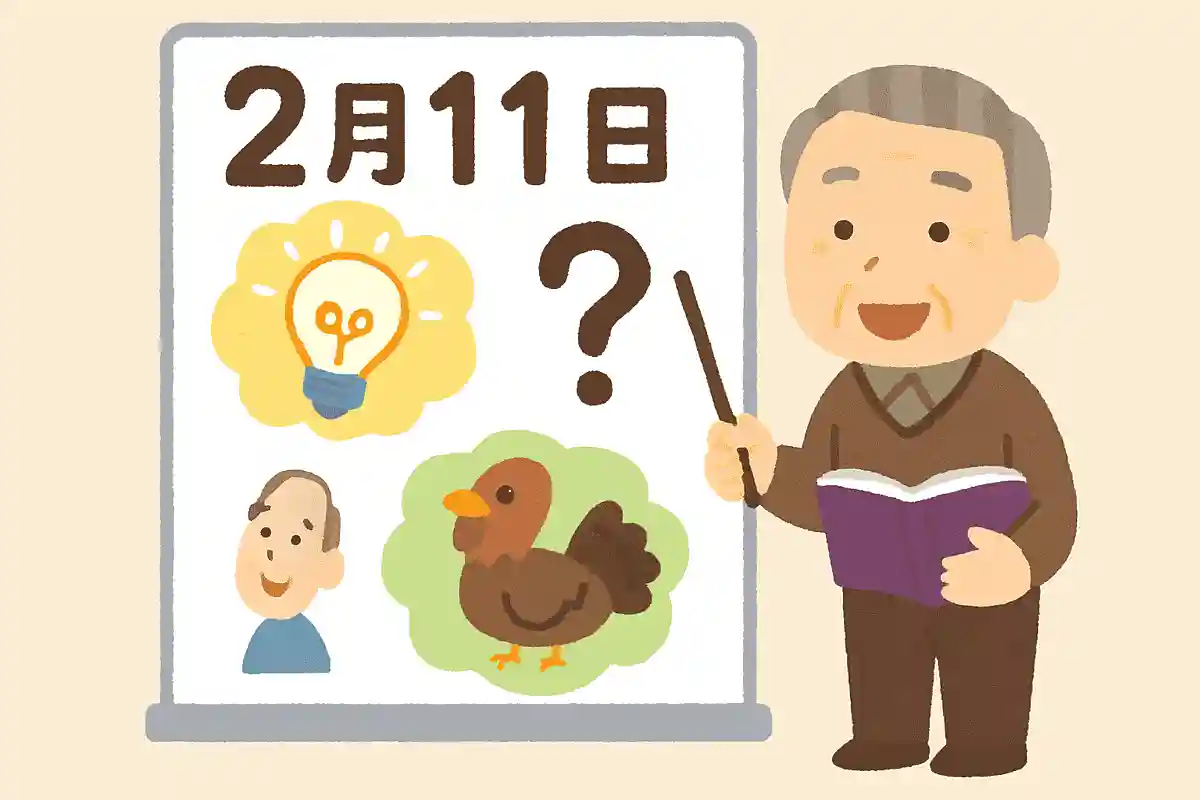
- Labor Thanksgiving Day
- National Foundation Day
See the answer
National Foundation Day
Labor Thanksgiving Day is on November 23. Japan’s exact founding date is unclear, but February 11 is the day when Emperor Jimmu, the first emperor, is said to have acceded to the throne; it was established in 1967 (Showa 42) and designated as a national holiday.

What is the fire called that is burned when sending ancestors back on August 16?
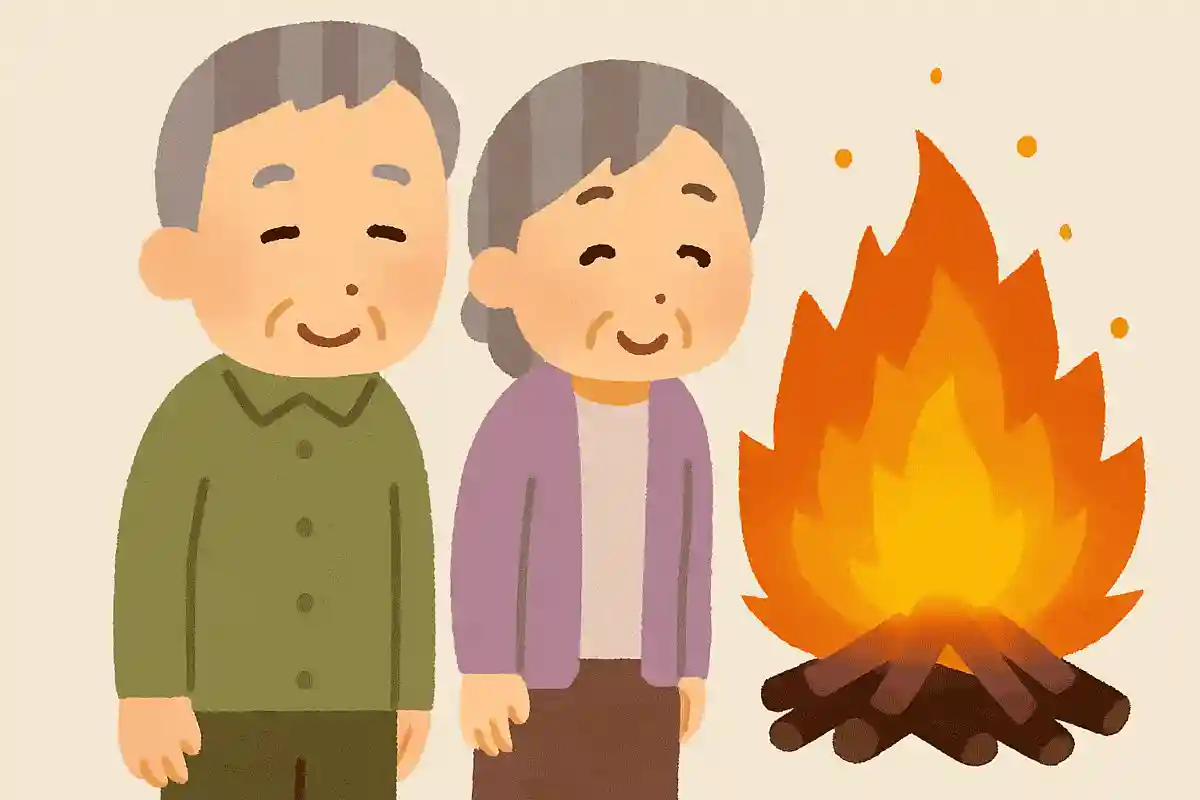
During Obon, there is a custom of burning ogara (hemp stalks).
On the first day, August 13, they are burned as a guide for the ancestors.
This is called mukaebi, or “welcoming fire.” Do you know what the fire burned on August 16, at the end of Obon, to send the ancestors back is called? The answer is okuribi, or “sending-off fire.” It may feel a little sad—after all, they’ve just come back—but let’s see them off properly.
The time for lighting the sending-off fire varies by region, but it is generally done in the evening.

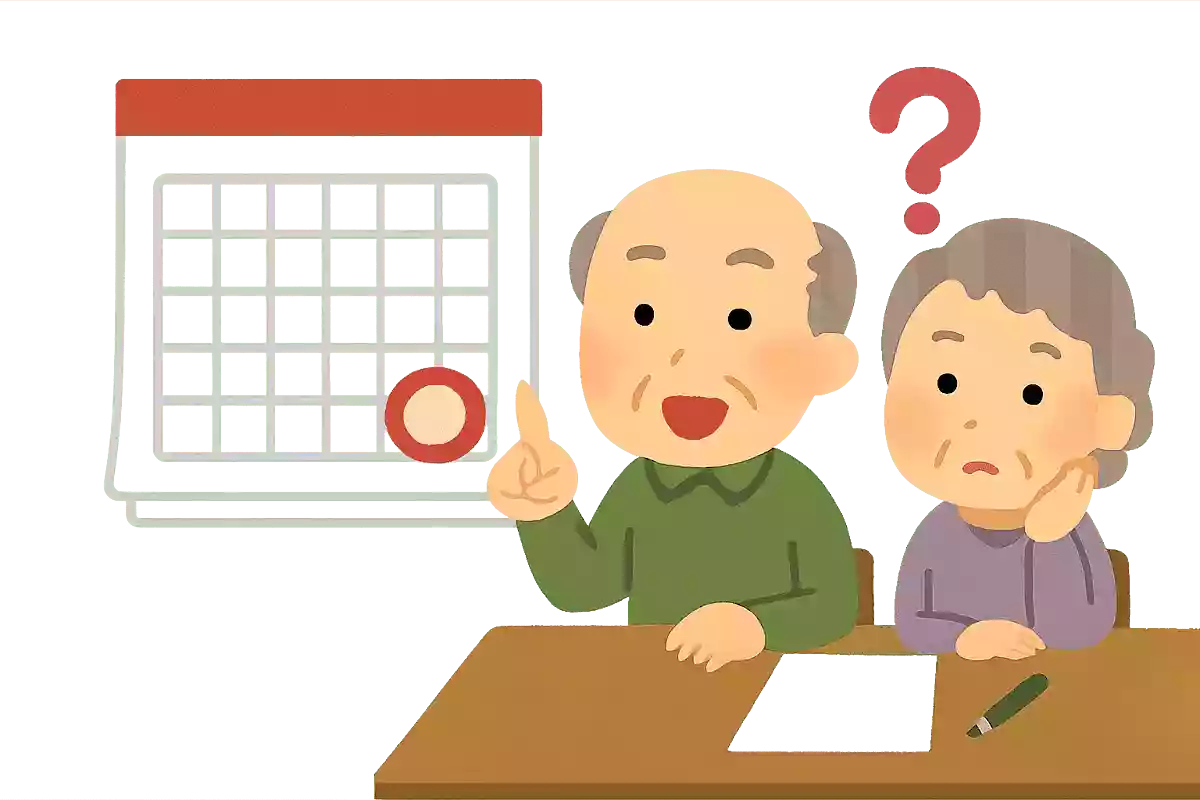
How many days are there in a leap year?
- 366 days
- 364 days
See the answer
366 days
A leap year comes around once every four years. In an ordinary year, February ends on the 28th, but only in a leap year does February 29th exist. Since that year has one extra day, the answer is 366 days. You might be momentarily confused—Which is it?—but if you think about it carefully, it makes sense!
“Bow-wow” represents the sound made by a dog in English. What animal is it?

How animals’ sounds are represented varies from country to country.
Among them, which animal is expressed with the sound “bow-wow” in English? Even if you’re not familiar with “bow-wow,” it’s such a classic animal that you’d quickly get the answer just by listing animals one by one.
The answer is “dog.” If you also look into how other animals’ sounds are expressed in English, and how they change in languages other than English, you’ll deepen your knowledge—and it might make for a lively conversation, too.