

[For Seniors] Fun and Informative! Trivia and Quizzes Introduced


Have you ever found it hard to keep a conversation going with an older adult, or wondered what to talk about?
At times like that, why not incorporate some fun trivia into your communication?
It can liven up the conversation, help you learn things you didn’t know before, and make for an enjoyable time together.
There’s trivia that feels familiar to older adults, as well as tidbits with surprising answers.
Trivia quizzes are also great as ideas for recreational activities.
They can be done while seated and are suitable for all genders, so many people can enjoy them.
Quizzes stimulate the brain and can help prevent dementia or slow its progression.
Try incorporating trivia quizzes while having fun!
- [For Seniors] Fun and Informative! Health Trivia Quiz
- [For Seniors] Trivia Multiple-Choice Quiz
- [For Seniors] Laugh-Out-Loud, Crowd-Pleasing! Fun Quiz
- [For Seniors] Fun and Informative Trivia Quiz Collection
- [For Seniors] Lively two-choice trivia quiz. Handy to know and tidbits you'll want to share with others
- [For Seniors] Guaranteed to Liven Things Up! A Collection of Brain Training Activities That Will Spark Laughter
- [For Seniors] Fun and Lively! Recommended Quiz Questions
- [Brain Training] Lively Word Quiz for Seniors
- [For Seniors] Boost Your Knowledge! Fun Trivia Quiz
- [For Seniors] Introducing Trivia Quizzes and Fun Facts About December
- [For Seniors] Sports Trivia Quiz & Fun Facts. Easy and Entertaining
- [For Seniors] Surprising Facts! Multiple-Choice Trivia Quiz (4 Options)
- [For Seniors] Liven Things Up! 3-Choice Ranking Quiz
[For Seniors] Fun and Informative! Introducing Trivia and Quizzes (81–90)
When you feel a sneeze coming on, you can stop it by using a certain part of your body. How do you use that body part?
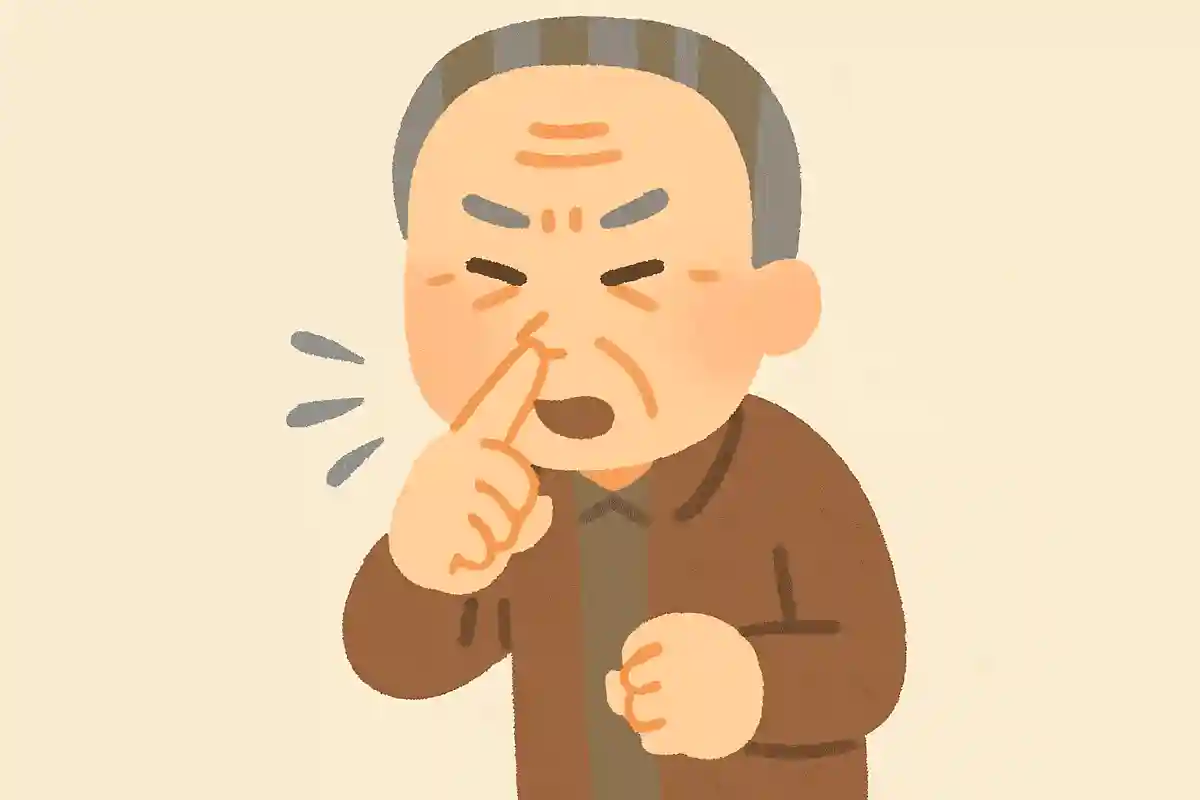
You’re about to sneeze in a quiet place… In times like that, knowing this method could come in handy! The spot is a part of your face—close to your nose, where the sneeze comes from.
The answer is to press under your nose with your finger.
If you say it’s the spot Kato-chan from The Drifters presses when he does “Kato-chan, pe!” older people might get it right away.
That said, it seems that stopping a sneeze isn’t very good for your body, so try using this only when you really have to!

When you can’t stop coughing, drinking a syrup made by soaking a certain vegetable in honey can calm it. What is that vegetable?
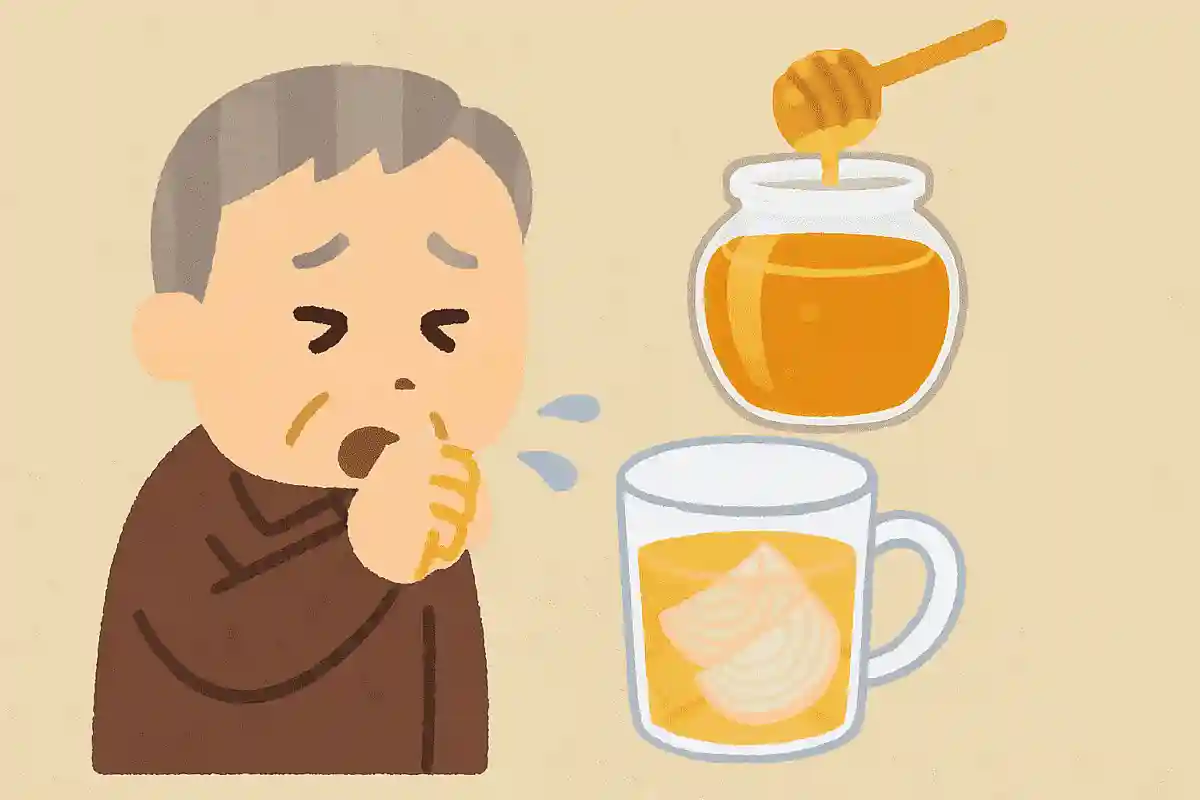
The correct answer is “daikon radish.” A compound found in daikon called isothiocyanate has anti-inflammatory effects, and honey contains an enzyme called glucose oxidase.
This enzyme reacts with oxygen in the air to produce hydrogen peroxide.
Hydrogen peroxide, also known as “oxydol,” has disinfectant properties—the same “oxydol” used to disinfect wounds.
Based on this, “honey daikon” appears to help soothe coughs by disinfecting the throat and reducing inflammation.
Osechi dishes, each ingredient and material carrying auspicious meanings—Which foods are eaten to pray for good financial fortune?

Many older adults might say that the colorful Osechi dishes are one of the joys of New Year’s.
Among these traditional dishes, there’s a certain food said to symbolize good fortune with money—but which one is it? Here’s a hint: it’s sweet and popular with children.
A big hint: it’s made with chestnuts.
The answer is kuri-kinton! The word kinton can mean “golden bedding” or “golden dumplings,” which is why it’s associated with financial luck.
Among the many foods, there is only one that does not spoil. What is it?

Speaking of food, we often worry about best-before and use-by dates.
But if a food doesn’t spoil, there’s no need to throw it away, which is very eco-friendly.
What do you think this wonderful food is? Here’s a hint: you eat it drizzled over things like bread, pancakes, and yogurt.
It’s diligently gathered by a certain insect, and it’s very sweet.
The answer is—honey! Honey is said not to spoil because it’s high in sugar and low in water content, conditions in which bacteria can’t survive.
The calves are also called the “second heart.” Using a part of the body, what is it called as the “second” what?
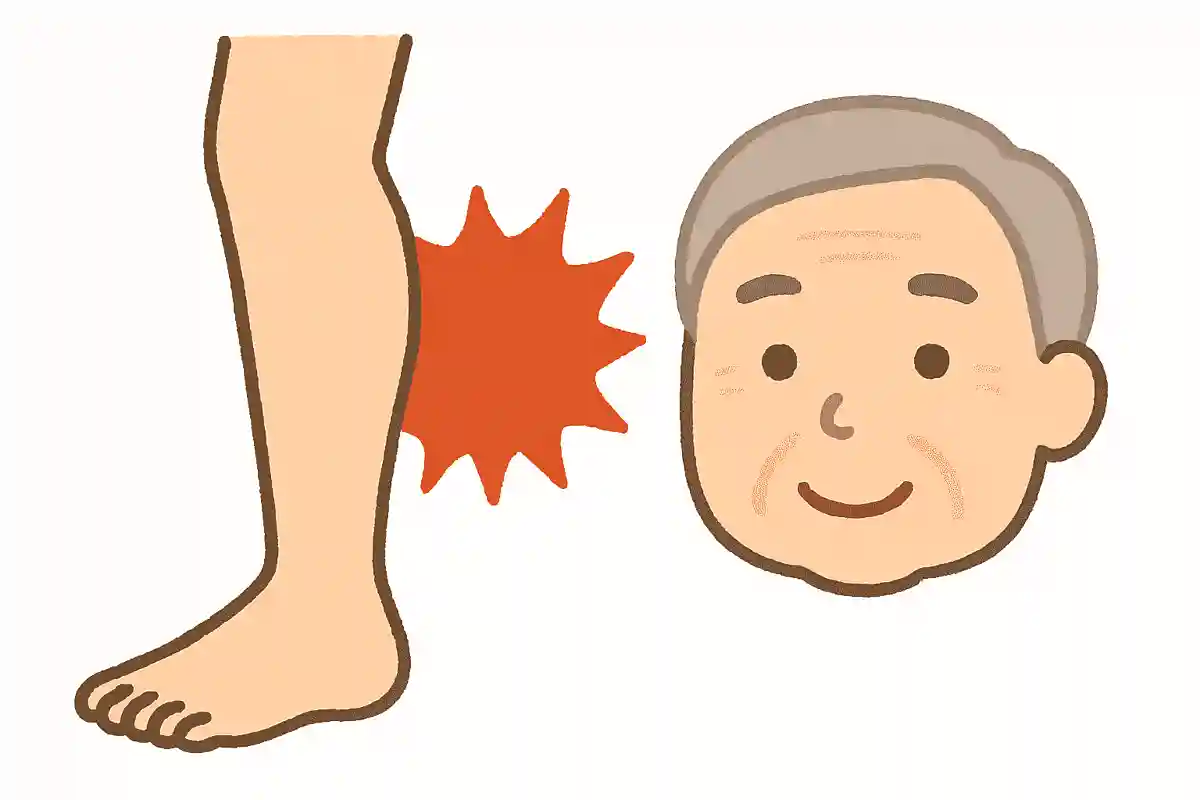
The calf, located on the back of the lower leg, has a nickname that uses the name of a body organ: “the second ___.” What is it? The hints are that it’s an internal organ and an indispensable organ not only for humans but also for animals.
The answer is the second “heart”! Blood tends to pool in the legs, but by actively moving the calves, blood circulates better and can be sent back to the heart more effectively.
That’s why they’re called the “second heart.”
When is the expiration date for the ice cream?
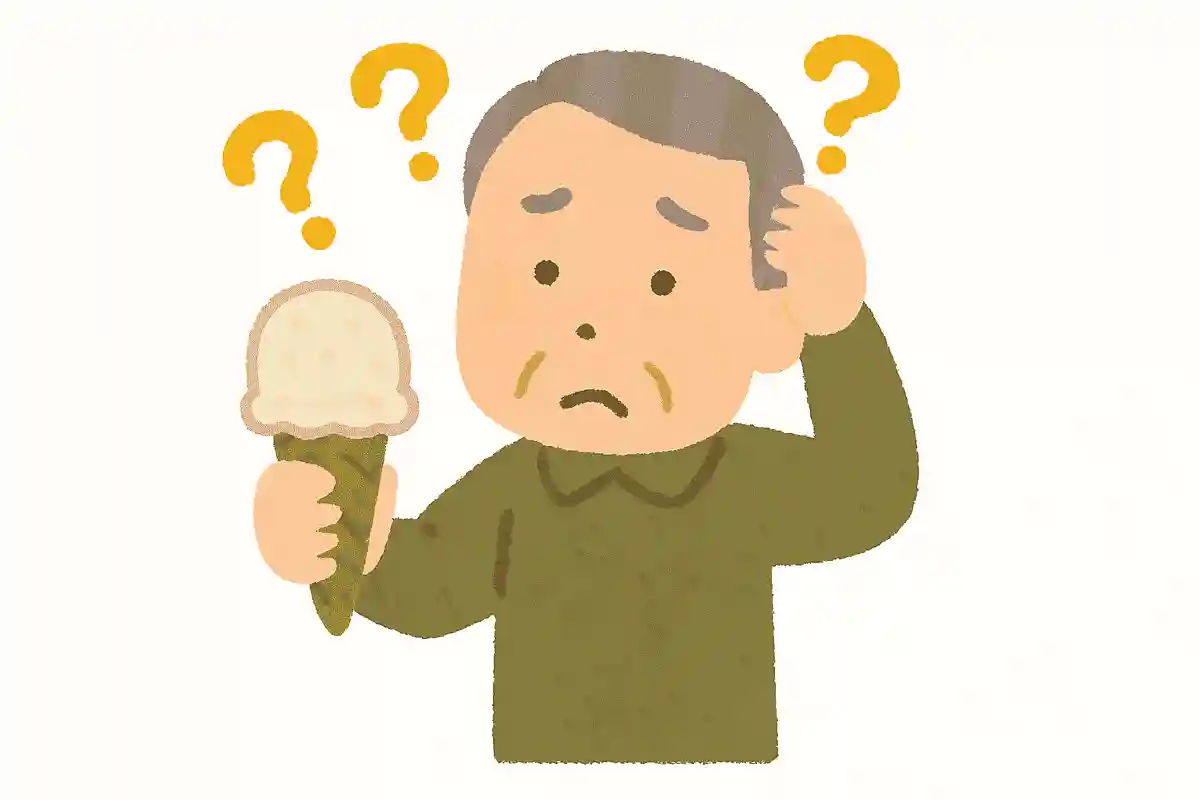
Chilled and delicious ice cream.
Many of you probably eat it often.
Here’s a question: do you know when ice cream expires? If you’re near a freezer, try taking out some ice cream and checking.
There’s probably no expiration date shown.
That’s because, in fact, ice cream doesn’t have a best-before date.
So you can technically eat ice cream that’s several years old.
However, that doesn’t apply if it has warmed up at some point or been opened.
Therefore, it’s basically recommended to eat it while it’s still new.

[For Seniors] Fun and Informative! Trivia and Quizzes (91–100)
Asparagus was originally used for ornamental purposes.

Asparagus has a slightly different form compared to other vegetables.
I’ve heard it takes at least three years from sowing the seeds to harvesting.
I’ve tried growing it a few times myself, but I never made it to harvest…
If you manage it properly, you can keep harvesting for about ten years.
Interestingly, asparagus was originally imported as an ornamental plant and only later became a food.
The curiosity of the person who thought, “Maybe I’ll try eating that plant that looks like a horsetail,” is pretty incredible, isn’t it?