

[For Seniors] Fun and Informative! Trivia and Quizzes Introduced


Have you ever found it hard to keep a conversation going with an older adult, or wondered what to talk about?
At times like that, why not incorporate some fun trivia into your communication?
It can liven up the conversation, help you learn things you didn’t know before, and make for an enjoyable time together.
There’s trivia that feels familiar to older adults, as well as tidbits with surprising answers.
Trivia quizzes are also great as ideas for recreational activities.
They can be done while seated and are suitable for all genders, so many people can enjoy them.
Quizzes stimulate the brain and can help prevent dementia or slow its progression.
Try incorporating trivia quizzes while having fun!
- [For Seniors] Fun and Informative! Health Trivia Quiz
- [For Seniors] Trivia Multiple-Choice Quiz
- [For Seniors] Laugh-Out-Loud, Crowd-Pleasing! Fun Quiz
- [For Seniors] Fun and Informative Trivia Quiz Collection
- [For Seniors] Lively two-choice trivia quiz. Handy to know and tidbits you'll want to share with others
- [For Seniors] Guaranteed to Liven Things Up! A Collection of Brain Training Activities That Will Spark Laughter
- [For Seniors] Fun and Lively! Recommended Quiz Questions
- [Brain Training] Lively Word Quiz for Seniors
- [For Seniors] Boost Your Knowledge! Fun Trivia Quiz
- [For Seniors] Introducing Trivia Quizzes and Fun Facts About December
- [For Seniors] Sports Trivia Quiz & Fun Facts. Easy and Entertaining
- [For Seniors] Surprising Facts! Multiple-Choice Trivia Quiz (4 Options)
- [For Seniors] Liven Things Up! 3-Choice Ranking Quiz
[For Seniors] Fun and Informative! Trivia and Quizzes (91–100)
Scissors that have become dull can be revived by cutting something found in a household kitchen. What is that “something?”
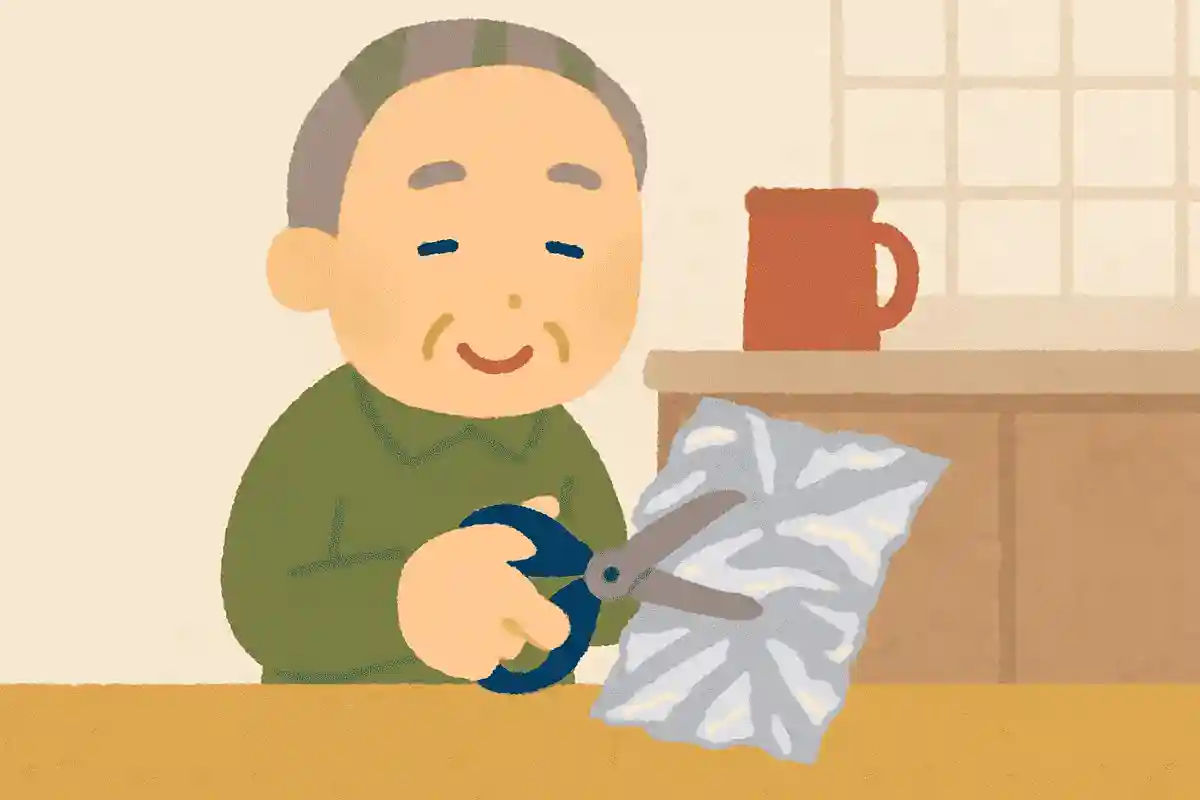
Scissors are stationery that everyone uses daily, but their sharpness inevitably dulls over time.
However, even dulled scissors can be easily revived just by cutting a common household item.
The hint is something from the kitchen: it’s made of metal, yet it can be cut with scissors—this should make it clear.
The answer is aluminum foil.
It’s said that a phenomenon occurs where the aluminum compensates for the worn parts of the scissors.
Since the effect is only temporary, it’s good to remember that properly sharpening them with tools is a more reliable solution.

In which prefecture is the Gujo Odori, a Bon dance also known as the “All-Night Dance,” held?
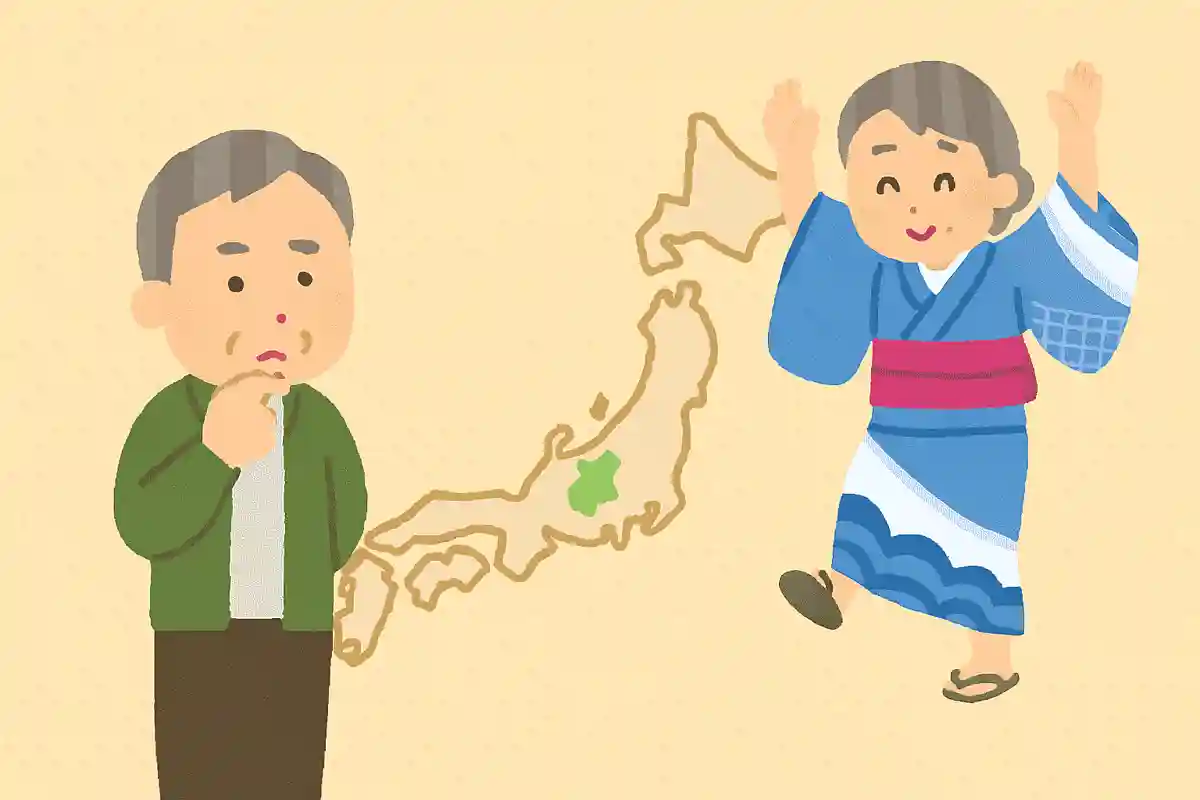
During Obon, when we welcome our ancestors, festivals are sometimes held, and in many cases Bon Odori dances are performed.
Among these dances, there is a special one called Gujo Odori, also known as the All-Night Dance (Tetsuya Odori).
In which prefecture is it held? The answer is Gifu Prefecture.
It is a traditional Bon dance that is also inscribed on UNESCO’s Intangible Cultural Heritage list.
A major feature is that people continue dancing from night until the following morning, and it is said to combine both memorial rites for ancestors and elements of entertainment.
[For Seniors] Fun and Informative! Trivia and Quizzes (101–110)
About 20% of elementary school students wear uniforms.
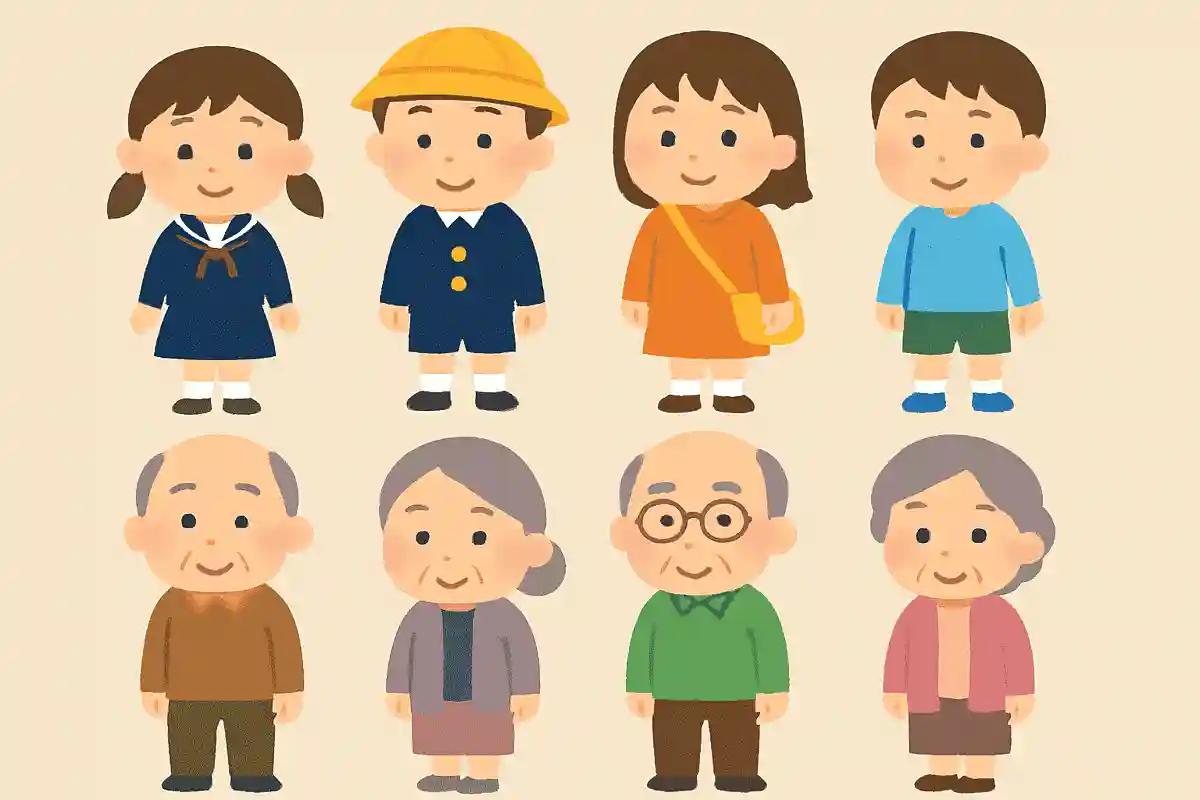
It’s said that about 20% of elementary school students wear uniforms.
The wearing rate varies by region, with higher rates in western Japan, Shikoku, and the Chugoku region.
Some parents point out benefits of having uniforms, such as not having to worry about what to wear and avoiding differences caused by casual clothes.
However, since elementary school children are in a period of rapid growth, uniforms can quickly become too small.
Replacing them can also be costly.
Incidentally, uniforms were introduced in elementary schools during the Meiji era.
The topic of uniforms also seems likely to lead into discussions with older adults about what they wore in their own elementary school days.

In prehistoric times, very few people got cavities. Why was that?
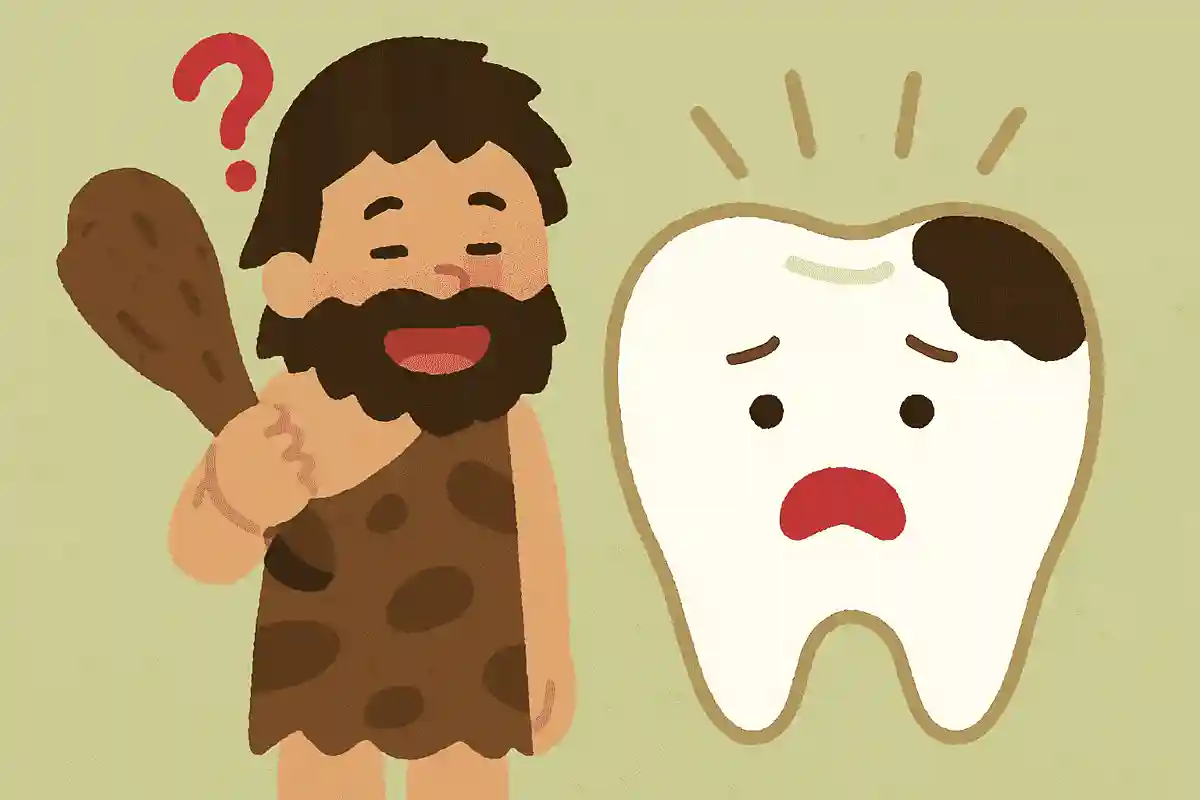
It’s surprising to think that our human ancestors, primitive people, didn’t have cavities, isn’t it? How could that be in a time without toothbrushes or toothpaste? The hint lies in the foods they ate back then.
The answer is that they only had hard foods.
Hard foods naturally increase the number of times you chew, which stimulates plenty of saliva, helping wash away bacteria and the like.
In contrast, in modern times, the increase in soft foods makes it easier for food to get stuck between teeth, and because we chew far fewer times, saliva production has greatly decreased, making us much more prone to cavities.

If Obon arrives before the 49th day (after the passing), when will the first Obon (shinbon) be?

The period from the date of death through the forty-ninth day is called “kicho” (a time of mourning), during which one grieves for the deceased and observes mourning.
If Obon occurs before the forty-ninth day, when this mourning period ends, when is the first Obon (hatsu-bon)? The answer is: during the Obon of the following year after the person’s death.
It is customary not to hold the first-Obon memorial that same year.
If someone brings offerings thinking it is the first Obon, it is generally acceptable to receive the offerings and explain that the first Obon will be held the following year.
This is one of the points of knowledge about Obon, including how to handle such situations.
There’s an unusual surname that’s written with the characters for April 1st but read as “Watanuki.”

When April comes, we often get a spell of pleasantly warm weather, don’t we? So here are some fun facts related to the springtime mood.
There are people whose surname is written with the characters for “April 1” (四月一日) and read as Watanuki.
It’s an unusual surname, but it has an origin that’s very fitting for April.
As it gets warmer in April, people used to switch from winter kimono padded with cotton to ones with the cotton removed.
Because the cotton (wata) was taken out (nuku) on April 1, the name became Watanuki.
Japan has many other rare surnames as well.
It might be fun to look for them together with older people.
Besides salt, what seasoning, when sprinkled on a slug, would make it shrink?
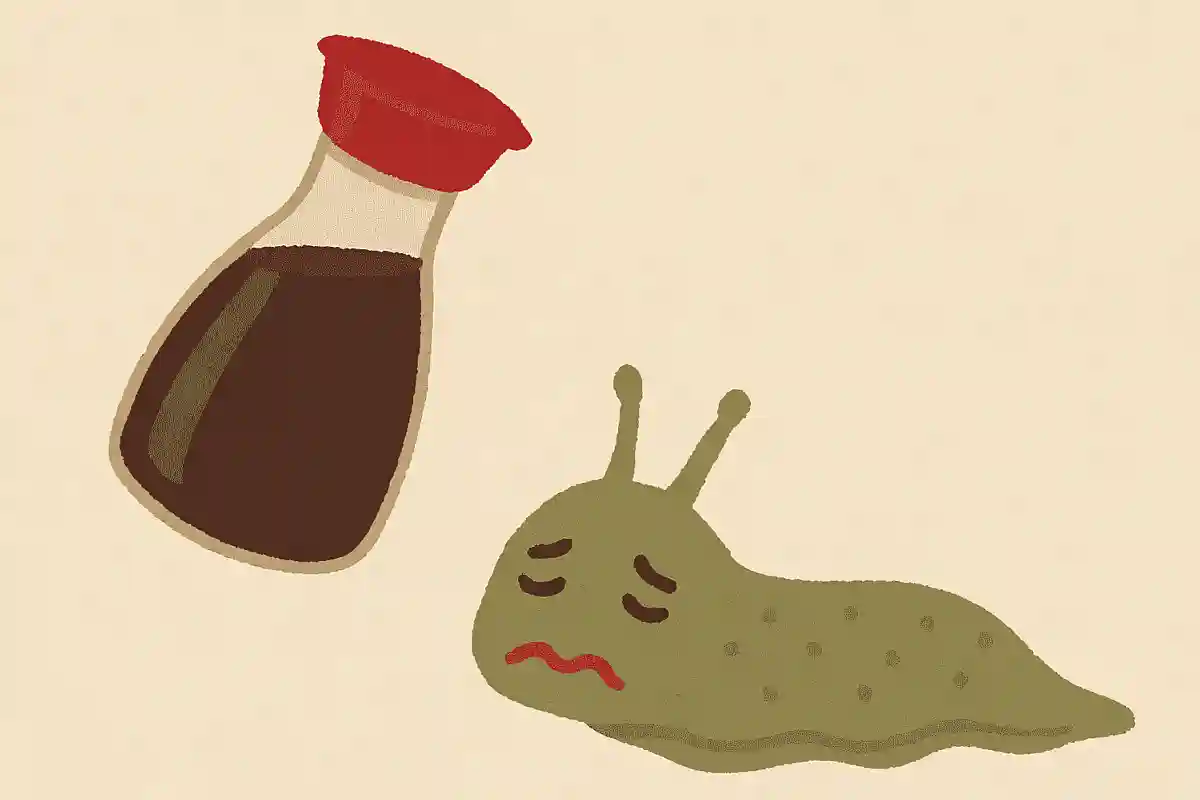
Slugs that appear on rainy days.
Everyone knows they shrivel up when you sprinkle salt on them.
In fact, there’s another seasoning that makes them shrink when sprinkled: sugar.
The mechanism is the same as with salt—water is drawn out of the slug’s body.
However, with sugar it’s said to take about six times longer to fully shrivel than with salt.
If you want to learn more, check out videos of actual experiments.
That said, it does feel a bit sad.
