

[For Seniors] Fun and Informative! Trivia and Quizzes Introduced


Have you ever found it hard to keep a conversation going with an older adult, or wondered what to talk about?
At times like that, why not incorporate some fun trivia into your communication?
It can liven up the conversation, help you learn things you didn’t know before, and make for an enjoyable time together.
There’s trivia that feels familiar to older adults, as well as tidbits with surprising answers.
Trivia quizzes are also great as ideas for recreational activities.
They can be done while seated and are suitable for all genders, so many people can enjoy them.
Quizzes stimulate the brain and can help prevent dementia or slow its progression.
Try incorporating trivia quizzes while having fun!
- [For Seniors] Fun and Informative! Health Trivia Quiz
- [For Seniors] Trivia Multiple-Choice Quiz
- [For Seniors] Laugh-Out-Loud, Crowd-Pleasing! Fun Quiz
- [For Seniors] Fun and Informative Trivia Quiz Collection
- [For Seniors] Lively two-choice trivia quiz. Handy to know and tidbits you'll want to share with others
- [For Seniors] Guaranteed to Liven Things Up! A Collection of Brain Training Activities That Will Spark Laughter
- [For Seniors] Fun and Lively! Recommended Quiz Questions
- [Brain Training] Lively Word Quiz for Seniors
- [For Seniors] Boost Your Knowledge! Fun Trivia Quiz
- [For Seniors] Introducing Trivia Quizzes and Fun Facts About December
- [For Seniors] Sports Trivia Quiz & Fun Facts. Easy and Entertaining
- [For Seniors] Surprising Facts! Multiple-Choice Trivia Quiz (4 Options)
- [For Seniors] Liven Things Up! 3-Choice Ranking Quiz
[For Seniors] Fun and Informative! Trivia and Quizzes (41–50)
What is the reason ginkgo trees are often planted as street trees?
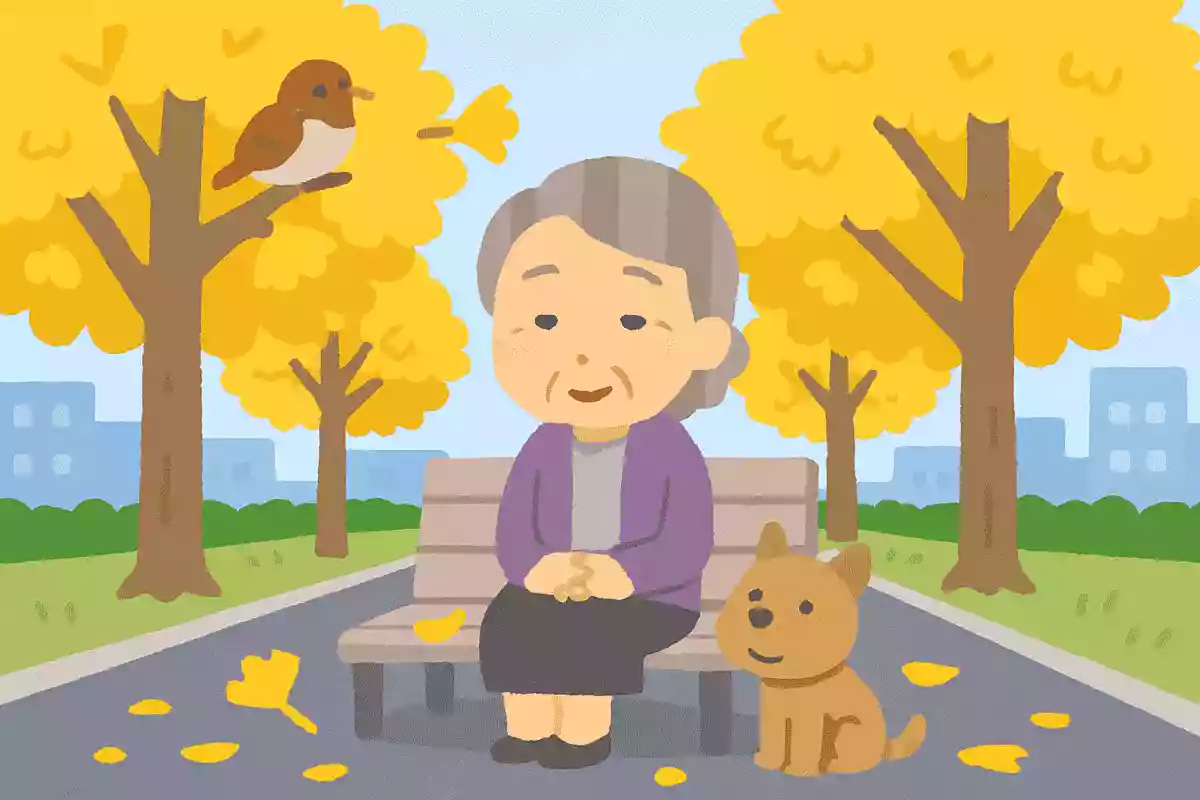
In many towns, roadside trees are planted, adding color to the scenery.
Let’s focus on the ginkgo trees we often see among these street trees: why are they so commonly planted? The leaves, which can be a bit of a nuisance at certain times of year, offer a big hint.
By considering their thick leaves, we can infer the tree’s characteristics.
The answer is that ginkgo trees are highly resilient and hard to burn.
They grow robustly even in urban environments and, in emergencies, provide safety benefits, which is why they are favored as street trees.

[For Seniors] Fun and Informative! Introducing Trivia and Quizzes (51–60)
What are the two nutrients needed for strong bones?
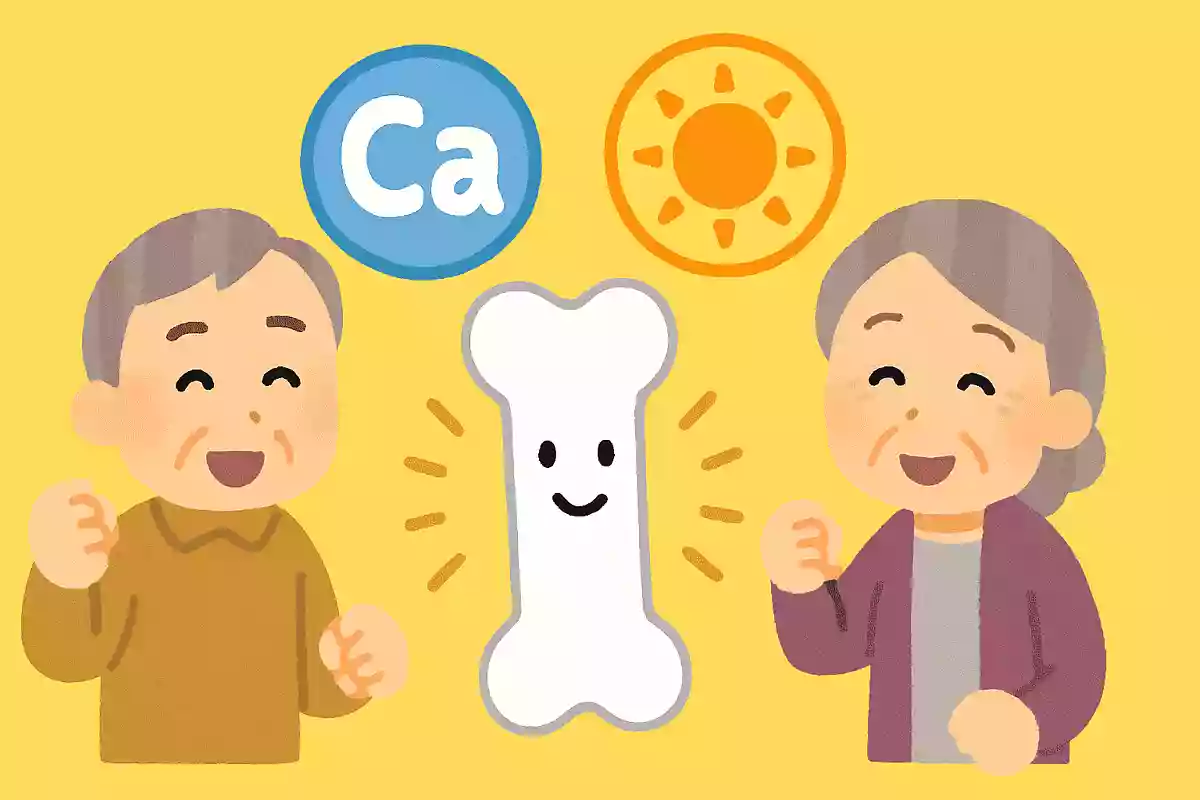
As we get older, we tend to become more concerned about bone strength, and many people want to keep their bones as strong as possible.
So, what are the two nutrients needed to strengthen bones? One of them is obvious because it always comes up in discussions about bones, but the other might be less straightforward.
It’s easier to think of it not so much as a component of bones, but as something essential for overall health.
The answer is calcium and vitamin D—vitamin D helps the body absorb calcium into the bones.
For maintaining good health, how many grams or more of vegetables is it desirable to consume per day?
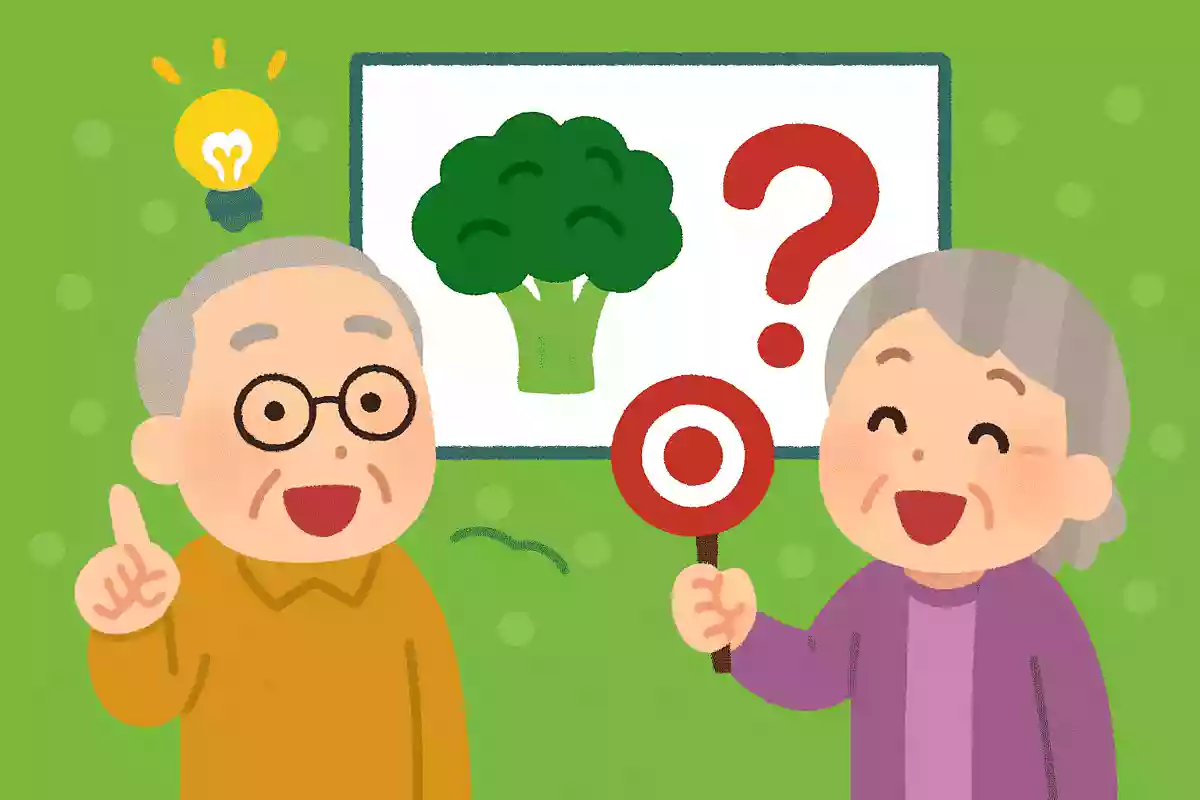
Although vegetables are strongly associated with being healthy, it can be hard to know how much you should actually eat if you’re just going about your day.
Let’s find out how much vegetable intake is recommended per day and use that to plan healthier daily meals.
First, think about how many vegetables you’re eating in your regular meals, then check the required amount.
By comparing whether you’re eating too much or too little, you’ll get a concrete picture of what you need—highly recommended.
The answer is “350 grams per day,” but that doesn’t mean anything goes as long as you hit that number.
In addition to how you reach that amount, be mindful of nutritional balance as well.
In which prefecture in Japan can you see the latest autumn foliage?
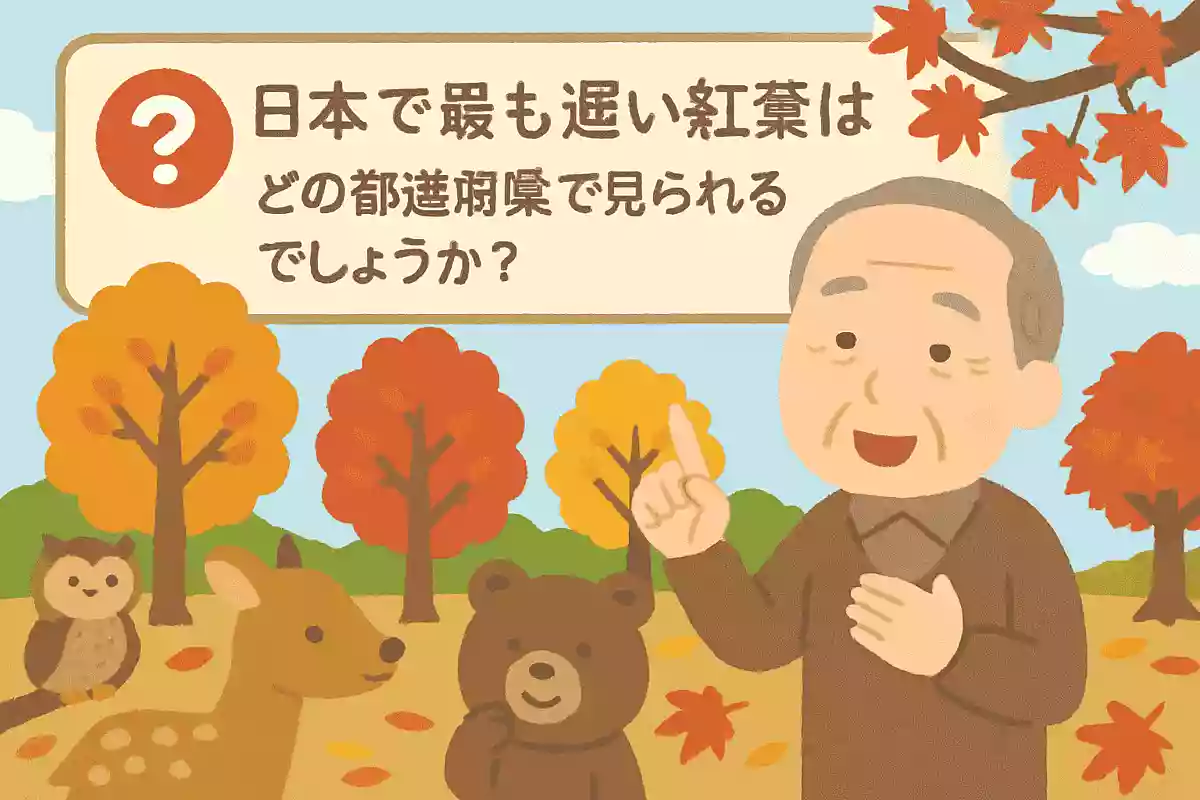
Japan is a country where you can feel temperature differences depending on the region, and natural phenomena seem to shift in particular directions as well.
Among these changing natural phenomena, let’s focus on autumn foliage: which prefecture sees the latest autumn colors? Here’s a hint: it’s a warm place where the temperature doesn’t drop easily.
If imagining “not getting colder” is tricky, you might think of places that get especially hot in summer.
The answer is Shizuoka Prefecture.
In particular, the autumn leaves at Atami Plum Garden reach their peak from late November to December, earning it the nickname “the latest autumn foliage in Japan.”
Natto is said to have a blood-thinning effect. What time of day is best to eat it to achieve a greater effect?
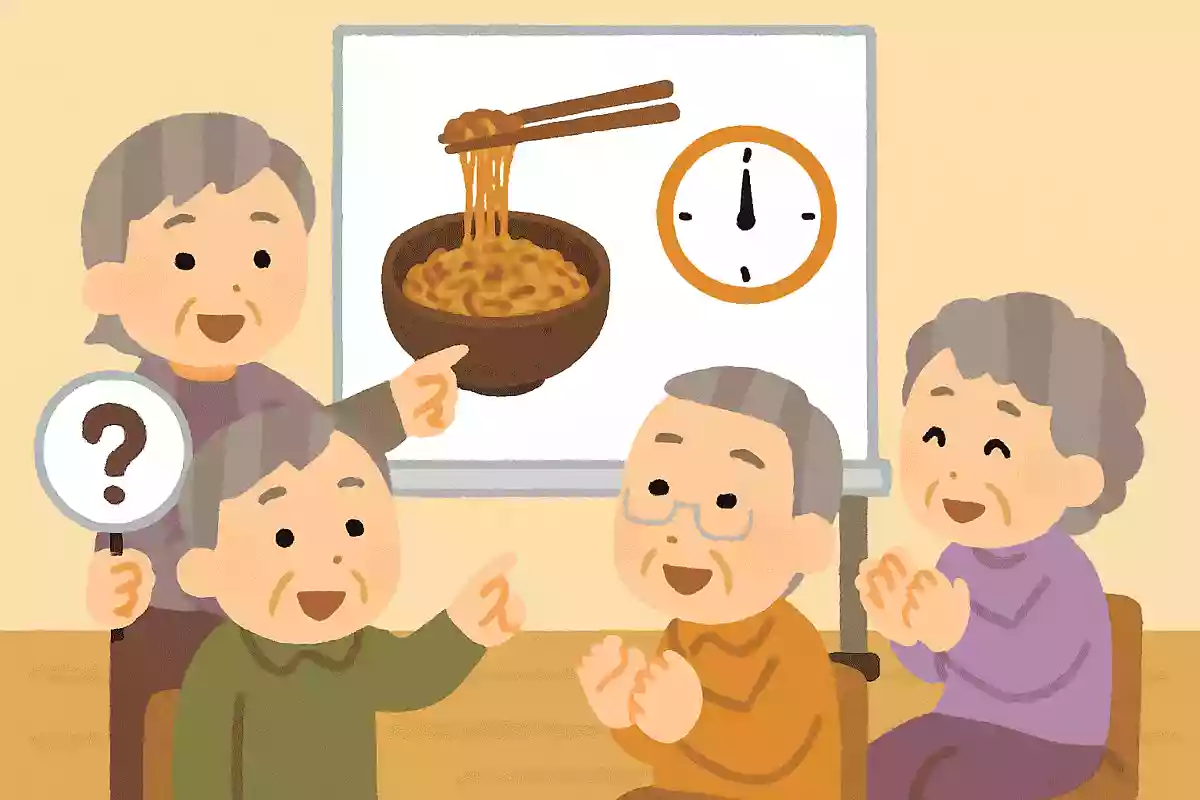
Natto is one of the foods that embody Japanese tradition and is strongly associated with being healthy.
In fact, natto is good for your health and contains components that help thin the blood.
Did you know there’s a recommended time of day to eat it to draw out its health benefits even more? Considering the times when blood vessels are said to be more prone to clogging, you can figure out the timing that may help prevent that.
The answer is “at night.” Blood vessels are considered more likely to clog while you sleep, so the idea is that consuming the beneficial components about four hours before bedtime is best to help prevent it.
Why do fireflies glow?

The way fireflies softly glow is a hallmark of summer nights.
It’s a beautiful sight to watch, but do you know why fireflies light up? Here’s a hint: it’s a sign to meet.
Their manner of glowing has meaning, and it’s said they send messages through the rhythm and timing of their flashes.
Signals exchanged in the stillness of night.
The answer is… courtship.
Fireflies use light to find a mate and to announce their presence.
Knowing such a romantic reason might make the night scenery feel a little more special.

Morning glory seeds originally came to Japan as a medicine. What kind of medicine were they?
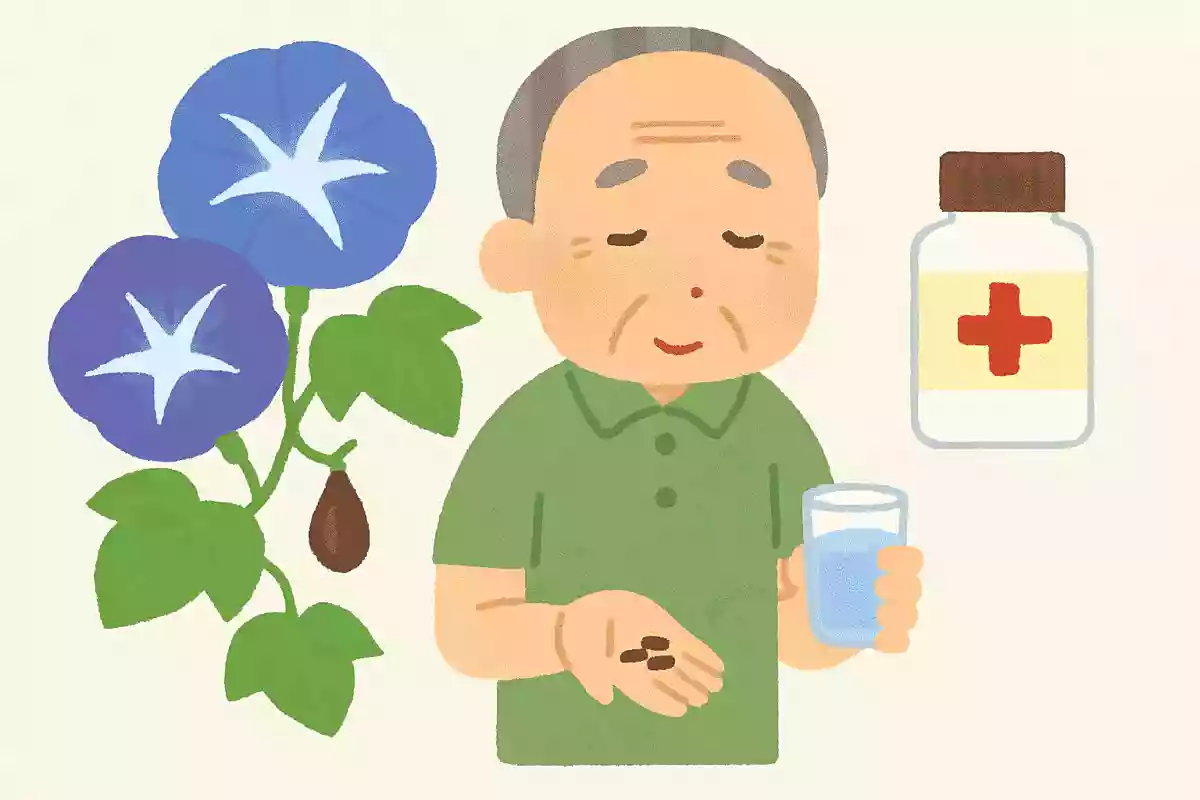
It’s not widely known, but morning glory seeds originally came to Japan as medicine.
Here’s a question: What kind of medicine were they? Hint: a remedy to regulate digestion.
In fact, morning glory seeds were used as a laxative to promote bowel movements.
This surprising fact sparks lively conversation among participants—“Really? Is that true?” Learning old wisdom broadens topics about health and the seasons, making it perfect for brain training, too.
It’s a quiz that lets you discover another side of the morning glory beyond its beautiful flowers.