

[For Seniors] Fun and Informative! Trivia and Quizzes Introduced


Have you ever found it hard to keep a conversation going with an older adult, or wondered what to talk about?
At times like that, why not incorporate some fun trivia into your communication?
It can liven up the conversation, help you learn things you didn’t know before, and make for an enjoyable time together.
There’s trivia that feels familiar to older adults, as well as tidbits with surprising answers.
Trivia quizzes are also great as ideas for recreational activities.
They can be done while seated and are suitable for all genders, so many people can enjoy them.
Quizzes stimulate the brain and can help prevent dementia or slow its progression.
Try incorporating trivia quizzes while having fun!
- [For Seniors] Fun and Informative! Health Trivia Quiz
- [For Seniors] Trivia Multiple-Choice Quiz
- [For Seniors] Laugh-Out-Loud, Crowd-Pleasing! Fun Quiz
- [For Seniors] Fun and Informative Trivia Quiz Collection
- [For Seniors] Lively two-choice trivia quiz. Handy to know and tidbits you'll want to share with others
- [For Seniors] Guaranteed to Liven Things Up! A Collection of Brain Training Activities That Will Spark Laughter
- [For Seniors] Fun and Lively! Recommended Quiz Questions
- [Brain Training] Lively Word Quiz for Seniors
- [For Seniors] Boost Your Knowledge! Fun Trivia Quiz
- [For Seniors] Introducing Trivia Quizzes and Fun Facts About December
- [For Seniors] Sports Trivia Quiz & Fun Facts. Easy and Entertaining
- [For Seniors] Surprising Facts! Multiple-Choice Trivia Quiz (4 Options)
- [For Seniors] Liven Things Up! 3-Choice Ranking Quiz
[For Seniors] Fun and Informative! Trivia and Quizzes (31–40)
What kind of hospitals are there more of than convenience stores?
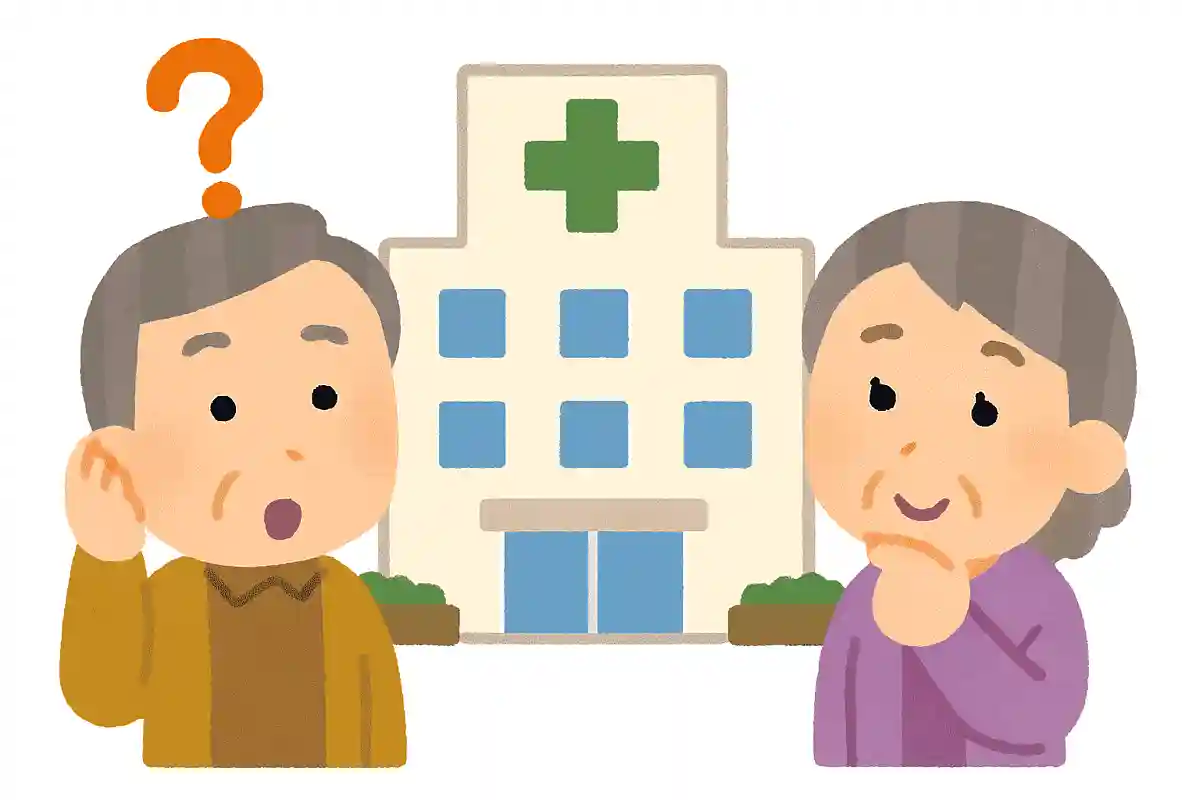
Convenience stores are everywhere and handy—you probably have one in your neighborhood.
That aside, did you know there’s a type of clinic said to outnumber even convenience stores? The answer is dental clinics.
Their numbers have been increasing year by year, now totaling over 69,000.
For reference, there are about 55,000 convenience stores, which means there are over 10,000 more dental clinics.
Whether that’s true or not, try comparing the number of dental clinics and convenience stores in your area.

When do we see dreams while sleeping, and in what state is the body at that time?
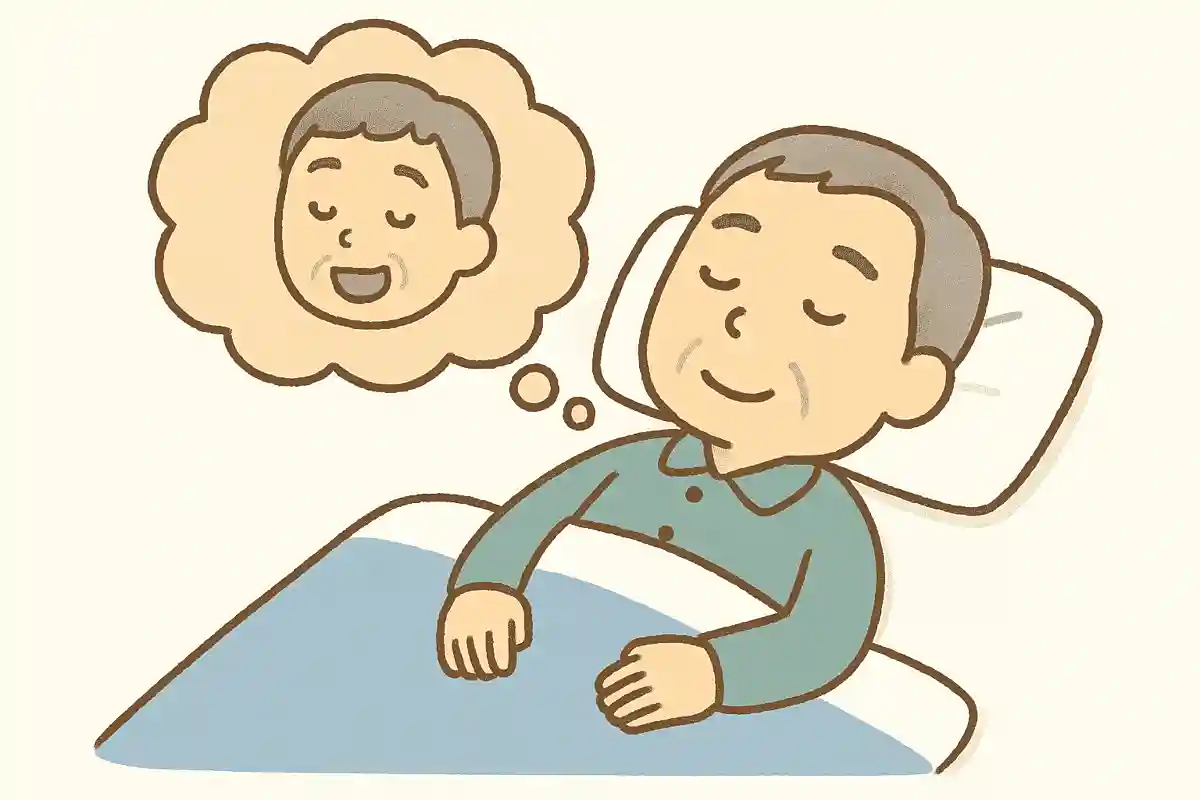
People can have all kinds of dreams while sleeping—whether realistic or fantastical—like dreams of meeting someone you love or being chased by a scary ghost.
What kinds of dreams might older adults have had over the years? Still, there are times when you clearly feel you’ve had a dream, and other times when you feel you didn’t dream at all.
So, when is it that we have dreams? The answer is: when our sleep is light.
That said, it seems that everyone dreams regardless of sleep depth.
It’s just that during deep sleep, the content of dreams can be less striking, so we may feel as though we didn’t dream.

What were the unruly and immoral youths—said to be named after Shintaro Ishihara’s novel—called?

Shintaro Ishihara, who thrived not only as an actor and writer but also as a politician, coined a term through his novel that became widely popular.
What was the group called that referred to young people who were unruly and immoral? The hint is that the term comes from Ishihara’s novel Season of the Sun.
The answer is the “Sun Tribe.” From the outside, it was used to describe a delinquent group, while for those involved, it expressed a belief in not being bound by the existing order.
It’s an episode that shows just how influential Shintaro Ishihara was.

Trivia Quiz: Japan’s Three Great ___ — What’s the last one?

There’s a joke that goes like this: whenever people talk about Japan’s three great hot spring resorts, they’ll say, “Kusatsu Onsen, Beppu Onsen, and [Name of their own local onsen],” always slipping in the name of their hometown for the third one.
It’s probably more common than you’d think.
So, let’s try a “Japan’s Three Great ___—what’s the last one?” quiz.
For example: “Japan’s three great rivers are the Tone River, the Ishikari River, and what’s the third?” or “When we say Japan’s Three Most Scenic Views, there’s Matsushima, Miyajima, and what’s the other one?” There are plenty of questions that will have you thinking, “It’s on the tip of my tongue…,” which makes them delightfully frustrating.
Highly recommended for travel lovers!
What does the “punch” in a punch perm refer to?
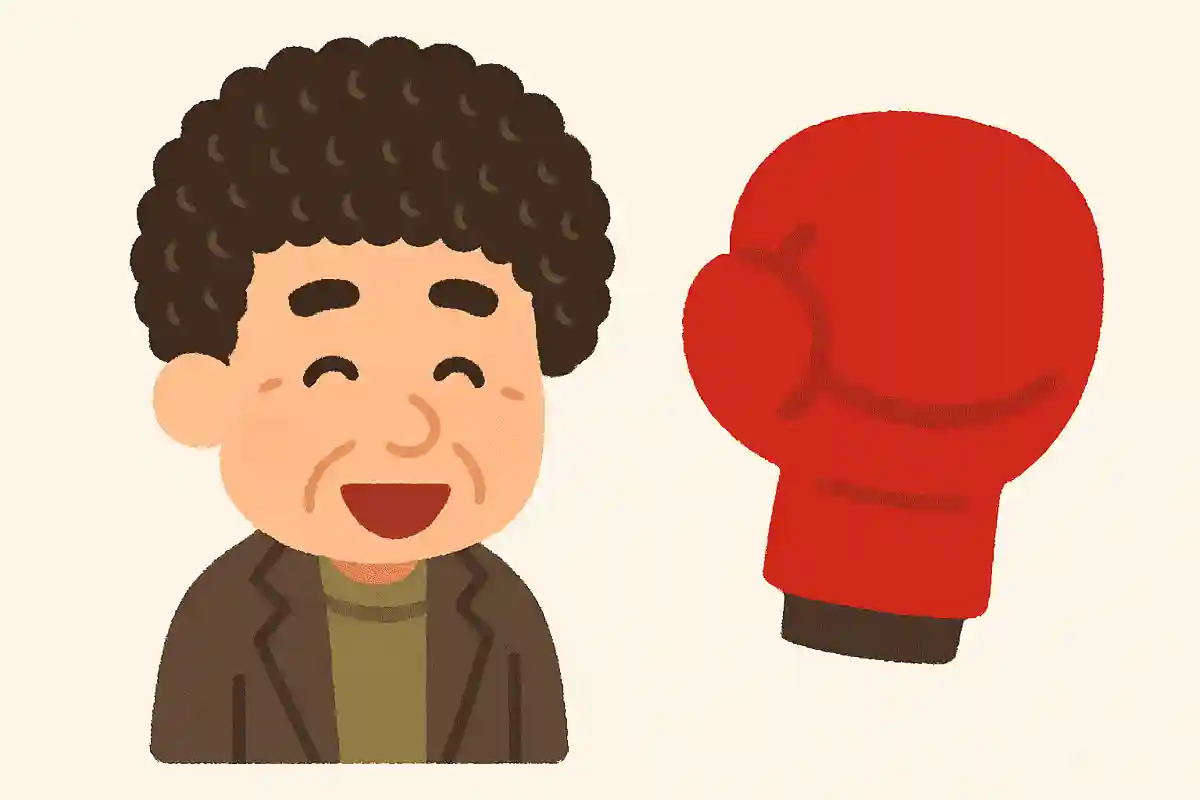
This may seem sudden, but what exactly does the “punch” in “punch perm” mean? The answer is: it’s the name of a magazine called Heibon Punch.
The punch perm, a short hairstyle with tight, firm curls, was devised by a barber in Kitakyushu in the 1970s.
A barber-supply company in the Kansai region then named it “punch perm,” borrowing the name from the hugely popular magazine Heibon Punch at the time.
With its intimidating look and the fact that it doesn’t lose shape easily even in a fight, the punch perm became especially popular among tough-looking types.
Fittingly, its origin story packs a punch too!

[For Seniors] Fun and Informative! Trivia and Quizzes (41–50)
In what language is the word “pom-pom,” which is used for cheering?
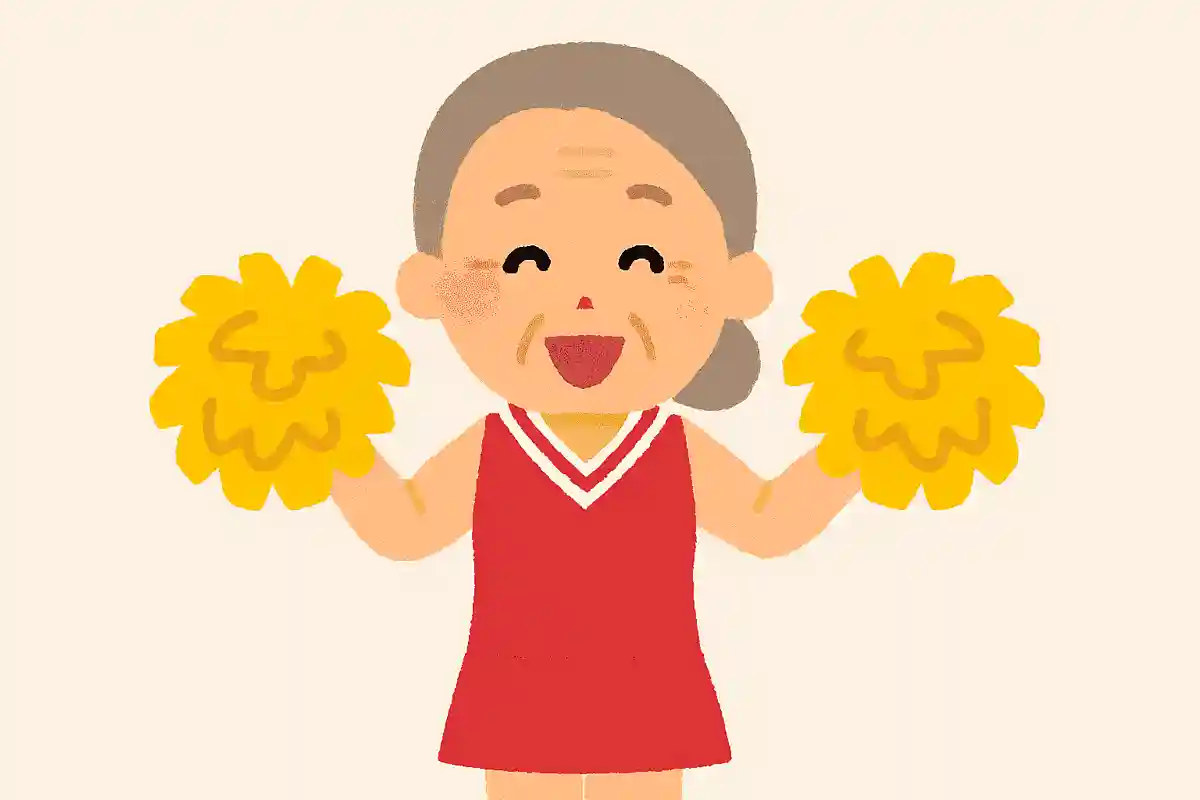
What language is the origin of the word “pom-pom,” used as a cheering item at events like sports days? The answer is French; it is said to derive from “pompon,” meaning a tuft with a rounded end.
Invented as a cheering accessory in the 1930s, pom-poms were made of paper at the time and couldn’t be used in bad weather—details that convey the history they’ve accumulated.
By learning that history properly, we may grow more attached to the everyday items used at events.
When did the Obon holiday become established?
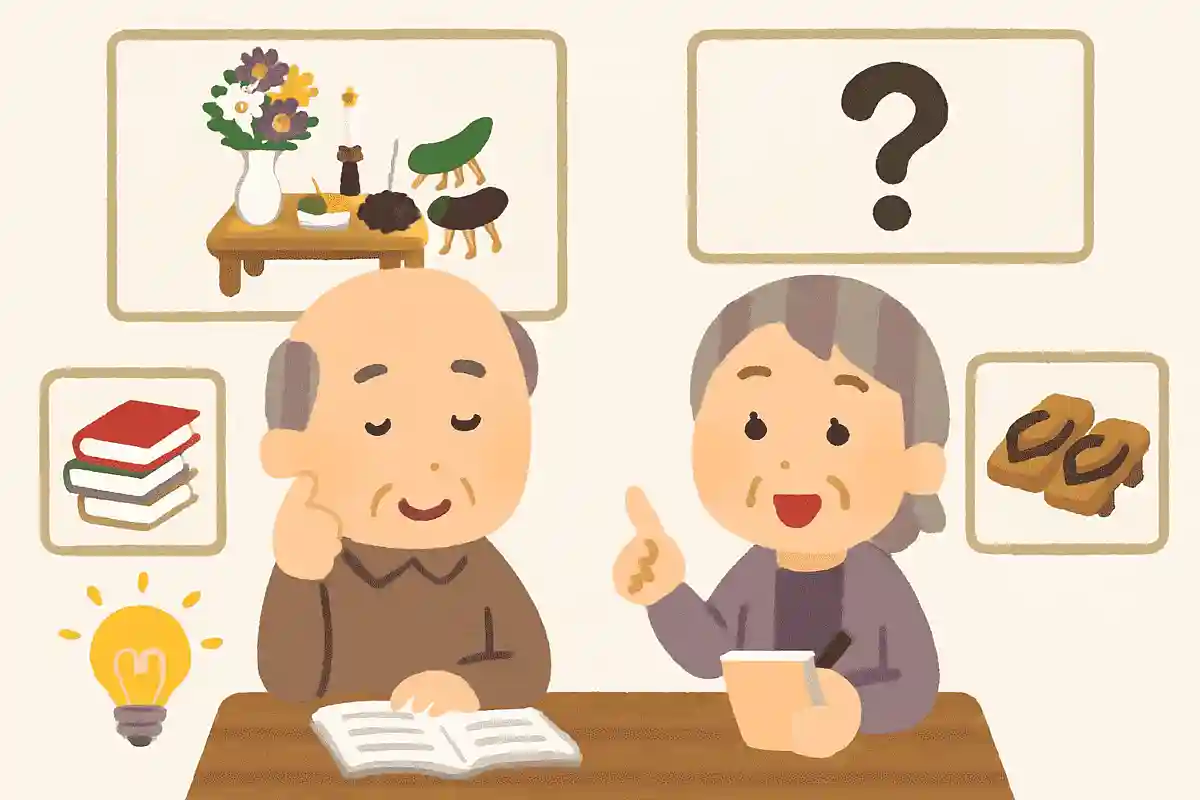
Obon is an event for welcoming one’s ancestors, and during the Obon holiday we carry out various observances.
So when did the Obon holiday, which serves both as time off for these events and as a beloved summer vacation for adults, become an established custom? The answer is the Edo period.
It is said to have taken root alongside the Obon observances themselves.
The fact that the holiday period aligns with the series of Obon events conveys the historical weight of these traditions and the sentiments imbued within them.