

[For Seniors] Fun and Informative! Trivia and Quizzes Introduced


Have you ever found it hard to keep a conversation going with an older adult, or wondered what to talk about?
At times like that, why not incorporate some fun trivia into your communication?
It can liven up the conversation, help you learn things you didn’t know before, and make for an enjoyable time together.
There’s trivia that feels familiar to older adults, as well as tidbits with surprising answers.
Trivia quizzes are also great as ideas for recreational activities.
They can be done while seated and are suitable for all genders, so many people can enjoy them.
Quizzes stimulate the brain and can help prevent dementia or slow its progression.
Try incorporating trivia quizzes while having fun!
- [For Seniors] Fun and Informative! Health Trivia Quiz
- [For Seniors] Trivia Multiple-Choice Quiz
- [For Seniors] Laugh-Out-Loud, Crowd-Pleasing! Fun Quiz
- [For Seniors] Fun and Informative Trivia Quiz Collection
- [For Seniors] Lively two-choice trivia quiz. Handy to know and tidbits you'll want to share with others
- [For Seniors] Guaranteed to Liven Things Up! A Collection of Brain Training Activities That Will Spark Laughter
- [For Seniors] Fun and Lively! Recommended Quiz Questions
- [Brain Training] Lively Word Quiz for Seniors
- [For Seniors] Boost Your Knowledge! Fun Trivia Quiz
- [For Seniors] Introducing Trivia Quizzes and Fun Facts About December
- [For Seniors] Sports Trivia Quiz & Fun Facts. Easy and Entertaining
- [For Seniors] Surprising Facts! Multiple-Choice Trivia Quiz (4 Options)
- [For Seniors] Liven Things Up! 3-Choice Ranking Quiz
For Seniors: Fun and Useful! Trivia and Quizzes (71–80)
What vegetable was once grown for ornamental purposes because it was considered ‘poisonous’?
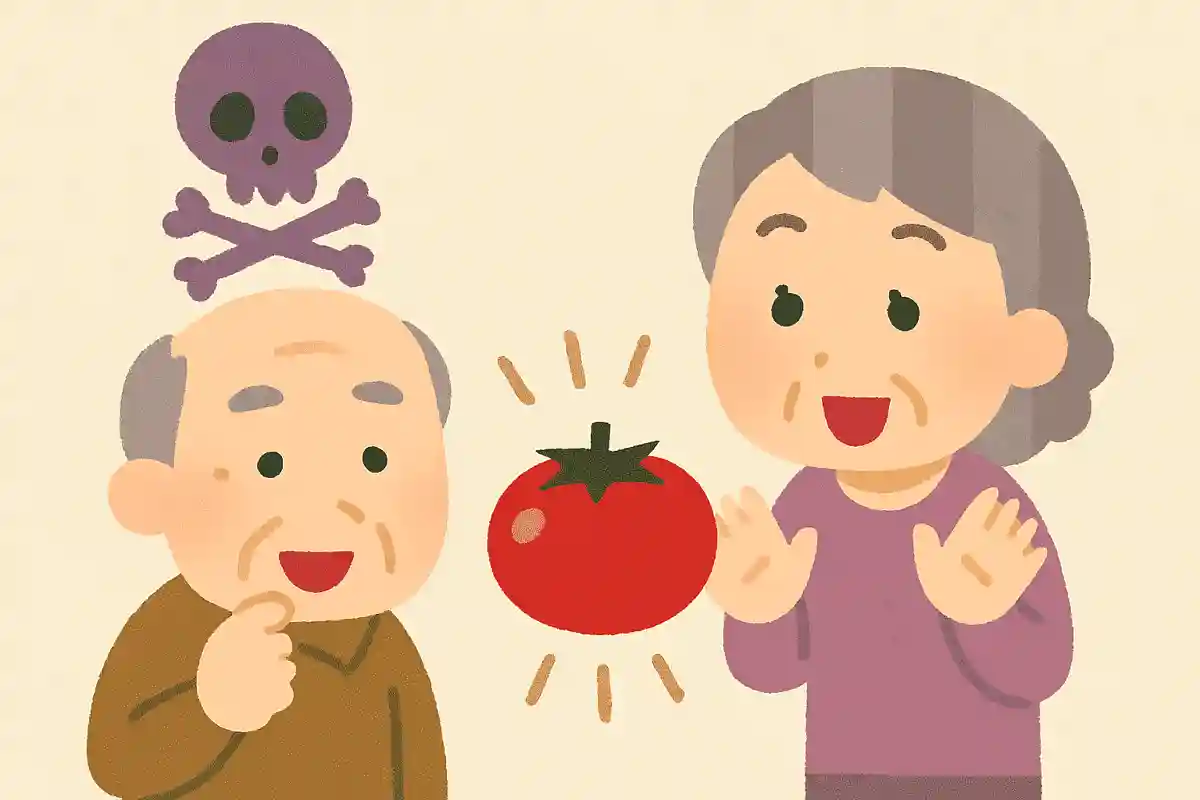
This answer would surprise even older folks! Nowadays, it’s an extremely common food that just about everyone, young and old, has eaten at least once.
Hints include that it’s a vegetable, it can be sweet or sour, and it contains lycopene, which helps improve lifestyle-related health issues and is great for beauty.
The answer is—tomatoes! The issue stemmed from toxins contained in tomatoes, but thanks to selective breeding, those toxic components have been greatly reduced today.
Still, the non-fruit parts like the stems and leaves are dangerous, so please be careful.

If you heat a certain item in the microwave, it will remove unpleasant odors inside. What is that item?
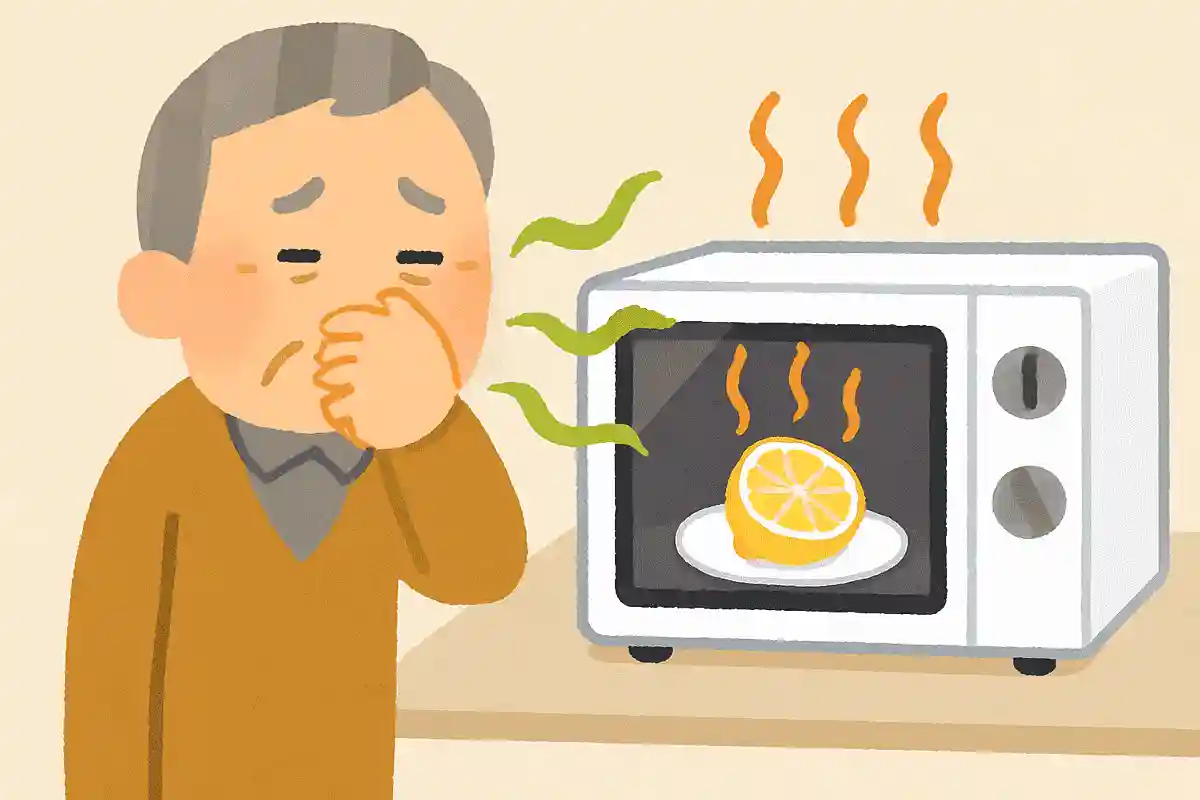
One home appliance that everyone uses is the microwave.
It’s a very convenient item, but since we put food in it, there’s the downside that it tends to get smelly.
We try cleaning it to get rid of the odor, but it can be hard to remove.
There’s a handy method to know for times like that.
Believe it or not, simply heating used tea leaves will eliminate the smell.
This works because of the catechins contained in tea.
By the way, if you leave the microwave closed for a few minutes after heating, it becomes even easier to remove the odor.

From the late 1950s to the 1960s in the Showa era, a certain indoor sport became extremely popular. What sport was it?

The sport in question—many older people might say they used to play it often, especially with the recent boom—what could it be? Here are some hints: it’s a sport that uses a heavy ball, and you throw that ball toward a specific target.
The answer is bowling! At the time, there were over 3,500 bowling alleys nationwide, and many people owned their own shoes and balls.
Numerous star players emerged as well, such as Kayoko Suda and Ritsuko Nakayama.
[For Seniors] Fun and Informative! Introducing Trivia and Quizzes (81–90)
One high-end ingredient that represents autumn in Japan is described as having a “smell trapped in leather shoes,” and it isn’t commonly eaten in the West. What is this luxury ingredient?
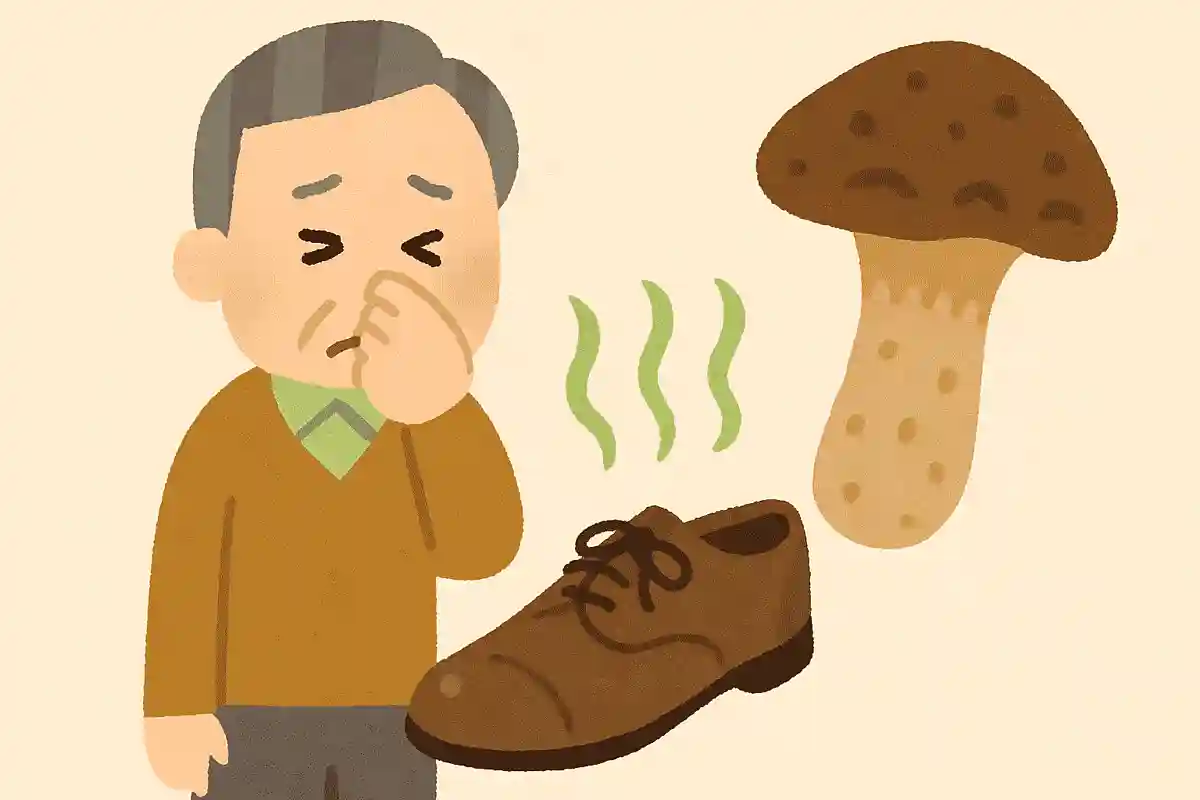
As autumn is known for whetting the appetite, many delicious foods that boost our cravings come into season.
Starting with rice, there are also Pacific saury, sweet potatoes, chestnuts, pears, and grapes, but the true king of autumn flavors is undoubtedly matsutake mushrooms.
As a luxury ingredient, matsutake aren’t something we can easily enjoy every day, and their greatest allure lies in their uniquely sweet aroma.
This fragrance is said to stimulate the appetite and have a calming effect, and in recent years, it has reportedly been found to be potentially effective in helping prevent cancer.
Why is it that we don’t eat eel raw?
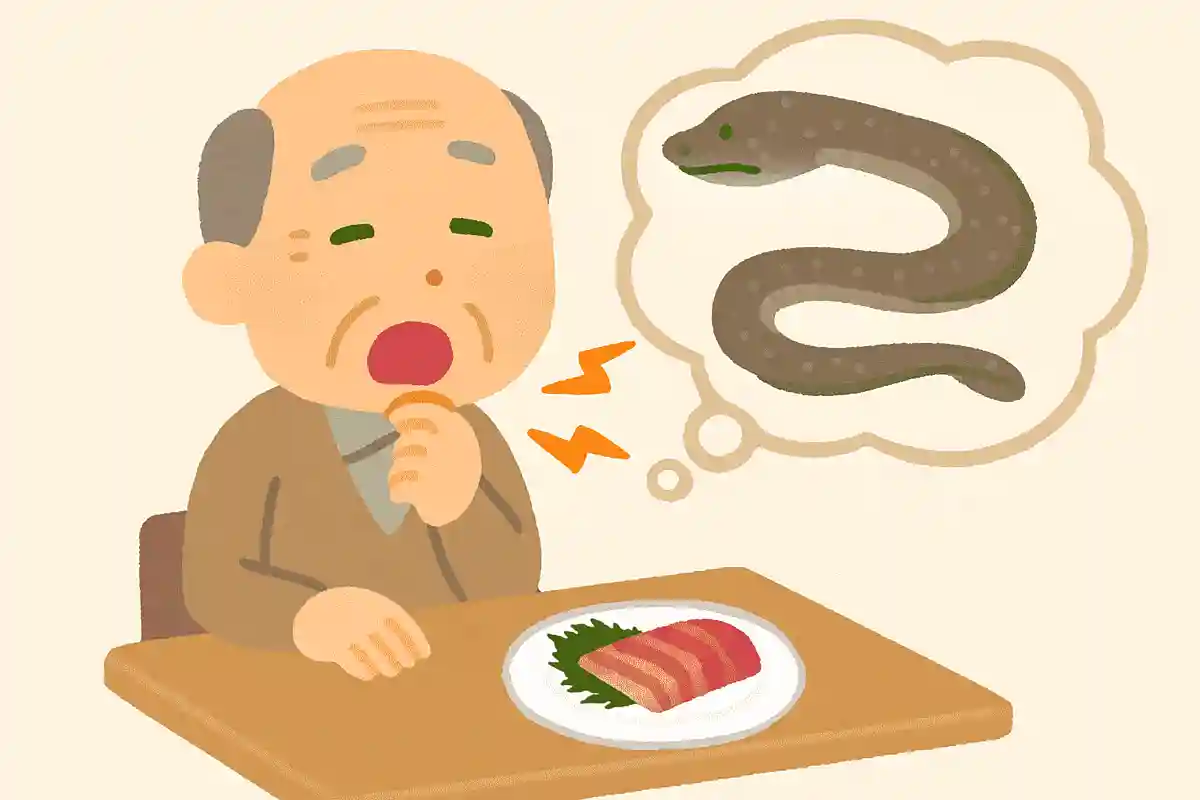
Eel has long been loved by the Japanese.
Dishes like unajū (eel over rice) and grilled kabayaki come to mind as delicious favorites.
However, you’ve probably never seen eel eaten raw.
Do you know why? It’s because eel blood is toxic, but the toxin is neutralized by heat.
As a guideline, heating at 60°C for 5 minutes makes it safe.
In recent years, processing techniques have advanced, making it easier to enjoy sashimi-style eel as well.
Take this opportunity to give it a try.
What is the plant that is said to be essential for Obon and whose shape resembles a Bon lantern?
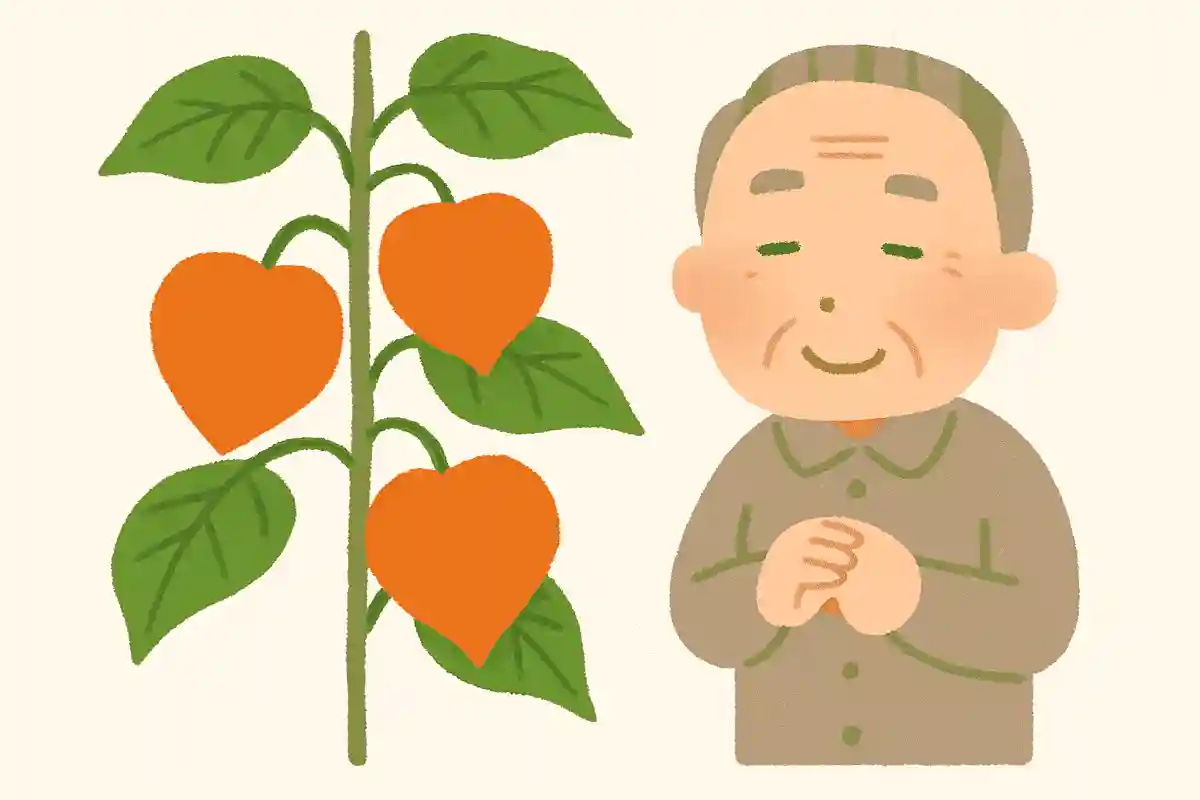
What is the plant said to be inseparable from Obon and whose shape resembles a Bon lantern? The answer is “hōzuki” (Chinese lantern plant).
Its distinctive look—fruit encased in a soft calyx—is quite striking.
The red or orange color of the calyx and fruit also evokes the light of a lantern, and their gentle hues can even feel a bit eerie.
Beyond being a symbol of Obon, it is also associated with traditional medicinal uses, and its unique colors and shape have long imparted a sense of mystery in historical accounts.

The shelf used to display ancestral tablets and offerings during Obon is called a “bon-dana.” What is its other name?
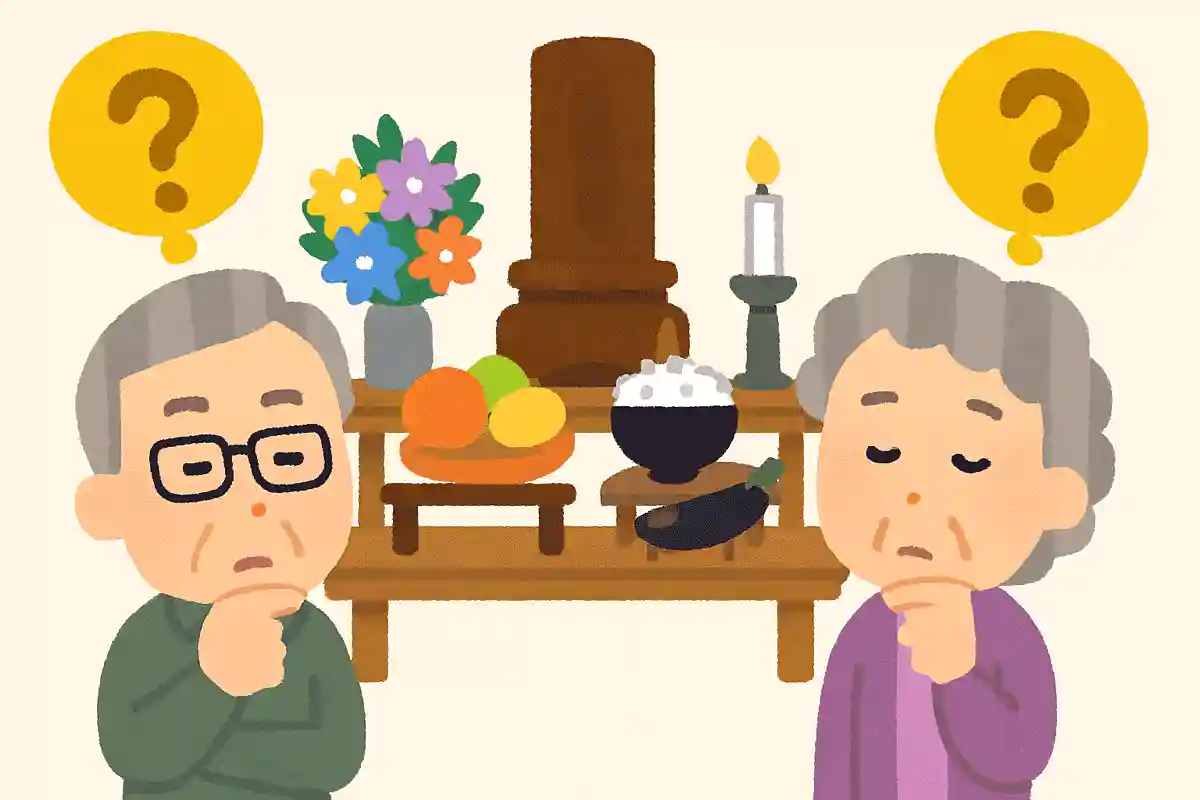
Obon is a time when we welcome and honor our ancestors, and one of its distinctive features is the various decorations, beginning with the offerings.
The shelf used to display these indispensable Obon offerings is called a “bon-dana,” but what else is it called? The answer is “shōryō-dana.” Since many Obon-related decorations and events include the word “shōryō” (spirit), this name is easy to picture.
From this, you can also sense that ancestors are referred to as “shōryō,” which may deepen the feeling that they are sacred.