

[For Seniors] Fun and Informative! Trivia and Quizzes Introduced


Have you ever found it hard to keep a conversation going with an older adult, or wondered what to talk about?
At times like that, why not incorporate some fun trivia into your communication?
It can liven up the conversation, help you learn things you didn’t know before, and make for an enjoyable time together.
There’s trivia that feels familiar to older adults, as well as tidbits with surprising answers.
Trivia quizzes are also great as ideas for recreational activities.
They can be done while seated and are suitable for all genders, so many people can enjoy them.
Quizzes stimulate the brain and can help prevent dementia or slow its progression.
Try incorporating trivia quizzes while having fun!
- [For Seniors] Fun and Informative! Health Trivia Quiz
- [For Seniors] Trivia Multiple-Choice Quiz
- [For Seniors] Laugh-Out-Loud, Crowd-Pleasing! Fun Quiz
- [For Seniors] Fun and Informative Trivia Quiz Collection
- [For Seniors] Lively two-choice trivia quiz. Handy to know and tidbits you'll want to share with others
- [For Seniors] Guaranteed to Liven Things Up! A Collection of Brain Training Activities That Will Spark Laughter
- [For Seniors] Fun and Lively! Recommended Quiz Questions
- [Brain Training] Lively Word Quiz for Seniors
- [For Seniors] Boost Your Knowledge! Fun Trivia Quiz
- [For Seniors] Introducing Trivia Quizzes and Fun Facts About December
- [For Seniors] Sports Trivia Quiz & Fun Facts. Easy and Entertaining
- [For Seniors] Surprising Facts! Multiple-Choice Trivia Quiz (4 Options)
- [For Seniors] Liven Things Up! 3-Choice Ranking Quiz
[For Seniors] Fun and Informative! Introducing Trivia and Quizzes (21–30)
What was the event called in which artworks on sports themes competed for rankings, which once used to be an Olympic discipline?
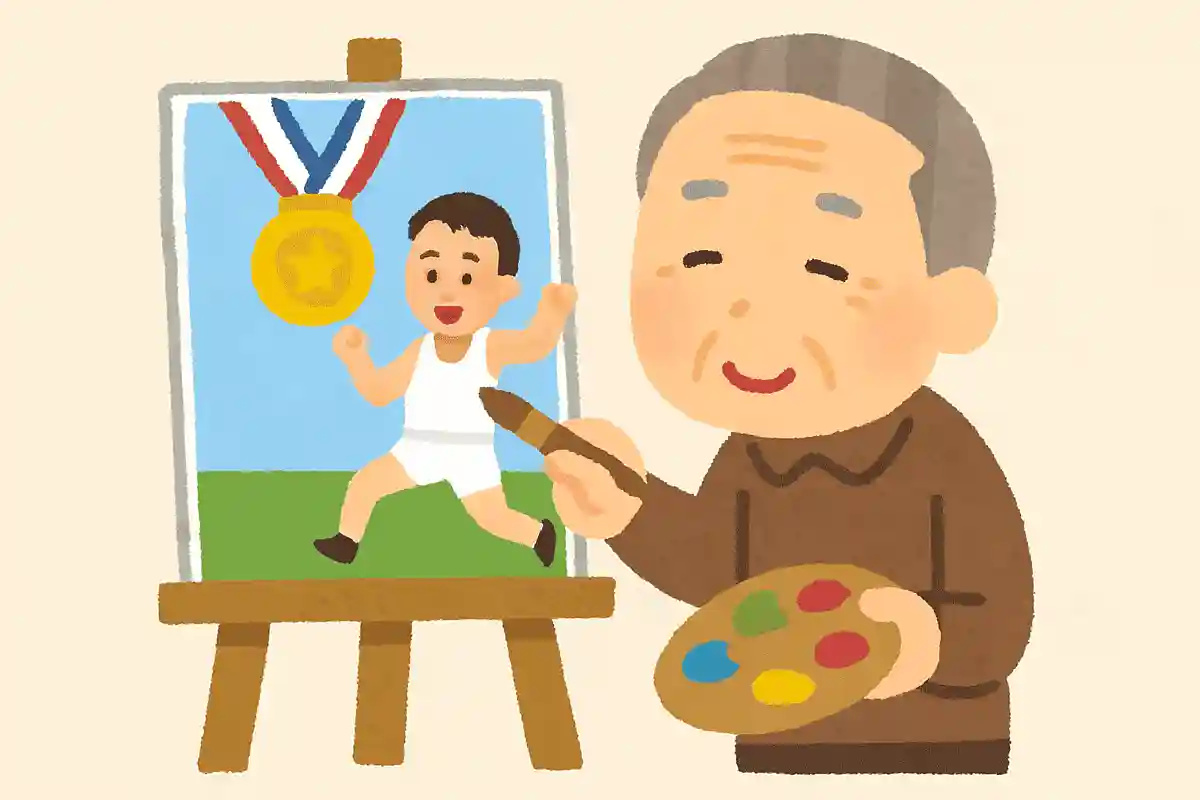
Although it is no longer an official event because preserving the quality of artworks and establishing objective scoring criteria are difficult, there used to be competitions in past modern Olympics in which artworks were ranked.
They were called “art competitions.” Japanese participants also took part in the Los Angeles and Berlin Olympics.
Starting with the Helsinki Olympics, instead of a competition, art exhibitions have been included as part of the cultural program, as stipulated by the Olympic Charter.

What do you call an athlete who has competed in the Olympics?
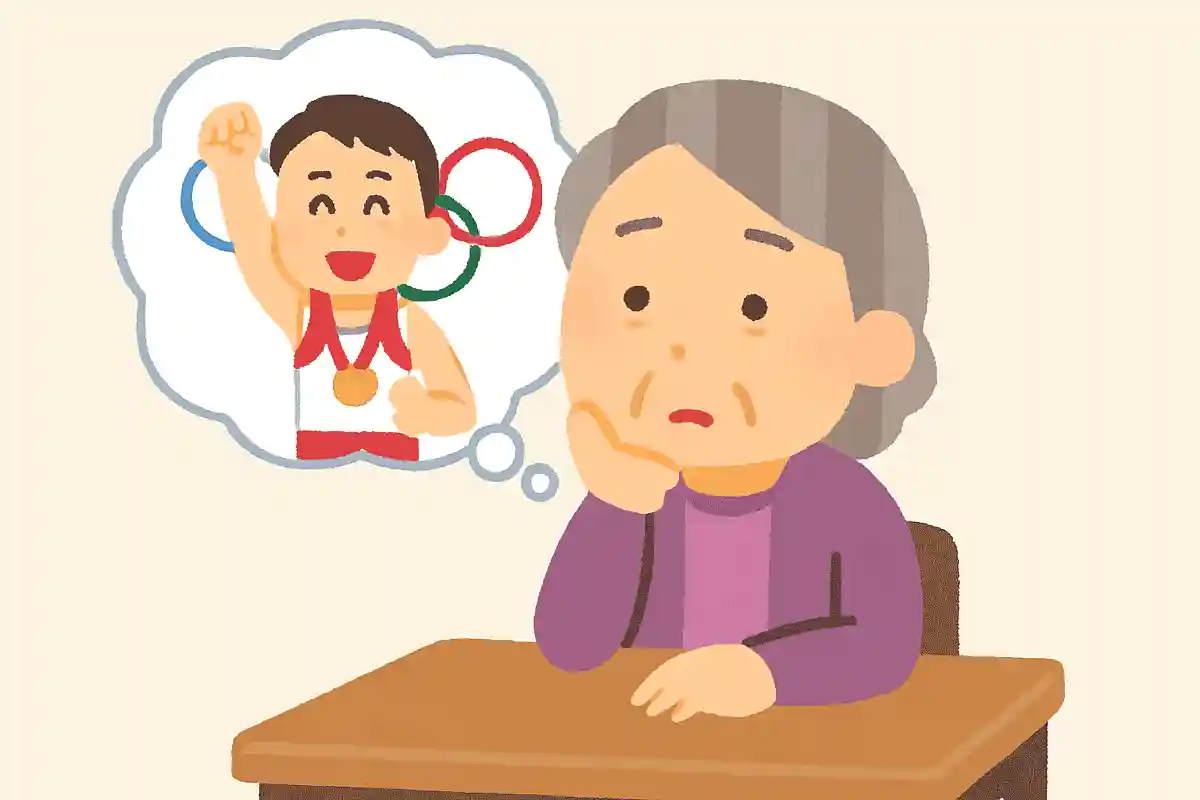
Athletes who have competed in the Olympics are called “Olympians.” The word “Olympian” originally referred to residents of Olympia, the Greek city known as the site of the ancient Olympic Games, but today it is commonly used to refer to Olympic athletes.
The term “Olympian” is also said to evoke the gods of Greek mythology and carry the sense of being “majestic and imposing.” That meaning perfectly overlaps with the image of Olympians who take on the challenge of competition while carrying their nation on their shoulders.
Which country leads the parade of nations at the Olympic opening ceremony?
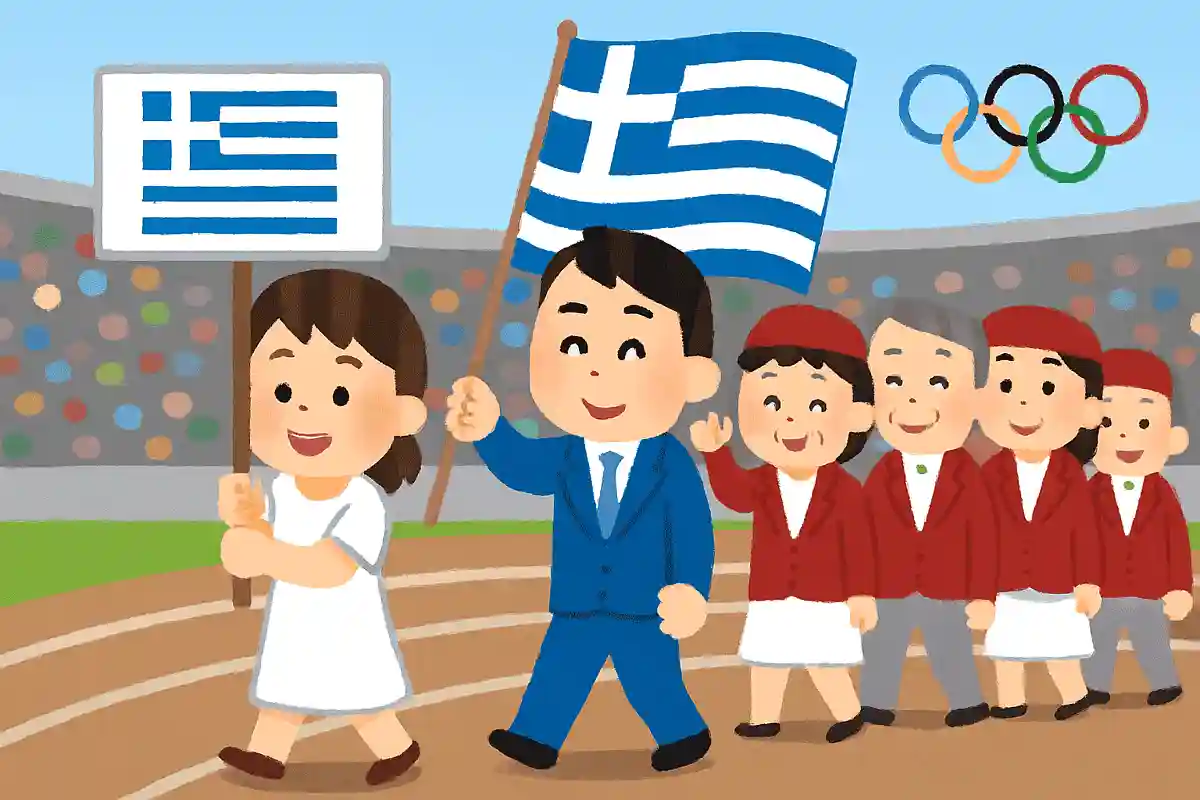
As for the order of the opening parade, it has actually changed over time.
In fact, even in Japan, the 1964, 1972, and 1998 Games used the alphabetical order, but in 2021 it switched to the Japanese syllabary order.
However, despite such changes, the country that enters first has remained the same.
The correct answer is Greece, because it is the birthplace of the modern Olympics.
In recent years, the country hosting the next Olympics is also often placed near the end.
Which country marches last in the Olympic Parade of Nations?
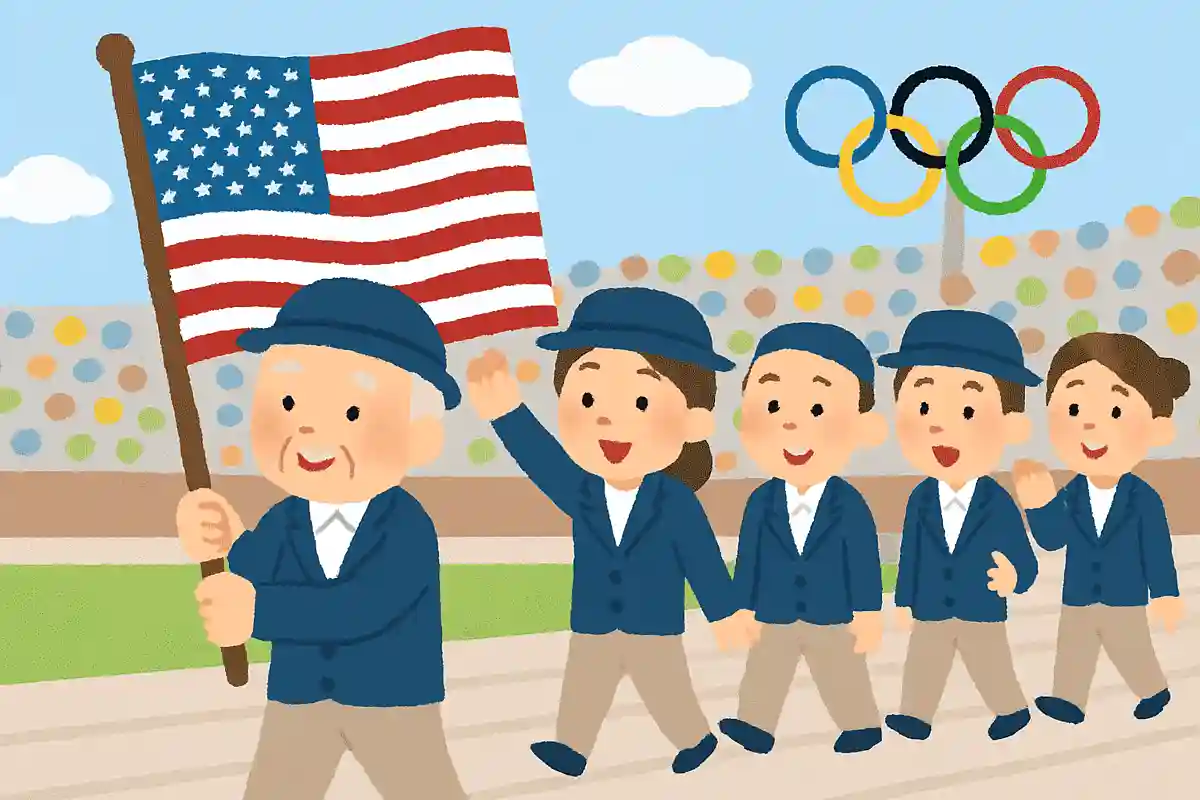
Some of you may be curious about how the order of the Olympic parade of nations is determined.
In recent years, the order has generally followed the host country’s language, but since it used to be based on the Latin alphabet, it could change again in the future.
However, there are fixed rules for the first and last countries to enter.
The first to enter is the country considered the birthplace of the modern Olympics.
And the last to enter, which is the answer to this question, is the host nation.
At the Tokyo Olympics held in 2021, Japan, as the host country, marched in last.
What bird always appears at the Olympic opening ceremony?
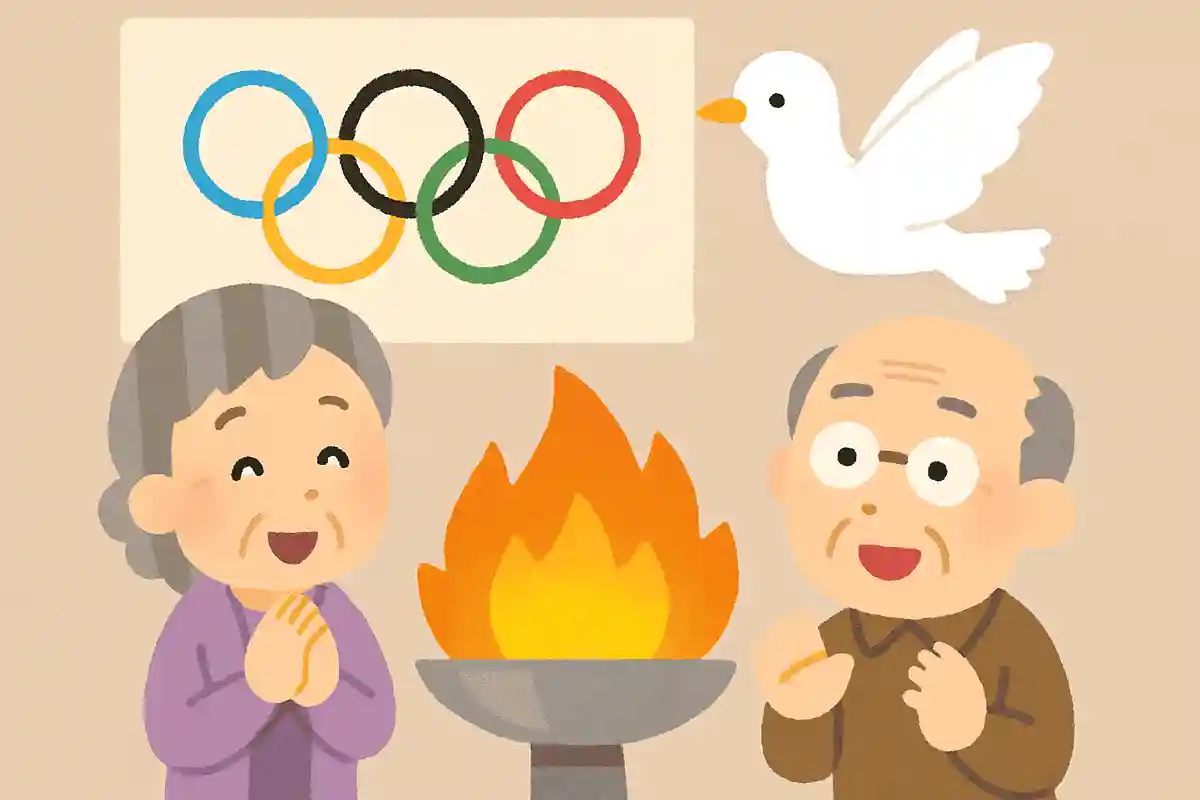
This is an issue that ties into the staging specified in the Olympic Charter.
The answer is “doves.” As many of you know, doves are recognized as a symbol of peace, and at the Olympic Opening Ceremony, doves were always released after the lighting of the Olympic flame.
However, due to a tragic accident at the 1988 Seoul Olympics, real doves no longer appear in the staging today.
That doesn’t mean doves have disappeared from the Olympics altogether—each country incorporates doves into their staging in different ways, so please keep an eye out for them.
All western lowland gorillas have the same blood type. Which type is it?
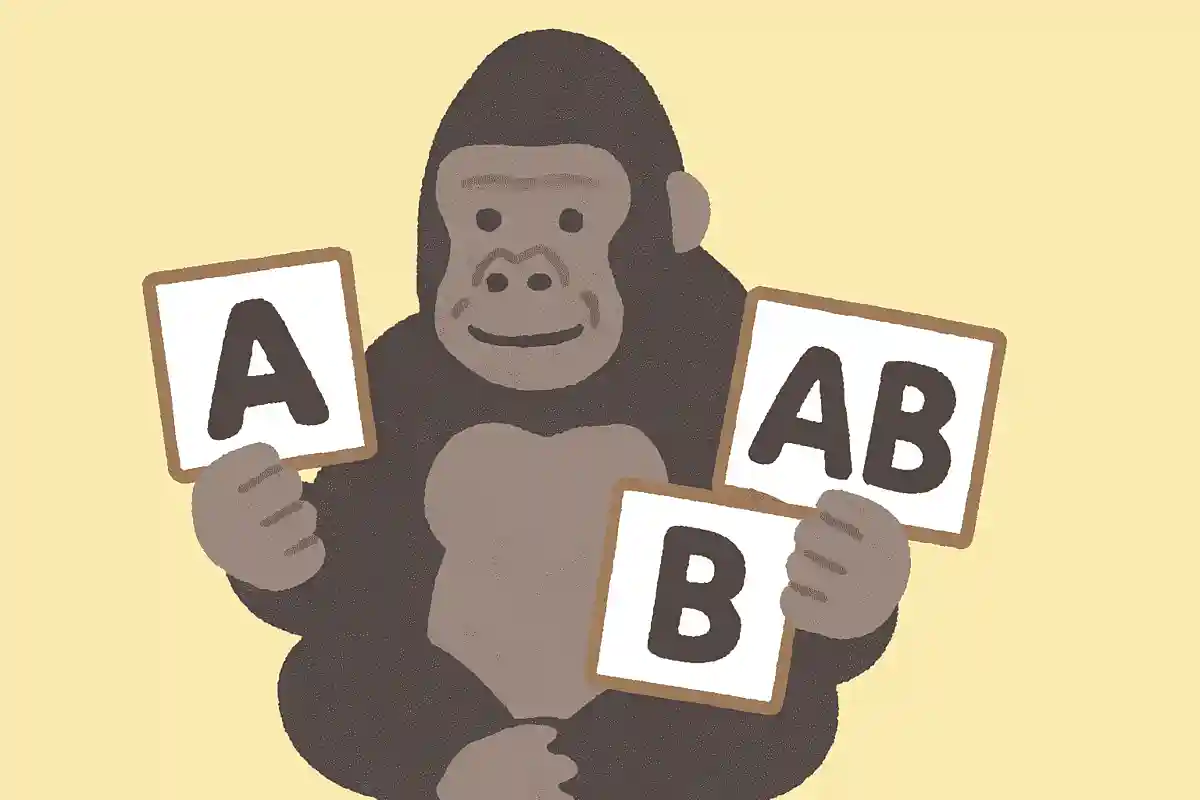
Including animal topics in conversations with older adults is highly recommended.
Talking about animals and blood types can be a real hit.
Did you know that all wild western lowland gorillas share the same blood type? It’s said that they are almost all type B.
Males are reported to weigh between 140 kg and 180 kg, and females around 100 kg.
Although they look like powerful animals, they are gentle and love vegetables and fruits.
Depending on the location, you might be able to see them at a zoo.

Who is the only Japanese deity among the Seven Lucky Gods?
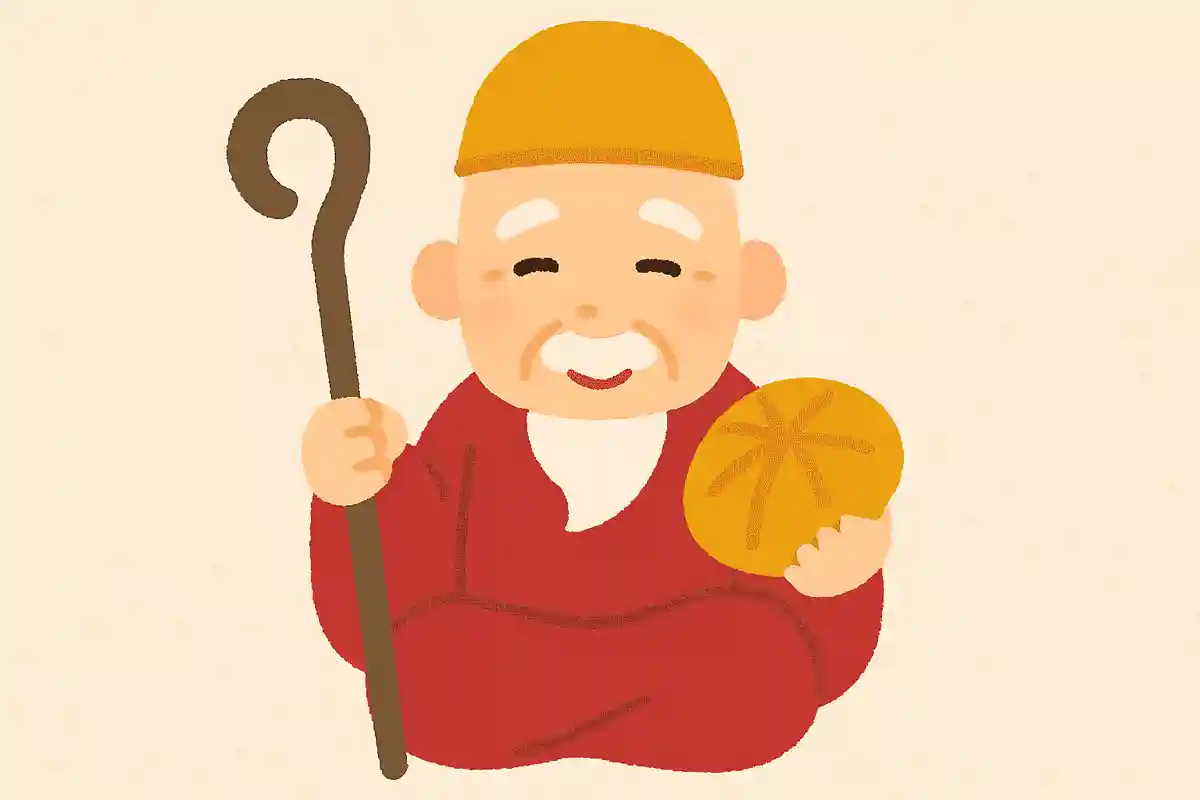
The Seven Lucky Gods are revered as deities of fortune.
They are a collective term for seven gods: Ebisu, Daikokuten, Fukurokuju, Bishamonten, Hotei, Jurōjin, and Benzaiten.
But which one is the only Japanese god among them? The answer is Ebisu.
Worshiped as the god of fishing, prosperous business, and bountiful harvests, Ebisu is said to be the third child of the deities Izanami and Izanagi.
Incidentally, Daikokuten and Benzaiten have roots in Hinduism; Bishamonten comes from ancient India; and Fukurokuju, Jurōjin, and Hotei are of Chinese origin—surprisingly global, isn’t it?
