

[For Seniors] Fun and Informative Trivia Quiz Collection

There may be older adults who are spending monotonous days.
So this time, we’ll introduce some useful trivia quizzes that will make you think, “I see!”
You can use them as brain training by asking the questions, and they’re also fun to bring up in casual conversations with seniors.
Because they spark interest easily, they’re likely to be a hit as a recreational activity, too!
With trivia quizzes, you can hear the answers and gain new knowledge.
People often feel like sharing the trivia they’ve learned with others, which can naturally encourage communication.
- [For Seniors] Fun and Informative! Health Trivia Quiz
- [For Seniors] Laugh-Out-Loud, Crowd-Pleasing! Fun Quiz
- [For Seniors] Fun and Informative! Trivia and Quizzes Introduced
- [For Seniors] Trivia Multiple-Choice Quiz
- [For Seniors] Boost Your Knowledge! Fun Trivia Quiz
- [For Seniors] Today’s recommended quiz. Daily brain-training quiz!
- [For Seniors] Brain Training! Recall Quiz Collection!
- [For Seniors] Fun! Let’s Get Excited with Japan’s Number One Quiz
- [For Seniors] January Trivia Quiz & Fun Facts. Brain training with quizzes about New Year and winter.
- [For Seniors] Liven Things Up! 3-Choice Ranking Quiz
- [Brain Training] Lively Word Quiz for Seniors
- [For Seniors] Surprising Facts! Multiple-Choice Trivia Quiz (4 Options)
- [For Seniors] Fun and Educational True-or-False Quiz
[For Seniors] Fun and Educational Trivia Quiz Collection (61–70)
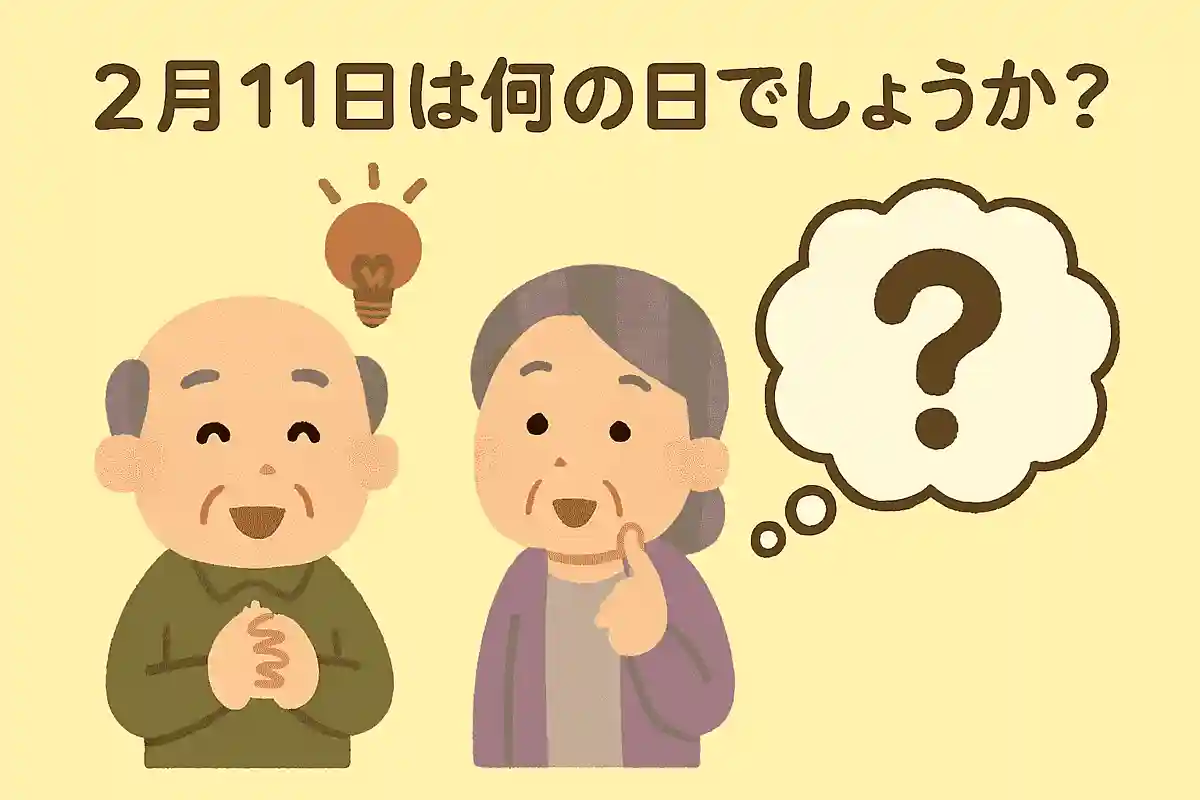
What day is February 11?
- Labor Thanksgiving Day
- National Foundation Day
See the answer
National Foundation Day
Labor Thanksgiving Day is on November 23. Japan’s exact founding date is unclear, but February 11 is the day when Emperor Jimmu, the first emperor, is said to have acceded to the throne; it was established in 1967 (Showa 42) and designated as a national holiday.

What is the fire called that is burned when sending ancestors back on August 16?
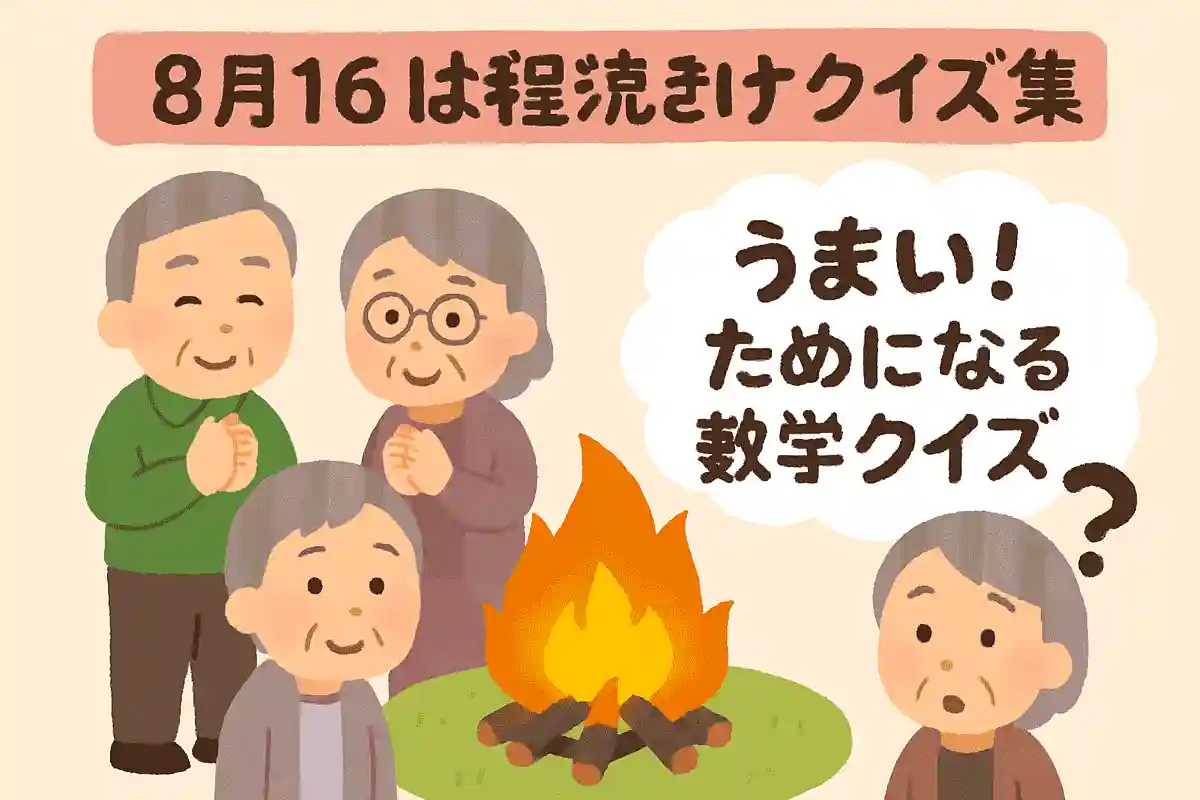
During Obon, there is a custom of burning ogara (hemp stalks).
On the first day, August 13, they are burned as a guide for the ancestors.
This is called mukaebi, or “welcoming fire.” Do you know what the fire burned on August 16, at the end of Obon, to send the ancestors back is called? The answer is okuribi, or “sending-off fire.” It may feel a little sad—after all, they’ve just come back—but let’s see them off properly.
The time for lighting the sending-off fire varies by region, but it is generally done in the evening.

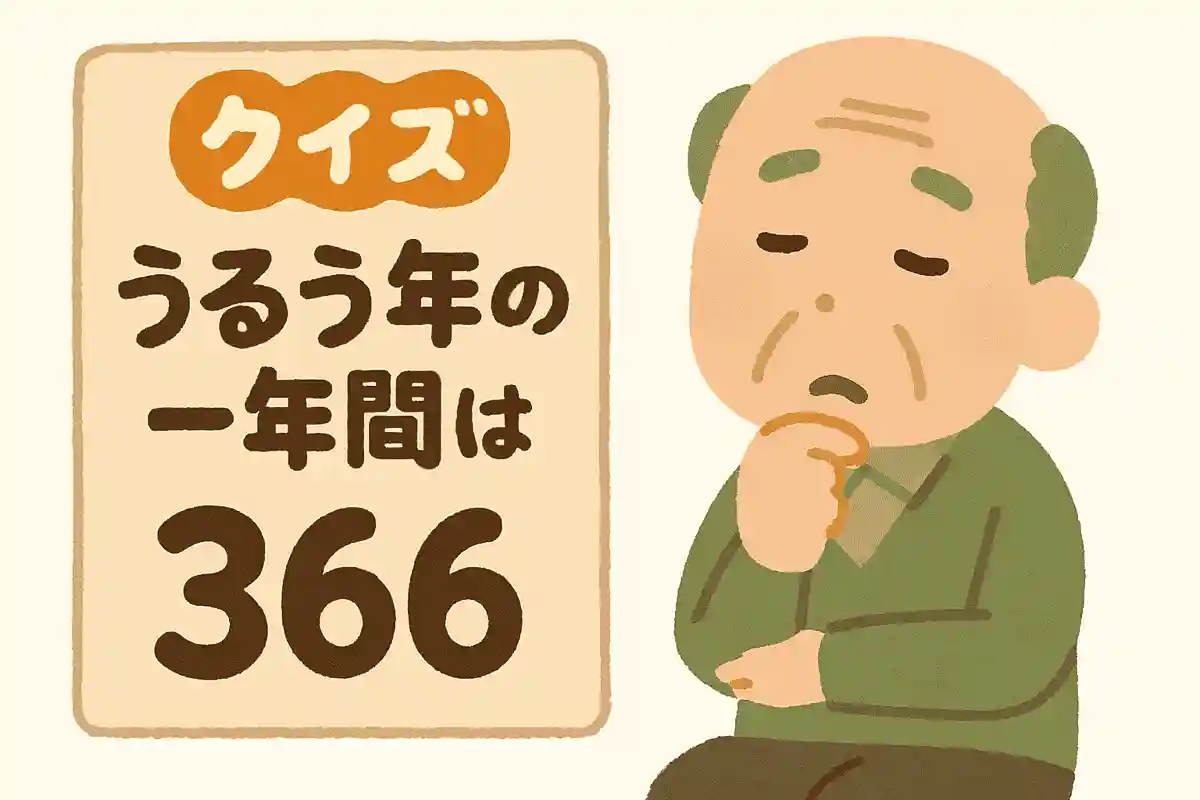
How many days are there in a leap year?
- 366 days
- 364 days
See the answer
366 days
A leap year comes around once every four years. In an ordinary year, February ends on the 28th, but only in a leap year does February 29th exist. Since that year has one extra day, the answer is 366 days. You might be momentarily confused—Which is it?—but if you think about it carefully, it makes sense!
“Bow-wow” represents the sound made by a dog in English. What animal is it?
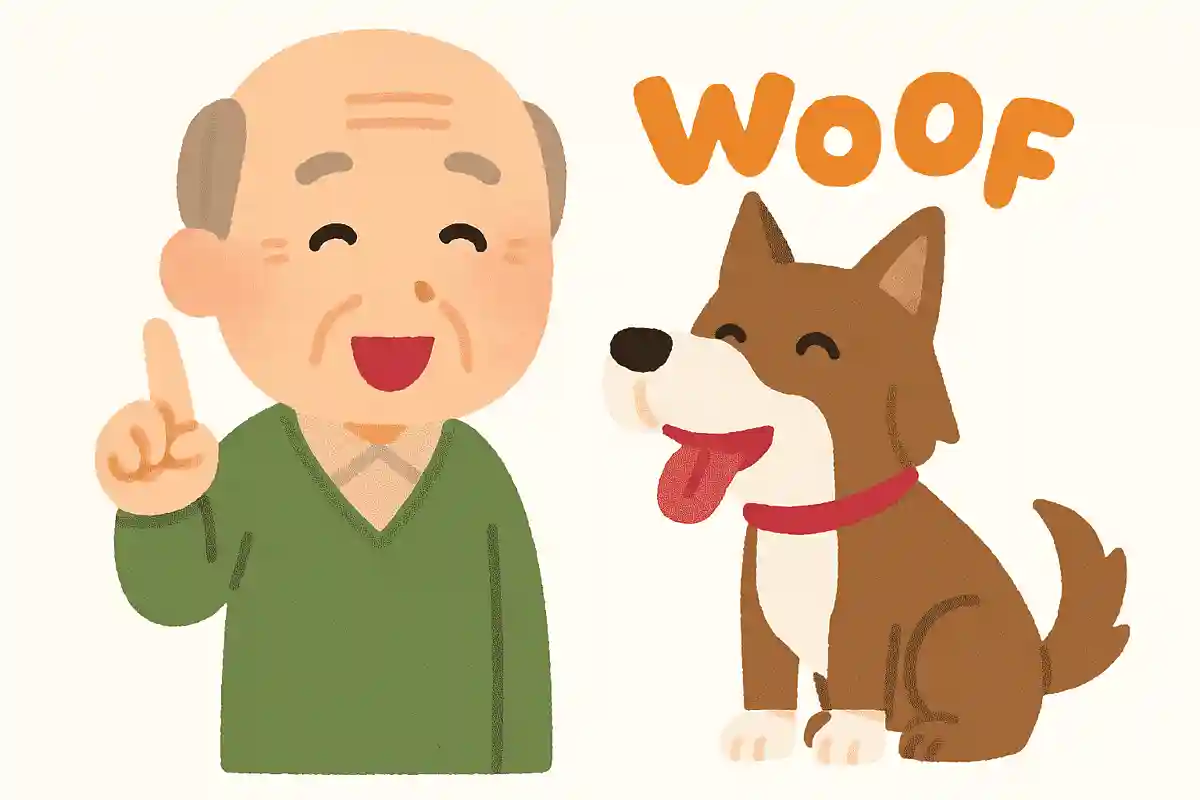
How animals’ sounds are represented varies from country to country.
Among them, which animal is expressed with the sound “bow-wow” in English? Even if you’re not familiar with “bow-wow,” it’s such a classic animal that you’d quickly get the answer just by listing animals one by one.
The answer is “dog.” If you also look into how other animals’ sounds are expressed in English, and how they change in languages other than English, you’ll deepen your knowledge—and it might make for a lively conversation, too.

Persimmons are such a nutritious fruit that there’s a saying: “When persimmons turn red, the doctor turns blue.” What goes in the blank is “doctor.”
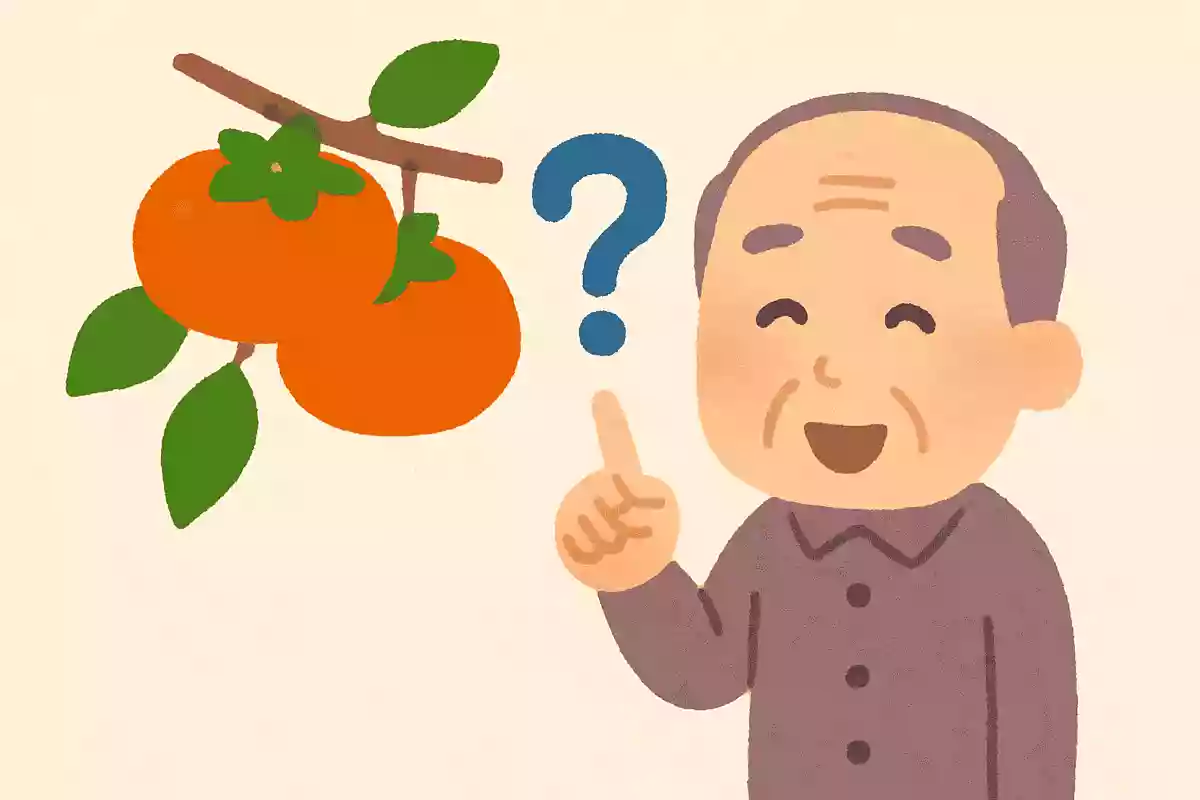
There’s a saying that goes, “When persimmons turn red, what turns blue?” The answer is “doctors.” It means that because persimmons are highly nutritious, eating them keeps people healthy, so doctors lose business and turn pale.
It’s also said that the season when persimmons ripen has pleasant weather, and fewer people fall ill.
Persimmons are rich in vitamin C and also contain carotenoids such as cryptoxanthin and lycopene, which are believed to help prevent colds, boost immunity, improve skin, and even slow aging.

What vegetable was once grown for ornamental purposes because it was considered ‘poisonous’?
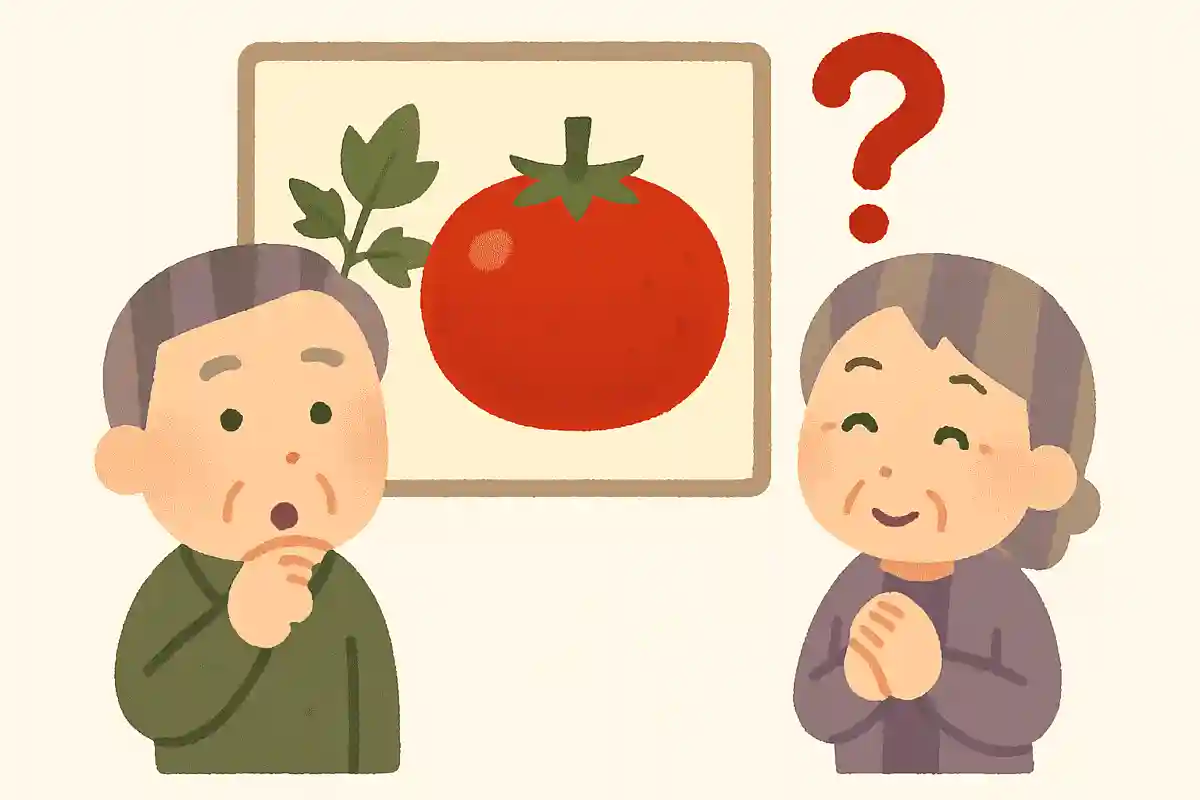
This answer would surprise even older folks! Nowadays, it’s an extremely common food that just about everyone, young and old, has eaten at least once.
Hints include that it’s a vegetable, it can be sweet or sour, and it contains lycopene, which helps improve lifestyle-related health issues and is great for beauty.
The answer is—tomatoes! The issue stemmed from toxins contained in tomatoes, but thanks to selective breeding, those toxic components have been greatly reduced today.
Still, the non-fruit parts like the stems and leaves are dangerous, so please be careful.

From the late 1950s to the 1960s in the Showa era, a certain indoor sport became extremely popular. What sport was it?
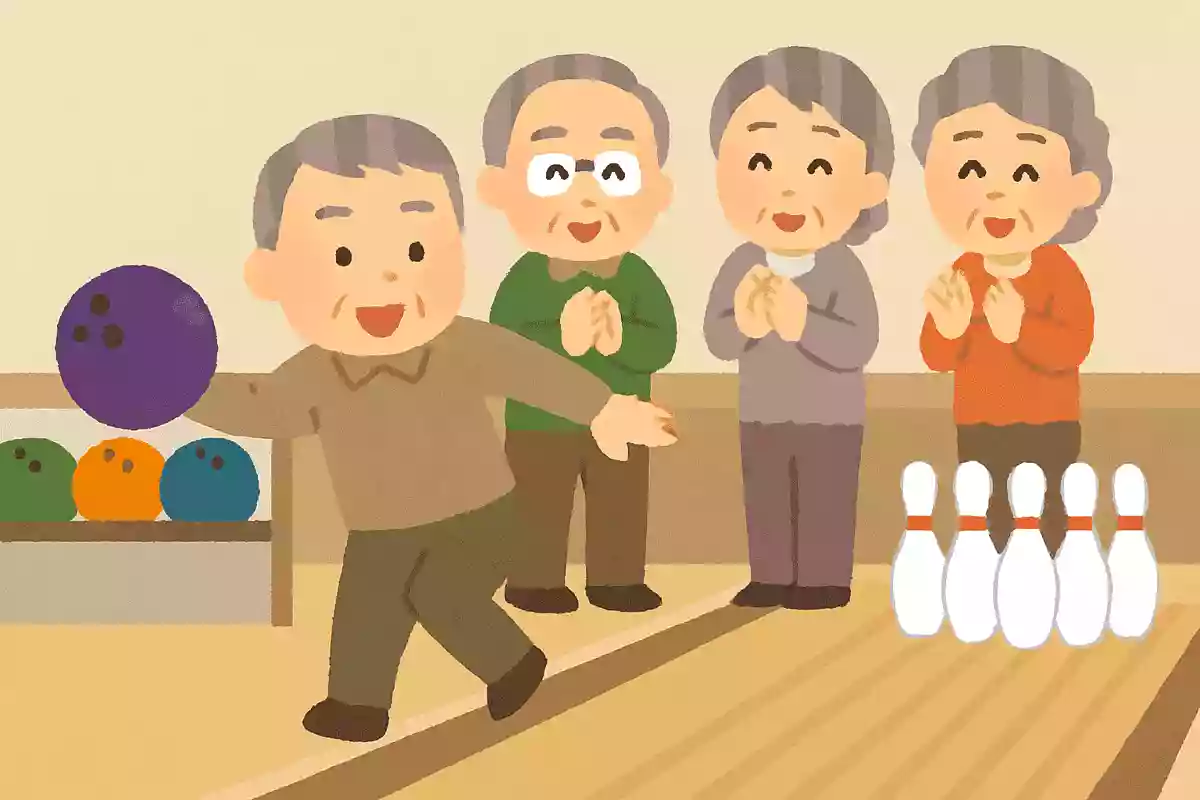
The sport in question—many older people might say they used to play it often, especially with the recent boom—what could it be? Here are some hints: it’s a sport that uses a heavy ball, and you throw that ball toward a specific target.
The answer is bowling! At the time, there were over 3,500 bowling alleys nationwide, and many people owned their own shoes and balls.
Numerous star players emerged as well, such as Kayoko Suda and Ritsuko Nakayama.