

[For Seniors] Fun and Informative Trivia Quiz Collection

There may be older adults who are spending monotonous days.
So this time, we’ll introduce some useful trivia quizzes that will make you think, “I see!”
You can use them as brain training by asking the questions, and they’re also fun to bring up in casual conversations with seniors.
Because they spark interest easily, they’re likely to be a hit as a recreational activity, too!
With trivia quizzes, you can hear the answers and gain new knowledge.
People often feel like sharing the trivia they’ve learned with others, which can naturally encourage communication.
- [For Seniors] Fun and Informative! Health Trivia Quiz
- [For Seniors] Laugh-Out-Loud, Crowd-Pleasing! Fun Quiz
- [For Seniors] Fun and Informative! Trivia and Quizzes Introduced
- [For Seniors] Trivia Multiple-Choice Quiz
- [For Seniors] Boost Your Knowledge! Fun Trivia Quiz
- [For Seniors] Today’s recommended quiz. Daily brain-training quiz!
- [For Seniors] Brain Training! Recall Quiz Collection!
- [For Seniors] Fun! Let’s Get Excited with Japan’s Number One Quiz
- [For Seniors] January Trivia Quiz & Fun Facts. Brain training with quizzes about New Year and winter.
- [For Seniors] Liven Things Up! 3-Choice Ranking Quiz
- [Brain Training] Lively Word Quiz for Seniors
- [For Seniors] Surprising Facts! Multiple-Choice Trivia Quiz (4 Options)
- [For Seniors] Fun and Educational True-or-False Quiz
[For Seniors] Fun and Educational Trivia Quiz Collection (91–100)
If Obon arrives before the 49th day (after the passing), when will the first Obon (shinbon) be?
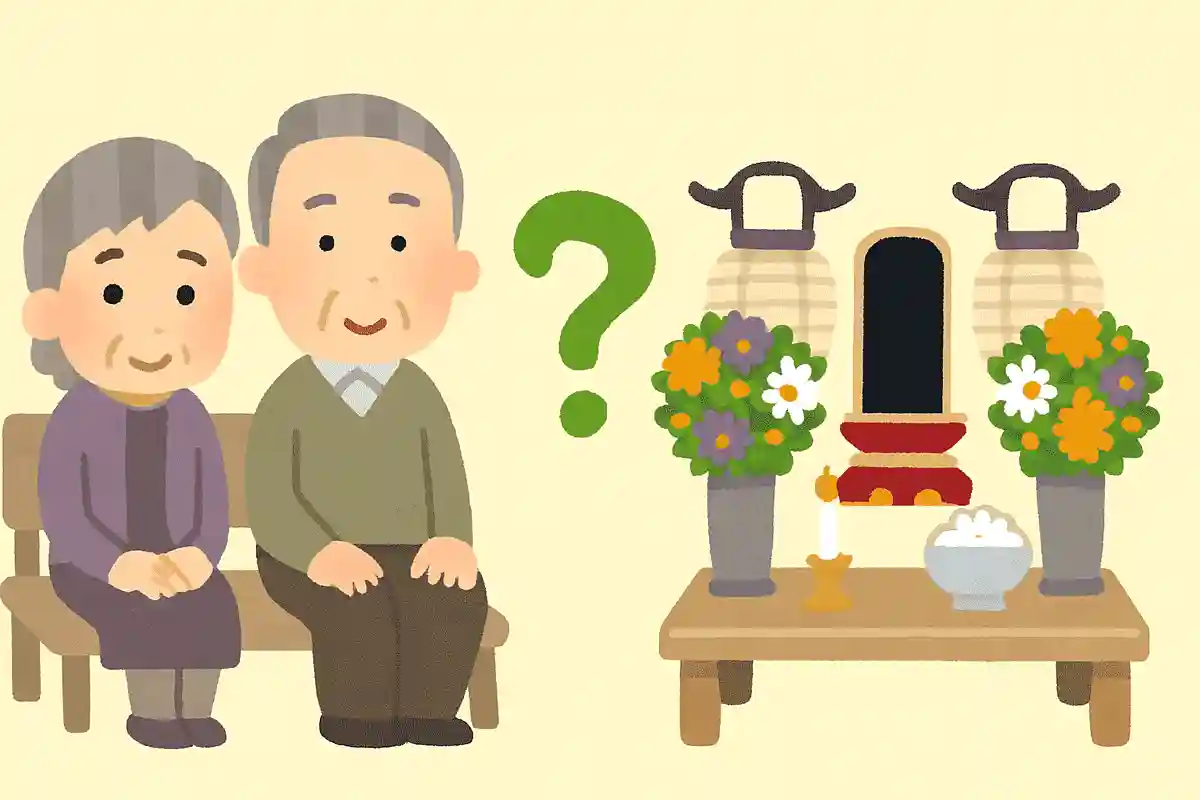
The period from the date of death through the forty-ninth day is called “kicho” (a time of mourning), during which one grieves for the deceased and observes mourning.
If Obon occurs before the forty-ninth day, when this mourning period ends, when is the first Obon (hatsu-bon)? The answer is: during the Obon of the following year after the person’s death.
It is customary not to hold the first-Obon memorial that same year.
If someone brings offerings thinking it is the first Obon, it is generally acceptable to receive the offerings and explain that the first Obon will be held the following year.
This is one of the points of knowledge about Obon, including how to handle such situations.

How many hours before going to bed should you eat dinner?
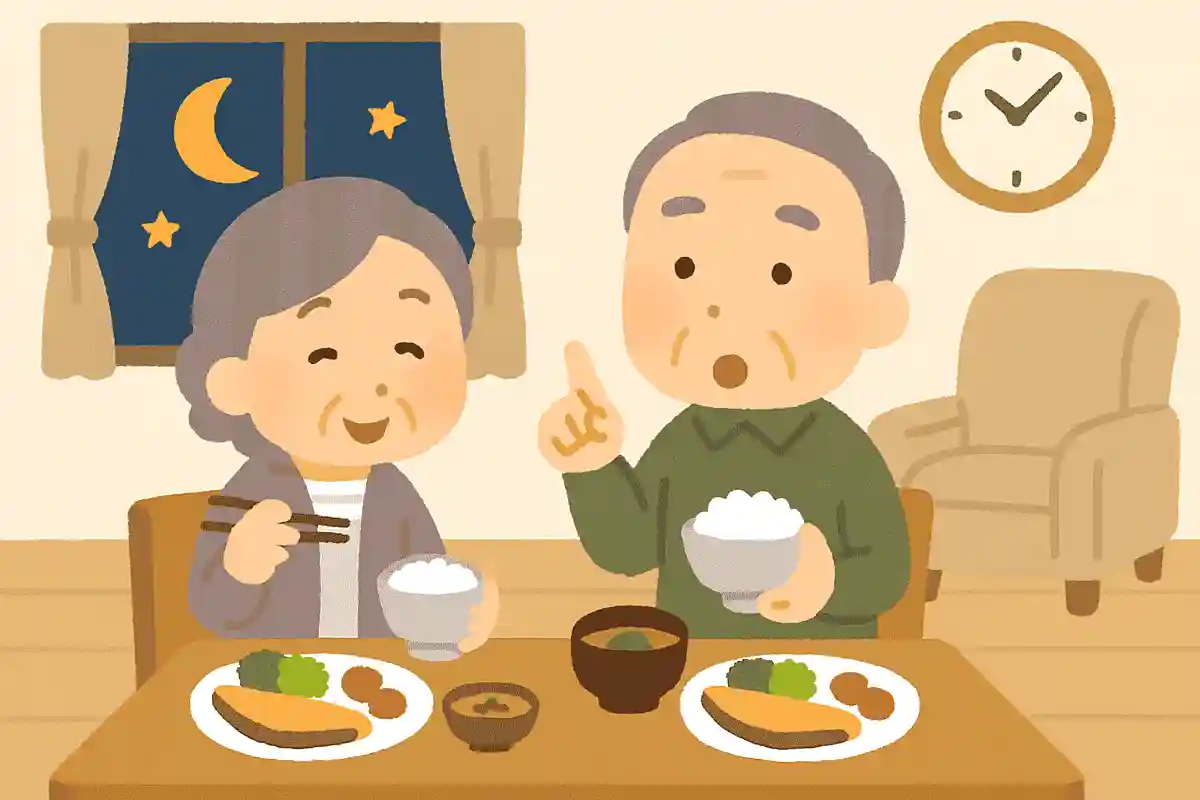
While you may want to lie down right after a delicious dinner, it’s best to wait a bit.
So how long should you wait after dinner? The answer is three hours.
Food takes about two to three hours to digest.
If you go to bed sooner than three hours, it puts a burden on your digestive system as it’s still working, and that activity can also make it harder to fall asleep.
If you have no choice but to eat late, have a small snack in the late afternoon and keep your dinner to about 70% full.

[For Seniors] Fun and Educational Trivia Quiz Collection (101–110)
Which vegetable is not commonly eaten abroad because it is associated with the image of a tree root?
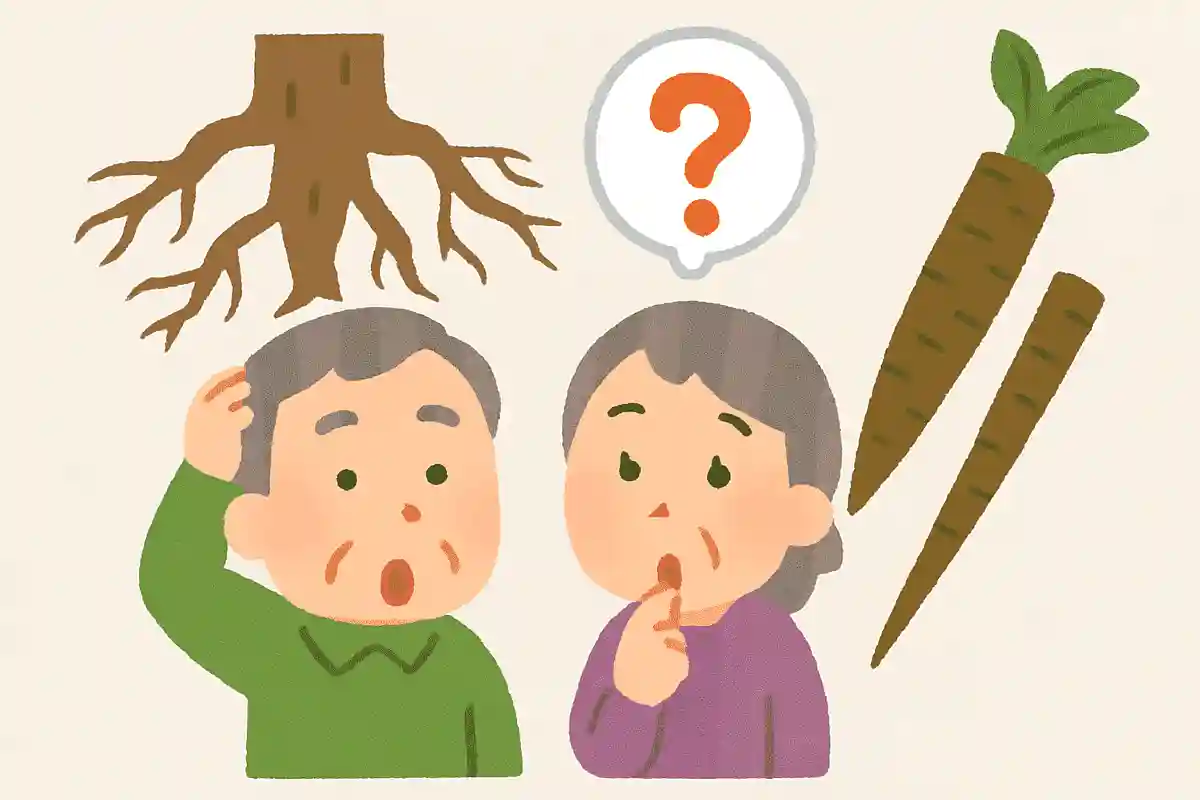
There are many foods that are only eaten in Japan or not particularly liked elsewhere, but what vegetable could “tree roots” be referring to? In Japan, it’s a common ingredient and is often used in cooking.
The phrase “tree roots” reflects the vegetable’s appearance, so that might help you figure it out.
The answer is burdock root (gobo)! Many people overseas find its distinctive smell and astringency off-putting, but gobo is rich in dietary fiber and is very good for your health.
Ichiro, a former professional baseball player who also excelled in the Major Leagues. He has two brothers; is he the older or the younger son?
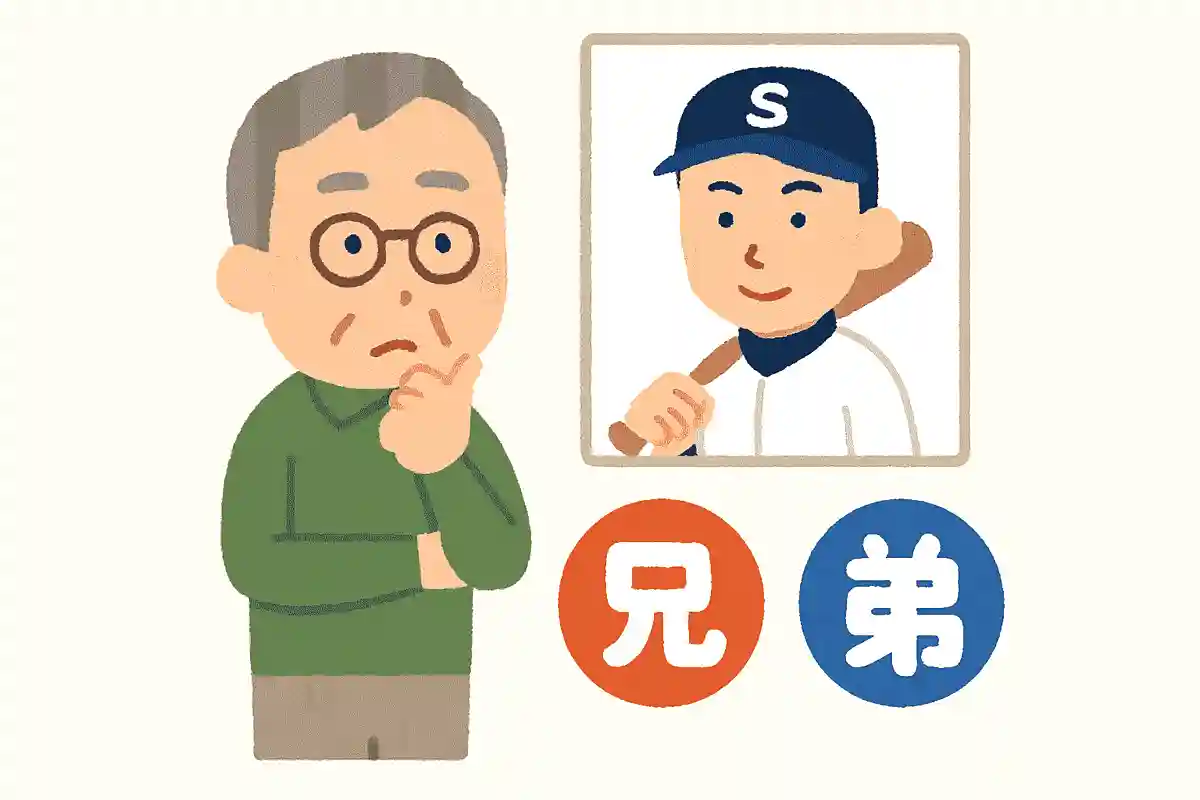
Ichiro Suzuki, known simply as Ichiro, made a tremendous impact not only in Japan but also in Major League Baseball in the United States.
Although he retired in 2019 to much regret, his achievements remain etched in many people’s memories.
Ichiro actually has a sibling, but is he the older or younger brother? From his name, you might think he’s the firstborn, but the answer is that he’s the younger brother! It’s the kind of question many people might get wrong, so it could be fun to pose the same quiz to someone after this.
By the way, his older brother’s name also includes the character for “one” (一).
What are the buttons on the sleeves of school uniforms and suits for?
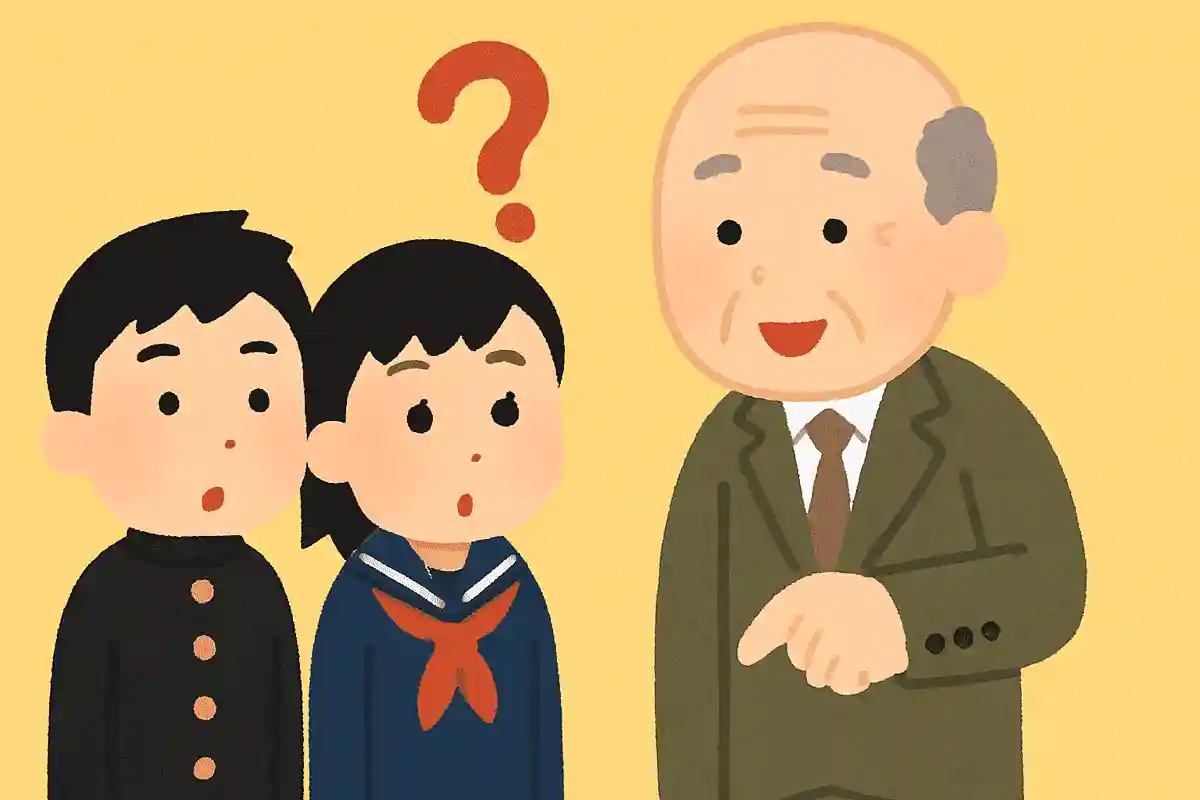
The buttons on the sleeves of jackets, like those on school uniforms and suits, may seem to serve little purpose—but why are they there? The answer is: to keep people from wiping their noses on their sleeves.
One theory says it began during Napoleon’s Russian campaign, when, unable to bear the sight of soldiers shivering in the cold and wiping their noses on their uniform sleeves, buttons were added.
There are also theories that they were meant to make it easier to open the cuffs and roll up the sleeves, or that they serve a purely decorative purpose.
In any case, it’s fun to ponder the history behind them.

If you adjust the way you sleep, it becomes harder for blood clots to form. What position should you sleep in?
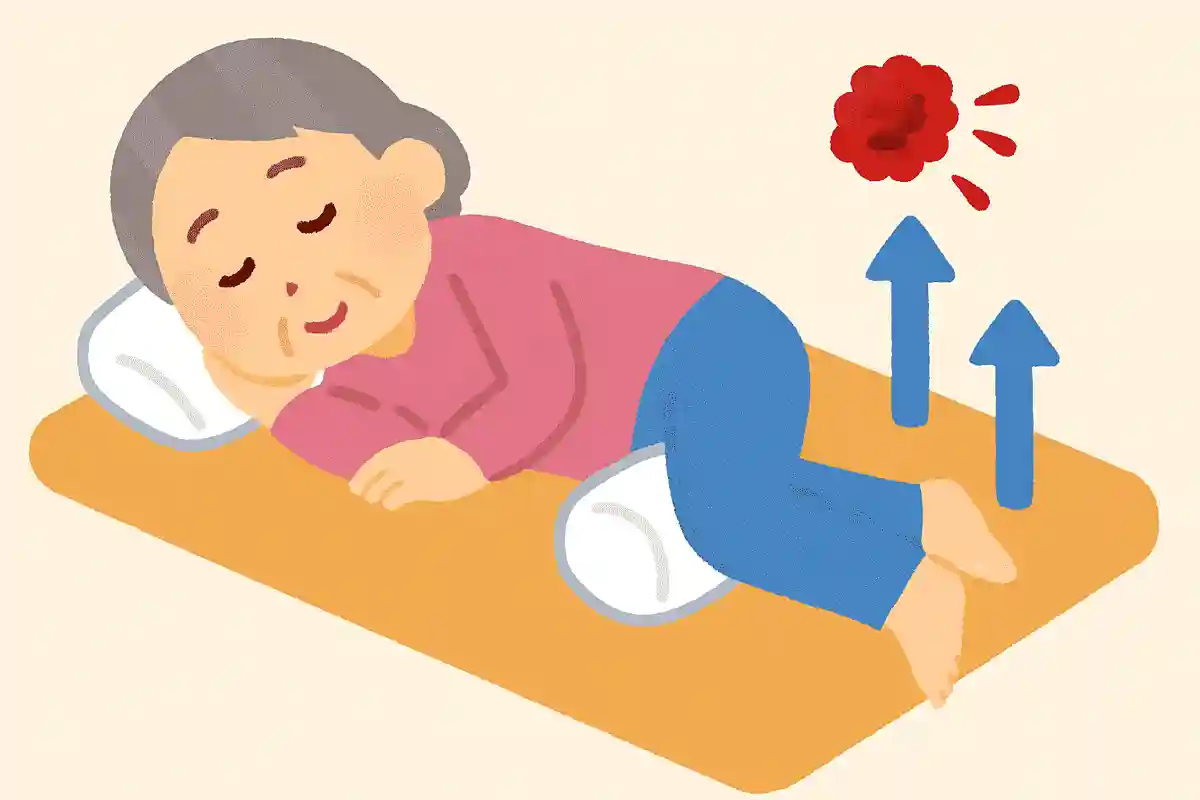
Blood clots that form in the bloodstream can block the vessels that run throughout the body, potentially leading to life-threatening conditions such as heart attacks and strokes.
Older adults tend to have poorer circulation as they age, so they need to be especially careful about blood clots.
If sleeping position can help prevent them even a little, that would be great, right? So, the answer to this quiz is sleeping on your back.
Compared to lying on your side, sleeping flat on your back helps blood circulate smoothly throughout the body, making it the better position.
It also places less strain on the internal organs.
Yamagata Prefecture is famous for its high production of cherries. There is also a cherry-themed competition in Yamagata Prefecture—what kind of competition is it?
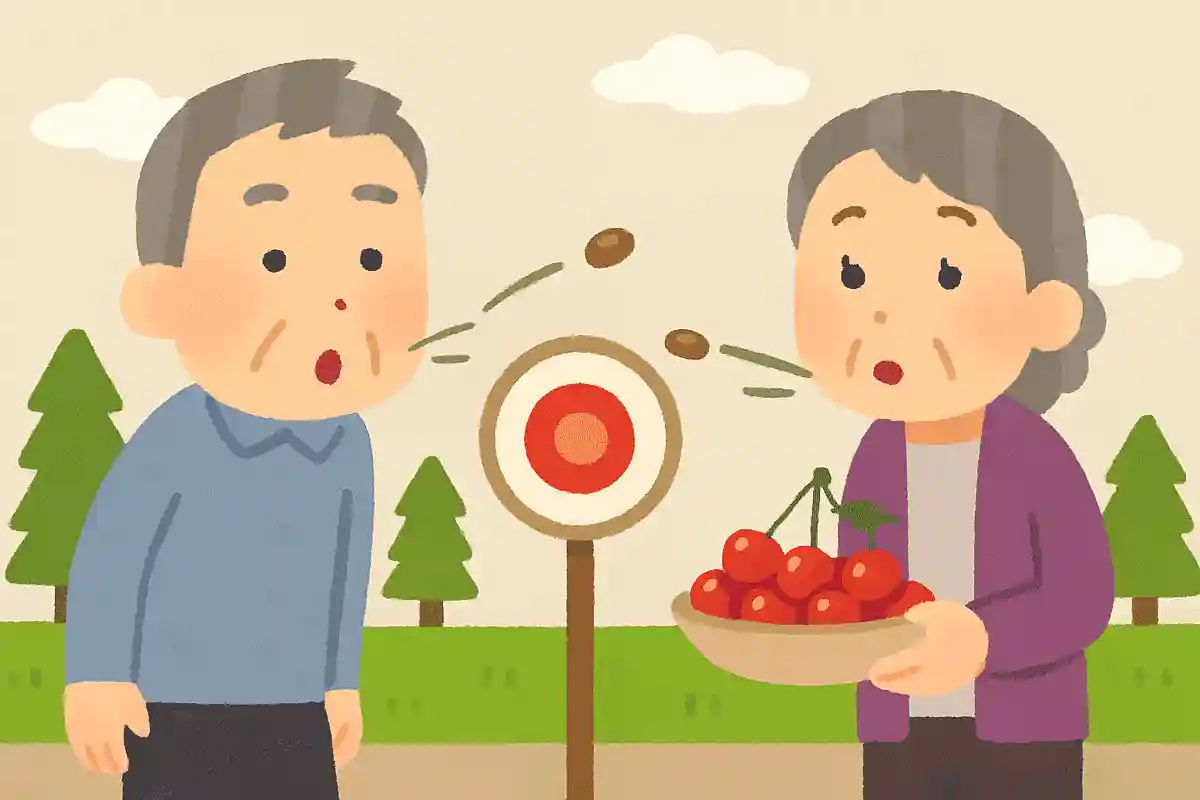
Cherries are a fruit that represents Yamagata Prefecture, and various events are held to promote them.
Among these events, let’s think about those held in a tournament format.
The hint is an action that might seem ill-mannered and is strongly associated with children.
The answer is a cherry pit-spitting contest.
Since it’s a competition conducted under proper rules, it might be interesting to learn about the tournament’s overview as well.