

[For Seniors] Fun and Informative Trivia Quiz Collection

There may be older adults who are spending monotonous days.
So this time, we’ll introduce some useful trivia quizzes that will make you think, “I see!”
You can use them as brain training by asking the questions, and they’re also fun to bring up in casual conversations with seniors.
Because they spark interest easily, they’re likely to be a hit as a recreational activity, too!
With trivia quizzes, you can hear the answers and gain new knowledge.
People often feel like sharing the trivia they’ve learned with others, which can naturally encourage communication.
- [For Seniors] Fun and Informative! Health Trivia Quiz
- [For Seniors] Laugh-Out-Loud, Crowd-Pleasing! Fun Quiz
- [For Seniors] Fun and Informative! Trivia and Quizzes Introduced
- [For Seniors] Trivia Multiple-Choice Quiz
- [For Seniors] Boost Your Knowledge! Fun Trivia Quiz
- [For Seniors] Today’s recommended quiz. Daily brain-training quiz!
- [For Seniors] Brain Training! Recall Quiz Collection!
- [For Seniors] Fun! Let’s Get Excited with Japan’s Number One Quiz
- [For Seniors] January Trivia Quiz & Fun Facts. Brain training with quizzes about New Year and winter.
- [For Seniors] Liven Things Up! 3-Choice Ranking Quiz
- [Brain Training] Lively Word Quiz for Seniors
- [For Seniors] Surprising Facts! Multiple-Choice Trivia Quiz (4 Options)
- [For Seniors] Fun and Educational True-or-False Quiz
[For Seniors] Fun and Educational Trivia Quiz Collection (21–30)
What foods won’t freeze even if you put them in a household freezer?
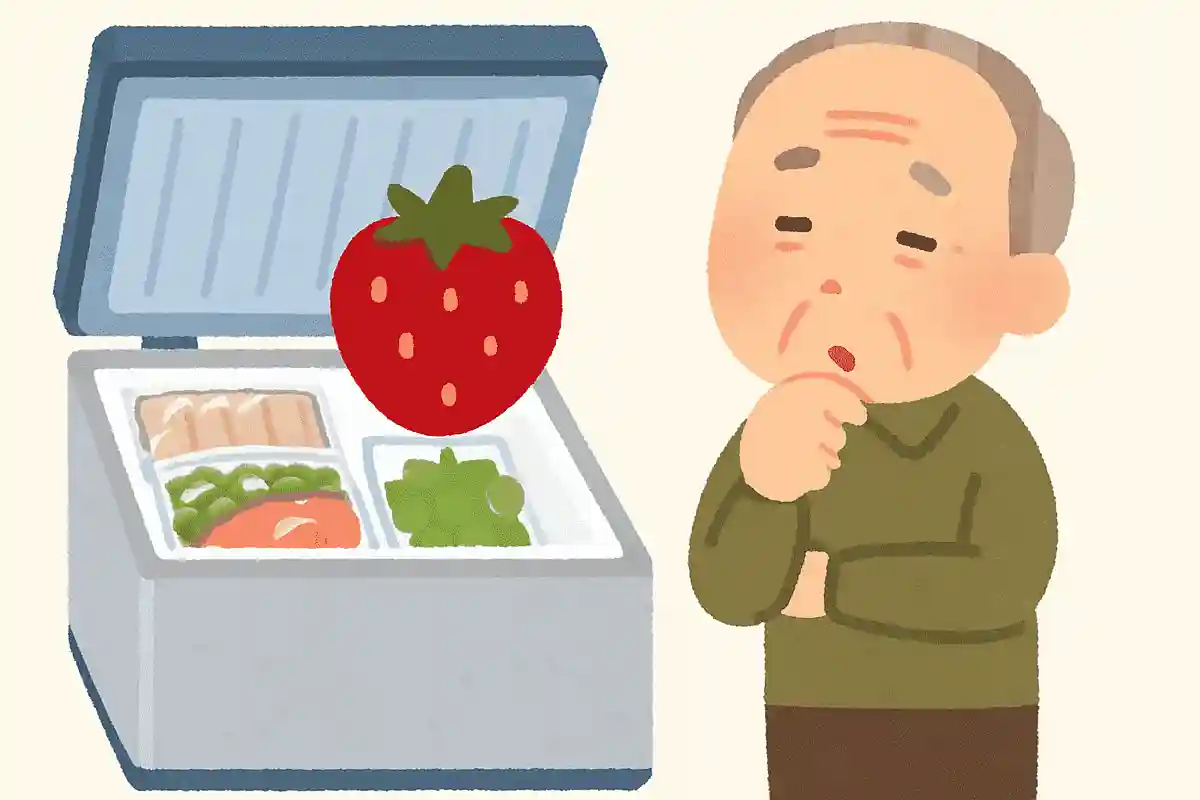
People who work with cooking or are interested in it might know this! Here’s a fun fact: What food won’t freeze even when you put it in a typical household freezer? When we think of a freezer, it’s a device for freezing foods and storing frozen items or ice, right? But it turns out there are things that won’t freeze even in a cold freezer.
The answer is miso.
That’s because miso contains a lot of components other than water, such as salt and sugars.
It’s also said that freezing miso helps prevent changes in its flavor and color.
Who is said to be the first person to have eaten “ramen” in Japan?
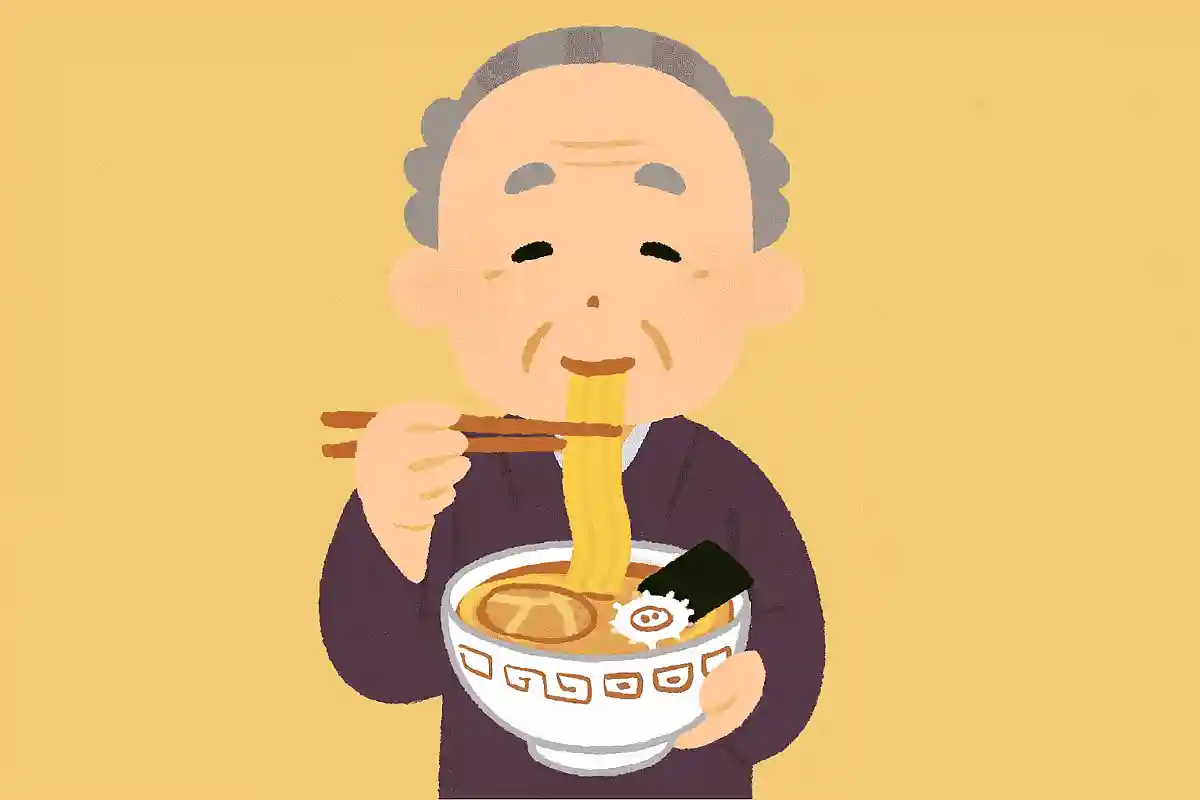
Ramen has now become a Japanese cuisine the world can be proud of.
Restaurants serving ramen have sprung up across the globe, sparking such a major movement that entire ramen streets have even appeared in bustling districts of China and Hong Kong.
But do you know who is said to be the first person in Japan to eat “ramen”? The answer is Tokugawa Mitsukuni, better known as Mito Kōmon.
Interested in Confucianism, Mitsukuni invited Zhu Shunsui—who had fled to Japan after the fall of the Ming dynasty and was staying in Nagasaki—to Edo and treated him to handmade udon.
In return, Zhu Shunsui is said to have served Mitsukuni a Chinese-style noodle dish.

[For Seniors] Fun and Useful Trivia Quiz Collection (31–40)
For what original reason were buttons attached to suit sleeves?

- decoration
- so as not to wipe my nose
- spare button
- To change the width of the cuffs
See the answer
so as not to wipe my nose
The origin of suit sleeve buttons is said to trace back to Napoleon, renowned as a French hero. During France’s invasion of Russia, it’s said that soldiers, suffering from the extreme cold, wiped their runny noses on their jacket sleeves. As a result, when they marched, many soldiers’ sleeves were stiff with dried mucus. A leading theory holds that metal buttons were added to the sleeves to prevent soldiers from wiping their noses on them.

Soybeans are harvested in October. Since when have people in Japan been eating soybeans?
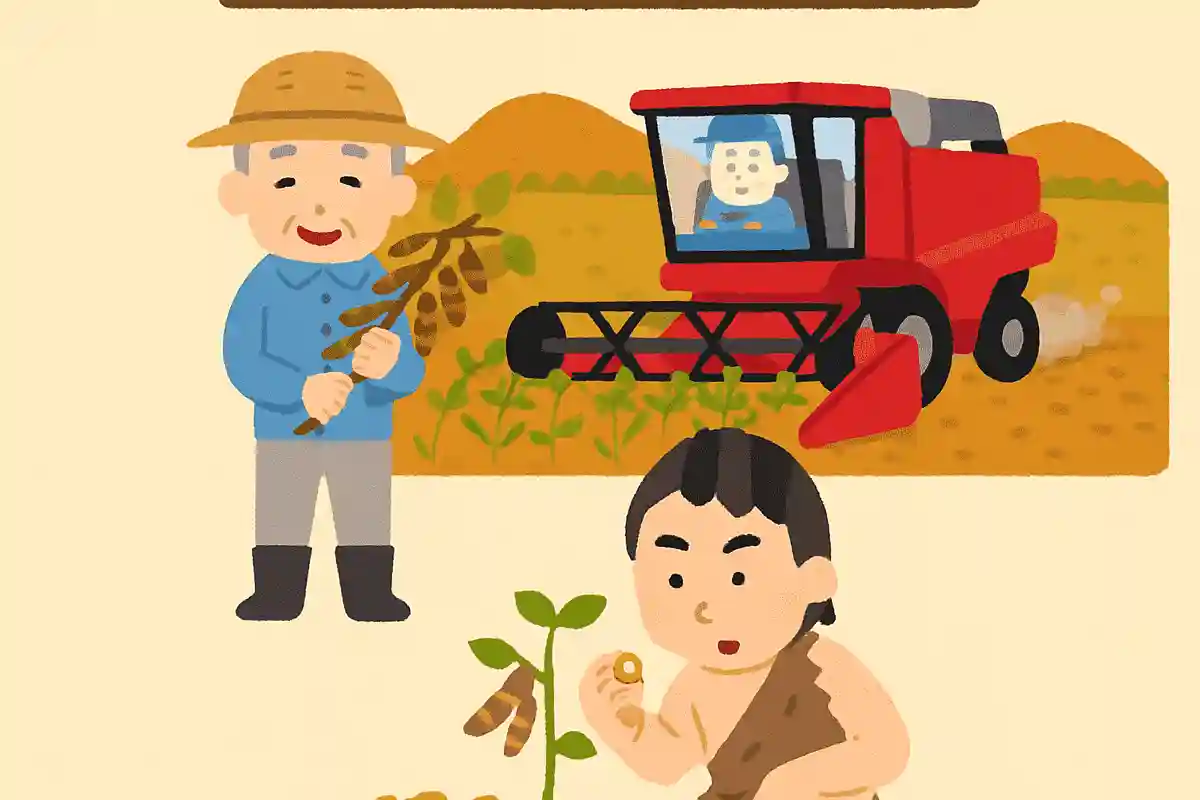
Soybeans enter their harvest season around October.
They’re delicious eaten as they are, but there are also many soybean-based foods that are indispensable to us Japanese, such as tofu, natto, and miso.
Many of you probably eat them regularly.
Here’s a question: Do you know since when people in Japan have been eating soybeans? The answer is the Jomon period.
It’s a bit surprising to think it goes that far back, isn’t it? Analysis of Jomon pottery has revealed that soybeans were being cultivated in Kyushu.

In 1969, a certain American rocket made the first human landing on the moon. What was the name of that rocket?
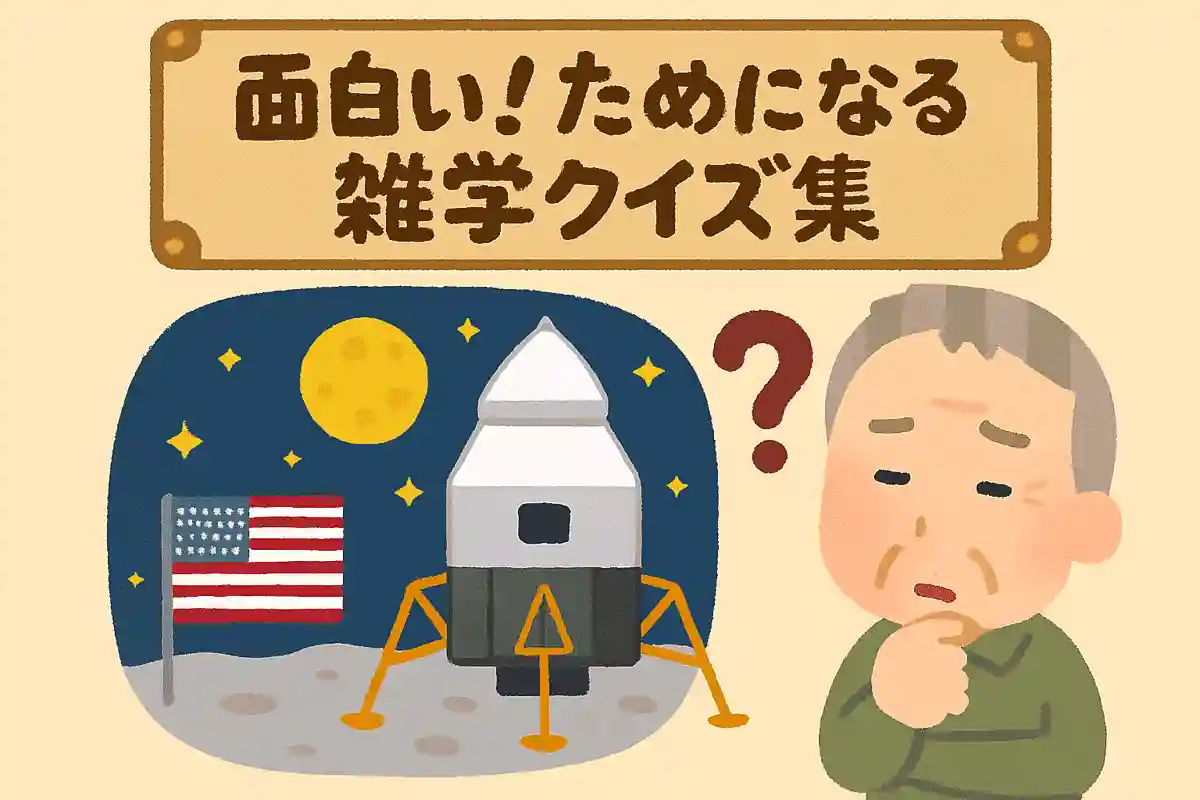
Speaking of the American rocket that achieved humanity’s first successful Moon landing in 1969, it has to be Apollo 11! Seeing the portraits of the three crew members who launched from Kennedy Space Center, or the photo of Commander Neil Armstrong’s first human footprint on the Moon, might bring back memories of the excitement of that time.
Using a quiz as a springboard, why not reminisce about that historic achievement that inspired so many dreams and enjoy sharing stories of the past?

How much does hair grow in a year?
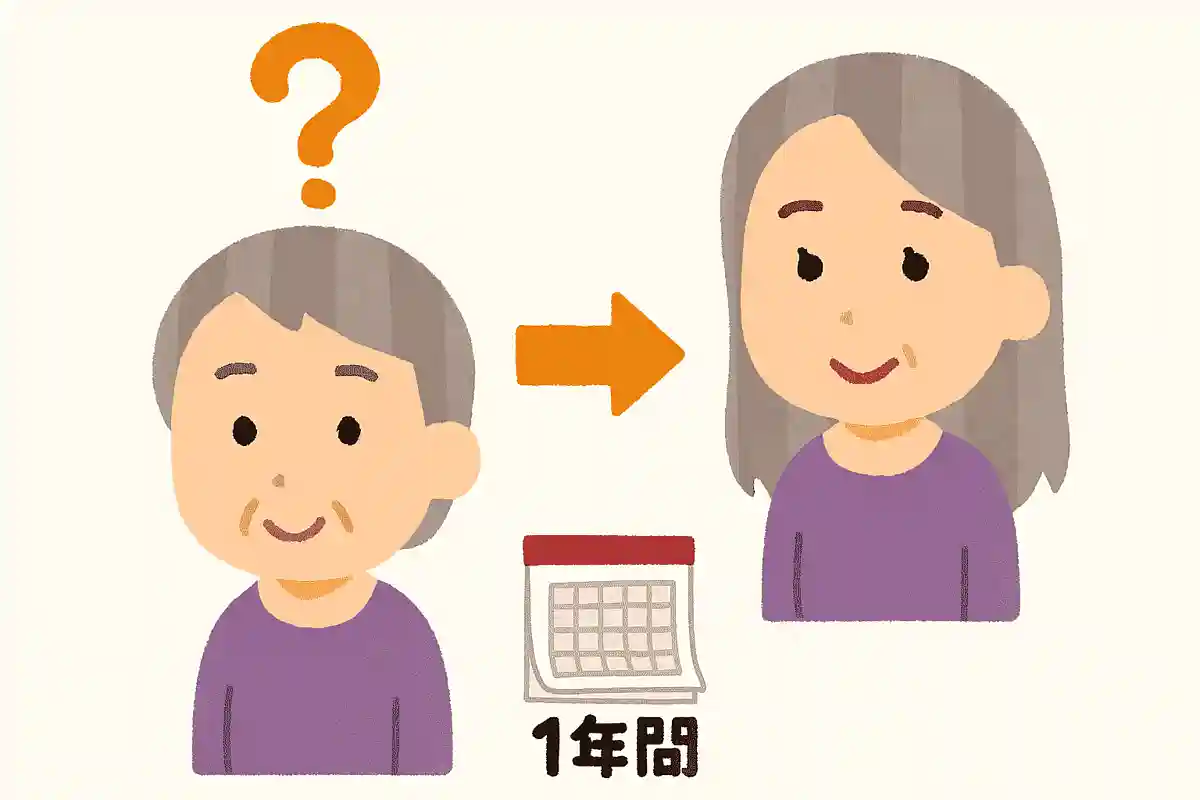
- 6cm
- 8cm
- 12cm
- 20cm
See the answer
12cm
It’s said that hair grows about 0.3–0.4 mm per day, which averages out to roughly 2.5 mm per week, about 1 cm per month, and about 12 cm per year. Since there are around 100,000 hairs on the head and about 90% are in the growth phase, adding up their growth is said to total roughly 100 km in a year. You can see that hair has particularly active metabolism compared to other parts of the body.
How much does it cost to make a one-yen coin?
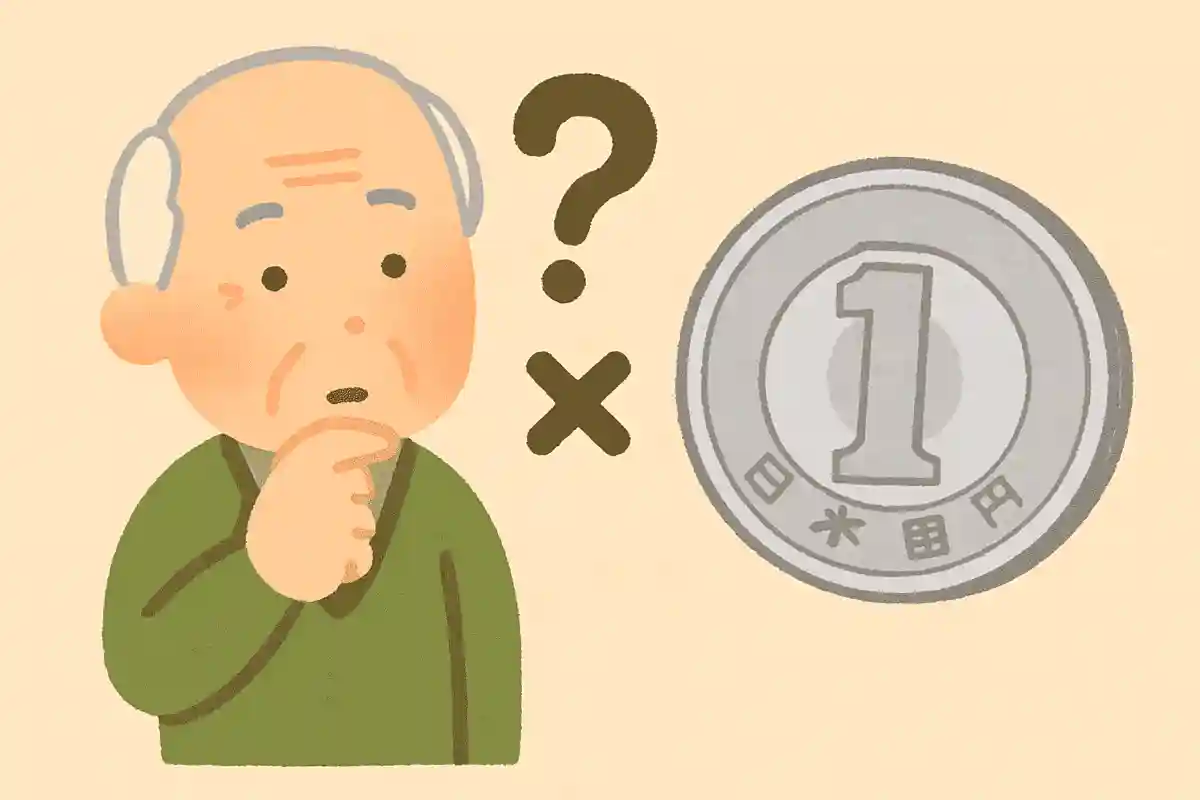
- 0.3 yen
- 0.6 yen
- 1 yen
- 3 yen
See the answer
3 yen
The 1-yen coin is made of aluminum. The raw material cost per coin is about 0.3 yen, but when you add processing and other expenses, it comes to 3 yen. By the way, it reportedly costs 10 yen to make a 5-yen coin, 13 yen for a 10-yen coin, and finally drops to 12 yen for a 50-yen coin, so try remembering these together.