

[For Seniors] Fun and Informative Trivia Quiz Collection

There may be older adults who are spending monotonous days.
So this time, we’ll introduce some useful trivia quizzes that will make you think, “I see!”
You can use them as brain training by asking the questions, and they’re also fun to bring up in casual conversations with seniors.
Because they spark interest easily, they’re likely to be a hit as a recreational activity, too!
With trivia quizzes, you can hear the answers and gain new knowledge.
People often feel like sharing the trivia they’ve learned with others, which can naturally encourage communication.
- [For Seniors] Fun and Informative! Health Trivia Quiz
- [For Seniors] Laugh-Out-Loud, Crowd-Pleasing! Fun Quiz
- [For Seniors] Fun and Informative! Trivia and Quizzes Introduced
- [For Seniors] Trivia Multiple-Choice Quiz
- [For Seniors] Boost Your Knowledge! Fun Trivia Quiz
- [For Seniors] Today’s recommended quiz. Daily brain-training quiz!
- [For Seniors] Brain Training! Recall Quiz Collection!
- [For Seniors] Fun! Let’s Get Excited with Japan’s Number One Quiz
- [For Seniors] January Trivia Quiz & Fun Facts. Brain training with quizzes about New Year and winter.
- [For Seniors] Liven Things Up! 3-Choice Ranking Quiz
- [Brain Training] Lively Word Quiz for Seniors
- [For Seniors] Surprising Facts! Multiple-Choice Trivia Quiz (4 Options)
- [For Seniors] Fun and Educational True-or-False Quiz
[For Seniors] Fun and Educational Trivia Quiz Collection (51–60)
Under what kind of trees do matsutake mushrooms grow?

A beloved luxury ingredient! Here’s a fun fact: Under what kind of tree do matsutake mushrooms grow? Speaking of matsutake, they’re known as a quintessential flavor of autumn.
Because their harvest is limited, many people recognize them as a high-end ingredient.
Do you know which tree they grow under? The answer is the Japanese red pine (Akamatsu).
Matsutake settle on the roots of the red pine, forming a symbiotic structure called a mycorrhiza, through which they grow.
It’s the kind of trivia that makes you crave those wonderfully aromatic matsutake mushrooms.
The number of ridges on a bottle beer crown cap is 21.

Beer—often called the water of life for adults—is beloved by many.
While everyone has their favorite brewery, label, and style, we can all agree on that irresistible refreshing sensation.
Here’s a bit of trivia about beer: the crimped edge on a bottle cap.
Do you know how many ridges it has? The answer is 21.
The reason is that when the cap is crimped onto the bottle, securing it at three points provides the most stable support, and using 21 points—a multiple of three—proved to be the most effective.
Next time, before you have a drink, why not take a moment to check the ridges on the cap?

When eating an Ehomaki on Setsubun, what you must not do is talk.
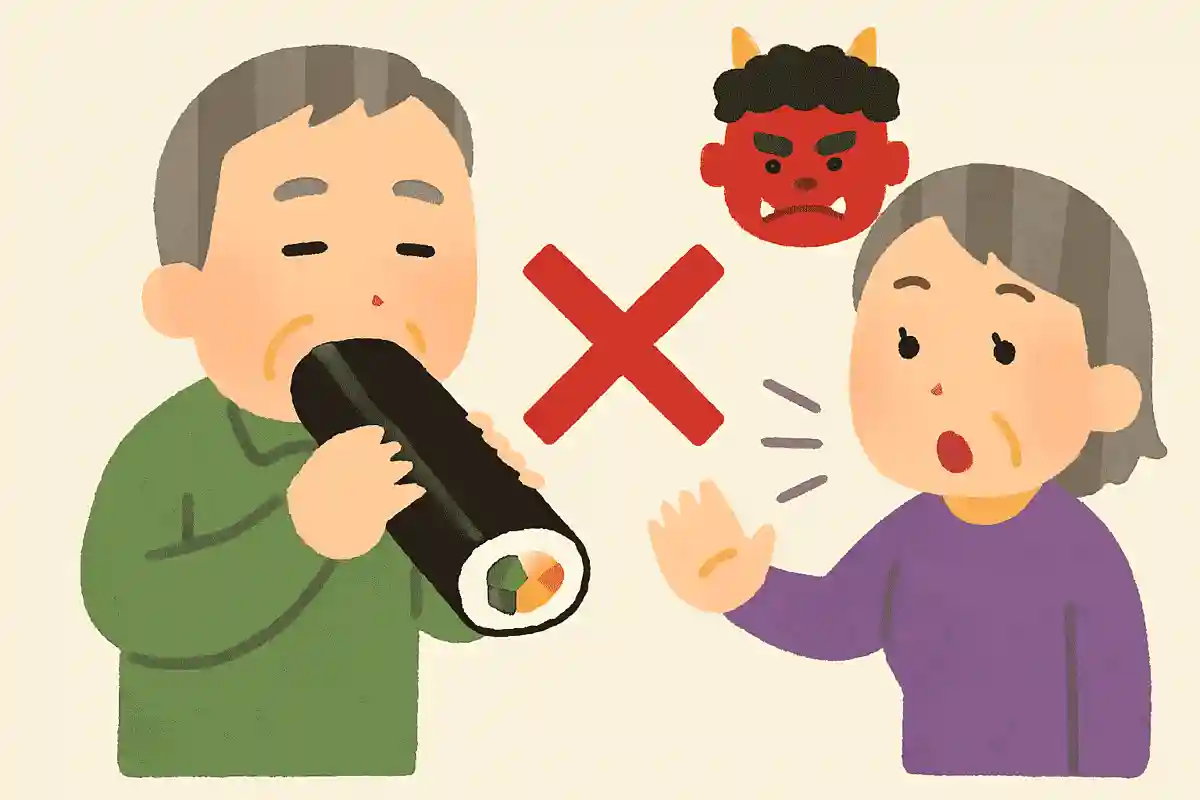
When it comes to must-eat foods for Setsubun, ehomaki definitely tops the list.
It originally started as a culinary custom in the Kansai region, but is said to have spread nationwide after convenience store chains and supermarkets began selling it.
In fact, there’s something you shouldn’t do when eating ehomaki: talk.
Proper etiquette is to eat it silently while facing the year’s lucky direction for Setsubun.
On Setsubun, keep this custom in mind as you eat to invite good fortune.
Halloween is held in October. Which vegetable is used for the jack-o’-lantern in this festival?
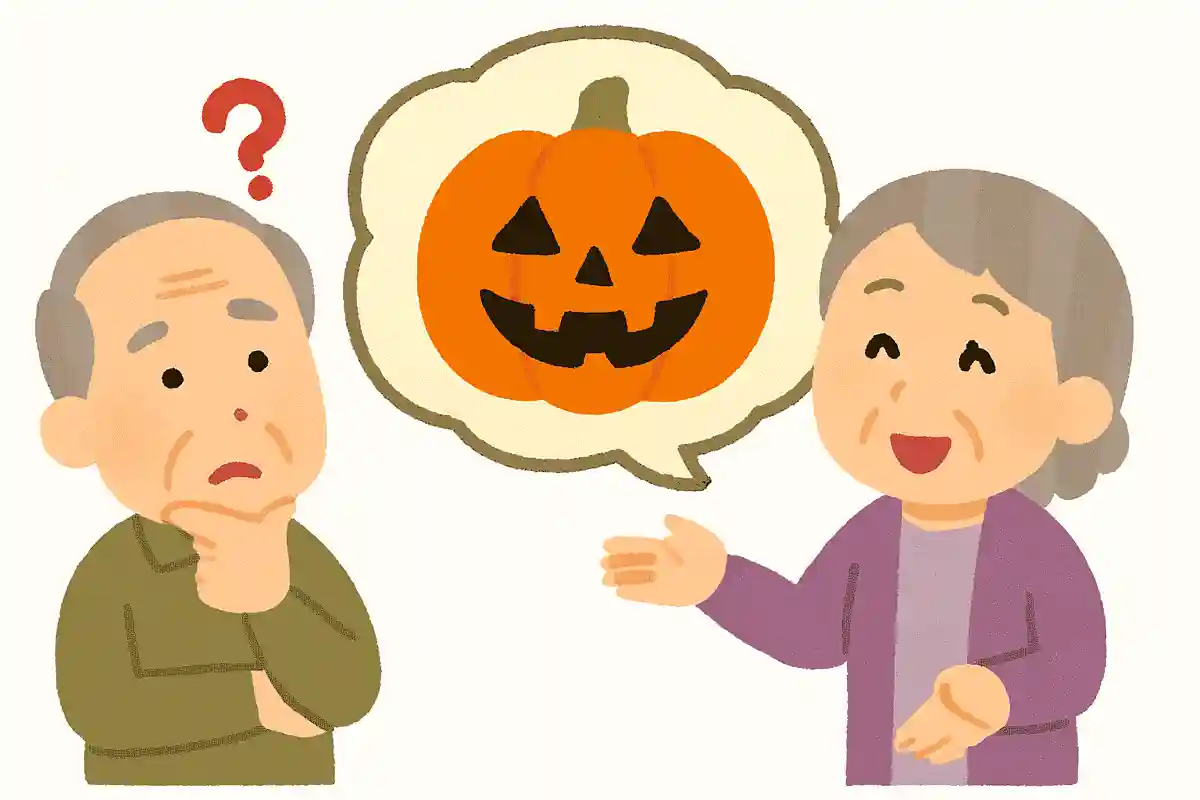
One of the major events in October is Halloween.
In recent years, more people in Japan have been taking part as well.
The symbol of Halloween, you could say, is the jack-o’-lantern.
Here’s a question: “What vegetable is used to make a jack-o’-lantern?” The correct answer is pumpkin.
The reason is that for the Celts, who came up with Halloween, it was an easy-to-obtain vegetable.
It’s interesting to think that a different vegetable might have been used instead.

[For Seniors] Fun and Educational Trivia Quiz Collection (61–70)
Japan’s first moving walkway debuted in 1967 (Showa 42). Do you know where it made its first appearance?

Moving walkways found in airports and large train stations look like escalators, but instead of taking you up or down a floor, they carry you straight ahead.
They’re faster than walking and let you glide smoothly to your destination, making them very convenient.
So, where did moving walkways first appear in Japan? Here’s a hint: it’s in Kansai, in a place known for people who are often in a hurry.
The answer is Osaka! The first one was installed at Hankyu Umeda Station.
At the time, the station was undergoing expansion, and the walkway was built to improve access from platform to platform.
By the way, you often see people walking on moving walkways, but it’s dangerous, so once you step on, stand still and ride it to your destination.

In 1970 (Showa 45), the local call charge for public telephones became 10 yen for 3 minutes. What had the pricing structure been like before that?

Public telephones used to be essential for making calls while out and about, but as time has gone on, we see them less and less.
Because opportunities to use them have decreased, many of us may no longer have a clear sense of the cost, but the rate is set at 10 yen for three minutes.
That “10 yen for three minutes” rate was introduced in 1970; before that, the pricing was different.
So what was the rate before 1970? The answer is “10 yen per call.” As long as you paid 10 yen, there was no time limit—your call would stay connected without worrying about the duration.
It’s worth noting the anecdote that many people would monopolize the phone for long periods because of this.

How long a line could you draw if you used up an entire pencil?
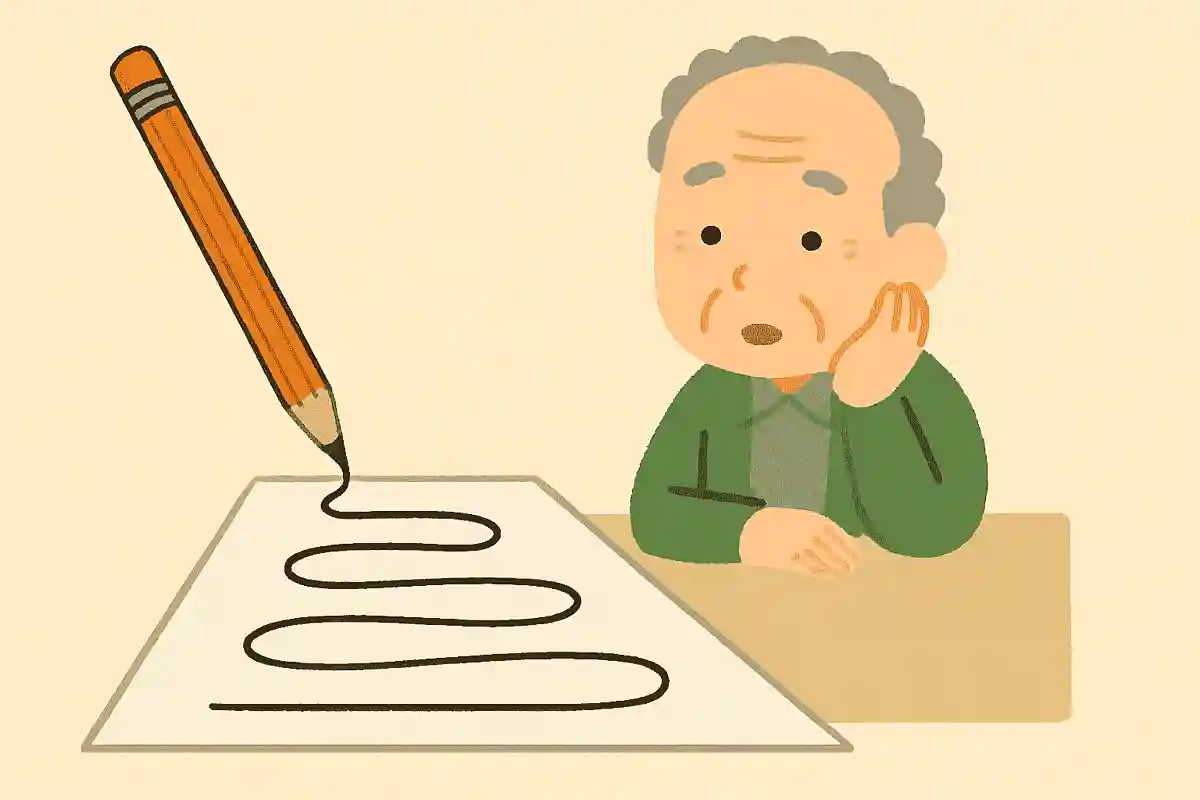
- 500m
- 800m
- 50km
- 100km
See the answer
50km
It’s said that the length of line you can draw before an HB pencil is used up is about 50 km. While this figure assumes certain conditions and isn’t exactly realistic, it’s still far longer than with other writing instruments, making HB pencils arguably very economical.
